Xylocaine (Lidocaine) — Patient-Friendly Guide (Australia)
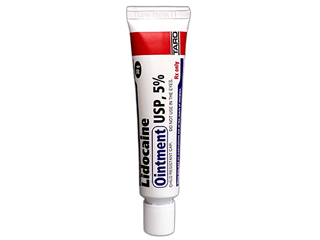
Xylocaine is a brand name for lidocaine, a local anaesthetic (numbing medicine) used to reduce pain and discomfort by blocking nerve signals. Depending on the product form, Xylocaine may be used on the skin, in the mouth, for minor procedures, or in other clinical settings.
This guide explains what Xylocaine is, how it works, what to expect, important safety information, and practical tips to help you use it correctly. For the best results, always follow the instructions provided with your specific Xylocaine product and ask a healthcare professional if you’re unsure.
Basic Product Information
| Category | Details |
|---|---|
| Active ingredient | Lidocaine (local anaesthetic) |
| Common brand name | Xylocaine |
| Typical forms (examples) | Topical gels/ointments, sprays, viscous solutions (depending on local availability) |
| How it works | Numbs tissue by blocking nerve signals |
| Medicinal use | Local pain relief for procedures or painful areas (form-dependent) |
| Where used | Skin, mouth/throat, and other sites depending on the product |
Note: Different Xylocaine products exist with different strengths and dosing schedules. Always check the package for the exact product type you have (e.g., gel, spray, viscous solution).
How Xylocaine Works (Mechanism of Action)
Lidocaine works by blocking voltage-gated sodium channels in nerve cells. When sodium channels are blocked, nerves are unable to generate and transmit pain signals.
The result is local loss of sensation in the area where the medicine is applied. The speed and duration of numbness depend on factors such as:
- Product form and concentration (gel vs spray vs viscous solution)
- Amount applied
- Site of application
- Condition of the skin or tissue (intact skin vs inflamed or broken skin)
- Blood flow to the area
Pharmacokinetics (Absorption, Distribution, Metabolism, Excretion)
Pharmacokinetics describes how the body handles a medicine. With lidocaine, absorption can vary considerably depending on the route (e.g., topical vs oral/throat use) and whether tissue is intact.
Absorption
- Intact skin: absorption is generally slower and lower.
- Inflamed, irritated, or broken tissue: absorption may be higher, increasing the risk of side effects.
- Mucosal surfaces (e.g., mouth/throat viscous forms): absorption can be faster.
Distribution
Lidocaine is distributed through the bloodstream. It can cross biological barriers, which is one reason dosing guidance matters.
Metabolism
Lidocaine is primarily metabolised by the liver. People with reduced liver function may process lidocaine more slowly.
Excretion
Metabolites are mainly eliminated via the kidneys. If kidney function is impaired, metabolite clearance may be affected (the impact can vary).
What Xylocaine Is Used For (Typical Use and Indications)
Xylocaine is used to reduce discomfort from localised pain or to numb tissue for minor interventions. The exact indication depends on the product form and concentration.
Common situations where lidocaine-based products may be used
- Temporary local pain relief for minor discomfort in specified areas (depending on formulation)
- Numbing the mouth/throat in certain clinical or self-care contexts (for example, for temporary relief around the mouth/throat when using a suitable formulation)
- Procedural or clinical anaesthesia in healthcare settings (typically administered by trained professionals)
Because availability and product labels vary, always confirm your specific Xylocaine product is indicated for your intended use. If symptoms are severe, persistent, or worsening, seek medical advice.
When It Works (Timing)
Timing varies by formulation and site. In general, lidocaine products provide:
- Onset: often within minutes after application.
- Peak effect: commonly shortly after onset.
- Duration: may last from short periods to longer intervals, depending on how it is applied and the specific product.
If you do not feel any effect within the expected time on the product label, do not repeatedly apply more than directed. Instead, check the instructions and consider contacting a pharmacist or healthcare professional.
Food Interactions
Food interactions depend on where and how you apply lidocaine. For topical products affecting the mouth or throat:
- Avoid eating or drinking immediately if you have numbness, because you may accidentally bite your tongue or cheeks or choke on food/drinks.
- Wait until sensation returns before resuming normal eating and swallowing.
For skin-only products, food is usually not a direct factor. Still, if the product label notes any precautions, follow them carefully.
Alcohol and Medicine Interactions
Alcohol
Alcohol can increase side effects for many medicines and may affect your ability to notice symptoms like dizziness or drowsiness. While lidocaine is intended for local use, it’s still wise to:
- Avoid alcohol if you feel unwell, dizzy, or overly sedated for any reason.
- Use caution particularly if you are using a formulation affecting the mouth/throat.
Other medicines (important interaction considerations)
Lidocaine can interact with certain medicines that affect the liver enzymes involved in drug metabolism or that influence heart rhythm. Tell a healthcare professional if you use any of the following (examples):
- Other local anaesthetics or medicines that can affect nerve signalling
- Antiarrhythmics (medicines for irregular heartbeats)
- Medicines that affect liver metabolism (some antibiotics/antifungals and other drugs may change lidocaine metabolism)
- Medicines that increase bleeding risk (more relevant for procedures—confirm with your clinician if relevant)
This is not a complete list. Always review your product label and speak with a pharmacist or healthcare professional for tailored advice, especially if you have a complex medication list.
Dosing and How to Use Xylocaine Safely
Dosing depends on the exact product (strength, form, and application site). For that reason, you should follow the directions on your packaging or the advice provided by a healthcare professional.
General principles for dose safety
- Use the smallest amount that achieves the desired effect.
- Do not apply more frequently than recommended.
- Do not apply to large areas or under occlusive dressings unless instructed.
- Avoid contact with eyes, and use caution near the eyes.
- Do not swallow topical mouth/throat products more than directed.
Special caution areas
- Broken skin, blisters, or inflamed tissue: absorption may increase.
- Children and adolescents: dosing requires extra caution; follow age-specific directions on the label.
- Older adults or anyone with medical conditions: check suitability with a pharmacist.
Practical step-by-step use tips
- Wash your hands before and after application.
- Clean and dry the area (unless your product instructions say otherwise).
- Apply a thin layer or the measured amount specified for your product.
- Wait for onset before testing sensation or eating/drinking (for mouth/throat products).
- Stop and reassess if irritation occurs or if symptoms persist.
If you accidentally apply too much, or if you notice unusual symptoms (e.g., light-headedness, ringing in the ears, tremor), seek urgent advice.
Safety Profile and Side Effects
Like all medicines, lidocaine can cause side effects. Many are mild and localised, but serious effects are possible—especially with excessive dosing, application to large areas, or absorption through damaged tissue.
Common or mild side effects
- Temporary burning, stinging, or irritation at the application site
- Redness or mild swelling
- Altered taste (for mouth/throat formulations)
Serious side effects (seek urgent help)
Contact urgent medical help or seek immediate advice if you experience signs that may indicate toxicity or a serious reaction, such as:
- Severe dizziness, fainting, confusion
- Tremor or unusual restlessness
- Ringing in the ears or blurred vision
- Breathing difficulty, wheezing, or severe swelling
- Severe allergic reaction (e.g., hives, facial swelling, trouble breathing)
- Irregular heartbeat or chest discomfort
Serious reactions are uncommon when used correctly, but correct use is essential.
Who should take extra care
- People with liver disease (metabolism may be slower)
- People with heart conduction problems or significant heart rhythm conditions
- People taking interacting medicines (especially those affecting liver enzymes or heart rhythm)
- Pregnant or breastfeeding people: discuss suitability with a healthcare professional
Practical Use Tips (Getting the Best Results)
- Don’t “test” numbness with hot/cold foods—you could injure yourself without noticing.
- Be cautious with dental work: numbness may increase the risk of biting or chewing the area.
- Keep track of timing: if you’re using it before an event, follow the expected onset time on the product label.
- Use only on the intended area—over-application is a common cause of side effects.
- Stop if irritation worsens or if you develop a rash.
Alternative Options
If lidocaine isn’t suitable or doesn’t provide enough relief, alternatives may include other local anaesthetic agents or non-numbing pain relief approaches depending on the problem and site. Options your pharmacist may discuss include:
- Other topical local anaesthetics (product choice depends on availability and site)
- Oral pain relief gels or protective formulations designed for mouth discomfort
- Analgesics such as paracetamol or ibuprofen (if appropriate for you)
- Non-drug approaches like gentle rinsing for mouth irritation and avoiding triggers
The best choice depends on your symptoms (e.g., sore mouth, minor cut, procedure-related discomfort) and your medical history. Ask a pharmacist to compare options safely.
Market and Legal Context for Australia (What to Expect Online)
In Australia, medicines are supplied under a regulatory framework that includes:
- TGA (Therapeutic Goods Administration) oversight for medicines on the Australian market
- Classification into categories (e.g., OTC vs prescription-only, depending on product type)
- Rules for storage, labelling, and pharmacy supply pathways
Online pharmacies in Australia typically require customers to receive medicines from an appropriately authorised supply chain, with clear product labelling and correct guidance. Always check that the product you select matches the intended form and strength, and review the instructions provided.
Important: Requirements can differ between products (for example, between skin-only formulations and products used in the mouth/throat). If you’re unsure, contact a pharmacist before use.
Recent Guidance and Practical Considerations
Guidance around local anaesthetics commonly emphasises:
- Using the correct formulation for the correct site
- Avoiding overdose and following label instructions exactly
- Extra caution with absorption through damaged/inflamed tissue
- Monitoring for allergic reactions and neurologic/cardiac symptoms
In pharmacy practice, additional emphasis is often placed on patient safety around:
- Children (dose accuracy and correct product choice)
- Older adults and those with liver or heart conditions
- Use in the mouth (avoiding eating/drinking while numb to prevent choking and injury)
If your symptoms are due to infection, significant inflammation, or an injury beyond minor discomfort, numbness should not delay seeking proper assessment.
Delivery and Availability (Australia)
Availability of Xylocaine products can vary by formulation (e.g., gel, spray, viscous solutions) and by market supply. When ordering online:
- Check the product name and strength to ensure you’re selecting the correct Xylocaine type.
- Review dosing instructions on the packaging because they differ between products.
- Confirm delivery estimates provided at checkout.
- Store correctly as directed (commonly at room temperature unless the label states otherwise).
If you need help choosing between forms or strengths, a pharmacist may be able to guide you based on the affected area and your symptoms.
Frequently Asked Questions (FAQ)
1) Is Xylocaine the same as lidocaine?
Yes. Xylocaine is a brand name for lidocaine, a local anaesthetic. Different Xylocaine products may have different forms and strengths.
2) How long does Xylocaine take to start working?
Many lidocaine topical products begin working within minutes. Exact timing depends on the product and where it’s applied. For mouth/throat products, allow time for onset before eating or drinking.
3) Can I eat or drink after applying Xylocaine to my mouth or throat?
It’s best to avoid eating and drinking while numb. Numbness can increase the risk of biting your tongue/cheeks and choking. Wait until sensation returns.
4) What should I do if I feel burning or irritation?
Mild temporary irritation can occur. If irritation is severe, persistent, or you develop a rash or swelling, stop using the product and seek advice from a pharmacist or healthcare professional.
5) Can I use Xylocaine on broken skin?
Lidocaine absorption can be higher through inflamed or damaged tissue. Only use it on broken skin if your specific product label allows it and you’ve been advised it’s appropriate.
6) Are there interactions with other medicines?
Yes. Some medicines can affect lidocaine metabolism or influence heart rhythm. If you take regular medicines—especially antiarrhythmics or other drugs that affect liver metabolism—ask a pharmacist to check compatibility.
7) What are the warning signs that need urgent help?
Seek urgent medical help if you experience symptoms such as severe dizziness, fainting, tremor, ringing in the ears, breathing difficulty, facial swelling, or irregular heartbeat. These can be signs of a serious reaction or toxicity.
8) What if my symptoms don’t improve?
If you don’t feel improvement, symptoms worsen, or you have signs of infection (such as fever, spreading redness, pus, or severe pain), seek professional medical advice. Numbing alone may delay appropriate treatment.
9) Can I drink alcohol while using Xylocaine?
It’s generally wise to avoid or limit alcohol while using any medicine that may contribute to dizziness or masking sensation. If you feel unwell, don’t drink alcohol and consider seeking advice.
10) Are there safer alternatives if lidocaine isn’t suitable?
Alternatives may include other topical pain relief options or systemic pain medicines such as paracetamol or ibuprofen (if appropriate for you). A pharmacist can help you choose based on your symptoms and health conditions.
Summary
Xylocaine (lidocaine) is a local anaesthetic that helps reduce pain by blocking nerve signals in the area where it’s applied. When used correctly, it can provide temporary relief and improve comfort during minor procedures or troublesome discomforts.
- Follow your product label for form, strength, and dosing.
- Use extra caution on inflamed or damaged tissue.
- If applied to the mouth/throat, avoid eating/drinking while numb.
- Watch for side effects and seek urgent help for severe or concerning symptoms.
If you have questions about the most suitable form of Xylocaine for your situation, speak with a pharmacist.