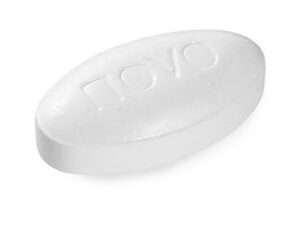


Xenical (Orlistat) – Patient-Friendly Medicine Information (Australia)
Xenical is a weight-management medicine containing orlistat. It is designed to help reduce body fat by blocking part of the digestion of dietary fat. Many people use Xenical alongside a calorie-controlled diet and lifestyle changes. This guide explains how Xenical works, how to take it, what to expect, interactions to consider, and important safety information.
1) Basic product information
- Brand name: Xenical
- Active ingredient: Orlistat
- Strength (commonly available): 120 mg capsules (typical formulation)
- Form: Oral capsules
- How it works: Local action in the gut (works mainly in the digestive tract)
- Typical use setting: Long-term weight management in appropriate patients
2) How Xenical works (mechanism of action)
Orlistat works by inhibiting digestive enzymes called lipases (primarily pancreatic and gastric lipase). These enzymes normally break down dietary triglycerides (fats) into smaller molecules so they can be absorbed in the intestines.
By blocking lipase activity, Xenical helps prevent a portion of dietary fat from being digested and absorbed. Instead, that unabsorbed fat passes through the digestive tract and is excreted.
Key point: Xenical mainly affects fat from food, not calories from carbohydrates or protein.
3) Pharmacokinetics (what the body does to it)
Because Xenical is designed to act in the gastrointestinal tract, very little is absorbed into the bloodstream. When absorption occurs, systemic exposure is low. This means side effects related to whole-body effects are generally limited.
- Absorption: Minimal systemic absorption.
- Distribution: Low systemic presence.
- Metabolism and excretion: The drug and/or its breakdown products are largely eliminated through faeces.
- Time course: Effects depend mainly on meal timing and the presence of dietary fat.
4) What Xenical is typically used for (indications)
Xenical is used as part of a weight-management approach for adults with certain body weight categories. In practical terms, it may be considered for people who need additional help with weight reduction and maintenance alongside diet and lifestyle.
Your healthcare professional can advise whether Xenical is appropriate for you based on your health profile, weight status, and goals.
5) When and how to take Xenical (dosing and timing)
Xenical dosing is linked to meals. Because it targets dietary fat absorption, it is most effective when taken with meals.
Typical adult dosing
- Usual dose: 120 mg orally, three times a day.
- Timing: Take it
each main meal. - Do not take with snacks: If a meal contains no fat (or you do not eat), it may be unnecessary.
What if you miss a dose?
- If you miss a dose, skip it and take the next dose with your next meal.
- Do not double up to compensate.
How long to use
Results vary between individuals. Many people continue treatment as part of a long-term weight-management plan where appropriate. Regular follow-up helps check progress, tolerability, and nutritional considerations.
6) Food interactions and meal habits
Xenical works by blocking fat digestion. For best results and fewer side effects, align your diet with the medicine’s mechanism.
Taking with meals (very important)
- Take Xenical with main meals (breakfast, lunch, dinner, or their equivalents).
- Keep dosing consistent with meal size and fat content.
How diet affects side effects
Because unabsorbed fat is excreted, a higher-fat diet may increase gastrointestinal side effects such as oily stools or urgency. A moderate-fat, calorie-controlled diet typically makes use more comfortable.
Practical eating tips
- Choose meals with reasonable fat content.
- Include fibre-rich foods (vegetables, fruit, whole grains) to support digestive comfort.
- Stay hydrated.
- Limit very high-fat foods (e.g., deep-fried meals, creamy sauces) if you experience side effects.
7) Alcohol and Xenical
Xenical’s main action is local in the digestive tract, and alcohol is not known to directly “counteract” the enzyme inhibition mechanism. However, drinking alcohol can affect diet quality and overall calorie intake, and some alcohol-containing drinks can worsen gastrointestinal discomfort in some people.
- Moderation is recommended.
- If alcohol triggers nausea, stomach upset, or diarrhoea for you, consider reducing intake.
- Alcohol may also affect judgement around meal choices; choose meals carefully to avoid very high-fat intake.
8) Medicine interactions (including key examples)
Some interactions are mainly about vitamin absorption and how medicines are absorbed through the gut. Because Xenical can reduce the absorption of fat-soluble components, it may influence absorption of certain medicines.
Fat-soluble vitamins
Xenical may reduce absorption of vitamins A, D, E and K. Many patients are advised to take a suitable multivitamin supplement; spacing it correctly is important.
- General approach: Take a multivitamin containing fat-soluble vitamins if recommended.
- Spacing: Consider taking vitamins at a different time than Xenical (for example, several hours apart) unless your pharmacist instructs otherwise.
Other medicines
Some medicines may require careful timing or monitoring. Examples of medicines that can be affected include:
- Oral anticoagulants (vitamin K–related effects may be relevant)
- Antiepileptic medicines where absorption changes could matter
- Levothyroxine (thyroid hormone) absorption can be affected by gastrointestinal factors
- Ciclosporin (absorption may be influenced)
This is not an exhaustive list. Always tell your pharmacist or healthcare professional about all medicines and supplements you take, including “natural” products and over-the-counter items.
Practical timing strategy
- If you take other oral medicines, ask whether you should separate doses from Xenical.
- Check labels and follow advice for supplements.
- Seek advice if you notice new symptoms or changes in how your medicines seem to work.
9) Safety profile and common side effects
Most side effects relate to the gastrointestinal effects of unabsorbed fat. In many people, side effects are most noticeable early in treatment or after higher-fat meals. Your ability to tolerate Xenical often improves with diet adjustments.
Common gastrointestinal side effects
- Oily or fatty stools
- Increased stool frequency
- Urgency to go to the toilet
- Gas with oily discharge
- Stomach discomfort
Less common, but important to know
- Rectal discomfort
- Changes in stool appearance
- Skin reactions (in rare cases)
- Allergic-type reactions (seek medical attention urgently if severe)
When to seek urgent help
Contact a healthcare professional promptly or seek urgent care if you experience signs of a serious allergic reaction, severe abdominal pain, persistent vomiting, blood in stool, or dehydration (e.g., dizziness, fainting, very dry mouth).
Long-term considerations
Since Xenical can reduce absorption of fat-soluble vitamins, long-term use should include nutritional attention. Periodic review of overall diet and supplement needs is often recommended.
10) Practical tips for comfortable use
Plan your meals
- Take Xenical with main meals only.
- Avoid “grazing” or frequent high-fat snacks without considering dosing timing.
Reduce dietary fat to reduce side effects
- Keep your fat intake moderate.
- If side effects occur, trial lowering fat content further.
Consider a structured supplement routine
- Ask your pharmacist if you should take a multivitamin (especially vitamins A, D, E and K).
- Separate supplements appropriately from Xenical dosing.
Manage hygiene and lifestyle impacts
- Some people find it helpful to keep extra tissues or wipes and consider clothing that’s comfortable if stool leakage/urgency occurs.
- Stay aware of restroom access when travelling or working long shifts.
Track progress
- Monitor weight and waist measurements.
- Consider other markers of health (blood pressure, glucose, cholesterol) with your clinician.
- Discuss continued use if expected progress is not achieved.
11) Recent guidance and current Australian context
In Australia, weight-management medicines are typically used as part of an overall plan that includes diet and lifestyle. Recommendations and prescribing practices can vary depending on patient factors, eligibility, and evolving clinical guidance. Always rely on current advice from Australian healthcare professionals and product information for up-to-date instructions.
Xenical is a well-established option. However, other medicines for weight management may be available and could be more suitable for some patients depending on medical history, side effect profile, and goals. A clinician can advise which option aligns best with your needs.
12) Delivery and availability in Australia
Xenical (orlistat) may be available through pharmacies and online pharmacy services where permitted. Availability can depend on product listing status, current stock levels, and strength/formulation. When ordering online, ensure the product matches the brand and strength you expect and check the expiry date.
- Delivery: Delivery times vary by supplier and location within Australia.
- Packaging: Products should be supplied in original packaging with clear batch/expiry details.
- Storage: Follow storage instructions on the label (commonly store at controlled room temperature away from moisture).
- Customer support: Reputable online pharmacies provide access to pharmacists for advice on dosing and interactions.
13) Alternative options to consider
If Xenical isn’t suitable or doesn’t meet your needs, there are other approaches to weight management. Alternatives may include:
- Other diet-focused strategies: structured nutrition plans, reduced energy intake, and increasing physical activity.
- Other weight-management medicines: depending on availability and individual suitability, clinicians may consider different drug classes.
- Programs and coaching: structured behavioural support can improve long-term adherence.
- Medical review: screening for underlying conditions (e.g., thyroid disorders, sleep apnoea, insulin resistance) can improve outcomes.
Your pharmacist or doctor can help compare options based on your health, preferences, and likely side effects.
14) Summary table: key “at-a-glance” information
| Category | Information |
|---|---|
| Active ingredient | Orlistat |
| Common dose | 120 mg three times daily |
| How to take | With main meals; during or up to 1 hour after eating |
| What it targets | Dietary fat absorption |
| Typical side effects | Oily stools, urgency, gas, stomach discomfort (often meal- and fat-related) |
| Nutrition considerations | May reduce fat-soluble vitamins (A, D, E, K); supplements may be needed |
| Alcohol | Not a direct “interaction” for the mechanism, but moderation is advised due to GI effects/diet impacts |
| Interactions | May affect absorption of certain medicines; spacing and monitoring may be required |
15) FAQ – Questions people ask about Xenical (Orlistat)
How does Xenical help with weight loss?
Xenical blocks digestive enzymes (lipases) that break down dietary fat. As a result, a portion of the fat you eat is not absorbed and passes through the body. This reduces the number of calories absorbed from fat.
Do I need to take Xenical with every meal?
Take Xenical with main meals only. If you skip a meal or have no substantial meal intake, you typically do not need to take a dose. The timing is crucial—take it during or within about an hour after meals.
What side effects are most common?
The most common are gastrointestinal effects such as oily stools, increased bowel movements, urgency, and gas. These are more likely after meals higher in fat. A moderate-fat diet can improve tolerability.
Will Xenical “work” if I eat a normal diet?
Many people lose weight by combining Xenical with a calorie-controlled diet. However, eating very high-fat meals can increase side effects and may reduce comfort and adherence. Balanced meal choices are usually more sustainable.
Should I take vitamins while using Xenical?
Xenical may reduce absorption of fat-soluble vitamins (A, D, E, K). Your pharmacist can advise on whether to take a multivitamin and how to time it relative to your Xenical doses.
Can I drink alcohol while taking Xenical?
Moderate alcohol intake is generally not known to directly reverse Xenical’s action. Still, alcohol can worsen gastrointestinal discomfort and may affect diet and calorie intake. Consider moderation and monitor how your stomach responds.
Are there any medicines I should be careful with?
Xenical can influence absorption of certain medicines, and it may also affect vitamin-related pathways for medicines that depend on vitamin K status. Tell your pharmacist about all your medicines and supplements so appropriate timing advice can be provided.
How long does it take to see results?
Weight changes can vary. Some people notice changes over weeks, while others take longer. Consistent meal timing, diet changes, and adherence are key. If you are not progressing, speak with a healthcare professional for review.
What if I stop Xenical?
Stopping Xenical may change how your body handles dietary fat. Weight management generally requires ongoing dietary and lifestyle strategies. Discuss any plans to stop or change treatment with your pharmacist or healthcare professional.
Is Xenical suitable for everyone?
Not everyone is suitable for Xenical. Your pharmacist or healthcare professional can assess your medical history, current medicines, and dietary factors to determine whether it is appropriate and how to use it safely.
16) Important reminders
- Take Xenical with main meals as directed.
- Adjust dietary fat intake to improve comfort and adherence.
- Consider vitamin supplementation advice, especially for fat-soluble vitamins.
- Seek advice if you have persistent side effects or concerns about interactions.
Product information can change over time. For the most accurate instructions for your specific product and personal circumstances, always refer to the packaging and talk to a pharmacist.