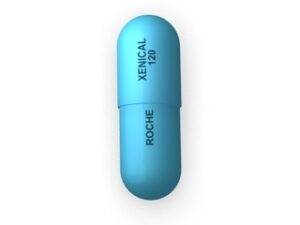
Orlistat (Weight Management Medicine) — Patient Guide (Australia)
Orlistat is a well-known weight management medicine used to help with weight loss by reducing how much dietary fat you absorb. It is commonly available in Australia as an over-the-counter product (often at a lower strength) or as a higher-strength prescription-only product in some settings. This guide explains how Orlistat works, how to take it safely and effectively, what to expect, and what to consider in relation to food, alcohol, and other medicines.
Always read the product label and consider speaking with a healthcare professional if you have questions—especially if you are pregnant, breastfeeding, have long-term medical conditions, or take regular medicines.
Basic Product Information
| Feature | What to know |
|---|---|
| Active ingredient | Orlistat |
| How it works | Blocks intestinal fat absorption by inhibiting digestive fat enzymes |
| How it’s taken | With meals containing fat (typically up to three times daily) |
| Common strengths available | Over-the-counter products often contain 60 mg; higher-strength options exist depending on availability |
| Key dietary point | Best results occur when you follow a calorie-controlled, balanced diet |
| Common side effects | Gastrointestinal effects related to unabsorbed fat (e.g., oily stools) |
How Orlistat Works (Mechanism of Action)
Orlistat works locally in the gastrointestinal (GI) tract. It inhibits enzymes called lipases, which are responsible for breaking down dietary triglycerides (fats) into absorbable forms.
- Enzyme inhibition: Orlistat blocks gastric and pancreatic lipases.
- Less fat absorption: Because fewer fats are broken down, more fat passes through the digestive system and is excreted.
- Calorie reduction: This can reduce total calorie intake from fat sources.
Importantly, Orlistat does not “burn” fat directly. Instead, it helps reduce the amount of fat and calories absorbed from meals, which can support weight loss when combined with lifestyle changes.
Pharmacokinetics (How the Body Handles Orlistat)
Understanding pharmacokinetics can help explain why Orlistat typically has limited effects on the rest of the body.
- Absorption: Orlistat is minimally absorbed from the gut into the bloodstream.
- Metabolism: Most of its activity occurs within the GI tract. The absorbed fraction is metabolised.
- Excretion: The majority of the drug and its metabolites are eliminated via faeces. A smaller proportion may be excreted via urine.
Because systemic absorption is low, many people experience side effects mainly in the digestive system rather than throughout the body. However, interactions with certain medications are still possible.
Typical Use in Weight Management
Orlistat is used to support weight loss and weight management in adults who are overweight and, in some circumstances, in those with higher body weight where clinician guidance may be relevant. It is designed to be used alongside:
- a reduced-calorie diet
- regular physical activity
- long-term healthy lifestyle habits
For many people, the goal is gradual weight loss over time, and the maintenance of healthier weight after initial loss. Results vary depending on food choices—especially how much fat is in meals.
Indications (When Orlistat Is Used)
Indications can vary depending on the product strength and how it is supplied in Australia. In general, Orlistat is used for:
- Weight loss support in overweight adults
- Weight management as part of a calorie-controlled diet and lifestyle program
- Weight maintenance support after weight loss for some people (depending on local product guidance)
If you are unsure which product strength is appropriate for your situation, check the label and consider discussing with a pharmacist.
Dosing and Timing
Follow the dosing directions on your specific Orlistat product label. Doses differ by strength (for example, 60 mg or higher), so it’s essential to use the correct product instructions.
General timing principles
- Take with meals: Orlistat should be taken
that contains fat. - Skip if no fat meal: If a meal contains little or no fat, you may not need to take it (depending on the product instructions).
- Maximum frequency: It is typically used
with main meals. - With food, not on an empty stomach: Taking it without eating may increase side effects without offering the intended fat-blocking effect.
Example routine (for illustration)
- Breakfast: take Orlistat with breakfast
- Lunch: take Orlistat with lunch
- Dinner: take Orlistat with dinner
If you miss a dose, do not take extra to “catch up.” Simply take your next dose with your next meal, as directed.
Food Interactions and Dietary Guidance
Orlistat’s effectiveness is strongly influenced by dietary fat intake.
How the type of food affects results
- Higher-fat meals: more fat is present, so you may see more fat excretion—and more GI side effects.
- Lower-fat meals: fewer digestive fat enzymes are working to absorb fat, so side effects are often milder.
Helpful dietary tips
- Choose a balanced, reduced-calorie diet rather than avoiding all foods.
- Spread your calories across the day to support sustainable eating habits.
- Increase fibre gradually (unless you have a medical reason to avoid it) to support digestive comfort and stool consistency.
- Be consistent: taking Orlistat regularly with meals is more effective than “as needed” use.
Fat-soluble vitamins (important)
Because Orlistat reduces fat absorption, it may also reduce absorption of some fat-soluble vitamins such as vitamins A, D, E, and K. For this reason, supplementation may be considered if you take Orlistat for longer periods—follow product guidance or consult a pharmacist.
- Consider a multivitamin that contains fat-soluble vitamins.
- Separate timing: Many people space vitamins away from Orlistat (for example, by several hours) to improve absorption—check your product instructions.
Alcohol and Orlistat Interactions
Orlistat is not a sedating medication, and there is no well-known direct “dangerous” interaction with alcohol in most people. However, alcohol can affect weight management efforts and can sometimes worsen digestive side effects.
- Digestive comfort: alcohol may irritate the stomach or worsen diarrhoea/urgency in some individuals.
- Calorie impact: alcoholic drinks can contribute significant calories that may undermine weight loss progress.
- Food choices: alcohol often comes with higher-fat or salty foods, increasing fat intake.
If you drink alcohol, consider keeping it occasional and moderate, and follow a balanced diet to reduce GI discomfort. If you notice worsening symptoms, reduce intake or speak with a pharmacist.
Medicine Interactions (Alcohol and Drug Interactions)
Even though Orlistat has limited systemic absorption, it can affect how your body absorbs certain medicines because fat and bile-dependent absorption pathways may be influenced.
Medicines that may interact
- Oral anticoagulants (blood thinners) (e.g., warfarin): may require closer monitoring. Changes in vitamin K absorption can affect clotting control.
- Thyroid hormone (levothyroxine): absorption may be reduced—separate dosing and seek professional advice.
- Certain fat-soluble supplements: vitamin levels may be affected; supplementation plans may need adjustment.
- Anti-seizure medicines and other medicines with fat-related absorption: discuss with a pharmacist if you take regular medications.
- Other weight-loss or fat-absorption related products: combining multiple products may increase GI side effects.
Practical strategies to reduce interaction risk
- Tell your pharmacist about all medicines, including supplements and herbal products.
- Check dosing intervals for vitamins and interacting medicines.
- Monitor symptoms and report unexpected changes, especially if you take medicines requiring regular monitoring (e.g., anticoagulants or thyroid medication).
This is a general overview. Specific interaction risk depends on your exact product strength, other medicines, and your individual health conditions.
Safety Profile: Common and Serious Side Effects
Like all medicines, Orlistat can cause side effects. Many are related to unabsorbed fat in the intestine and typically occur early after starting or after meals that are higher in fat.
Common side effects
- Oily spotting or increased oily discharge
- Gas and increased flatulence
- Urgency to go to the toilet
- Fatty or oily stools and changes in stool frequency
- Abdominal discomfort or cramping
These effects are more likely when meals contain more fat. They often improve as your body adjusts and as your diet becomes lower in fat.
Less common but important issues
- Allergic reactions (seek urgent help if swelling of face/lips, difficulty breathing, or widespread rash occurs)
- Severe or persistent diarrhoea (can lead to dehydration)
- Rectal discomfort or irritation
When to get medical help
Contact a healthcare professional promptly if you experience:
- severe abdominal pain
- significant ongoing diarrhoea or signs of dehydration
- blood in stools
- symptoms of an allergic reaction
Practical Use Tips for Better Tolerance and Results
Many people do better with Orlistat when they approach it with a “diet-first” mindset. Consider these practical strategies.
- Start with your meals: Take Orlistat only with main meals. Don’t take it between meals or on an empty stomach.
- Watch the fat content: If a meal is high in fat, side effects are more likely. Choose lower-fat options when possible.
- Gradually increase fibre: This may help stool consistency and digestive comfort.
- Consider planning: If side effects occur, you may want to take it with meals you eat at home first while you adjust.
- Maintain hydration: Drink water regularly, especially if you experience loose stools.
- Stay consistent: Skipping doses may reduce effectiveness.
- Don’t forget vitamins: If the product guidance recommends supplementation, follow it—especially for fat-soluble vitamins.
Alternative Options for Weight Management
Orlistat is one option for weight loss support. Alternatives may include lifestyle programs, dietary approaches, and other weight management medicines, depending on suitability and availability in Australia.
Non-medicine alternatives
- Structured diet and calorie reduction (e.g., Mediterranean-style or balanced portion control)
- Physical activity (aerobic exercise plus resistance training)
- Behavioural strategies (goal setting, mindful eating, sleep optimisation)
Other medicine options
Different medicines work through different mechanisms (for example, appetite regulation or other pathways). Availability and suitability vary, and some options may require clinician oversight depending on local product status.
If Orlistat doesn’t suit you due to side effects, interactions, or your health goals, ask a pharmacist about other evidence-based options.
Market and Legal Context for Australia
In Australia, access to weight management products depends on their registration status, strength, and how they are supplied. Some Orlistat-containing products may be available without a prescription in specific strengths, while higher-strength formulations may be supplied differently. Product availability can change over time as regulatory authorities review safety and usage information.
When buying Orlistat online, ensure:
- the product is legitimate and sourced from a reputable pharmacy
- you check the active ingredient and strength
- the label includes clear dosage instructions and warnings
- you follow the exact directions for your specific product
Recent Guidance and Ongoing Considerations
Weight management guidance in Australia continues to emphasise:
- sustainable lifestyle change (diet, activity, and behaviour)
- ongoing monitoring for effectiveness and side effects
- nutritional adequacy, including attention to vitamin intake when using fat-absorption–affecting medicines
Product-specific consumer information may also be updated by manufacturers. For the most current guidance, always check the leaflet included with your medicine and the instructions on the pack.
Delivery and Availability (Online Pharmacy)
Orlistat products are commonly available from online pharmacies in Australia, subject to stock and eligibility rules. Delivery time depends on your location and the courier service used.
- Availability: Usually depends on stock levels and the specific strength/brand.
- Delivery: Typical timeframes vary by region; check estimated delivery options at checkout.
- Packaging: Dispatched securely in manufacturer or pharmacy packaging.
- Temperature/storage: Store as directed on the label (usually in a cool, dry place).
If you have any concerns about choosing the correct strength or whether the product is suitable for you, contact your pharmacist before ordering.
FAQ: Orlistat (Common Questions)
1) Does Orlistat work immediately?
Orlistat begins working when you take it with meals because it inhibits fat digestion in the gut. However, noticeable weight change typically takes weeks and depends on overall calorie intake, dietary fat content, and adherence to lifestyle changes.
2) Will Orlistat cause oily stools?
Some people experience oily or fatty stools, especially after higher-fat meals. This is often a sign that fat is not being absorbed as much. Choosing lower-fat meals may reduce this side effect.
3) Can I take Orlistat with any meal?
Take Orlistat with your main meals that contain fat, as directed by the product label. Avoid taking it on an empty stomach or with snacks unless the label specifically instructs otherwise.
4) Should I stop if I get side effects?
Mild GI effects are common at first. If side effects are bothersome, review your meal fat intake and ensure you’re taking the dose correctly. If symptoms are severe, persistent, or include blood in stools or severe pain, stop and speak with a healthcare professional promptly.
5) Can I take vitamins while using Orlistat?
Orlistat may reduce absorption of fat-soluble vitamins. Many product instructions recommend taking a multivitamin supplement. Use the recommended product and separate it from Orlistat dosing as advised on the label or by your pharmacist.
6) Is it safe to drink alcohol?
Moderate alcohol is not usually associated with a direct dangerous interaction, but alcohol can worsen digestive symptoms and adds calories. If you choose to drink, keep it moderate and monitor how you feel.
7) Can Orlistat interact with my other medications?
Yes, interactions can occur. Blood thinners (e.g., warfarin), thyroid medication (levothyroxine), and some other medicines may be affected. Tell your pharmacist about all medicines and supplements to check timing and suitability.
8) How long should I use Orlistat?
Use Orlistat as directed on the product label and in line with your weight management plan. If you’re not seeing progress after an appropriate period (as suggested by your pharmacist or the product guidance), review the plan and consider alternative options.
9) What if I miss a dose?
If you miss a dose, take it with the next meal if it’s still within the dosing schedule. Do not take extra to make up for missed doses.
10) Who should be extra careful?
Extra caution is advised if you have malabsorption conditions, chronic digestive disorders, liver or kidney conditions, are pregnant or breastfeeding, or take regular medicines—especially those requiring careful monitoring. Speak to a pharmacist for personalised advice.
Summary
Orlistat is a fat-absorption–reducing medicine that supports weight loss when combined with a calorie-controlled diet and regular physical activity. It acts in the digestive tract by inhibiting enzymes that break down dietary fat. Because it can affect absorption of fat-soluble vitamins and may cause GI side effects, it’s important to:
- take it with appropriate meals (not on an empty stomach)
- aim for a lower-fat, balanced eating pattern
- consider vitamin supplementation if recommended
- check interactions with other medicines (especially anticoagulants and thyroid medication)
- seek medical help if you experience severe or concerning symptoms
If you’d like, tell me the Orlistat product strength you’re considering (e.g., 60 mg) and what other medicines or supplements you take, and I can help you plan a safe, practical routine based on the label instructions.