

Voltarol (Diclofenac) — Patient Information (Australia)
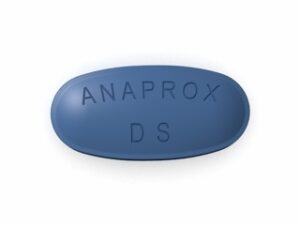
Voltarol is a brand of diclofenac, a medicine used to relieve pain and inflammation. It is available in several forms in Australia (for example, tablets/capsules and topical gels/creams, depending on the product). This guide is designed to help you understand how Voltarol works, when it may help, how to use it safely, and what to consider with food, alcohol, and other medicines.
Always read the product label and the consumer medicine information (CMI) that comes with your specific Voltarol product, as strengths and instructions may differ between formulations.
Key product information
| Feature | What it means for you |
|---|---|
| Active ingredient | Diclofenac (NSAID: non-steroidal anti-inflammatory drug) |
| What it helps | Pain relief and reduction of inflammation (swelling, redness, stiffness) |
| Common forms | Oral tablets/capsules and topical gels/creams (availability depends on the exact product) |
| How fast it can work | Topical products may help within hours; oral products often start acting within 30–60 minutes (varies by person and formulation) |
| Main safety considerations | Risk to stomach, kidneys, and cardiovascular system; interactions with other medicines; skin reactions for topical forms |
| Alcohol | Can increase the risk of stomach bleeding/irritation and worsen side effects |
How Voltarol (diclofenac) works (mechanism of action)
Diclofenac belongs to a group of medicines called NSAIDs. NSAIDs reduce pain and inflammation by blocking enzymes called COX-1 and COX-2 (cyclo-oxygenase). These enzymes help your body produce prostaglandins, chemical messengers involved in pain, fever, and inflammation.
- Lower prostaglandins → reduced pain sensitivity and less inflammation.
- Less inflammation → reduced swelling and stiffness, especially around joints.
- Analgesic (pain-relieving) effect → helps with both inflammatory and some non-inflammatory pain.
Pharmacokinetics (how the body handles diclofenac)
Pharmacokinetics describes absorption, distribution, metabolism, and elimination. Exact values vary between formulations (oral vs topical) and individual factors (age, kidney/liver function, other medicines).
Oral diclofenac
- Absorption: Diclofenac is absorbed from the gut. Peak blood levels typically occur within a period that depends on the formulation (immediate-release vs modified release).
- Distribution: It binds to plasma proteins and spreads into tissues, including inflamed areas.
- Metabolism: Mainly processed by the liver (metabolism).
- Elimination: Cleared from the body through both metabolism and excretion, largely via the kidneys.
Topical diclofenac (gel/cream)
- Local action: Intended to work mainly at the application site (e.g., painful joints such as hands or knees).
- Lower systemic exposure: Less diclofenac may reach the bloodstream compared with oral use, but some absorption can still occur.
- Skin matters: Broken or irritated skin may increase absorption.
Typical uses and indications
Voltarol (diclofenac) is used to relieve pain and inflammation associated with conditions such as:
- Osteoarthritis (joint pain and stiffness, often in knees/hands)
- Rheumatoid arthritis and other inflammatory joint conditions (depending on formulation and strength)
- Musculoskeletal pain (e.g., back pain, sprains, strains, sports injuries)
- Soft tissue injuries with inflammation
- Localized joint pain where a topical product may be suitable
Important: Your exact indication depends on the specific Voltarol product you choose (tablet/capsule vs gel/cream). Always check the CMI for approved uses of that product.
When to take it (timing) and how long it takes to help
Oral formulations
- Start: Many people notice relief within 30–60 minutes after taking oral diclofenac (individual response varies).
- Regular use: If you’re using it for recurring symptoms, dosing is typically scheduled (e.g., once or multiple times per day) according to the label.
- Shortest time: Use the lowest effective dose for the shortest possible duration needed to control symptoms.
Topical formulations
- Application: Usually applied to clean, dry skin over the painful area.
- Onset: Pain relief may begin within hours; consistent application as directed can be important for best results.
- Frequency: Follow the product directions regarding how often to apply.
If symptoms worsen or do not improve after the recommended period, seek medical advice.
Dose guidance (typical dosing patterns)
Always follow the instructions on your specific product label/CMI. Dosing differs by formulation (e.g., immediate-release vs prolonged/modified release) and by the condition being treated.
General principles
- Use the lowest effective dose.
- Avoid taking more than the recommended dose or using it more frequently than directed.
- Do not combine multiple diclofenac products (for example, oral diclofenac plus topical diclofenac) unless advised by a clinician, because this increases total diclofenac exposure.
Common dosing approach (general, label-dependent)
- Oral: Often taken 1–3 times daily depending on the formulation and strength.
- Topical: Applied in a thin layer to the affected area at intervals specified on the product label.
Children and adolescents: Availability and dosing rules depend on the product and age. Check the label and consult a pharmacist for the correct option and instructions.
Food interactions (what to know before you eat)
Oral diclofenac may cause stomach irritation in some people. Food can affect how quickly it is absorbed and how likely you are to experience gastric side effects.
- Take with food or after food: This may reduce the chance of nausea, indigestion, or stomach discomfort.
- Follow formulation directions: Some products (e.g., enteric-coated or modified-release) have specific instructions about swallowing intact.
- Do not crush or open modified-release forms unless the label explicitly allows it.
Topical diclofenac has minimal food interaction because it is mainly absorbed through the skin.
Alcohol interactions (safety considerations)
Combining diclofenac with alcohol can increase the risk of:
- Stomach irritation and gastritis
- Stomach or intestinal bleeding
- Some side effects such as dizziness or drowsiness (depending on your overall sensitivity and other medicines)
Practical advice: If you drink alcohol, consider avoiding or limiting it while taking Voltarol, particularly if you have a history of stomach ulcers or bleeding.
Medicine interactions (including OTC medicines and supplements)
Diclofenac can interact with other medicines. This can change effectiveness or increase the risk of side effects. Tell your pharmacist about everything you use, including:
- Other painkillers
- Medicines for blood pressure or heart conditions
- Blood thinners (anticoagulants)
- Diuretics (“water tablets”)
- Steroids (e.g., prednisone)
- Some antidepressants (e.g., SSRIs) that can affect bleeding risk
- Herbal products (such as St John’s wort) or supplements
Common interaction themes
- Other NSAIDs (e.g., ibuprofen, naproxen, aspirin for pain): Increased risk of stomach bleeding and kidney effects. Avoid unless specifically directed.
- Anticoagulants/antiplatelets (e.g., warfarin, clopidogrel, low-dose aspirin): Higher bleeding risk.
- Blood pressure medicines (ACE inhibitors, ARBs, and certain diuretics): Can affect kidney function, especially in older adults or those who are dehydrated.
- Diuretics: Risk of kidney issues may increase when combined with NSAIDs.
- Corticosteroids: Higher risk of stomach irritation/ulcers.
- Selective serotonin reuptake inhibitors (SSRIs)/SNRIs: May increase gastrointestinal bleeding risk.
- Lithium and methotrexate: Diclofenac may raise levels of these medicines (dose adjustments and monitoring may be required).
- Some diabetes or other chronic medicines: NSAIDs can affect kidney-related clearance and may influence blood results for some therapies.
If you are unsure whether your medicines interact with diclofenac, ask a pharmacist before using Voltarol.
Safety profile: who should use caution and when to seek help
Like all NSAIDs, diclofenac can cause side effects. Some are mild and manageable, while others may be serious. The safest approach is to use it only as directed and reassess if you need it for longer than recommended.
Common side effects
- Stomach symptoms: indigestion, heartburn, nausea
- Dizziness or headache (varies by individual)
- Fluid retention in some people (more relevant with oral use)
Topical-specific skin reactions
- Redness, itching, dryness, or rash at application sites
- Photosensitivity (increased sensitivity to sunlight) may occur—protect treated skin from sun and follow label guidance
- Avoid use on broken skin
Serious warning signs (stop and seek urgent advice)
Get urgent medical help if you experience any of the following:
- Signs of stomach or bowel bleeding: black/tarry stools, vomiting blood or material that looks like coffee grounds, severe or persistent stomach pain
- Allergic reaction: swelling of face/lips, difficulty breathing, wheezing, hives
- Chest pain, shortness of breath, or sudden weakness (possible cardiovascular warning signs)
- Severe skin reactions (rare but serious): blistering, peeling, painful rash
- Signs of kidney problems: reduced urination, unusual swelling in legs/feet, severe fatigue
- Yellowing of skin/eyes or dark urine (possible liver effects)
Who should use caution
Talk to a pharmacist before using Voltarol if you have (or have had):
- A history of stomach ulcers or gastrointestinal bleeding
- Known heart disease, prior stroke, or significant cardiovascular risk
- Kidney disease, dehydration, or conditions affecting kidney function
- Asthma that is sensitive to aspirin or NSAIDs
- Liver disease
- Pregnancy (especially later pregnancy—see label guidance)
Practical use tips (how to get the best benefit safely)
Oral diclofenac
- Take with food if your stomach is sensitive.
- Stay hydrated, especially if you’re unwell or taking other medicines that affect fluid balance.
- Follow the dosing schedule and avoid “doubling up” if a dose is missed—use the label guidance for missed doses.
- Don’t combine NSAIDs: avoid adding ibuprofen or naproxen on top unless advised.
Topical diclofenac
- Apply to the affected area only and use the amount recommended on the label.
- Wash your hands after application (unless the hands are being treated).
- Do not cover with airtight dressings unless directed—this can increase absorption.
- Avoid heat (e.g., heating pads) over the treated area unless instructed, as it may increase absorption.
- Sun protection: cover treated areas and avoid tanning/UV exposure.
When to reassess
- If pain persists beyond the period suggested on the label, consider checking in with a healthcare professional.
- Seek advice sooner if you have red-flag symptoms (bleeding, severe abdominal pain, allergic reactions, chest pain, or breathing issues).
Alternative options (depending on your pain type)
If Voltarol isn’t suitable, alternatives may include:
Non-NSAID pain relief
- Paracetamol (acetaminophen): Helpful for pain relief and generally gentler on the stomach (but follow maximum daily dose limits).
- Topical analgesics not containing NSAIDs (depending on product availability).
Other NSAIDs
Other NSAIDs (e.g., ibuprofen or naproxen) may be options for some people, but they share similar risks with diclofenac. Avoid using multiple NSAIDs together.
Non-medicine approaches
- Physiotherapy/exercise for joint and back pain
- Heat or cold therapy depending on injury type (cold for acute swelling, heat for stiffness)
- Support/rehabilitation (e.g., braces, footwear changes)
Your pharmacist can help you choose the most appropriate option based on the type of pain, your age, and your medical history.
Australia market & legal context (consumer information)
In Australia, NSAIDs like diclofenac are regulated medicines. The exact supply arrangements (e.g., over-the-counter vs pharmacist-only vs prescription-only) depend on the formulation and strength. Product labels and the consumer medicine information (CMI) provide essential details about permitted uses, dosing, warnings, and who should avoid the medicine.
Online purchases should provide clear information about the specific product, strength, directions for use, and safety warnings. Reliable sellers also include transparent shipping and return policies.
Recent guidance and risk awareness: Australian and international medicines regulators have continued to emphasise NSAID safety—particularly around stomach bleeding, kidney risk, and cardiovascular risk with higher doses or longer use. Guidance often highlights:
- Using the lowest effective dose for the shortest time.
- Being careful in people at higher risk of bleeding, heart disease, or kidney issues.
- Not combining NSAIDs unless advised.
Delivery and availability (online pharmacy)
Availability varies by stock and by the exact Voltarol formulation (oral vs topical) and strength. When ordering online in Australia, check:
- Product name and strength: ensure you have the right diclofenac form.
- Dosage form: tablets/capsules vs gel/cream.
- Expiry date: products should be in-date.
- Delivery times to your postcode and any service limitations (e.g., delivery days).
- Storage requirements: some topical products may have specific temperature guidance.
For medicines, packaging and documentation may be required at the point of supply. Your online order may be followed by confirmation steps, depending on local processes and product status.
FAQ — Frequently asked questions
1) What is Voltarol used for?
Voltarol (diclofenac) is used for pain relief and reduced inflammation, such as in certain joint conditions (like osteoarthritis) and musculoskeletal injuries. The exact approved uses depend on the specific product and formulation.
2) How quickly does diclofenac work?
Many people notice improvement within 30–60 minutes with oral products. Topical diclofenac often starts helping within hours. However, response varies—consistent use as directed can be important.
3) Can I take Voltarol with food?
For oral diclofenac, taking it with food or after food may reduce stomach upset. Follow the label instructions for your specific product.
4) Can I drink alcohol while using Voltarol?
It’s best to avoid or limit alcohol while using diclofenac, because alcohol can increase the risk of stomach irritation and bleeding.
5) Can I use Voltarol together with other painkillers?
Be cautious. Avoid using other NSAIDs (like ibuprofen or naproxen) at the same time unless advised. Paracetamol may be an alternative for some people, but it depends on your situation and product guidance—ask a pharmacist if unsure.
6) What should I do if I miss a dose?
Check the product label/CMI for missed-dose advice. In general, do not take extra doses to make up for a missed one.
7) Are there differences between oral and topical Voltarol?
Yes. Oral diclofenac affects the whole body more strongly and carries systemic risks (stomach, kidneys, cardiovascular). Topical diclofenac mainly targets the area applied and may have lower systemic exposure, but skin reactions can occur.
8) Can I apply topical diclofenac to broken skin?
No. Apply only to clean, intact skin. Broken or irritated skin can increase absorption and irritation.
9) Who should not use diclofenac or should seek advice first?
People with a history of stomach ulcers/bleeding, significant heart disease, kidney disease, NSAID-sensitive asthma, or liver disease should discuss suitability with a pharmacist before use. Follow product label guidance regarding age and pregnancy.
10) What are the warning signs that I should stop and seek help?
Seek urgent help for signs of allergic reaction, stomach or bowel bleeding (black stools, vomiting blood), chest pain, breathing difficulties, severe rash/blistering, severe abdominal pain, or signs of kidney problems.
Important final notes
Voltarol (diclofenac) can be effective for pain and inflammation when used correctly. Always:
- Use the lowest effective dose for the shortest time.
- Read the consumer medicine information for your exact product.
- Check for interactions with your current medicines (including OTC products).
- Stop and seek advice if you experience serious side effects.
If you’re unsure which Voltarol product and strength is appropriate for your symptoms, a pharmacist can help you choose the safest option.