Vitamin C (Ascorbic Acid) — Patient Guide
Vitamin C, also known as ascorbic acid, is an essential nutrient your body uses for a range of functions, including supporting the immune system and helping form collagen (important for skin, blood vessels, gums and bones). Vitamin C is found naturally in many foods (especially fruits and vegetables), but supplements can help you meet your daily needs when diet is insufficient or during times when requirements may be higher.
This page provides patient-friendly information about Vitamin C—how it works, how your body handles it, typical uses, dosing guidance, interactions (including with alcohol and medicines), safety, and practical tips—tailored for shoppers in Australia.
Basic product information
- Active ingredient: Vitamin C (Ascorbic Acid)
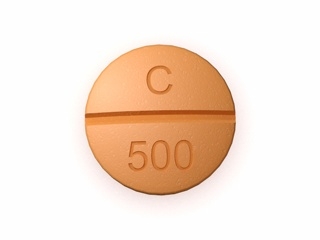
- Common forms: Tablets, capsules, chewable tablets, effervescent tablets, powders, and drops
- Typical strengths: 50 mg, 100 mg, 250 mg, 500 mg, 1000 mg (varies by brand)
- Medicinal purpose: Nutritional supplement / vitamin replacement
Note: Product strengths and ingredients (such as flavourings, sweeteners, or additional vitamins/minerals) vary by brand. Always check the label for exact content and instructions.
How Vitamin C works (mechanism of action)
Vitamin C is a water-soluble vitamin. In your body, it acts as an antioxidant and supports key biochemical processes. Major roles include:
- Collagen production: Vitamin C is required for enzymes that build collagen, helping maintain connective tissues such as skin, tendons, ligaments, gums and blood vessels.
- Immune support: Vitamin C contributes to normal immune function and helps protect cells from oxidative stress. It may help reduce duration of colds for some people, but it is not a cure.
- Iron absorption: Vitamin C improves absorption of non-haem iron from plant foods (e.g., beans, lentils, leafy greens). This can be helpful if your diet contains limited animal sources of iron.
- Regeneration of other antioxidants: Vitamin C helps recycle other antioxidants within cells.
Pharmacokinetics (how the body handles it)
Vitamin C is absorbed mainly in the small intestine. Absorption efficiency can vary between people and may be higher when taken on a lower dose. Because Vitamin C is water-soluble and not stored in large amounts, the body generally maintains levels by regular intake.
- Absorption: Dose-dependent; at higher doses, absorption may decrease.
- Distribution: Vitamin C distributes to tissues including white blood cells; levels can be influenced by diet and overall body stores.
- Metabolism: Vitamin C is metabolised to inactive compounds (including oxalate).
- Excretion: Excess Vitamin C is largely eliminated through the kidneys in urine.
Practical implication: Taking Vitamin C daily can help maintain adequate stores, while very high doses may not “stay” as long and may increase urinary excretion.
Typical use and indications
Vitamin C supplements are commonly used to:
- Prevent or treat Vitamin C deficiency (for example, in people with limited dietary intake).
- Support overall wellness, including antioxidant protection.
- Support immune function and normal body defences.
- Assist iron absorption when dietary iron intake is limited (especially non-haem iron).
- Support collagen formation for healthy skin, gums and connective tissue.
In general, Vitamin C supplements are considered safe for most adults when used at recommended doses. People with specific medical conditions (such as kidney disease or a history of kidney stones) should take extra care (see “Safety profile”).
When to take Vitamin C (timing)
The best timing depends on your routine and how your body responds. For most people, Vitamin C can be taken:
- Any time of day with water, according to the label directions.
- With or after food if it causes stomach upset.
- With iron-containing meals or alongside non-haem iron foods if your goal is to improve absorption.
- In divided doses if taking higher amounts (for example, splitting a larger daily dose into morning and evening). This can help reduce gastrointestinal discomfort for some people.
If you are taking other vitamins or minerals, consider spacing out supplements if labels advise it (some minerals can interact and reduce absorption).
Food interactions (what to know)
Vitamin C interacts with food mainly through absorption and tolerance. Key points:
- With meals: Taking Vitamin C with food may reduce the chance of nausea or stomach cramps.
- Enhances iron absorption: When taken with plant-based meals, Vitamin C can increase non-haem iron absorption.
- Fresh vs cooked foods: Vitamin C in foods can be reduced by heat and storage. Supplements can help compensate for lower intake.
- Effervescent products: These may contain acidity and sodium depending on brand; check the label if you are managing sodium intake.
Alcohol interactions
Alcohol can contribute to nutritional depletion and may increase oxidative stress in the body. While Vitamin C does not have a direct “interaction” with alcohol in the way some medicines do, practical considerations include:
- Higher intake needs: Heavy or frequent alcohol consumption may lower Vitamin C levels.
- Stomach sensitivity: Both alcohol and Vitamin C may irritate the stomach for some people. If you notice discomfort, take Vitamin C with food and avoid very high doses.
If you consume alcohol frequently or in large quantities, consider discussing nutrition and supplementation with a healthcare professional.
Interactions with medicines (including common examples)
Vitamin C is widely used, and many people take it alongside other products without problems. However, interactions can occur, especially at higher doses. Below are important examples to discuss with your pharmacist or healthcare professional.
Potential interactions
- Iron supplements: Vitamin C may increase iron absorption. This is often beneficial if iron intake is low, but may require caution in individuals at risk of excess iron.
- Medicines affecting kidney function: People with kidney impairment should be cautious with high doses because Vitamin C is metabolised to oxalate (which is excreted in urine).
- Urine test interference: High-dose Vitamin C can interfere with certain urine/blood tests that detect glucose or blood in urine, potentially causing false results. Always mention Vitamin C use before laboratory tests.
General advice
- Follow the dosage on the label unless a healthcare professional advises otherwise.
- If you take multiple medicines, review the labels and speak with your pharmacist if you are unsure.
- Consider keeping your supplement list (including dose and form) to share with clinicians.
Dosing guidance (adults)
Dosing depends on your age, diet, and reason for taking Vitamin C. In Australia, supplement labels typically provide a recommended daily dose and sometimes guidance for “benefits such as immune support.”
The following table provides typical dosing ranges you may see on Australian pharmacy shelves. Always use your product label as the most accurate guide for that specific brand.
| Goal / situation | Typical adult supplement dose | Common timing | Notes |
|---|---|---|---|
| General dietary support / wellness | 50–200 mg daily | Once daily with food or water | Often adequate if your diet includes fruits/vegetables. |
| Immune support during winter or stressful periods | 200–500 mg daily | Once daily (or split dose if sensitive) | May help support normal immune function. |
| Assisting non-haem iron absorption | 50–200 mg with iron-containing meals | With meals containing plant-based iron | Pairs well with meals that include legumes, spinach, or fortified foods. |
| Higher-dose short-term use | 500–1000 mg daily (label-dependent) | Often split (e.g., morning/evening) | Some people experience stomach upset; consider lower doses if needed. |
| People with higher risk of deficiency | Depends on individual needs | Per advice on label or clinician guidance | Consider discussing with a healthcare professional. |
Children: Dosing for children must be determined by age and the product label. If you are buying Vitamin C for a child, check the label’s age recommendations and consider seeking pharmacy advice if your child is under 12 or has special health needs.
Safety profile and side effects
Vitamin C is generally well tolerated at typical supplement doses. Because it is water-soluble, excess amounts are usually excreted in urine. However, higher doses can increase the likelihood of side effects in some people.
Common side effects
- Stomach upset (nausea, bloating)
- Diarrhoea or loose stools
- Abdominal cramps
- Heartburn (more likely with acidic forms or higher doses)
When to seek advice
- If you develop persistent diarrhoea or significant stomach pain.
- If you have a history of kidney stones or kidney disease.
- If you are pregnant or breastfeeding and plan to use higher doses regularly.
- If you are taking multiple supplements and are unsure about total Vitamin C intake.
Kidney stone risk (important)
Vitamin C can be metabolised to oxalate. In susceptible individuals, high Vitamin C intake may increase urinary oxalate levels. If you have a history of kidney stones, or kidney impairment, ask a pharmacist or clinician for advice before taking higher-dose Vitamin C.
Practical use tips
- Start low if you’re sensitive: If you’ve never taken Vitamin C supplements before, begin with a smaller dose.
- Take with food if needed: Reduces the risk of stomach upset.
- Stay hydrated: Drinking sufficient water supports normal kidney function.
- Consider your total intake: Count Vitamin C from both supplements and foods (including “multivitamins”).
- Choose the form you tolerate: Some people find effervescent tablets more irritating; tablets or capsules may feel easier.
- Don’t rely on Vitamin C alone: For immune health, combine supplementation with good sleep, nutrition, regular movement, and vaccination where appropriate.
Alternative options
Depending on your goals, you may consider alternative ways to increase Vitamin C or similar supportive nutrients:
- Dietary Vitamin C: Citrus fruit (oranges, mandarins), kiwi fruit, berries, capsicum, broccoli, tomatoes, and leafy greens.
- Multivitamins: Useful if you want a broad nutrient profile, but check that the Vitamin C dose meets your needs.
- Other formulations: Buffered Vitamin C or gentler formulations may be suitable for those with sensitive stomachs (availability varies by brand).
- Iron plus Vitamin C products: If your primary need is iron absorption, some products combine both nutrients.
If you are choosing between brands, compare the mg of Vitamin C per serving and any additional ingredients (such as sodium, sweeteners, or added minerals).
Market and legal context for Australia
In Australia, Vitamin C is generally available as an over-the-counter supplement. When products are sold as complementary or nutritional supplements, they must comply with Australian regulatory requirements. Labels typically include the amount of Vitamin C per recommended daily dose and may include permitted statements related to general nutrition and health.
The specific regulatory pathway and permitted claims can vary by product type and brand. If a product includes therapeutic claims or indications beyond standard nutrition, it may be regulated differently. For most everyday Vitamin C products, claims are commonly limited to supporting normal immune function or addressing deficiency risk.
Recent guidance and practical expectations
Current public health messaging generally supports:
- Getting nutrients from food first where possible.
- Using supplements to correct or prevent deficiency and to support general wellness when intake is low.
- Realistic expectations: Vitamin C supports normal body functions, but it does not replace medical care for serious illness.
For respiratory infections like the common cold, some evidence suggests Vitamin C may modestly reduce duration of symptoms in certain people, especially with regular use. However, results vary and Vitamin C is not an immediate “antibiotic” or cure.
Delivery and availability in Australia
Vitamin C (ascorbic acid) is widely available from Australian pharmacies and online retailers. Typical availability includes a range of strengths and formulations, such as:
- Tablets and capsules (daily dosing)
- Chewable options (often flavoured)
- Effervescent tablets (dissolve in water)
- Powders and drops (dose flexibility)
Delivery options vary by retailer. When purchasing online, you can usually choose standard or express delivery. To avoid delays, ensure your delivery address and contact details are correct and keep an eye on tracking notifications once your order is dispatched.
Frequently Asked Questions (FAQ)
1) Is Vitamin C the same as ascorbic acid?
Yes. Ascorbic acid is the chemical name for Vitamin C. Most supplements that say Vitamin C are providing ascorbic acid, though some products may use different forms (check the label).
2) How long does it take for Vitamin C to work?
Vitamin C is absorbed fairly quickly. However, the benefits—such as supporting collagen formation and immune function—depend on maintaining adequate levels over time. For immune support, regular use is generally more practical than one-off doses.
3) Can I take Vitamin C every day?
For most adults, taking Vitamin C daily within the label’s recommended dose is generally appropriate for nutritional support. If you are taking a multivitamin or other supplements, check the total Vitamin C amount to avoid very high combined intake.
4) What if I forget a dose?
If you miss a dose, take it when you remember unless it is close to your next dose. If it’s nearly time for your next dose, skip the missed one. Do not double up.
5) Will Vitamin C prevent colds?
Vitamin C may support normal immune function, and some studies suggest regular Vitamin C intake may reduce the duration of cold symptoms for some people. It is not guaranteed and does not replace other preventive measures such as good hygiene, adequate sleep and staying up to date with recommended vaccinations.
6) Are effervescent tablets safe?
Effervescent Vitamin C products can be safe for most people when used as directed. However, they may contain acidity and possibly sodium, so check the label—especially if you have sodium restrictions or sensitive stomachs.
7) Can Vitamin C change the results of blood or urine tests?
High doses of Vitamin C can affect certain lab tests, including those that detect glucose or blood in urine. If you are scheduled for testing, inform the clinician or laboratory about your Vitamin C supplement use.
8) Is Vitamin C safe for people with kidney stones?
People with a history of kidney stones—or kidney impairment—should be cautious, particularly with high-dose Vitamin C. Speak with a pharmacist or healthcare professional for personalised advice.
9) Does Vitamin C interact with iron?
Vitamin C can increase the absorption of non-haem iron, which is often helpful. If you take iron supplements, you can generally pair them with Vitamin C (as directed on the product labels). If you have medical conditions related to iron balance, seek advice.
10) Can I take Vitamin C with alcohol?
There is no common direct “incompatibility,” but alcohol may irritate the stomach and can contribute to nutritional depletion. If you notice stomach upset, consider taking Vitamin C with food and avoiding high doses.
Summary
Vitamin C (ascorbic acid) supports collagen formation, acts as an antioxidant, contributes to immune function, and improves absorption of non-haem iron. Most adults can use Vitamin C safely within the recommended daily dose. If you have kidney problems, a history of kidney stones, or you take multiple medicines and supplements, consider speaking with a pharmacist to ensure the dose and form are appropriate for you.