

Azulfidine (Sulfasalazine) – Patient Information (Australia)
Azulfidine is a medicine containing sulfasalazine. It is used to reduce inflammation and help control certain autoimmune conditions, especially inflammatory bowel disease and some types of arthritis. Many people take sulfasalazine for months or longer, even when symptoms improve, as it can help prevent flare-ups.
This page provides patient-friendly information about how Azulfidine works, how it’s typically taken, what to expect, and important safety considerations. Always follow the instructions provided by your healthcare professional and the medicine label.
At a glance
- Active ingredient: Sulfasalazine
- Uses: Ulcerative colitis, Crohn’s disease (selected cases), rheumatoid arthritis, and related inflammatory arthritis
- How it works: Converted in the gut to active anti-inflammatory components
- Common side effects: Nausea, headache, stomach upset, reduced appetite
- Monitoring: Blood tests may be required (e.g., full blood count, liver function)
- Availability in Australia: Widely prescribed; brands and strengths vary
Basic product information
| Category | Information |
|---|---|
| Medicine name | Azulfidine (Sulfasalazine) |
| Active ingredient | Sulfasalazine |
| Medicine type | A disease-modifying anti-inflammatory medicine (DMARD) and anti-inflammatory agent |
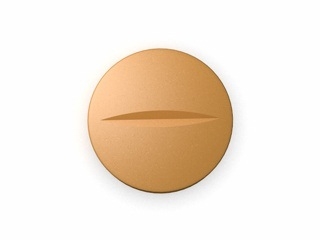
| Common forms | Tablets (brand formulations may vary by strength) |
| Who it may suit | Adults and some children, depending on the condition and clinician guidance |
| Prescription status | In Australia, sulfasalazine is generally a medicines requiring prescription to ensure appropriate monitoring |
Note: Exact tablet strengths, dosing schedules, and brand-specific instructions can differ. Your pharmacist can confirm the strength and instructions for your exact product.
How Azulfidine works (mechanism of action)
Sulfasalazine is a “prodrug” — it is not fully active in the form you swallow. After you take it, bacteria in the intestine break it down into two main components: sulfapyridine and 5-aminosalicylic acid (5-ASA; mesalazine).
These breakdown products contribute to anti-inflammatory effects, including:
- Reducing inflammatory signalling in the gut and joints
- Modifying immune responses that drive chronic inflammation
- Local action in the bowel from 5-ASA (especially relevant in ulcerative colitis)
- Systemic anti-inflammatory effect that can help certain joint conditions
Because it affects the underlying inflammatory process, improvements may take time, and consistent daily use is important.
Pharmacokinetics (what the body does with it)
Understanding how sulfasalazine behaves can help explain why it can take time to work and why monitoring is important.
Absorption and conversion in the gut
- Limited absorption in the upper gastrointestinal tract: Sulfasalazine largely reaches the lower gut where bacterial enzymes split it.
- Breakdown to active components: Sulfapyridine and 5-ASA are produced and can be partially absorbed.
Distribution and metabolism
- Sulfapyridine absorption: This component is absorbed and metabolised in the body.
- Protein binding and distribution: Like many medicines, components may bind to proteins and distribute to tissues.
Elimination
- Excretion mainly via kidneys: Metabolites are cleared in part by urine.
- Regular monitoring: Because clearance involves organs and blood counts can be affected, clinicians may check blood and liver tests.
Factors that can influence levels include kidney and liver function, other medicines, and individual gut bacterial activity.
Typical uses and indications
Azulfidine (sulfasalazine) is used for inflammatory conditions where reducing immune-driven inflammation is beneficial. Common indications include:
- Ulcerative colitis: To treat mild to moderate active disease and help maintain remission in some patients.
- Rheumatoid arthritis: Often as a DMARD to reduce symptoms and slow disease progression in selected cases.
- Other inflammatory bowel conditions: In some cases, it may be used in Crohn’s disease depending on the site and severity (typically clinician-directed).
- Related arthritis conditions: Including certain seronegative inflammatory arthropathies, based on clinical assessment.
Your treatment plan is tailored to your diagnosis, symptom severity, and past medication response.
When it starts working (timing)
The onset of benefit can vary depending on the condition:
- Inflammatory bowel disease: Some people notice improvement within weeks, while others may take longer.
- Arthritis (rheumatoid and related): Symptom improvement often takes weeks to months because disease-modifying effects develop gradually.
If you do not feel better quickly, do not stop the medicine abruptly unless you’re advised to do so. Contact your healthcare professional to discuss progress and any side effects.
How to take Azulfidine (dosing)
Dosing depends on the condition, severity, body weight (in children), and tolerability. Dosing schedules are commonly divided into multiple daily doses. Your healthcare professional will provide specific instructions.
General dosing principles
- Start low and increase: Many regimens begin with a lower dose to improve tolerance, then gradually increase.
- Split dosing: Taking doses in the morning and evening can improve comfort and reduce stomach upset.
- Take consistently: Try to take it at the same times each day.
Missed dose
- If you miss a dose, take it when you remember unless it is close to the time of the next dose.
- Do not take double doses to make up for a missed tablet.
- If you’re unsure, ask your pharmacist.
Important: If you experience serious adverse effects, contact your doctor promptly and seek medical advice. Early recognition matters.
Food interactions and taking with meals
Sulfasalazine can cause stomach upset in some people. Taking it with food can help reduce nausea or gastrointestinal discomfort.
Practical advice
- Take with meals if you get nausea: Many patients find meals make side effects less noticeable.
- Stay consistent: If you usually take it with food, keep the same routine.
- Hydration: Drink plenty of fluids unless you have been advised to restrict fluids.
Food does not eliminate the need for monitoring or medical review, but it may improve tolerability.
Alcohol and medicine interactions
Alcohol can affect the liver and overall health. While there isn’t a single universal “never drink” rule for everyone on sulfasalazine, caution is sensible due to:
- Potential liver-related side effects (rare, but important)
- Increased risk of stomach irritation and general upset
- Masking of symptoms such as fatigue or nausea
Guidance: If you drink alcohol, discuss an appropriate limit with your healthcare professional—particularly if you have liver disease, abnormal liver tests, or other medicines that affect the liver.
Other medicine interactions (general)
Sulfasalazine can interact with other medicines by affecting absorption, metabolism, and immune/blood pathways. Tell your pharmacist or doctor about all medicines and supplements you take, including over-the-counter products.
Examples of medicines that may require extra review (not exhaustive):
- Warfarin and other blood thinners: bleeding risk may change
- Azathioprine, 6-mercaptopurine, methotrexate, and other immunosuppressants: increased monitoring may be needed
- Folic acid (sometimes used alongside): clinicians may advise supplementation, particularly in certain conditions
- Antibiotics: may alter gut flora and potentially the activation of sulfasalazine
- Medicines that affect the blood (bone marrow): combined effects may increase risk
If you start, stop, or change any medicine, it’s best to check with your pharmacist for interaction risk.
Safety profile: what to watch for
Most people tolerate sulfasalazine, but like all medicines it can cause side effects. Some reactions are mild and manageable; others need urgent medical attention. Below is a patient-friendly summary of common and important possible side effects.
Common side effects
- Stomach upset: nausea, vomiting, loss of appetite, abdominal discomfort
- Headache
- Dizziness
- Rash or itching (mild skin reactions may occur)
- Yellowing of body fluids: sulfasalazine can sometimes cause an orange-yellow colour of urine (usually harmless)
Less common but important side effects
- Blood count changes: infections more easily or unusual bruising/bleeding (rare)
- Liver problems: fatigue, dark urine, jaundice (yellow skin/eyes)
- Allergic reactions: swelling of face/lips, trouble breathing, widespread rash
- Severe skin reactions (rare but serious)
- Urinary or kidney issues (uncommon; report symptoms such as reduced urine output)
Seek urgent medical help if you notice
- Signs of a severe allergic reaction (e.g., facial swelling, wheezing, severe rash)
- Fever, chills, severe sore throat, or recurrent infections
- Unexplained bruising or bleeding
- Yellowing of eyes/skin, severe fatigue, or persistent vomiting
- Severe skin blistering or peeling
If you’re concerned about a side effect, contact a healthcare professional. Early action is important for rare severe reactions.
Practical use tips (how to get the best experience)
Improve tolerability
- Take with food if your stomach feels unsettled.
- Follow a gradual dose increase plan if recommended—this can reduce early side effects.
- Stay hydrated to support kidney function.
- Track symptoms (bowel habits, joint pain, fatigue) to spot whether treatment is helping.
Adherence matters
Sulfasalazine is often used to maintain control of chronic inflammation. Missing doses regularly can reduce effectiveness and may increase the chance of flare-ups.
Monitoring schedule
Clinicians commonly monitor:
- Full blood count (FBC) to detect blood changes
- Liver function tests to detect liver inflammation
- Kidney function if appropriate
The exact testing frequency varies. Keep appointments and ask your doctor or pharmacist what schedule applies to you.
Alternative options (if Azulfidine isn’t suitable)
Depending on your condition and medical history, other medicines may be considered. Alternatives vary by diagnosis, severity, and previous responses.
For inflammatory bowel disease (IBD)
- 5-aminosalicylic acid (5-ASA) products (e.g., mesalazine/mesalamine): often used for ulcerative colitis; may have different side effect profiles
- Corticosteroids: short-term options for flare control (not typically long-term maintenance)
- Biologic therapies or targeted small molecules: for moderate-to-severe disease not controlled by conventional therapy
For rheumatoid arthritis and related arthritis
- Methotrexate: commonly used first-line DMARD
- Other DMARDs (e.g., leflunomide, hydroxychloroquine, sulfasalazine alternatives as appropriate)
- Biologic and targeted treatments: for certain patients where conventional DMARDs aren’t sufficient
Your clinician can advise which alternative is most appropriate based on your condition, prior treatments, and safety considerations.
Australia: market, legal, and guidance context
In Australia, medicines are supplied under regulatory frameworks that include safety monitoring, product information requirements, and prescribing practices. Sulfasalazine-containing products (including Azulfidine where available) are managed within these systems.
Healthcare professionals also consider nationally accepted clinical guidance and local formularies when choosing medicines for IBD and inflammatory arthritis. Guidance may be updated over time based on new evidence, safety data, and changes to treatment standards.
Recent guidance (high-level)
Across IBD and rheumatology care, emphasis continues on:
- Individualised treatment plans based on disease severity and previous response
- Appropriate monitoring for safety (including blood tests when indicated)
- Early assessment of treatment response to avoid prolonged ineffective therapy
- Awareness of infection risk with medicines that can affect immune function
If you want the most current information for your specific diagnosis, ask your treating clinician or pharmacist and refer to current product information documents.
Delivery and availability in Australia
Availability can vary by brand, strength, and whether your local pharmacy holds stock. Online pharmacies typically offer:
- Home delivery where permitted
- Clear stock updates and estimated delivery timeframes
- Packaging that protects tablets and helps maintain product integrity
Delivery timelines depend on location and courier service. If a product is temporarily out of stock, some pharmacies may offer the nearest available equivalent (where appropriate) or assist with sourcing alternatives.
FAQ – Frequently asked questions
1. What is Azulfidine used for?
Azulfidine (sulfasalazine) is used for conditions such as ulcerative colitis and some types of inflammatory arthritis. The exact use depends on your diagnosis and clinician recommendation.
2. How long does it take to start working?
Some people notice improvements within weeks, while arthritis effects can take longer (often weeks to months). If you feel no change after a reasonable time, speak with your healthcare professional rather than stopping suddenly.
3. Can I take it with food?
Yes, taking sulfasalazine with food can help reduce nausea and stomach upset. If you already have a routine, try to keep it consistent.
4. Why do I need blood tests?
Sulfasalazine can rarely affect blood cells and liver function. Blood tests help detect early changes so adjustments can be made promptly if needed.
5. Is orange-yellow urine normal?
Sulfasalazine can cause an orange-yellow colour to urine. This can be harmless, but if you also have pain, burning, fever, or feel unwell, contact a healthcare professional.
6. What should I do if I miss a dose?
Take the missed dose when you remember unless it’s almost time for the next one. Don’t double up. If unsure, ask your pharmacist.
7. Can I drink alcohol while on sulfasalazine?
Moderate alcohol may be acceptable for some people, but caution is advised due to potential liver effects and stomach irritation. Discuss your situation with a healthcare professional, especially if you have liver issues or abnormal test results.
8. Are there medicine interactions I should know about?
Yes. Interactions can occur with blood thinners, other immune-modifying medicines, some antibiotics, and treatments that affect the liver or blood counts. Provide your pharmacist with a complete list of medicines and supplements.
9. What are the most common side effects?
Common side effects include nausea, headache, stomach upset, and loss of appetite. If symptoms are significant, your clinician may adjust the dosing schedule.
10. When should I seek urgent medical attention?
Seek urgent help if you develop signs of a severe allergic reaction, severe skin reactions, symptoms of infection (such as fever with chills or persistent sore throat), unusual bruising or bleeding, or jaundice.
Important reminders
- Follow the dosing instructions provided for your specific condition.
- Take note of side effects and attend scheduled monitoring tests.
- Inform your pharmacist or doctor about all medicines, including over-the-counter products and herbal supplements.
- If you have kidney or liver disease, your healthcare professional may adjust your monitoring plan.
If you have questions about Azulfidine (sulfasalazine), speak with your pharmacist or treating healthcare professional for advice tailored to you.