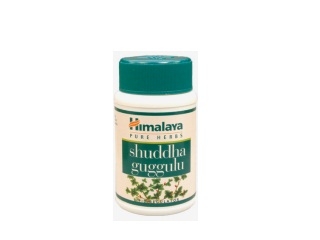

Shuddha Guggulu (Shuddha Guggul) – Traditional Ayurvedic Support for Healthy Joints & Metabolism
Shuddha guggulu is a traditional Ayurvedic herbal resin derived from the Commiphora mukul tree. It is widely used in India and other regions as a supportive ingredient for healthy inflammation response, joint comfort, and overall metabolic balance. In Australia, Shuddha guggulu is commonly chosen by people looking for a natural, long-standing option as part of a healthy lifestyle.
This page provides patient-friendly, evidence-informed guidance about what Shuddha guggulu is, what it is used for traditionally, how it may work, and practical considerations such as timing, food interactions, safety, and availability in Australia.
Basic product information
| Product name | Shuddha Guggulu (Shuddha Guggul) |
|---|---|
| Type | Traditional Ayurvedic herbal product (guggulu resin) |
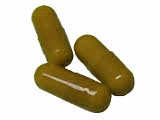
| Common forms | Tablets/capsules or resin-based preparations (varies by brand) |
| Typical sourcing | Purified/processed guggulu resin from Commiphora mukul |
| Traditional uses | Joint comfort, healthy inflammatory response, metabolic support |
| How it’s usually taken | Often taken orally, with meal timing varying by individual and product instructions |
Note: Product formulations can differ between brands (e.g., standardised extract vs resin powder, dosage per capsule, excipients). Always check the specific label of the product you purchase.
How Shuddha guggulu works (mechanism of action)
Shuddha guggulu contains naturally occurring compounds such as guggulsterones (E- and Z-guggulsterone isomers) and other plant constituents. While traditional Ayurvedic frameworks describe balance of bodily “doshas,” modern research focuses on biological pathways that may relate to inflammation, lipid metabolism, and cellular signalling.
Potential mechanisms include:
- Inflammation modulation: Laboratory and preclinical studies suggest guggulu constituents may influence inflammatory mediators and oxidative stress pathways.
- Lipid metabolism support: Guggulsterones have been studied in relation to bile acid pathways and cholesterol/lipid regulation. Some evidence suggests effects on lipid-related signalling (interpretation varies across studies).
- Oxidative stress effects: Antioxidant-related activity has been explored for guggulu compounds in preclinical models.
- Cellular signalling effects: Researchers have investigated how guggulu compounds may interact with transcription factors and metabolic regulators.
What to expect in practice: Many users seek support over time rather than immediate relief. Benefits, if they occur, are typically noticed after consistent use combined with diet, movement, and healthy sleep.
Pharmacokinetics (how the body processes it)
Pharmacokinetics (PK) describes absorption, distribution, metabolism, and elimination. For Shuddha guggulu, human PK data are limited and can vary by formulation (resin vs extracts), dose, and whether it’s standardised. Still, here is a patient-friendly overview of what is generally understood:
- Absorption: Active compounds are believed to have variable oral absorption. Taking with food may improve tolerance for some people.
- Metabolism: Plant constituents are typically metabolised in the liver through pathways such as glucuronidation and other enzymatic processes (exact pathways may differ by compound).
- Distribution: Lipophilic compounds may distribute into tissues and could be detectable for days depending on the formulation.
- Elimination: Excretion may occur via bile and faeces, and also through metabolism products in urine; exact fractions are not consistently reported.
Practical takeaway: Because PK information is incomplete, the most important guidance is to follow the product label, start with the lower end of typical dosing (if appropriate), and monitor how you feel—especially if you take other medicines.
Typical uses (traditional and commonly sought goals)
Shuddha guggulu is traditionally used to support:
- Joint comfort and flexibility (commonly sought in people with age-related stiffness or occasional discomfort).
- Healthy inflammatory response (used as a supportive approach rather than an emergency remedy).
- Metabolic balance, including lipid-related support, in line with traditional concepts and modern research interest.
- Overall wellbeing as part of an established Ayurvedic routine.
Important note: Traditional use does not equal guaranteed clinical outcomes. Individual responses vary, and Shuddha guggulu is best approached as a complementary support to diet, exercise, and medical care when needed.
Indications (what people typically take it for)
In a pharmacy setting, you’ll often see Shuddha guggulu used for:
- Occasional stiffness and joint discomfort
- Inflammation-related discomfort associated with lifestyle, overuse, or age-related changes
- Support for healthy lipid metabolism (where appropriate and under healthcare guidance if you have lipid disorders)
When to seek medical advice: If you have severe pain, swelling, warmth in a joint, unexplained weight loss, fever, or persistent symptoms, consult a healthcare professional promptly.
Dosing guidance (how much to take and when)
Dosing can vary significantly by brand and whether the product is resin powder, standardised extract, or a combination formula. Always use the dose stated on the product label or as advised by a qualified healthcare professional.
General typical dosing patterns (for guidance only):
- Start low: Many users start with a lower dose in the first week to check tolerance.
- Typical range: For many guggulu products, daily dosing is often divided into 1–2 doses.
- Consistency matters: If taking for joint comfort or metabolic support, regular daily use is usually required.
Timing (meal considerations):
- Some people prefer taking Shuddha guggulu with food to reduce stomach upset.
- Others may follow label instructions suggesting between meals or after meals. Use the product’s instructions as your primary guide.
How long to try: If you’re using it for joint comfort or metabolic support, a trial period of several weeks is commonly chosen by users before deciding whether to continue—provided you tolerate it well.
Food interactions & dietary tips
Because Shuddha guggulu is resin-based and may influence digestion and bile-related pathways, it may interact with food in ways that affect tolerance.
Possible food-related considerations:
- High-fat meals: For some people, meals high in fat may change how they feel after taking guggulu (digestive comfort varies).
- Gastric comfort: If you notice nausea, reflux, or stomach discomfort, taking with a meal rather than on an empty stomach may help.
- Consistency: Keep timing consistent day to day to better understand your response.
Dietary support ideas: Pair your routine with movement (appropriate stretching and low-impact activity), hydration, adequate protein, and a balanced diet rich in vegetables and healthy fats.
Alcohol and medicine interactions
Alcohol: There is no universal, guaranteed “safe” or “unsafe” alcohol level for everyone taking Shuddha guggulu. However, alcohol can increase the risk of stomach irritation and may worsen overall inflammation-related symptoms. If you choose to drink alcohol, consider keeping it moderate and observe how your body reacts.
Interactions with other medicines (important): Shuddha guggulu may interact with certain drug pathways in theory, and individual risks depend on your health conditions and medications. Use extra caution if you take any of the following:
- Thyroid-related medicines: Because guggulu compounds have been studied in relation to metabolic regulation, people on thyroid medication should consult a healthcare professional before use.
- Lipid-lowering medicines (e.g., statins, fibrates, bile acid–related agents): If you are using prescription lipid therapies, discuss with your clinician. Combining products without monitoring could increase risk of side effects.
- Blood-thinning medicines: If you take anticoagulants/antiplatelets, seek medical advice before combining herbal supplements with medicines that affect bleeding risk.
- Anti-inflammatory medicines (NSAIDs) or steroids: Combining may alter how symptoms respond; monitor for gastrointestinal irritation.
- Medicines affecting liver metabolism: As plant compounds are metabolised in the liver, caution is sensible with multiple agents.
Practical advice: Tell your doctor or pharmacist about all supplements and medicines you take (including herbal products). If your product label provides warnings regarding drug interactions, follow them closely.
Safety profile and who should use caution
Many people tolerate Shuddha guggulu well, especially at label-recommended doses. However, herbal supplements can still cause adverse effects, and risk depends on dose, formulation, and individual health conditions.
Commonly reported or possible side effects
- Gastrointestinal discomfort (e.g., nausea, upset stomach, reflux)
- Loose stools in some individuals
- Headache or mild fatigue (less common)
- Skin reactions or rash (rare)
When to stop and seek advice
- Severe stomach pain, persistent vomiting, or worsening reflux
- Signs of allergy: rash, itching, swelling, trouble breathing
- Yellowing of the skin/eyes, dark urine, or unusual fatigue (possible liver-related symptoms—seek medical attention)
People who should use caution
- Pregnancy or breastfeeding: Use caution and seek professional advice before use.
- Children: Safety depends on age and formulation; consult a healthcare professional.
- Existing liver conditions or history of significant liver enzyme elevation
- Thyroid conditions or thyroid hormone therapy
- Those taking multiple medications or who have complex medical conditions
Always follow label directions and consider periodic check-ins with a healthcare professional if you are using it long-term.
Practical use tips (how to get the best experience)
- Start gradually: Begin with the lower end of the label dose (if the label allows) for the first week.
- Take consistently: Choose a routine (e.g., morning with breakfast or with lunch) and keep it stable.
- Keep notes: Track joint comfort, digestion, energy, and any side effects to decide if it’s working for you.
- Stay hydrated and move gently: Supplements often complement, not replace, lifestyle measures.
- Quality matters: Choose products from reputable brands with clear ingredient lists and quality testing information.
- Avoid “stacking” too many actives at once: If you’re trying multiple supplements, introduce one change at a time so you can understand effects.
Alternative options
If Shuddha guggulu isn’t suitable for you or you’re exploring alternatives, consider these commonly used supportive approaches (availability and suitability vary):
- Turmeric/curcumin: Often chosen for comfort and antioxidant support.
- Ginger: Traditionally used for comfort and digestion.
- Omega-3 fatty acids: Support inflammatory balance through diet or supplements.
- Glucosamine and chondroitin: Some people use them for joint comfort (evidence varies by product).
- Boswellia serrata (frankincense extract): Frequently used for joint-related support.
- Collagen peptides: Chosen for skin and connective tissue support by some users.
Tip: If you have medical conditions or take medicines, ask your pharmacist which alternatives are likely to be safer with your current regimen.
Australia market & legal context (what to know)
In Australia, herbal supplements such as Shuddha guggulu are generally supplied under the framework for complementary medicines. Regulations focus on product quality, labelling accuracy, and safety. Depending on the product type, it may be regulated as an ARTG-listed medicine (where applicable) or marketed as a complementary product subject to specific requirements.
Key points for shoppers:
- Label accuracy: Look for clear ingredient lists, standardisation claims (if any), and dosage directions.
- Safety information: Reputable products include cautions and interaction notes.
- Evidence-based expectations: You may see “traditional use” references rather than disease claims.
- Quality assurance: Choose products that provide batch traceability and testing information where available.
Recent guidance (general trend): Regulators and health authorities increasingly emphasise responsible use of complementary medicines, including accurate labelling, avoiding misleading claims, and encouraging consumers to seek professional advice when using supplements alongside medicines.
Delivery and availability in Australia
Shuddha guggulu is commonly available through online pharmacies and specialist health retailers across Australia. Delivery options may include:
- Standard delivery (typical business days)
- Express delivery (where offered)
- Regional delivery with estimated timelines displayed at checkout
Storage: Keep the product in a cool, dry place away from direct sunlight. Ensure the lid is tightly closed. Follow storage instructions on the label.
Batch/expiry: Check expiry dates before use. If you have unopened stock, store it as directed to maintain quality.
FAQ – Frequently asked questions
1) What is Shuddha guggulu?
Shuddha guggulu is purified guggul resin from the Commiphora mukul tree, used in traditional Ayurvedic practice for joint comfort, inflammatory balance, and metabolic support.
2) How long does it take to work?
Some people notice changes in comfort or digestion within days, but joint-related or metabolic support is usually assessed over weeks. If you don’t feel any benefit after a reasonable trial (as per label instructions), consider discussing options with your pharmacist.
3) Should I take it with food?
It depends on your product. Some people find taking it with a meal improves stomach tolerance. Follow the label’s timing instructions and adjust based on comfort.
4) Can I take Shuddha guggulu with other supplements?
Often yes, but it’s best to introduce one product at a time and check for interaction potential—especially with supplements that affect blood thinning, thyroid function, or liver metabolism.
5) Is it safe for everyone?
No. People who are pregnant or breastfeeding, children, those with liver conditions, and those on thyroid-related or multiple medications should seek professional advice before use.
6) Are there alcohol interactions?
There isn’t a single universal rule. Alcohol may increase the risk of stomach irritation and could worsen overall inflammation-related symptoms. If you drink, keep it moderate and monitor your response.
7) Will it interact with thyroid medication?
Possible interactions are a concern due to guggulu’s metabolic effects. If you take thyroid medication, consult a healthcare professional before using Shuddha guggulu.
8) Can I use it if I have high cholesterol?
Shuddha guggulu is sometimes used for lipid-metabolic support, but if you have high cholesterol and are on lipid-lowering treatment, discuss with your pharmacist or doctor to ensure safe coordination and appropriate monitoring.
9) What if I get stomach upset?
Try taking it with food (if label allows), reduce to the lowest label dose, and pause use if symptoms persist. Seek medical advice if symptoms are severe or ongoing.
10) How do I choose a good product?
Look for clear labelling, transparent ingredients, trustworthy brand sourcing, and instructions for dosing and safety. If you have medical conditions, choose products from providers that support pharmacist-led guidance.
Disclaimer: This information is intended to support consumer understanding of Shuddha guggulu and does not replace professional medical advice. If you have symptoms that concern you, or you take prescription medicines, please consult a healthcare professional or pharmacist before starting any new supplement.