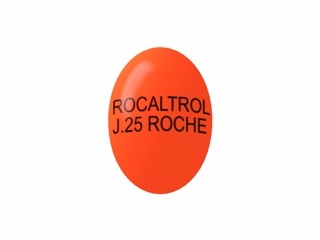


Rocaltrol (Calcitriol) – Patient Information (Australia)
Rocaltrol is a brand of calcitriol, a form of vitamin D that the body can use directly. It is used to treat certain conditions where the body cannot maintain healthy levels of calcium and vitamin D. This guide explains what Rocaltrol is, how it works, how to take it safely, and what to expect.
Important: This information is general and cannot replace advice from your clinician or pharmacist. If you have questions about your individual treatment, ask your healthcare professional.
Quick overview
- Active ingredient: Calcitriol
- Medicine type: Vitamin D analogue (active form)
- Common forms: Usually supplied as oral capsules (strengths may vary by product/market)
- Typical goal: Improve calcium balance and reduce bone/neral complications related to certain vitamin D and kidney disorders
- Key risk: Too much calcium (hypercalcaemia) if the dose is excessive
Basic product information
| Category | Details |
|---|---|
| Brand name | Rocaltrol |
| Generic name | Calcitriol |
| How it works | Active vitamin D that increases calcium and phosphate absorption and supports bone health |
| Where it’s used | Selected conditions involving low active vitamin D and abnormal calcium/phosphate regulation |
| Monitoring | Regular blood tests for calcium (and often phosphate and kidney-related markers) |
How Rocaltrol works (mechanism of action)
Calcitriol is the hormonally active form of vitamin D. In the body, vitamin D helps control:
- Calcium absorption from the gut
- Phosphate handling (in collaboration with other hormones)
- Bone mineralisation (supporting normal bone strength)
- Parathyroid hormone (PTH) balance by feeding back to the parathyroid glands
When calcitriol levels are low—commonly due to kidney disease—calcium may fall and PTH may rise, increasing the risk of bone problems. Rocaltrol helps restore a more normal calcium–phosphate balance.
Pharmacokinetics (how the body handles calcitriol)
Understanding pharmacokinetics can help explain why dosing and monitoring are important.
- Absorption: After oral dosing, calcitriol is absorbed from the gastrointestinal tract.
- Distribution: It circulates in the blood bound to vitamin D transport proteins.
- Metabolism: Calcitriol is metabolised mainly in the liver and other tissues to inactive metabolites.
- Elimination: Metabolites are eliminated through the body (including via bile and urine pathways).
- Clinical implication: Because calcitriol is the active form and acts relatively quickly, it can raise calcium levels faster than “inactive” vitamin D forms. This is why blood tests for calcium are central to safe use.
What Rocaltrol is typically used for (indications)
Rocaltrol is used for conditions where active vitamin D is needed to manage calcium and phosphate balance.
Common indications in clinical practice
- Hypocalcaemia due to hypoparathyroidism (where PTH is low or absent), particularly when calcium levels require active vitamin D support
- Hypocalcaemia due to certain forms of hypoparathyroidism and related disorders
- Renal osteodystrophy / secondary hyperparathyroidism related to chronic kidney disease, when active vitamin D or vitamin D analogues are appropriate
- Specific phosphate and bone metabolism disorders where calcitriol is indicated by a clinician based on laboratory results and overall condition
Note: The exact use and suitability depend on your diagnosis, laboratory results, and treatment plan.
Dosing – what to expect
Dosing of Rocaltrol is individualised. Clinicians base decisions on your blood calcium levels, kidney function, phosphate levels, and your response to treatment.
General principles (patient-friendly)
- Start low, adjust carefully: Doses are often titrated gradually to achieve the desired calcium level without causing high calcium.
- Regular monitoring: Blood tests for calcium are commonly performed shortly after dose changes and then periodically.
- Calcium supplements (sometimes): Some people take calcium alongside calcitriol. Your clinician will advise whether you need this.
Typical timing of dosing
- Rocaltrol is often taken once daily or as directed by your clinician.
- Some patients may have alternate-day or other schedules depending on their condition and blood test results.
Do not change your dose or dosing schedule without advice, even if you feel well.
When and how to take Rocaltrol
Good timing and routine can make treatment safer and easier to manage.
Timing
- Take Rocaltrol at the same time each day to maintain a steady routine.
- If you miss a dose, follow your clinician/pharmacist’s instructions. As a general approach, many vitamin D medicines are not doubled the next day, but the correct action depends on your schedule and lab monitoring plan.
How to take
- Swallow capsules whole with water.
- If you have difficulty swallowing capsules, talk to your pharmacist about options suitable for your product and situation.
What to monitor at home
You do not replace lab tests, but you can watch for symptoms that may suggest calcium levels are too high or too low:
- Possible high calcium symptoms: constipation, nausea/vomiting, increased thirst, frequent urination, confusion, muscle weakness, tiredness, or irregular heartbeat sensations.
- Possible low calcium symptoms: tingling around the mouth or fingers, muscle cramps/spasms, or feeling “jittery.”
If you develop severe symptoms or feel unwell, contact your healthcare professional urgently.
Food interactions (including supplements)
Calcitriol absorption can be influenced by what you eat and by other substances you take.
Food
- Can it be taken with food? Many patients take Rocaltrol with a meal or with milk if it helps with routine and comfort. Follow your clinician/pharmacist’s directions and the product instructions.
- No specific “avoidance” foods are universally required, but maintaining consistent dietary calcium intake may help stabilise results.
Calcium and vitamin D supplements
- Be cautious with extra vitamin D. Combining calcitriol with additional vitamin D supplements may raise calcium levels.
- Calcium supplements: Sometimes prescribed/used alongside calcitriol. If you take over-the-counter calcium, check with your pharmacist to confirm it fits your plan.
Tip: Keep a list of all supplements (including “natural” products) and share it with your pharmacist.
Alcohol interactions
There is no widely established direct interaction between alcohol and calcitriol that affects the medicine’s core action in the way some other drugs do. However:
- Alcohol may worsen dehydration, which can be relevant if you develop high calcium symptoms (since high calcium can also cause increased urination and thirst).
- Alcohol can affect adherence (missed doses), and that can destabilise calcium control.
If you drink alcohol, aim for moderation and discuss with your clinician if you have kidney disease, electrolyte issues, or symptoms of high calcium.
Interactions with other medicines
Calcitriol can interact with several medicines and may affect calcium levels. Always tell your pharmacist about:
- Prescription medicines
- Over-the-counter medicines
- Herbal products and supplements
Common interaction categories to discuss
- Calcium-containing preparations and vitamin D supplements: may increase risk of hypercalcaemia.
- Thiazide diuretics (e.g., hydrochlorothiazide): can increase calcium levels.
- Digoxin (and some heart rhythm medicines): high calcium may increase the risk of digoxin-related side effects.
- Cholestyramine / bile acid sequestrants (used for cholesterol): may reduce absorption of vitamin D-related compounds.
- Magnesium-containing antacids: in people with kidney impairment, magnesium and related electrolyte issues may become problematic.
- Anti-seizure medicines (some enzyme inducers): can affect vitamin D metabolism pathways (a key reason monitoring and dose adjustment may be needed).
Important: This list is not exhaustive. Your pharmacist can check your specific medicines and advise on monitoring or timing.
Safety profile and precautions
Rocaltrol is effective, but safety depends on correct dosing and monitoring. The most important safety risk is too much calcium in the blood.
Key risks
- Hypercalcaemia (high blood calcium): may cause gastrointestinal symptoms, increased urination and thirst, confusion, weakness, and in severe cases cardiac rhythm problems.
- Hyperphosphataemia: may accompany certain kidney-related conditions or dosing patterns.
- Kidney stone risk / kidney effects: long-term or excessive calcium may contribute to kidney problems in susceptible people.
- Adverse effects from high calcium: fatigue, constipation, nausea, and dehydration-like symptoms.
Who needs extra caution?
- People with chronic kidney disease or reduced kidney function
- People with a history of kidney stones or high calcium
- Those taking medicines that can raise calcium levels or affect heart rhythm
- People taking multiple supplements that contain calcium and/or vitamin D
When to seek urgent help
Seek urgent medical advice if you experience severe symptoms such as persistent vomiting, severe confusion, fainting, severe weakness, or signs of an abnormal heartbeat. If you have mild symptoms, contact your clinician promptly for advice—do not stop or adjust the dose without guidance.
Practical use tips for everyday success
- Use a daily reminder: Set an alarm or use a phone reminder so you don’t miss doses.
- Keep consistent routine: Take it at the same time each day.
- Attend blood tests: Regular tests are part of safe treatment. If you miss tests, ask your clinician/pharmacist how to proceed.
- Track symptoms: If you notice constipation, unusual thirst, frequent urination, tingling, or cramps, record when they start and tell your clinician.
- Review supplements: Bring all supplement bottles (or a list) to your pharmacy visit.
- Stay hydrated sensibly: If your clinician has not restricted fluids, aim for normal hydration—especially during hot weather.
Alternative options
Depending on the underlying cause, clinicians may consider other vitamin D preparations or supportive treatments. Alternatives may include:
- Other vitamin D analogues (e.g., active forms used in kidney-related conditions)
- Inactive vitamin D (cholecalciferol/ergocalciferol) in certain situations where conversion to active vitamin D is intact
- Calcium supplementation alone in selected cases (where appropriate)
- Adjustments to phosphate binders in kidney-related disorders
Why alternatives vary: The “best” option depends on whether your body can convert inactive vitamin D into active calcitriol and on your calcium/phosphate levels.
Rocaltrol in the Australian market and legal context
In Australia, medicines such as Rocaltrol are supplied through established pharmacy channels and are subject to national medicines regulation and safety frameworks. Availability can depend on:
- Prescriber requirements and intended indication
- Product availability and supply chain
- Strength and formulation needed
Your pharmacist can advise on stock availability, equivalent options, and safe substitution (if applicable) in line with Australian pharmacy practices.
Recent guidance and monitoring considerations
While specific “latest updates” may vary over time, clinicians commonly emphasise the following for calcitriol therapy:
- Regular calcium monitoring, especially after starting or dose changes.
- Careful consideration in chronic kidney disease because calcium and phosphate handling can differ by stage and treatment plan.
- Avoidance of excessive vitamin D intake from supplements or compounded products unless advised.
- Medication reviews to check for interactions that may raise calcium or affect heart rhythm.
If you’ve recently had dose adjustments, you may be asked for blood tests within weeks. Always follow the schedule your clinician provides.
Delivery and availability (online pharmacy)
At an online pharmacy, Rocaltrol availability and delivery options may vary by:
- Your location within Australia
- Stock levels and product strength
- Order dispatch times and courier schedules
What to do before ordering:
- Confirm the strength and dose form you need.
- Check whether you need supporting items such as calcium supplements (if advised) and confirm with your pharmacist.
- If you are running low, order early to allow time for processing and delivery.
Cold weather storage: Follow the storage instructions on the pack (typically store below 25°C, away from moisture and direct heat). Keep medicines out of reach of children.
FAQ – Rocaltrol (Calcitriol)
1) What is Rocaltrol used for?
Rocaltrol (calcitriol) is used to treat conditions where active vitamin D is required to help control calcium (and in some cases phosphate) levels—commonly in certain disorders involving parathyroid hormone deficiency and in specific kidney-related bone/mineral disorders.
2) How long does it take to work?
Calcitriol can begin affecting calcium levels relatively quickly. However, the exact time to see stable results depends on your underlying condition and your baseline calcium level. Your clinician will guide how soon to check blood tests after starting or changing the dose.
3) Should I take it with food?
Many people find it easier to take with a meal or at a consistent time with routine. Follow the instructions on your medicine label and your pharmacist’s advice. Consistency matters for maintaining a stable regimen.
4) Can I take vitamin D or calcium supplements while on Rocaltrol?
You may be advised to take calcium, but do not add extra vitamin D without discussing it with your pharmacist or clinician. Additional supplements can increase the risk of hypercalcaemia.
5) What happens if I miss a dose?
Missed-dose guidance can vary depending on your dosing schedule and monitoring plan. Contact your pharmacist for advice. In general, it is usually safer not to double doses without direction.
6) What are the signs that my calcium might be too high?
Possible symptoms include constipation, nausea, increased thirst, frequent urination, weakness, confusion, and sometimes heart rhythm symptoms. Report concerning symptoms promptly.
7) Are there interactions with common medicines?
Yes. Medicines that affect calcium levels (such as certain diuretics) or heart medicines (such as digoxin) can be relevant. Always provide a complete list of medicines and supplements to your pharmacist.
8) Is it safe to drink alcohol?
Alcohol is not generally known to have a direct interaction with calcitriol, but moderation is recommended. If you develop dehydration-like symptoms or high calcium symptoms, seek advice promptly.
9) How often will I need blood tests?
This varies by your diagnosis, dose, and stability. After starting or changing calcitriol, tests are often scheduled more frequently, then less often once stable.
10) What are common side effects?
Side effects are often related to high calcium levels—such as constipation, nausea, tiredness, or unusual thirst/urination—though not everyone experiences side effects. If you suspect high calcium, contact your clinician or pharmacist.
Summary
Rocaltrol (calcitriol) is an active form of vitamin D used to treat specific calcium and bone/mineral conditions. It works by supporting normal calcium absorption and helping regulate PTH-related pathways. Because it can raise calcium levels, safe use relies on correct dosing, regular blood monitoring, and careful attention to interactions with supplements and other medicines.
If you’d like, share the dosage strength and your other current medicines/supplements (including any calcium or vitamin D products) and your pharmacist can help you check interaction and monitoring considerations.