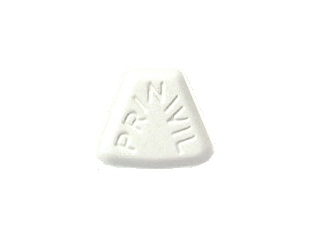
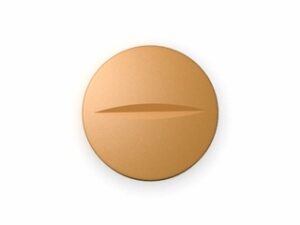

Prinivil (Lisinopril) — Patient Guide (Australia)
Prinivil is a brand of lisinopril, a medicine from the ACE inhibitor (angiotensin-converting enzyme inhibitor) class. It is used to treat several common cardiovascular conditions and helps many people live more comfortably and reduce the risk of complications.
This guide explains how Prinivil works, how it’s used, what to watch for, and practical tips to help you take it safely. It is written for general information and may not cover every situation. Always follow the advice provided by your healthcare professional and the instructions on the medicine label.
Quick Facts
- Active ingredient: Lisinopril
- Medicine type: ACE inhibitor
- Main uses: High blood pressure; heart failure; reducing risk after certain heart attacks; kidney-related benefits in some people
- How it’s usually taken: Once daily (follow your specific directions)
- Common effects: Lower blood pressure, improved heart function; occasional dizziness
- Important warnings: Rare but serious angioedema (swelling of face/lips/throat) and effects on kidneys/potassium
Basic Product Information
| Feature | Details |
|---|---|
| Brand name | Prinivil |
| Generic name | Lisinopril |
| Drug class | ACE inhibitor |
| Typical route | Oral tablets |
| Common dosing style | Usually once daily |
| Availability in Australia | Commonly available through pharmacies; brand/generic options may vary |
How Prinivil Works (Mechanism of Action)
Lisinopril lowers blood pressure and reduces strain on the heart by blocking the ACE enzyme.
ACE (angiotensin-converting enzyme) normally helps produce angiotensin II, a substance that narrows blood vessels and increases blood pressure. It also contributes to the breakdown of bradykinin, a chemical that affects blood vessel tone.
- Vasodilation: Fewer angiotensin II effects means blood vessels relax and widen.
- Reduced aldosterone: This helps your body retain less sodium and water and reduces potassium loss (though potassium may rise, which is why monitoring is important).
- Less workload on the heart: Lower vessel resistance can improve heart function in certain conditions.
In people with heart failure or after a heart attack, the medicine can help improve outcomes by easing pressure on the heart and supporting healthier blood vessel function.
Pharmacokinetics (Absorption, Distribution, Metabolism, Excretion)
Pharmacokinetics describes what the body does to a medicine after you take it.
- Absorption: Lisinopril is taken by mouth and is absorbed into the bloodstream. Peak levels typically occur within a few hours.
- Distribution: It circulates in the bloodstream and works systemically to inhibit ACE.
- Metabolism: Lisinopril is not extensively metabolised by the liver.
- Excretion: Most of the medicine is removed by the kidneys. This means kidney function plays a key role in dosing and safety.
Because lisinopril is cleared through the kidneys, people with reduced kidney function may need dose adjustments and more frequent blood tests (especially for kidney function and potassium).
Typical Use in Australia
Prinivil (lisinopril) is commonly used to treat:
- Hypertension (high blood pressure): To lower blood pressure and reduce cardiovascular risk.
- Heart failure: To help improve symptoms and reduce the risk of worsening disease.
- After a heart attack: In certain patients, to improve outcomes when started in the appropriate clinical setting.
- Kidney protection in selected conditions: Depending on overall health, diabetes status, and other factors, an ACE inhibitor may be used to slow progression of kidney disease.
Your healthcare professional will decide the best indication based on your history, symptoms, blood pressure readings, kidney function, and other medicines you take.
When and How to Take Prinivil (Timing & Practical Use)
Many people take lisinopril once daily. The exact dose and timing should match the instructions on your label.
Common timing tips
- Take at the same time each day to help you remember.
- Morning or evening: Some people prefer mornings to make daytime monitoring easier, but if lisinopril causes dizziness, bedtime may be helpful. Use your clinician’s advice.
- Don’t double up if you miss a dose—follow your clinician/pharmacist advice or product instructions.
How to take tablets
- Swallow with a glass of water.
- You can take it with or without food (see food section below).
- If you are switching brands, keep dosing consistent and confirm the strength with your pharmacist.
Food Interactions
Food usually does not significantly affect the action of lisinopril. You can generally take Prinivil with or without meals.
However, your overall diet can still affect safety:
- Salt intake: High-salt meals may blunt some blood pressure benefits.
- Potassium-rich foods/salt substitutes: Large potassium intake or salt substitutes containing potassium can increase the risk of high potassium. Moderation and clinician guidance are important.
Alcohol Interactions & Guidance
Alcohol can increase the risk of dizziness, light-headedness, or fainting—especially when you first start Prinivil or after a dose increase.
- If you drink alcohol, consider limiting intake and avoid sudden heavy drinking.
- Stand up slowly, particularly when starting or adjusting your dose.
- If you notice persistent dizziness, discuss it with your pharmacist or doctor.
Medicine Interactions (What to Tell Your Pharmacist)
Some medicines can interact with lisinopril, affecting kidney function, potassium levels, blood pressure, or the risk of side effects.
Always tell your healthcare professional about all medicines you take, including over-the-counter products and supplements.
Common interaction categories
- Potassium supplements and potassium-containing salt substitutes: May increase potassium and raise the risk of heart rhythm problems.
- Diuretics (especially “potassium-sparing” types): May affect potassium and kidney function. Examples include spironolactone and eplerenone.
- NSAIDs (e.g., ibuprofen, naproxen, diclofenac): Frequent use can reduce kidney protection effects and increase kidney strain, particularly in older adults or dehydrated patients.
- Other blood pressure medicines: May add to blood pressure lowering. This can be beneficial but may also increase risk of dizziness/low BP.
- Diabetes medicines (insulin, sulfonylureas): ACE inhibitors can sometimes enhance blood sugar-lowering effects, increasing the chance of low blood glucose in some people.
- Lithium: ACE inhibitors can raise lithium levels and toxicity risk—usually requires close monitoring or avoidance.
Herbal and supplement considerations
- Be cautious with supplements that raise potassium or affect kidney function.
- “Natural” products are not automatically safer—check with a pharmacist.
Indications (When Prinivil Is Used)
Prinivil (lisinopril) may be prescribed for the following indications, depending on your clinical situation:
- Hypertension: Helps lower blood pressure to reduce risk of stroke, heart attack, and kidney disease progression.
- Heart failure: Improves symptoms and helps reduce hospitalisations in appropriate patients.
- After myocardial infarction (heart attack): In selected patients, helps improve survival and cardiovascular outcomes.
- Diabetic kidney disease and other kidney-protective uses: In certain people, may slow progression of kidney damage.
Your doctor will select the dose based on your condition, blood pressure, and kidney function.
Dosing (Typical Approach)
Dosing depends on the indication and your health status. Below is a general overview of how ACE inhibitor dosing is commonly started and adjusted. Your personal dose may be different.
How dosing is usually managed
- Start low, then adjust: Many people begin with a low dose to reduce risk of dizziness and kidney/potassium changes.
- Regular monitoring: Blood tests for kidney function and electrolytes (especially potassium) may be checked after starting and after dose changes.
- Target blood pressure varies: Individual targets depend on your health profile, age, and overall risk.
General dosing ranges (not a substitute for personal instructions)
| Condition (typical) | How dosing is commonly initiated/adjusted | Notes |
|---|---|---|
| Hypertension | Often started at a low once-daily dose; increased gradually based on response | Blood pressure monitoring helps guide titration. |
| Heart failure | May start at very low doses and titrate slowly | Special care in people with dehydration, low BP, or kidney impairment. |
| After heart attack | Often started after stabilisation in hospital/clinic settings when appropriate | Dosing is closely supervised. |
| Kidney protection (selected patients) | Dose adjusted to kidney function and lab results | Monitoring potassium and creatinine is essential. |
Kidney function matters: If your kidneys do not work as well, your prescriber may adjust the starting dose and titration schedule.
Safety Profile (Side Effects & Warnings)
Most people tolerate lisinopril well, but like all medicines it can cause side effects. Some side effects require urgent medical attention.
Common or relatively frequent side effects
- Dizziness (especially early on or after a dose increase)
- Low blood pressure symptoms (light-headedness, faint feeling)
- Headache
- Dry cough (a known ACE inhibitor effect; sometimes persistent)
- Fatigue
Serious side effects—get urgent help
- Angioedema: Swelling of the face, lips, tongue, throat, or trouble breathing. This can occur even after the medicine has been used for some time. Seek emergency care immediately.
- Severe allergic reactions: including widespread rash, hives, or breathing difficulties.
- Signs of high potassium (may include unusual weakness, slow or irregular heartbeat). Your clinician may monitor potassium with blood tests.
- Signs of kidney injury (reduced urine output, sudden swelling, feeling very unwell). Kidney function is often monitored.
Lab changes to expect (monitoring matters)
- Potassium: may increase.
- Creatinine/renal function: may change, particularly at the start, during dehydration, or with NSAID use.
Who needs extra caution?
- Older adults
- People with kidney disease
- People with low blood pressure or dehydration
- People taking medicines that affect potassium or kidneys (e.g., certain diuretics, NSAIDs)
- History of ACE inhibitor-related angioedema
Practical Use Tips (To Improve Safety & Comfort)
- Hydration: Stay adequately hydrated unless your doctor has restricted fluids.
- Rise slowly: If you feel dizzy, sit up and stand slowly to reduce falls risk.
- Monitor blood pressure: Home readings can help your doctor adjust dose, especially early in treatment.
- Keep lab appointments: Follow scheduled blood tests for kidney function and potassium.
- Be cautious during illness: Vomiting, diarrhoea, fever, or poor fluid intake can affect kidney function. Seek advice promptly if you become unwell.
- Watch for cough: If a persistent dry cough develops, discuss options with your pharmacist/doctor.
Alternative Options to Consider
If Prinivil (lisinopril) is not suitable or causes side effects, there may be alternatives depending on your diagnosis and medical history.
Alternative medicine classes
- ARBs (Angiotensin Receptor Blockers): Often considered when ACE inhibitors cause troublesome cough. Examples include losartan and valsartan (availability may vary).
- Other antihypertensives: Depending on your needs, doctors may use calcium channel blockers, thiazide-like diuretics, or other agents.
If changing medicines
Do not stop or switch lisinopril without medical advice. Dose adjustments or monitoring may be needed to maintain stable blood pressure and kidney safety.
Market & Legal Context for Australia (What to Expect)
In Australia, medicines like Prinivil (lisinopril) are regulated through the Therapeutic Goods Administration (TGA) and are dispensed in accordance with Australian pharmacy and medicines legislation. Availability can include brand and/or generic equivalents depending on supply and product listings.
- Pharmacy supply: Medicines are typically provided through licensed pharmacies.
- Product information: Always refer to the packaging information provided by the supplier and any accompanying consumer medicine information.
- Safety monitoring: Because ACE inhibitors can affect kidney function and potassium, clinicians and pharmacists commonly recommend laboratory monitoring schedules.
Guidance for blood pressure and cardiovascular risk management in Australia is generally aligned with national and professional society recommendations, and may change as new evidence becomes available.
Recent Guidance & Practical Updates (General Trends)
While specific recommendations can vary by individual circumstances, recent clinical practice trends often include:
- Closer monitoring after dose changes: Kidney function and electrolytes are checked soon after initiation or titration, particularly in higher-risk patients.
- Review of drug combinations: Greater emphasis on avoiding or closely monitoring combinations that increase potassium or strain kidneys (e.g., NSAIDs with ACE inhibitors in vulnerable patients).
- Individualised blood pressure targets: Targets are personalised based on age, comorbidities, and tolerance.
Your healthcare professional can explain the monitoring plan tailored to you.
Delivery & Availability (Online Pharmacy Considerations)
Prinivil (lisinopril) is commonly stocked by pharmacies and may be available via online ordering depending on the pharmacy’s services. Delivery times can vary by location and stock availability.
- Stock availability: Availability may change; pharmacists may confirm the closest equivalent strength if needed.
- Packaging: Medicines are typically supplied in original packaging with clear labelling of strength and directions.
- Receipt checks: When the parcel arrives, confirm the strength matches your usual supply and that the expiry date is acceptable.
- Cold chain: Typically not required for lisinopril tablets (unless otherwise stated by the supplier).
If you have questions about delivery, substitutions, or medication handling, contact the pharmacy customer service team.
FAQ (Frequently Asked Questions)
1) What is Prinivil used for?
Prinivil (lisinopril) is used for conditions such as high blood pressure, heart failure, and selected kidney or post-heart-attack scenarios. Your prescriber will determine which indication applies to you.
2) How quickly does Prinivil start working?
Blood pressure often begins to improve within hours to days, while the full effect may take longer as the dose is adjusted and the body adapts. If you’re tracking your readings, look for patterns over time rather than one-off measurements.
3) Can I take Prinivil with food?
Yes. Food usually does not significantly affect lisinopril. You can take it with or without meals.
4) Can I drink alcohol while taking Prinivil?
Alcohol may increase dizziness or lower blood pressure further. If you choose to drink, do so in moderation and be cautious—especially when starting or after a dose change.
5) Why do I need blood tests?
ACE inhibitors can affect kidney function and potassium levels. Blood tests help ensure the medicine remains safe and effective for you.
6) What should I do if I miss a dose?
Take it as soon as you remember if it’s close to the time of the next dose. If it’s nearly time for the next dose, skip the missed dose. Do not double up. If unsure, ask your pharmacist.
7) Is a dry cough normal with lisinopril?
A persistent dry cough is a known effect of ACE inhibitors. If it’s bothersome or ongoing, contact your pharmacist or doctor—alternatives may be considered.
8) What are signs of a serious allergic reaction?
Seek urgent medical help if you develop swelling of the face, lips, tongue, or throat, or have trouble breathing. This is rare but serious.
9) Can I take ibuprofen or other NSAIDs with Prinivil?
Occasional use may be acceptable for some people, but regular or high-dose NSAID use can increase kidney strain and affect potassium levels. Discuss NSAID use with your pharmacist, especially if you’re older, have kidney issues, or are dehydrated.
10) Are there alternatives if Prinivil doesn’t suit me?
Yes. Depending on your condition and side effects, options may include ARBs or other blood pressure and heart medicines. Your healthcare professional can advise the safest choice for you.
Key Takeaways
- Prinivil (lisinopril) is an ACE inhibitor used for blood pressure and cardiovascular conditions.
- It works by relaxing blood vessels and reducing hormones that increase blood pressure.
- Kidney function and potassium often require monitoring—especially after starting or dose changes.
- Watch for dizziness, persistent cough, and seek urgent help for possible angioedema.
- Food usually isn’t a major issue, but alcohol and certain medicines (like NSAIDs or potassium-containing products) may need caution.