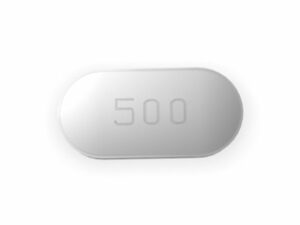

Prandin (Repaglinide) — Patient-Friendly Medicine Guide (Australia)
Prandin is a prescription medicine used to help control blood glucose (sugar) in adults with type 2 diabetes. It works by stimulating the pancreas to release insulin in a targeted way, especially around meal times. This guide explains how Prandin works, when to take it, common interactions, practical tips for everyday use, and what to discuss with your healthcare team.
Note: Information below is for general guidance and does not replace advice from your doctor or diabetes educator.
Key Product Information
- Brand name: Prandin
- Generic name: Repaglinide
- Medicine type: Rapid-acting insulin secretagogue (a “mealtime insulin trigger”)
- Common use: Type 2 diabetes with meals
- How it’s taken: Oral tablets, usually before meals
- Availability in Australia: Sold through approved pharmacy channels under Australian medicines regulations
How Prandin Works (Mechanism of Action)
Repaglinide belongs to a class of medicines called meglitinides. It helps lower blood glucose by:
- Closing ATP-dependent potassium channels on pancreatic beta-cells
- Causing calcium influx into the beta-cells
- Triggering insulin release from the pancreas
- Acting primarily around meal times because it is taken shortly before eating
This meal-related insulin release can reduce the rise in blood sugar after meals (post-prandial glucose).
Pharmacokinetics (How the Body Handles It)
Pharmacokinetics describes how the body absorbs, distributes, metabolises, and eliminates a medicine.
- Absorption: Repaglinide is absorbed from the gut after oral dosing and starts working relatively quickly.
- Onset of action: Designed to lower blood glucose around the time you eat.
- Peak effect: Blood levels typically peak within a short time after taking a dose (commonly within ~1 hour, though individual responses vary).
- Duration: The glucose-lowering effect is shorter than that of some other diabetes medicines, which is why dosing is usually tied to meals.
- Metabolism: Repaglinide is primarily metabolised in the liver.
- Elimination: Metabolites are cleared mainly via bile into the faeces.
Because it is metabolised in the liver, people with liver impairment require extra caution and may need dose adjustments and closer monitoring by their healthcare team.
What Prandin Is Used For (Indications)
Prandin is indicated for adults with type 2 diabetes mellitus to improve blood glucose control.
In everyday terms, it is commonly considered when:
- Blood sugar remains high despite lifestyle measures (diet, exercise, weight management)
- Medication is needed specifically to help manage post-meal glucose
- Prandin may be used alone or alongside other diabetes therapies, as directed by your clinician
When to Take Prandin (Timing and Meal Instructions)
The effectiveness of Prandin is closely linked to timing. It is generally taken before meals to match the food-related rise in blood glucose.
Typical timing
- Take before eating: Usually within about 15 minutes before a meal.
- If you skip a meal: Do not take a dose for a meal you do not eat (to reduce hypoglycaemia risk).
Consistency matters
- Try to keep meal times consistent when possible.
- If your appetite changes or you skip meals, tell your healthcare team—your dosing strategy may need review.
Dosing (General Information)
Dosing is individualised based on your blood glucose patterns, response to therapy, and whether you are taking other diabetes medicines.
| Topic | General guidance (patient-friendly) |
|---|---|
| Starting dose | Usually started at a low dose to reduce risk of low blood sugar. Your clinician will set the exact amount and schedule. |
| Meal-based dosing | Dosed before meals (for example, breakfast/lunch/dinner depending on your eating pattern). |
| Adjustments | Your dose may be increased gradually based on blood glucose results (often including post-meal readings). |
| Missed dose | If you miss a meal or forget a dose, do not “double up.” Follow your prescriber’s instructions. If you are unsure, check your action plan. |
| Maximum daily dose | There may be a maximum daily limit set by your healthcare team and product guidance. Do not exceed it. |
Important: Always follow the dosing plan provided by your healthcare professional. Do not change the number of doses per day without advice.
Food Interactions and Practical Eating Tips
Prandin is designed to work around meals; therefore, how you eat can influence glucose control.
Carbohydrates and meal size
- Meals with larger carbohydrate content may raise blood glucose more—monitoring can help determine whether your dose needs adjustment.
- Consistent meal sizes and timing can improve predictability.
Skips and delayed meals
- If you take Prandin and then eat later than planned, your risk of hypoglycaemia may increase.
- If you know you will not eat, skip the associated dose (unless your clinician advises otherwise).
Alcohol and Medicine Interactions
Alcohol
Alcohol can affect blood sugar and may increase the risk of hypoglycaemia, particularly if you drink without eating or if you drink heavily. It may also worsen judgement about recognising symptoms of low blood sugar.
- Discuss safe alcohol limits with your healthcare team.
- Be cautious with drinks that replace meals.
- Consider monitoring blood glucose more frequently if you drink alcohol.
Other medicines (important interactions)
Repaglinide is metabolised largely by liver enzymes, especially a transporter/enzyme system involving CYP3A4 and related pathways. Some medicines can either increase or decrease repaglinide levels, affecting safety and effectiveness.
Examples of medicines that may interact (general categories):
- Strong enzyme inhibitors (may increase repaglinide exposure and raise hypoglycaemia risk)
- Strong enzyme inducers (may lower repaglinide levels and reduce glucose control)
- Certain antifungals, antibiotics, antivirals, and some medicines for heart rhythm or seizures can be relevant
Always inform your pharmacist or clinician about all medicines you take, including:
- Prescription medicines
- Over-the-counter products (including cold/flu remedies)
- Herbal supplements (for example, St John’s wort)
Combined diabetes medicines: When taken with other glucose-lowering medicines, your risk of hypoglycaemia may increase and monitoring may be needed.
Safety Profile (What to Watch For)
Most common concerns
- Low blood sugar (hypoglycaemia): The main risk with insulin secretagogues like repaglinide.
- Weight changes: Some people may gain weight with medicines that increase insulin release.
Recognising hypoglycaemia
Symptoms can include:
- Sweating, shakiness, or feeling weak
- Hunger, nausea
- Fast heartbeat or anxiety
- Dizziness, confusion, irritability
- Trouble concentrating
Action if low sugar occurs:
- Check your blood glucose if you can.
- Consume fast-acting carbohydrate (for example glucose tablets or sweetened drink), then follow with a snack or meal if advised.
- If symptoms are severe, persistent, or you cannot safely take carbohydrates, seek urgent medical assistance per your diabetes action plan.
Allergy and other adverse effects
Seek urgent medical attention if you experience signs of an allergic reaction such as swelling of the face/lips, breathing difficulties, or severe rash.
Liver health
Because repaglinide is processed in the liver, caution is needed if you have liver disease. Your clinician may choose alternative therapy or adjust dosing.
Practical Use Tips for Everyday Life
- Use a clear routine: Link each dose to a specific meal you actually plan to eat.
- Carry fast sugar: If you’re at risk of hypoglycaemia, keep glucose tablets or a sugary snack with you.
- Monitor when you change habits: Travel, increased exercise, changes in diet, or illness can alter blood glucose patterns.
- Be consistent with timing: Taking the tablet much earlier or later than planned can change the glucose-lowering effect.
- Understand “meal skip” rules: If you don’t eat, don’t take the dose intended for that meal—unless your clinician instructs otherwise.
- Check for interacting medicines: New prescriptions, antibiotics, antifungals, or supplements can alter repaglinide levels.
- Keep a diabetes log: Recording pre-meal and post-meal readings can help your clinician adjust doses safely.
Alternative Options for Type 2 Diabetes
There are several classes of medicines used to manage type 2 diabetes. Alternatives depend on your overall health, blood glucose pattern (fasting vs after meals), kidney/liver function, weight goals, and risk of hypoglycaemia.
Common alternatives (examples of categories)
- Metformin (often first-line)
- Sulfonylureas (similar risk of hypoglycaemia, but longer acting)
- DPP-4 inhibitors (generally lower hypoglycaemia risk)
- GLP-1 receptor agonists (may support weight management)
- SGLT2 inhibitors (benefits may include cardiovascular and kidney protection in selected patients)
- Basal insulin or other insulin regimens when needed
Your healthcare team can help determine the most appropriate option if Prandin is not suitable or if your diabetes control changes over time.
Market and Legal Context for Australia
In Australia, medicines are regulated under the Therapeutic Goods Administration (TGA) framework. Medicines may be made available to consumers through approved pharmaceutical supply channels and are subject to prescribing and dispensing rules set for each medicine’s approved status.
Prandin (repaglinide) is an established oral diabetes medicine and is supplied through pharmacies in accordance with Australian medicines legislation and pharmacy practice. Availability may vary by formulation strength and supply timelines.
Important compliance note: Only obtain diabetes medicines through legitimate pharmacy channels in Australia to ensure you receive genuine product and appropriate patient information.
Recent Guidance and Updates (What to Expect)
Diabetes care is updated regularly through Australian and international clinical guidance. Key themes that often influence real-world use include:
- Individualised targets based on age, comorbidities, and hypoglycaemia risk
- Choosing therapies that match glucose patterns (fasting vs post-meal)
- Emphasising cardiovascular/renal benefits where relevant (often influencing preferred options)
- Stronger focus on hypoglycaemia prevention, especially when combining therapies
Because recommendations can change and depend on individual circumstances, your clinician/pharmacist will confirm the most current advice for your situation and Australia-specific product information.
Delivery and Availability (Online Pharmacy Information)
Availability of Prandin may vary depending on stock levels, tablet strength, and pharmacy supply arrangements. When you order through an online pharmacy, delivery timeframes depend on:
- Your location (postcode/regional areas)
- Whether the product is in local stock or needs supplier dispatch
- Transport and delivery schedules
Packaging and handling: Diabetes tablets are typically supplied in original manufacturer packaging. Store as directed on the product label, away from heat and moisture.
Customer support: Reputable pharmacies provide customer service for dosing questions, repeat supply arrangements, and interaction checks with your other medicines.
FAQ — Prandin (Repaglinide)
1) What is Prandin used for?
Prandin (repaglinide) is used to improve blood glucose control in adults with type 2 diabetes. It helps manage the rise in sugar around meals by stimulating the pancreas to release insulin.
2) How quickly does Prandin start working?
Prandin is taken shortly before meals so that its effect overlaps with mealtimes. The onset is relatively quick compared with many other oral diabetes medicines, but exact timing can vary between individuals.
3) Should I take Prandin if I skip a meal?
In general, if you do not eat, you should not take a dose intended for that meal. This helps reduce the risk of hypoglycaemia. Follow your clinician’s meal-skipping instructions.
4) What should I do if I miss a dose?
If you miss a dose, do not take extra tablets to “catch up.” Follow the action plan provided by your healthcare professional. If you’re unsure, contact your pharmacist for advice.
5) Can I drink alcohol while taking Prandin?
Alcohol can increase hypoglycaemia risk, especially if you drink without eating or drink heavily. Discuss safe drinking with your healthcare team and monitor your blood glucose if needed.
6) What are the main side effects?
The most important side effect is hypoglycaemia. Other possible effects may include headache, digestive discomfort, or changes in weight. Report new or worrying symptoms to your healthcare professional.
7) What medicines should I avoid combining with Prandin?
Some medicines can significantly affect repaglinide levels (either increasing risk of low blood sugar or decreasing effectiveness). Always tell your pharmacist about all medicines and supplements you take, including herbal products.
8) Is Prandin safe for everyone with type 2 diabetes?
Not necessarily. Your clinician considers factors such as liver function, other medicines, kidney function, and your hypoglycaemia risk. People with certain health conditions may need alternative therapy or closer monitoring.
9) How do I prevent low blood sugar?
Use doses matched to meals, maintain regular meal timing, monitor blood glucose as recommended, and carry quick sugar if you’re at risk. If you have symptoms of hypoglycaemia, treat promptly.
10) What alternatives exist if Prandin isn’t suitable?
Alternative diabetes therapies may include metformin, DPP-4 inhibitors, GLP-1 receptor agonists, SGLT2 inhibitors, sulfonylureas, or insulin. The best choice depends on your individual health profile and glucose pattern.
Always follow your individual treatment plan. If you have questions about Prandin, interactions, or how to adjust dosing during illness, contact your pharmacist or diabetes healthcare team.