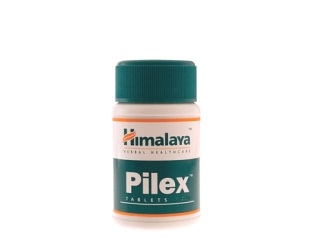
Pilex (Medicinal Herb Preparation) — Patient-Friendly Guide (Australia)
Pilex is an over-the-counter herbal medicine commonly used to help relieve symptoms associated with piles (haemorrhoids). It contains a blend of medicinal plant extracts traditionally used in the management of mild to moderate pile symptoms such as discomfort, itching, swelling, and bleeding.
This guide is designed to help you understand how Pilex may work, when and how to take it, what to expect, and important safety information. Always follow the instructions on the pack or the advice of your healthcare professional.
Key Product Information
- Medicine name: Pilex
- Type: Herbal medicine preparation
- Common use: Relief of piles (haemorrhoids) symptoms
- Typical forms: Oral tablets/capsules (depending on brand presentation)
- Availability: Generally available in pharmacies and online pharmacies in Australia
- Regulatory note: In Australia, listed medicines are regulated under the Therapeutic Goods Act 1989 and are usually supplied as listed or registered products depending on their classification.
Note: Always check your specific Pilex pack for the exact strength, ingredients, and dosing instructions.
What Are Piles (Haemorrhoids)?
Piles (haemorrhoids) are swollen veins in the lower rectum or anus. They can be:
- Internal: often cause bleeding, sometimes with minimal pain
- External: often cause pain, swelling, and itching
Common symptoms include:
- Itching or irritation around the anus
- Pain or discomfort, particularly when sitting or during bowel movements
- Swelling or a “lump” feeling
- Bleeding (often bright red)
Many people benefit from a combination of treatment and lifestyle measures (e.g., fibre, hydration, and avoiding straining).
How Pilex Works (Mechanism of Action)
Pilex is an herbal formulation intended to provide symptom relief in haemorrhoids. While individual ingredients vary by product version, herbal haemorrhoid treatments typically aim to:
- Support local tissue comfort: helping reduce irritation and swelling.
- Promote calming of inflamed areas: many herbal components are traditionally used for anti-inflammatory-like effects.
- Help reduce discomfort during bowel movements: by supporting healing and soothing irritated tissue.
- Support healthy bowel habits: indirectly, by improving symptom burden and encouraging adherence to dietary measures.
Important: Herbal medicines may have complex actions and evidence can vary by ingredient and formulation. Results also depend on your underlying cause (constipation, straining, pregnancy, prolonged sitting, and more).
Pharmacokinetics (Absorption, Distribution, Metabolism, Excretion)
For many complex herbal formulations, detailed pharmacokinetic data (how the body absorbs, distributes, metabolises, and eliminates all active components) may be limited. In general:
- Absorption: Active constituents may be absorbed after oral administration, with absorption influenced by individual metabolism and the presence of other substances in the gut.
- Metabolism: Herbal constituents can be metabolised by liver enzymes and gut microbiota, producing metabolites that may contribute to effects.
- Excretion: Metabolites are typically cleared via the liver and kidneys.
Practical takeaway: Because complete pharmacokinetic information is not always available for each herbal component, it’s best to focus on following dosing instructions and monitoring your symptom response.
Typical Use and Indications
Pilex is generally used for:
- Haemorrhoids (piles) — to help relieve pain, itching, swelling, and discomfort
- Associated symptoms — including mild bleeding due to piles
When to seek medical advice: If bleeding is new, heavy, persistent, or accompanied by severe pain, fever, dizziness, or black/tarry stools, you should get medical assessment promptly. Rectal bleeding can also have other causes.
When to Take Pilex (Timing)
Follow your pack instructions for the exact dosing schedule. In general, oral herbal medicines for piles are taken:
- Regularly (often multiple times per day) for a course of treatment
- At consistent times to maintain steady use
Tips for timing:
- If your dosing is twice daily, consider morning and evening.
- Choose times that you can keep consistently for the full course.
- If you miss a dose, do not double up—take the next scheduled dose.
Note: The “best time” can vary by formulation. Always check the patient information leaflet on your specific product.
Dosing (How Much to Take)
Dosing depends on your age and the exact formulation. Typical dosing for over-the-counter haemorrhoid products often involves oral tablets/capsules taken in divided doses. To stay safe and accurate:
- Use the dosage on the pack or as directed by a pharmacist.
- Do not exceed the stated maximum daily dose.
- For children: only use if the product is specifically labelled for paediatric use and at the correct dose.
Course length: Many people notice symptom improvement within a few days, but haemorrhoid symptoms can improve over a longer period. If symptoms do not improve after the recommended course, or they worsen, consult a healthcare professional.
Food Interactions
Herbal medicines may interact with food in several ways, such as affecting absorption or gastrointestinal comfort. For Pilex:
- General guidance: If the pack instructions allow, you can often take Pilex with or after food to improve tolerability.
- Avoid taking with heavy meals if it makes you feel uncomfortable—try taking it after a meal instead.
- Fibre and hydration are key: regardless of the medicine, keeping stools soft can reduce bleeding and pain.
Gastrointestinal sensitivity: If you experience nausea, cramps, diarrhoea, or stomach upset after taking Pilex, stop and seek advice, especially if symptoms persist.
Alcohol and Medicine Interactions
Because Pilex is an oral herbal medicine, alcohol may increase the risk of side effects such as stomach irritation in some people. There may also be concerns with alcohol if you take other medicines that affect digestion, clotting, or liver metabolism.
- Alcohol: It’s generally sensible to keep alcohol intake moderate and stop drinking if it worsens symptoms.
- Other medicines: If you take blood thinners, anti-platelet medicines, or other regular therapies, check for interactions with a pharmacist.
Special note about bleeding: If you’re experiencing rectal bleeding from piles, alcohol can worsen dehydration and constipation in some people, potentially making symptoms more likely to flare.
Safety Profile and Side Effects
Like all medicines, Pilex can cause side effects, although not everyone gets them. Most people tolerate herbal haemorrhoid treatments well.
Common or mild side effects
- Stomach discomfort or nausea
- Mild gastrointestinal upset
- Changes in bowel habits (occasionally)
Seek medical advice urgently if you experience
- Signs of an allergic reaction (e.g., rash, itching, swelling of face/lips, breathing difficulty)
- Severe or persistent bleeding
- Severe abdominal pain, fever, or feeling faint
Who should be extra cautious
- Pregnancy and breastfeeding: consult a clinician before use
- People with chronic liver or kidney disease: discuss with a pharmacist
- Those with ongoing rectal bleeding or symptoms that don’t settle
- Individuals with known herb or plant allergies
When to stop: If you develop an adverse reaction, stop the product and seek advice.
Practical Use Tips (To Improve Results)
Medicine can help, but symptom control for piles usually improves fastest when combined with lifestyle measures.
1) Keep stools soft
- Increase fibre gradually (e.g., fruits, vegetables, legumes, whole grains)
- Drink enough water through the day
- Consider a bulk-forming fibre supplement if advised
2) Avoid straining
- Don’t sit on the toilet for long periods
- Go when you feel the urge
- Use a small footstool to improve toilet posture (knee-raised position)
3) Reduce irritation
- Gently clean the area with water; avoid harsh soaps
- Wear breathable cotton underwear
- Avoid prolonged friction and excessive wiping
4) Manage pain safely
- Use warm sitz baths (sitting in warm water) if comfortable
- Ask a pharmacist which pain relief option is suitable for you
5) Track your symptoms
- Note bleeding frequency, pain level, and swelling
- If there’s no improvement after the recommended course, seek guidance
Alternative Options for Piles (Haemorrhoids)
If you’re not sure Pilex is right for you, or symptoms persist, there are other approaches. Alternatives may include:
Non-medicine measures
- Dietary fibre and stool softeners
- Hydration
- Warm sitz baths
- Improved toilet posture and reduced straining
Over-the-counter topical treatments
- Rectal creams or ointments for pain/itch relief
- Wipes designed for sensitive skin
- Barrier creams to reduce irritation
Other oral options
- Bulk-forming fibre supplements
- Osmotic laxatives (where appropriate) to support softer stools
When to consider clinician-led treatments
- Large prolapsing piles
- Persistent bleeding
- Recurrent symptoms despite good self-care
- Severe pain or suspected thrombosed haemorrhoids
Your pharmacist or doctor can help you choose the most suitable option based on symptom severity and your health history.
Market and Legal Context in Australia
In Australia, complementary and herbal medicines are regulated to help ensure quality, safety, and performance. Depending on product status, medicines may be:
- Listed medicines (complementary medicines) or
- Registered medicines (with higher levels of scrutiny)
Suppliers must comply with applicable Australian regulatory requirements, including manufacturing standards and product labelling. When buying online, it’s important to choose reputable sellers that provide:
- Clear label information (ingredients, dosage instructions, cautions)
- Expiry date and batch details
- Secure checkout and reliable delivery
Recent guidance: Australian regulators frequently update advice about complementary medicines, including how products are represented and the importance of reading labels and seeking medical advice when symptoms are severe or persistent. Always follow pack directions and consult a healthcare professional if you are unsure.
Delivery and Availability (Online Pharmacy)
Availability can vary by supplier and state. When purchasing online in Australia, check:
- Current stock status on the product page
- Delivery estimates and shipping costs
- Packaging (protective outer packaging to reduce damage)
- Expiry date (where provided)
Delivery considerations:
- Most deliveries are sent via standard courier services.
- Use the contact details provided during checkout to avoid delays.
- If you have special needs (e.g., leave-at-door restrictions), select the appropriate delivery option.
If you need the product urgently, look for options like express delivery where available.
Recent Guidance and “Know When to Get Help”
Because piles can resemble other rectal conditions, it’s important to know when self-care isn’t enough. Seek prompt medical advice if you have:
- Ongoing bleeding or bleeding that increases
- Black/tarry stools or blood mixed with stool
- Unexplained weight loss, persistent changes in bowel habits, or severe abdominal pain
- Fever, worsening swelling, or strong worsening pain
- Symptoms that do not improve after the recommended course of treatment
Also consider medical advice if you’re older, have a family history of bowel disease, or you’re experiencing your first episode of rectal bleeding.
FAQ — Pilex for Piles (Haemorrhoids)
1) How long does it take for Pilex to work?
Many people notice some symptom relief within a few days. Haemorrhoid flare-ups can take longer to settle, particularly if constipation or straining is ongoing. If you don’t see improvement within the timeframe described on your pack, seek advice.
2) Can I take Pilex with other medicines?
It may be possible, but interactions depend on what you take. If you’re on regular medications (especially for bleeding/clotting, liver conditions, or digestive conditions), ask a pharmacist to check suitability.
3) Is Pilex suitable for everyone?
Most adults can use it as directed. However, extra caution may be needed during pregnancy, breastfeeding, or if you have known allergies to ingredients. Check the label and ask a pharmacist if you’re unsure.
4) What if my symptoms include heavy bleeding?
Heavy or persistent bleeding should be assessed promptly. Rectal bleeding can have causes other than piles, and you may need medical evaluation.
5) Does Pilex treat the underlying cause of piles?
Pilex is intended to help relieve symptoms. Supporting measures—like fibre, hydration, and avoiding straining—help address contributing factors such as constipation.
6) Should I use Pilex if I have pain but no bleeding?
Yes, piles can be painful without bleeding. Use as directed on the pack and continue self-care measures. If pain is severe or worsening, seek advice.
7) Can I drink alcohol while using Pilex?
Moderate alcohol intake may be tolerated by many people, but alcohol can contribute to dehydration or constipation and may irritate the gastrointestinal tract. If alcohol worsens your symptoms, avoid it during treatment.
8) Can children use Pilex?
Children should use only if the product label specifically states it’s suitable for that age group and the dose is clearly provided. If not, speak with a pharmacist or clinician.
9) What should I do if I miss a dose?
Take it when you remember unless it’s close to the next dose. Do not double doses. Follow the pack instructions.
10) Are there any signs of an allergic reaction?
Yes. Stop use and seek urgent help if you develop rash, hives, swelling of face/lips, wheezing, or breathing difficulty.
Summary
Pilex is an oral herbal medicine used to help relieve symptoms of piles (haemorrhoids), including discomfort, itching, swelling, and mild bleeding associated with piles. For best results, use it according to the pack directions and combine treatment with proven self-care steps such as increasing fibre and water, avoiding straining, and maintaining gentle hygiene.
If you have severe symptoms, persistent bleeding, or no improvement after the recommended course, seek professional medical advice promptly.
At-a-Glance Information
| Topic | What to Know |
|---|---|
| Primary use | Helps relieve haemorrhoid (pile) symptoms such as pain, itching, swelling, and discomfort. |
| How it may work | Herbal components are traditionally used to soothe irritation and support comfort in inflamed tissue. |
| Timing | Take at the times stated on the pack; consistency helps. |
| Food | Often taken with or after food if tolerated; follow label instructions. |
| Alcohol | May worsen gastrointestinal irritation or constipation in some people—keep intake moderate. |
| Safety | Stop if you develop allergy signs; seek advice if symptoms worsen or bleeding is heavy/persistent. |