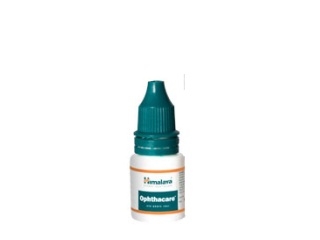


Ophthacare Eye Drops (Australia) – Patient Information
Ophthacare is an ophthalmic (eye) product used to help soothe and support eye comfort. This page provides general, patient-friendly information about what Ophthacare is, how it works, how to use it, and key safety considerations for people in Australia.
Important: Eye conditions can sometimes be serious. If you have significant pain, sudden vision changes, heavy discharge, or symptoms that worsen, seek urgent medical advice. Always read the product label and follow the instructions provided with the specific Ophthacare version you purchase.
Quick Product Summary
| Category | Details |
|---|---|
| Product | Ophthacare eye drops (ophthalmic solution) |
| Purpose | Helps relieve and protect the surface of the eye; supports comfort |
| How it’s used | Applied directly to the eye(s) |
| Typical dosing approach | Varies by indication and product strength—follow the package instructions |
| Who may use it | People experiencing eye discomfort/dryness or irritation (where appropriate) |
| Common side effects | Mild, temporary stinging or blurred vision for a short time after instillation |
What is Ophthacare?
Ophthacare is an eye drop product designed to improve comfort by acting on the surface of the eye. Many people use similar products to address symptoms such as:
- Dryness or a gritty feeling
- Mild irritation from everyday environmental factors
- Discomfort from screen use or air conditioning
- Supporting comfort during conditions that affect the tear film (as recommended)
The exact active ingredients and strengths depend on the specific Ophthacare formulation available in Australia. For the most accurate information, check the label for the active ingredient(s), strength, and directions.
How Ophthacare Works (Mechanism of Action)
Eye drops for comfort commonly work by supporting the tear film—the thin layer of fluid that coats the eye’s surface. Depending on the formulation, Ophthacare may:
- Moisten and lubricate the eye surface to reduce friction and dryness-related discomfort
- Help stabilise the tear film to improve comfort over time
- Support protective functions that help reduce irritation caused by exposure to dry air, wind, dust, or screen-related reduced blinking
- Reduce sensations such as burning, stinging, or grittiness associated with an unstable tear film
If your Ophthacare contains a specific pharmacologically active ingredient (rather than being purely lubricating), the mechanism may include additional actions. Refer to the product packaging for the stated indication and composition.
Pharmacokinetics (What the Body Does With the Medicine)
For eye drops used to improve comfort, systemic absorption is usually limited because the product is applied locally to the eye. Many ophthalmic lubricating and soothing preparations mainly act at the surface of the eye.
In general terms, after instillation:
- Distribution: The drop spreads over the tear film and cornea/conjunctiva surface.
- Retention: Some of the product may remain on the ocular surface for a period before being diluted or cleared by tears.
- Elimination: Excess fluid drains through the nasolacrimal duct into the nose and throat, and is swallowed or cleared.
- Systemic exposure: Usually low for locally acting eye preparations; however, any product can be partially absorbed.
Specific pharmacokinetic data can differ by active ingredient and formulation. For precise details, consult the product’s consumer medicine information and ingredient list.
Typical Uses and Indications
Ophthacare is typically used for eye comfort and dryness-related symptoms, where appropriate. Depending on the exact formula, it may be recommended for:
- Relief of dry eye symptoms such as burning, stinging, or grittiness
- Temporary relief from irritation due to environmental factors
- Support for tear film stability during screen time or reduced blinking
- Comfort during mild ocular surface dryness (as advised)
It’s not meant to replace treatment for more serious eye diseases. Ophthacare may not address infections or conditions requiring prescription-strength therapies.
How to Use Ophthacare (Dosing and Timing)
Always follow the dose and frequency stated on the Ophthacare packaging or the specific directions supplied with your item. Below is a general guide commonly used for eye comfort products.
Typical dosing approach
- Adults: One drop in the affected eye(s, if applicable) as directed.
- Frequency: Often up to several times daily for symptom relief; exact frequency varies by formulation.
- Treatment duration: Use for as long as symptoms persist, or as advised by a healthcare professional.
When to apply it
Many people find it helpful to use Ophthacare:
- First thing in the morning if symptoms are worse on waking
- During the day when dryness or burning occurs
- Before or after screen work
- Before bedtime if the eyes feel dry overnight
Step-by-step practical application
- Wash your hands thoroughly.
- Shake the bottle only if the label says so.
- Remove contact lenses if you wear them (unless the product specifically states it is compatible).
- Look up and gently pull down the lower eyelid to create a small pocket.
- Hold the dropper close to your eye without touching the eye.
- Instil one drop into the pocket.
- Close your eye gently and press lightly at the inner corner (near the nose) for 1 minute if comfortable.
- Wipe away excess fluid with clean tissue.
- Wash your hands again.
If you miss a dose
Apply it when you remember unless it is close to the next dose. Do not use extra drops to make up for a missed dose.
Using Ophthacare With Other Eye Products
If you use more than one eye product (for example, lubricating drops plus another eye medication), spacing can help prevent dilution and improve effectiveness.
- Separate products by at least 5–10 minutes when possible.
- If you also use an ointment, it’s often applied last because it stays on the eye longer.
If you are unsure, check the product instructions or ask your pharmacist for advice.
Food and Beverage Interactions
Because Ophthacare is applied to the eye, food interactions are generally not expected. However, any eye drop product may be partially cleared into the throat via the tear drainage system. This is usually not clinically significant for locally acting comfort drops.
There is typically no need to change meals or avoid specific foods when using Ophthacare. Follow normal dietary advice unless your healthcare professional advises otherwise.
Alcohol and Medicine Interactions
For locally acting eye drops, a direct interaction with alcohol is unlikely. Still, alcohol can contribute to dryness (for example, by affecting hydration), and dryness can worsen eye discomfort.
Consider these points:
- Alcohol: Drinking alcohol may aggravate dry eye symptoms in some people.
- Other medicines: If you use additional ophthalmic products, follow spacing guidance to avoid dilution.
- Systemic medications: Interactions are uncommon due to limited systemic absorption, but always review your full medication list if you have concerns.
Seek professional advice if you have complex medical conditions, are using multiple eye medicines, or experience unexpected reactions.
Safety Profile and Side Effects
Most people tolerate eye comfort drops well. Side effects—when they occur—are usually mild and temporary.
Common (often mild) side effects
- Temporary stinging or burning after instillation
- Watery eyes
- Blurred vision for a short time (usually resolves quickly)
- Mild redness
Less common but important reactions
- Allergic-type reactions (itching, swelling, worsening redness)
- Persistent irritation that does not improve after use
When to stop and seek urgent care
Contact a healthcare professional urgently (or seek emergency help) if you have:
- Severe eye pain
- Sudden or significant vision changes
- Marked sensitivity to light
- Significant swelling around the eye
- Thick discharge (especially yellow/green) or fever
- Symptoms that worsen or do not improve after several days of use
Who should be extra cautious?
- People with known eye allergies
- Those with a history of adverse reactions to eye drops
- People wearing contact lenses (follow lens compatibility and removal guidance)
- Anyone with known corneal problems—especially if pain/photophobia is present
Practical Use Tips for Better Comfort
- Don’t touch the dropper tip to your eye or eyelashes to reduce contamination.
- Use gentle pressure at the inner corner after instilling to reduce drainage and improve comfort.
- Consider room humidity: a humidifier can reduce dryness, particularly in winter or air-conditioned spaces.
- Improve blink habits during screen work—take short breaks and blink deliberately.
- Protect from wind and dust with sunglasses when outdoors.
- Store correctly as directed on the label (temperature and cap closure).
- Check expiry: use before the expiry date; discard if the bottle is past its in-use period (if listed).
If you wear contact lenses, ensure you follow the product’s guidance. Some lubricating solutions are safe with lenses, while others require removal. Always verify on the label.
Alternative Options (What Else Can Help?)
Depending on the cause of your symptoms—dry eye, screen-related irritation, allergy, or inflammation—different types of eye products may be more suitable. Common alternatives include:
- Artificial tears (lubricating drops) – for general dryness and tear film support
- Gel or ointment formulations – may provide longer-lasting moisture, especially at night
- Preservative-free lubricants – often preferred if you need frequent dosing or have sensitive eyes
- Anti-allergy eye drops – if itching is a prominent feature (suggestive of allergic conjunctivitis)
- Warm compresses and eyelid hygiene – beneficial for certain eyelid-related dry eye (e.g., meibomian gland dysfunction)
If symptoms persist despite using lubricating drops, a pharmacist or eye care professional can help guide you toward a more targeted approach.
Market and Legal Context for Australia
In Australia, medicines and health products are regulated to support safe quality, labelling, and appropriate access. Eye drops are available in different categories depending on their ingredients and intended use.
When shopping for Ophthacare in Australia, look for:
- Australian product labelling including active ingredient(s), strength, and directions for use
- Expiry date and storage instructions
- Batch/lot details where applicable
- Consumer information included with the product (where required)
If you’re unsure about whether Ophthacare is suitable for your specific symptoms, consider speaking with a pharmacist. They can help you select an appropriate product and understand safe use.
Recent Guidance and Ongoing Eye Care Considerations
Ongoing public health and eye-care advice in Australia often focuses on:
- Using eye drops safely (correct technique and hygiene)
- Recognising red flags such as severe pain, discharge, or vision change
- Contact lens safety and appropriate lens removal/compatibility guidance
- When to seek professional assessment if symptoms persist
If your symptoms are new, severe, or recurrent, it’s wise to get appropriate assessment rather than relying on comfort drops alone.
Delivery and Availability (Australia)
Ophthacare is commonly available through online pharmacies and selected retailers, depending on the exact formulation and local supply. Availability may vary by state and by the specific product line.
When purchasing online in Australia, you can typically expect:
- Home delivery to Australian addresses
- Packaging designed for safe transport
- Tracking updates (where offered by the retailer)
Delivery timeframes depend on your location and dispatch schedules. Check the store’s delivery information at checkout.
Storage and Handling
- Store at the temperature specified on the label.
- Keep the cap tightly closed.
- Avoid contaminating the dropper tip—do not touch it to the eye or surrounding skin.
- Do not use after the expiry date or after the “discard after opening” period listed on the product.
FAQ – Frequently Asked Questions
1) What is Ophthacare used for?
Ophthacare is used to help relieve eye discomfort associated with dryness and irritation by supporting the eye’s surface and tear film. Always confirm the indication on the packaging for your specific product.
2) How many times a day can I use Ophthacare?
The number of doses per day depends on the formulation and the directions on the label. Many eye comfort drops are used multiple times daily, but follow the product instructions provided with your bottle.
3) Can I use Ophthacare with contact lenses?
Contact lens compatibility depends on the ingredients and preservatives used. Check the label. If unsure, remove lenses before applying and wait the recommended time before reinserting.
4) Will Ophthacare interact with my other medications?
Direct interactions are unlikely because it is used locally in the eye. However, if you also use other eye drops, separate them by about 5–10 minutes to avoid dilution.
5) Can I use Ophthacare if I’ve had eye surgery?
Eye surgery can change how the eye responds. It’s best to seek guidance from your eye surgeon or pharmacist—especially if you are within the post-operative period.
6) Is Ophthacare suitable for children?
Suitability for children depends on the formulation and age guidance on the label. Speak with a pharmacist for age-appropriate advice.
7) Why do my eyes sting after using the drops?
Mild stinging can happen, especially if the eye surface is irritated or dry. If burning is severe, persistent, or accompanied by worsening redness or discharge, stop use and seek advice.
8) What if my symptoms don’t improve?
If your symptoms do not improve after a few days of correct use—or they worsen—get a clinical review. Some eye conditions require targeted treatment beyond lubricating drops.
9) Can I drive after using Ophthacare?
Some people experience temporary blurred vision after instillation. If your vision is affected, wait until it clears before driving or operating machinery.
10) Should I avoid alcohol?
No specific alcohol-drug interaction is expected with locally acting eye drops. However, alcohol may worsen dryness in some people, so consider moderating intake if you notice increased symptoms.
Important Reminder
Eye drops can help with comfort, but they don’t replace assessment for serious eye problems. If you experience significant pain, sudden vision change, heavy discharge, or symptoms that rapidly worsen, seek urgent care.
For the most accurate dosing and safety information, always refer to the Ophthacare label and consumer information leaflet supplied with your product.