
Molnunat (Molnupiravir) – Patient-Friendly Information (Australia)
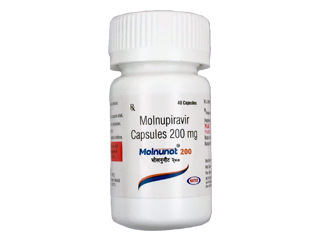
Molnunat contains molnupiravir, an antiviral medicine used to help treat certain adults with COVID-19. This page provides clear, practical information about what the medicine does, how it works, how to take it, and what to consider before and during treatment. Always follow the instructions provided with your medicine and the advice of your healthcare professional.
Quick overview
| Topic | Key points |
|---|---|
| Active ingredient | Molnupiravir |
| Medicine type | Oral antiviral (tablet/capsule depending on brand presentation) |
| Common use | Treatment of mild-to-moderate COVID-19 in adults at higher risk of progressing to severe disease (where appropriate) |
| Typical course length | 5 days |
| Best timing | Start as soon as possible after diagnosis; ideally within 5 days of symptom onset |
| How it’s usually taken | Taken by mouth; dosing depends on the prescribed regimen |
| Food | Can generally be taken with or without food |
Basic product information
- Brand: Molnunat
- Generic name: Molnupiravir
- Form: Oral antiviral medicine
- Therapeutic area: Antiviral therapy for COVID-19
Molnupiravir is designed to reduce the ability of the virus to replicate inside the body. It is intended for use in specific situations, and its suitability depends on your individual clinical factors and the circulating variant at the time.
Mechanism of action (how Molnunat works)
Molnupiravir works by interfering with how the virus copies its genetic material. It is converted in the body into an active form that behaves like a “mistake” building block. When the virus tries to copy its RNA, these changes increase the number of errors in viral replication.
Over time, this leads to an increased likelihood of non-viable viral particles, reducing the ability of the virus to spread and multiply.
Pharmacokinetics (what the body does with it)
Pharmacokinetics describes how a medicine is absorbed, distributed, metabolised, and eliminated. While exact values may vary between individuals, the key practical points include:
- Absorption: After taking by mouth, molnupiravir is absorbed and converted to an active form.
- Metabolism/activation: Molnupiravir is transformed in the body into its active metabolites that interfere with viral replication.
- Distribution: The active metabolites reach tissues where the virus is replicating.
- Elimination: Metabolites are cleared mainly through normal metabolic pathways and excretion processes.
Practical takeaway: Because the medicine must work early in the illness, the most important factor is starting promptly after symptom onset and completing the full course as directed.
Indications (when Molnunat is used)
Molnunat (molnupiravir) is indicated for the treatment of mild-to-moderate COVID-19 in adults who are at higher risk of progression to severe disease, hospitalisation, or death—when treatment is started early and based on current clinical guidance.
Eligibility depends on factors such as:
- Age and risk factors (for example, certain chronic conditions)
- Time since symptom onset
- Whether other antiviral options are suitable
- Drug–drug interaction risks
Important: Molnunat is for early COVID-19 treatment in appropriate patients. It is not a substitute for urgent medical care if you develop severe symptoms.
Typical dosing and timing
Dosing regimens can vary by product presentation and guideline updates. The following is a general description of how molnupiravir is commonly used; always use the instructions provided with your medicine or by your treating clinician.
Typical course length
- Duration: Usually 5 days
- Goal: Start treatment as soon as possible after diagnosis
- Time window: Ideally within 5 days of symptom onset
Timing within the day
- Molnupiravir is commonly taken twice daily (morning and evening) in a 5-day course.
- Try to take each dose around the same times each day to maintain consistent levels.
If you miss a dose
- If you miss a dose, take it when you remember unless it is close to the time of the next dose.
- Do not take a double dose to make up for the missed one.
- If you are unsure, contact your pharmacy or healthcare professional for advice.
How to take Molnunat (practical use tips)
- Start promptly: Treatment is most effective when started early. Don’t wait for symptoms to worsen.
- Follow the full course: Even if you feel better, complete the 5 days unless told otherwise.
- Swallow whole: Unless your product instructions say otherwise, swallow tablets/capsules with water.
- Use a reminder: Set alarms on your phone to help you stay on schedule.
- Monitor symptoms: Keep track of temperature, breathing, oxygen levels (if you have a device), and symptom changes.
Seek urgent medical care if you experience warning signs such as difficulty breathing, chest pain, confusion, bluish lips/face, or a rapidly worsening condition.
Food interactions (can you take it with meals?)
Molnupiravir can generally be taken with or without food. However, to improve comfort and reduce nausea for some people:
- Consider taking it with a light meal or snack if you experience stomach upset.
- Stay hydrated throughout the course.
If your medicine instructions specify a particular approach (for example, with food), follow those directions.
Alcohol and medicine interactions
Alcohol
It’s generally recommended to limit alcohol while you are ill and while taking antiviral medicines. Alcohol can worsen dehydration, fatigue, and recovery time. While specific interactions with molnupiravir may not be the main concern, alcohol may increase the chance of side effects such as dizziness or nausea.
Other medicines (interactions)
Molnupiravir has potential for interactions through how it is metabolised and how other medicines affect drug processing in the body. Because individual medication lists differ, it’s essential to review potential interactions.
Before taking Molnunat, tell a healthcare professional or your pharmacist if you use:
- Medicines for seizures (some anti-epileptics may affect metabolism)
- Anticoagulants (“blood thinners”)
- Medicines that affect the immune system
- Any other antivirals or COVID-19 treatments
- Herbal products (for example, St John’s wort) or high-dose supplements
Practical advice: Provide your full medication list (including over-the-counter products) to ensure no clinically important interaction is overlooked.
Safety profile (what to expect and key precautions)
Like all medicines, molnupiravir can cause side effects. Most people tolerate it, but some may experience adverse effects that warrant medical advice.
Common side effects
- Diarrhoea
- Nausea
- Dizziness
- Headache
- General tiredness
Less common but important to discuss
- Severe or persistent vomiting/diarrhoea leading to dehydration
- Allergic-type reactions (for example, rash, swelling, trouble breathing)
- Any new or worsening symptoms that concern you
Special populations and precautions
Certain groups may require additional caution or alternative treatment options:
- Pregnancy and breastfeeding: Guidance has advised careful consideration due to potential risks observed in non-clinical studies. Discuss risks and benefits urgently with a healthcare professional.
- People of childbearing potential: Consider fertility and family-planning guidance provided with therapy. Use reliable contraception as advised.
- Severe illness or hospitalisation: This antiviral is generally intended for early, mild-to-moderate COVID-19; different treatment pathways apply for severe disease.
- Kidney or liver impairment: Eligibility and dosing may depend on clinical factors. A clinician/pharmacist can advise based on your condition.
Stop and seek help if you develop signs of a serious allergic reaction or severe side effects.
Indications vs. alternatives (what else may be used?)
COVID-19 treatment options in Australia may include:
- Other oral antivirals (such as agents with different mechanisms and eligibility criteria)
- Monoclonal antibodies (depending on availability and variant susceptibility at the time)
- Supportive care such as fluids, paracetamol for fever/pain, and monitoring
Why alternatives matter: Some treatments are preferred in certain patient groups due to interaction profile, timing, or evidence of benefit. A healthcare professional can help choose the most appropriate option.
Recent guidance and evolving COVID-19 treatment pathways in Australia
COVID-19 recommendations have evolved over time as variants change and new evidence emerges. In Australia, guidance typically considers:
- Which patients are highest risk
- How early treatment is started
- Whether specific antivirals are available and suitable
- Drug–drug interactions and patient safety
- Local public health and clinical advice
Always check for the latest advice from relevant Australian health authorities or your healthcare team. If you were previously told one option, recommendations may change based on new evidence or local supply.
Delivery and availability (Australia)
Availability of Molnunat may vary depending on supply, prescribing/dispensing pathways, and current clinical guidance. For online pharmacy services, typical steps include:
- Product listing: Molnunat appears as an item for eligible customers where available.
- Verification: Your order may require medication suitability checks and confirmation of relevant health information.
- Shipping: Delivery options depend on your location within Australia and the pharmacy’s courier network.
- Packaging: Medicines are usually shipped in secure protective packaging with clear labelling.
If you don’t see Molnunat available for your area or your order can’t be processed, contact customer support or a pharmacist for alternative options.
What to do if symptoms worsen
Even when taking antiviral medicine, some people may deteriorate. Contact a clinician or seek urgent help if you develop:
- Shortness of breath or worsening breathing difficulty
- Chest pain or persistent pressure in the chest
- New confusion, extreme drowsiness, or inability to stay awake
- Bluish lips or face
- Oxygen saturation dropping (if you monitor at home)
FAQ about Molnunat (molnupiravir)
1) How quickly should I start Molnunat?
For the best chance of benefit, start as soon as possible after diagnosis and ideally within 5 days of symptom onset. Don’t delay waiting for symptoms to worsen.
2) Can I take Molnunat with food?
Generally, yes. Molnupiravir can often be taken with or without food. If you experience nausea, taking it with a light meal may help.
3) Is Molnunat safe with other common medicines?
Some medicines may interact with molnupiravir or affect how it is processed in the body. Provide your complete medication list (including over-the-counter products and supplements) to a pharmacist so they can check for important interactions.
4) Can I drink alcohol while taking Molnunat?
It’s recommended to avoid or limit alcohol while you’re sick and taking antiviral treatment. Alcohol can worsen side effects and delay recovery.
5) What side effects should I watch for?
Common side effects include diarrhoea, nausea, dizziness, and headache. Seek medical help urgently for signs of a serious allergic reaction or severe dehydration from vomiting/diarrhoea.
6) What if I miss a dose?
If you miss a dose, take it when you remember unless it is close to your next scheduled dose. Do not take a double dose. If unsure, consult your pharmacist.
7) Can children take Molnunat?
Molnupiravir is typically used in adults for early treatment of COVID-19. Use in children may be restricted or subject to specific eligibility and guidance.
8) What about pregnancy or breastfeeding?
Because of potential risks, decisions about use in pregnancy or breastfeeding require careful consideration. Discuss risks and benefits promptly with a healthcare professional.
9) Does Molnunat cure COVID-19?
Molnupiravir is designed to reduce viral replication and lower the risk of progression in appropriate patients when started early. It supports recovery but does not replace supportive care and monitoring.
10) How do I know if Molnunat is right for me?
Suitability depends on your age, risk factors, timing since symptoms began, and other health conditions/medicines. A clinician or pharmacist can advise based on current guidance.
Summary
Molnunat (molnupiravir) is an oral antiviral medicine used for the early treatment of mild-to-moderate COVID-19 in adults at higher risk of severe disease, when started promptly—ideally within 5 days of symptom onset. It works by increasing errors during viral replication, thereby reducing the virus’s ability to multiply. Most people take it as a short 5-day course, typically twice daily, and can often take it with or without food. As with any medicine, discuss safety considerations—especially pregnancy/breastfeeding and medication interactions—and seek urgent medical help if symptoms worsen.