Hydrea (Hydroxyurea) – Patient Information (Australia)
Hydrea is a brand of hydroxyurea, a medicine used to treat certain blood disorders and some cancers. This page explains how Hydrea works, how it is used, what to expect, and important safety information. It is written in a patient-friendly way for people in Australia.
Always follow your doctor or prescriber’s instructions exactly. Do not change your dose or stop taking Hydrea without medical advice.
Quick product overview
| Category | Details |
|---|---|
| Generic name | Hydroxyurea |
| Brand name | Hydrea |
| Medicine type | Anticancer/anti-proliferative agent; also used for certain myeloproliferative neoplasms |
| How it works | Helps reduce abnormal blood cell production by interfering with DNA synthesis |
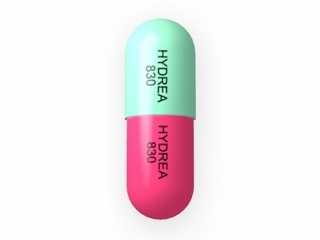
| Form | Oral capsules/tablets (strengths vary by product presentation) |
| Common monitoring | Regular blood tests (full blood count), kidney function, liver function |
What Hydrea is used for
Hydroxyurea is used in specific conditions where slowing down cell growth is beneficial. In Australia, it may be used for:
- Myeloproliferative neoplasms (MPNs) such as:
- Polycythaemia vera (PV) (to help reduce elevated blood counts)
- Essential thrombocythaemia (ET) (for people at higher risk of blood clots or when other treatments are not suitable)
- Myelofibrosis in selected cases (to help control symptoms in some patients)
- Certain cancers (including some advanced or refractory situations), where hydroxyurea can help slow tumour growth by affecting rapidly dividing cells.
Why “cell division” matters: Many of these conditions involve blood cells reproducing too quickly. Hydrea helps reduce that overproduction.
How Hydrea works (mechanism of action)
Hydroxyurea works mainly by:
- Inhibiting ribonucleotide reductase, an enzyme required for making DNA building blocks (this can reduce DNA synthesis).
- Interfering with cell division, particularly in cells that are actively replicating.
For blood disorders such as PV and ET, this means Hydrea can help lower high blood counts (like red cells and platelets) and reduce the risk of complications associated with excessive cell production.
Pharmacokinetics (how the body handles Hydrea)
Pharmacokinetics describes what happens after you take Hydrea by mouth—absorption, distribution, metabolism, and elimination.
- Absorption: Hydroxyurea is absorbed after oral dosing. Taking it regularly helps maintain consistent effects.
- Distribution: It distributes throughout the body and can reach sites where rapidly dividing cells are present.
- Metabolism: Hydroxyurea is metabolised in the body, including through pathways involving the liver.
- Elimination: The medicine and its metabolites are mainly cleared via the kidneys (urine). This is why kidney function can be important for safe use.
- Half-life: The duration of effect varies between individuals; it is not identical for everyone and can be influenced by kidney function and other factors.
What this means for you: Hydrea often works over time, and your dose may be adjusted based on blood test results and how you respond.
Timing and how to take Hydrea
How often: Hydrea is usually taken once daily or as a prescribed schedule depending on the condition and strength of the product.
When to take it:
- Take it at the same time each day if your schedule is daily.
- Try to choose a time that helps you remember (e.g., after breakfast or at bedtime), unless your clinician advised otherwise.
If you miss a dose:
- Follow the instructions provided with your medicine or by your healthcare team.
- In general, if you miss a dose, take it when you remember if it is close to the scheduled time; if it is nearly time for the next dose, skip the missed dose.
- Do not take a double dose to “catch up.”
With or without food: Hydrea can usually be taken with or without food, but see the section below for food interactions and practical tips.
Food interactions
Hydroxyurea may be taken with or without food in many cases. However, people can experience stomach upset depending on the individual. Some practical guidance:
- If Hydrea upsets your stomach, try taking it with food (unless you have been told not to).
- Avoid major changes in your diet around dose times.
- Stay hydrated unless your clinician has restricted fluids.
Important: Always check the specific instructions for your product and follow advice from your treating team.
Alcohol interactions
There is no single universal rule for alcohol with hydroxyurea, but caution is recommended.
- Alcohol may increase risk of side effects such as dizziness, nausea, or liver strain.
- If you have liver disease or abnormal liver tests, discuss alcohol with your doctor before using Hydrea.
- Because Hydrea requires regular blood monitoring, heavy or frequent alcohol use may complicate assessment of side effects.
Practical approach: Limit alcohol as much as possible and seek medical advice if you plan to drink more than usual.
Medicine interactions (other medicines and supplements)
Hydroxyurea can interact with other medicines, mainly due to overlapping effects on the bone marrow, immunity, kidneys, or liver.
Tell your healthcare team about all of the following:
- Prescription medicines
- Over-the-counter medicines (including pain relief and allergy medicines)
- Herbal supplements (e.g., St John’s wort, echinacea)
- Vitamins or high-dose supplements
Examples of interaction concerns to discuss:
- Other medicines that affect bone marrow (e.g., some chemotherapy agents): can increase the risk of low blood counts.
- Radiation therapy: may increase the risk of skin or blood-related side effects in some situations.
- Medicines that affect kidney function: because hydroxyurea clearance involves the kidneys, kidney impairment may increase exposure.
- Immunosuppressants: Hydrea can affect immune function, so combined use may increase infection risk.
Do not start or stop interacting medicines without medical advice.
Dosing – general guidance and what to expect
Hydrea dosing is individualised. The exact dose depends on the condition, blood test results, tolerance, kidney function, and sometimes other medications.
Typical approach (conceptual, not a substitute for your prescription):
- Clinicians often start with a dose tailored to you and then adjust based on full blood count results.
- Dose adjustments may be needed if blood counts fall too low or if side effects occur.
- Some patients require temporary dose interruptions until blood counts recover.
Monitoring plan (very important):
- Regular blood tests are used to track:
- Red blood cells (anaemia)
- White blood cells (infection risk)
- Platelets (bleeding risk)
- Your clinician may also check kidney and liver function.
How long until it helps? Response can vary:
- Some blood count improvements may be seen over days to weeks.
- For some conditions, symptom improvement and longer-term control may take longer.
Do not increase your dose to “speed up” results—lower or higher doses can change safety and effectiveness.
Indications – conditions where Hydrea may be considered
Hydroxyurea has established roles in:
- Polycythaemia vera (PV): to reduce high red cell mass and related complications.
- Essential thrombocythaemia (ET): to lower platelet counts and reduce risk in high-risk people.
- Myelofibrosis (selected cases): sometimes used to help manage symptoms such as enlarged spleen and constitutional symptoms.
- Certain cancers: where slowing down rapid cell growth is clinically helpful.
If you’re using Hydrea for an MPN, your treatment goal may be blood count control and risk reduction (for example, clot prevention), alongside symptom management.
Safety profile – common and serious side effects
Like all medicines, Hydrea can cause side effects. Many are related to its effect on rapidly dividing cells in the bone marrow, which can temporarily lower blood counts. This is why monitoring is essential.
Common side effects
- Low blood counts (may include anaemia, reduced white cells, or low platelets)
- Fatigue or weakness
- Nausea, loss of appetite, stomach discomfort
- Mouth ulcers or soreness
- Headache
- Skin changes (including dryness or darkening of skin in some people)
Serious side effects – seek urgent medical help
Contact a healthcare professional urgently or seek emergency care if you experience:
- Signs of infection: fever, chills, persistent sore throat, or feeling very unwell
- Unusual bleeding or bruising: nosebleeds, bleeding gums, blood in urine/stool, or many new bruises
- Severe shortness of breath, chest pain, or extreme weakness (possible severe anaemia)
- Severe allergic reactions: swelling of face/lips, rash with difficulty breathing
Long-term considerations
Long-term use of hydroxyurea has been associated with certain skin and blood-related risks. Your healthcare team may recommend:
- Regular skin checks and attention to new or changing skin lesions.
- Sun protection (see practical tips below).
- Ongoing blood monitoring to ensure safe levels are maintained.
Fertility and pregnancy: Hydroxyurea may affect rapidly dividing cells, which can include cells involved in reproduction. If you are planning pregnancy, trying to conceive, or breastfeeding, discuss risks and timing with your clinician before starting or continuing treatment.
Practical use tips (to help you stay safe and comfortable)
- Keep up with blood test appointments. These tests are a key part of safe use.
- Take Hydrea the same way every day (same time; consistent routine).
- Use sun protection:
- Wear sunscreen (broad-spectrum), protective clothing, and avoid prolonged sun exposure.
- Report any new skin lesions or persistent sores.
- Oral care: If you get mouth ulcers, use gentle oral hygiene and ask your clinician about suitable mouth care products.
- Infection precautions: If your white blood cell count drops, you may need to take extra care to avoid infections.
- Hydration: Stay well hydrated unless restricted for another medical reason.
- Protect others from contact: Hydroxyurea can be harmful if handled improperly. Avoid crushing or opening capsules unless instructed, and wash hands after handling.
When to talk to your clinician urgently
Contact your healthcare provider promptly if you develop:
- Fever or repeated infections
- Shortness of breath, chest pain, or marked weakness
- Unexpected bruising or bleeding
- Persistent severe mouth ulcers
- New or worsening skin problems
- Symptoms suggesting dehydration or kidney issues (e.g., reduced urination)
Alternative options
Whether you can use an alternative depends on your specific diagnosis, risk category, previous treatments, and your blood test results. In Australia, alternatives for MPNs and related conditions may include:
- For PV and ET: other cytoreductive medicines, depending on your risk and tolerance
- For some patients: targeted therapies or other agents used in specialist care
- Supportive care: treatments to manage anaemia, symptom control, and clot risk (your clinician will tailor this)
Important: Alternatives may have different monitoring needs and side-effect profiles. Discuss benefits and risks with your treating team.
Hydrea in Australia – market and legal context
Hydrea (hydroxyurea) is an established medicine in Australia and is supplied through approved channels. Availability can depend on the specific presentation (e.g., capsule/tablet strength) and supply schedules.
In Australia, medicines like hydroxyurea are typically regulated under national medicines and pharmacy frameworks, and supply arrangements are designed to ensure quality, traceability, and safe use. Your pharmacy will provide product-specific information including storage and packaging details.
Good to know: Because hydroxyurea requires careful monitoring and dose individualisation, medicine supply is often coordinated with your ongoing clinical care and blood test schedule.
Recent guidance and updates (what to watch for)
Guidance for hydroxyurea use can evolve over time based on updated clinical evidence, safety monitoring practices, and specialist recommendations—particularly around:
- Blood test monitoring frequency
- Dose adjustments in response to anaemia, neutropenia, or thrombocytopenia
- Infection risk management
- Long-term safety monitoring, including skin surveillance
Your clinician may also follow the most current recommendations from Australian specialist groups and relevant clinical practice guidelines for your specific diagnosis.
Delivery and availability (online pharmacy Australia)
Availability of Hydrea can vary by strength and presentation, but reputable pharmacies in Australia aim to:
- Dispense the correct product and dose
- Ensure packaging includes the consumer medicine information (where provided)
- Deliver in secure, tamper-evident packaging
Delivery expectations:
- Delivery times can vary by location within Australia.
- Some products may require ordering or verification steps depending on availability.
Storage: Follow storage instructions on the pack. In general, keep medicines:
- At room temperature unless stated otherwise
- In a dry place
- Out of reach of children
Handling: If capsules/tablets are damaged, do not use them—contact your pharmacy for advice.
Hydrea FAQ
1) How does Hydrea make my blood counts change?
Hydroxyurea can reduce the production of new blood cells by interfering with DNA synthesis in rapidly dividing cells. Over time, your full blood count may improve (for example, high platelets or high red cell mass may decrease), but too much suppression can also lower blood cells too far—hence regular monitoring.
2) Will Hydrea cure my condition?
Hydrea is generally used to control the condition and reduce complications. For many patients, it helps stabilise blood counts and symptoms. The overall treatment plan depends on your diagnosis and risk profile.
3) What blood tests will I need?
Commonly, your clinician monitors a full blood count (haemoglobin/red cells, white cells, and platelets). Kidney and liver function tests may also be checked, especially when adjusting doses or if you have other health conditions.
4) Can I take Hydrea with meals?
In many cases, Hydrea can be taken with or without food. If it causes nausea or stomach discomfort, taking it with food may help. Always follow the specific instructions provided with your medicine.
5) Are there foods I should avoid?
There are no specific “forbidden” foods universally. However, maintaining good hydration and a balanced diet can support wellbeing during treatment. If you have particular dietary restrictions, discuss them with your healthcare team.
6) Can I drink alcohol while on Hydrea?
It’s best to limit alcohol and seek individual advice, especially if you have liver problems, abnormal liver tests, or frequent side effects like nausea or fatigue.
7) What should I do if I feel very unwell?
If you have fever, signs of infection, unusual bleeding, severe weakness, or worsening symptoms, contact a healthcare professional urgently. Hydrea can affect immunity and blood counts, so fast assessment is important.
8) Can Hydrea affect my skin?
Yes. Some people notice skin changes, and long-term use may require attention to skin health. Use sun protection and report any new or persistent skin lesions to your clinician.
9) Does Hydrea interact with other medicines?
It can. Tell your healthcare team about all medicines and supplements. Interactions may increase risks such as low blood counts, infection, or effects on kidneys and liver.
10) What happens if I stop Hydrea?
Stopping can allow blood counts or symptoms to worsen again, depending on your condition. Always discuss stopping or changing your treatment plan with your clinician.
Important reminder: This information is general and may not cover every individual situation. For advice tailored to you, speak with your doctor or pharmacist.