
Glycomet (Metformin) – Patient-Friendly Guide (Australia)
Glycomet is a brand of metformin, a well‑established medicine used to help manage type 2 diabetes. It works by improving how your body uses sugar (glucose) and by reducing the amount of glucose your liver releases into the bloodstream. Many people find it a reliable, long‑term option—especially when combined with healthy eating, physical activity, and regular monitoring.
This guide explains how Glycomet works, when to take it, common interactions (including with food and alcohol), typical dosing approaches, safety considerations, and practical tips for everyday use. It is written for patients across Australia and includes helpful “what to watch for” information.
1) Basic product information
| Item | Details |
|---|---|
| Medicine | Glycomet |
| Active ingredient | Metformin (commonly as immediate‑release tablets or modified/extended‑release forms) |
| What it is used for | Management of type 2 diabetes; sometimes used in specific situations as advised by clinicians |
| Common benefits | Improves blood glucose control, may assist with weight neutrality, and supports long‑term diabetes care |
| Typical side effects | Gastrointestinal symptoms (e.g., nausea, diarrhoea), especially when starting or increasing dose |
| Key safety watch‑outs | Lactic acidosis risk is rare but serious; kidney function matters |
2) How Glycomet works (mechanism of action)
Metformin primarily reduces blood glucose by targeting the body’s liver glucose output and improving insulin sensitivity. In simple terms, it:
- Decreases glucose production in the liver (often described as reducing gluconeogenesis).
- Improves insulin sensitivity in peripheral tissues, helping your body use glucose more effectively.
- May reduce intestinal glucose absorption (contributes to overall glucose lowering).
- Supports a more stable glucose profile when taken consistently with food guidance and monitoring.
Unlike some other diabetes medicines, metformin on its own typically has a low risk of causing hypoglycaemia (low blood sugar). However, the overall risk can increase if it is used in combination with other glucose‑lowering medicines.
3) Pharmacokinetics (how your body handles metformin)
Pharmacokinetics describes what the body does to a medicine—absorption, distribution, metabolism, and elimination.
- Absorption: Metformin is absorbed from the gastrointestinal tract. The rate and extent can vary depending on the specific formulation (e.g., immediate‑release vs modified release).
- Distribution: Metformin distributes into tissues and is not extensively metabolised by the body.
- Metabolism: Metformin is not significantly metabolised.
- Elimination: It is mainly cleared by the kidneys via urine. Because of this, kidney function is central to safe use.
- Half‑life: The drug’s activity generally reflects renal elimination, so accumulation can occur in reduced kidney function.
If you have reduced kidney function, your clinician may adjust the dose or choose an alternative approach. Always keep follow‑up appointments for blood tests.
4) Typical use and indications
Glycomet (metformin) is used to treat type 2 diabetes mellitus by lowering blood glucose and helping manage the condition over time.
Common indications include:
- Type 2 diabetes—as an initial therapy in many care pathways, or as part of combination treatment when glucose targets are not met.
- Adjunctive therapy—used together with other glucose‑lowering medicines when needed.
- Metabolic support in selected patients as part of a broader treatment plan.
Your clinician will consider your diabetes history, HbA1c results, kidney function, other medical conditions, and current medicines before choosing the right dose and formulation.
5) Dosing: common approaches for adults
Dosing should be individualised. The information below is general and intended to help you understand typical titration strategies. Follow the instructions given to you with your specific product and your care plan.
Starting dose and titration (to reduce stomach side effects)
- Many people start on a lower dose and gradually increase, allowing the gut to adapt. This approach often reduces diarrhoea, nausea, and abdominal discomfort.
- Dose increases are commonly based on tolerance and glucose results (e.g., HbA1c).
Typical timing of doses
- Once daily may be used with certain modified‑release products (depending on your prescribed form).
- Twice daily (morning and evening) is common for immediate‑release regimens.
- If you experience ongoing gastrointestinal symptoms, splitting the dose more evenly (where appropriate) and taking with meals often helps.
Maximum dose
The maximum daily dose depends on formulation and your kidney function. Your clinician will determine this and monitor safety.
If you miss a dose
- If you miss a dose, take it when you remember unless it is close to the time for the next dose.
- Do not double the dose to make up for a missed one.
- If you’re unsure, ask your pharmacist or clinician.
6) When to take Glycomet: timing and practical routine
The goal is consistent daily use and good stomach tolerance. Most people are advised to take metformin with food.
Practical timing tips
- Take with meals: This can reduce gastrointestinal upset. A common approach is to take it with breakfast and with dinner.
- Use the same times: Consistency improves glucose stability and makes it easier to remember.
- Modified‑release tablets: Swallow whole as directed. Do not crush or split unless instructed by your pharmacist/doctor.
Monitoring schedule (what you may be asked to check)
- Blood glucose (home readings if recommended)
- HbA1c every few months (commonly 3–6 months, depending on targets)
- Kidney function (serum creatinine/eGFR)
- Vitamin B12 levels periodically, especially with long‑term use
7) Food interactions: what to know
Metformin is not strongly “food‑incompatible,” but food can significantly affect how well you tolerate it. Taking it with meals typically improves side‑effect profile.
Recommended approach
- Take with or after meals to help reduce nausea, diarrhoea, and stomach cramps.
- If you’re switching to a new dose, consider taking it with a larger meal (commonly breakfast or dinner) rather than on an empty stomach.
Fibre, gut sensitivity, and hydration
If you have sensitive digestion, gentle dietary changes may help:
- Stay well‑hydrated.
- Gradually increase dietary fibre rather than making abrupt changes when starting or increasing metformin.
- If diarrhoea is persistent, contact your clinician—dose adjustment may be needed.
8) Alcohol interactions and safe drinking guidance
Alcohol can increase the risk of lactic acidosis, a rare but serious condition. This risk may be higher in situations such as heavy alcohol intake, fasting, dehydration, or significant liver problems.
Safer alcohol guidance
- Avoid binge drinking and keep alcohol intake moderate.
- Avoid alcohol when you are unwell, dehydrated, vomiting, or not eating.
- If you drink regularly or have liver disease, discuss your plan with your clinician.
If you develop symptoms suggestive of lactic acidosis (see “When to seek urgent help” below), seek urgent medical care.
9) Medicine interactions (including common combinations)
Metformin can interact with other medicines through kidney effects, glucose effects, or changes in blood acidity. Some interactions require dose changes, monitoring, or temporary adjustments.
Important interaction categories
- Medicines affecting kidney function: Dehydrating medicines (e.g., certain diuretics) or drugs that affect renal blood flow may increase risk if you become dehydrated.
- Glucose-lowering medicines: Combining with insulin or medicines that can cause hypoglycaemia may increase low blood sugar risk (even though metformin alone has low risk).
- Certain contrast agents (iodinated contrast) used for imaging: In some situations, metformin may be temporarily held and restarted after kidney function is checked, depending on eGFR and clinical circumstances.
- Other drugs affecting metabolism/transport: Some medicines can change metformin levels or renal handling.
What to do
- Tell your pharmacist about all medicines you take, including prescription, over‑the‑counter, and herbal products.
- Keep a list of your current medicines so you can check interactions quickly.
- If you’re scheduled for an imaging test with contrast, ask whether you should pause metformin beforehand.
10) Safety profile: common side effects and serious risks
Common side effects
- Gastrointestinal symptoms: nausea, diarrhoea, abdominal discomfort, bloating, indigestion.
- Taste changes (reported by some people).
- Headache (less common).
These symptoms are often worst when starting or increasing the dose and usually improve as your body adapts. Taking metformin with food and following slow titration can help.
Vitamin B12 levels
Long‑term metformin use has been associated with lower vitamin B12 levels in some patients. Your clinician may test B12 periodically and advise supplements if needed.
Rare but serious risk: lactic acidosis
Lactic acidosis is rare, but it is an emergency. The risk may be increased by conditions such as significant kidney impairment, severe dehydration, heavy alcohol intake, serious infection, or acute illness that reduces oxygen delivery to tissues.
Seek urgent medical care if you have:
- Unusual muscle pain
- Severe weakness or feeling very unwell
- Breathing difficulty or rapid breathing
- Unusual sleepiness or dizziness
- Severe or persistent vomiting, abdominal pain
If you are concerned, contact emergency services or go to the nearest hospital.
Who needs extra caution
- Kidney impairment: Kidney function affects metformin clearance.
- Severe infection or conditions causing low oxygen states
- Dehydration from vomiting/diarrhoea or poor intake
- Liver disease or heavy alcohol use
- Older adults (kidney function may be lower even if you feel well)
11) Practical use tips (to get the most benefit safely)
- Start low and go slow: If you experience stomach side effects, discuss dose adjustments or formulation changes rather than stopping abruptly.
- Take consistently: Missing doses can reduce glucose control stability.
- Hydrate: Good hydration supports kidney health and may reduce GI discomfort.
- Watch your glucose readings: Especially when initiating or changing dose or when combining with other diabetes medicines.
- Plan for “sick days”: If you are vomiting, have diarrhoea, cannot eat or drink normally, or have a high fever, ask your clinician whether metformin should be temporarily paused.
- Keep up with blood tests: Kidney function and vitamin B12 monitoring are key parts of safe long‑term use.
12) Alternative options (if you can’t tolerate metformin or need add‑on therapy)
Diabetes care is individual. If metformin is not suitable or not well tolerated, your clinician may consider other treatments depending on your health profile.
Common alternatives/adjuncts (examples)
- Other oral glucose‑lowering medicines (depending on what is appropriate for you).
- Injectable therapies (e.g., GLP‑1 receptor agonists or insulin) when indicated.
- Lifestyle interventions remain foundational: nutrition, weight management, and physical activity.
If side effects are limiting, consider discussing: dose reduction, slower titration, or switching to a modified‑release formulation (if available).
13) Glycomet and kidney function: why eGFR matters
Because metformin is cleared through the kidneys, doctors may use eGFR (estimated glomerular filtration rate) to decide:
- whether metformin is safe to use
- the appropriate starting and maximum dose
- whether additional monitoring is required
If your eGFR is reduced, your clinician may lower the dose or stop metformin if risk becomes too high.
14) Market and legal context for Australia
In Australia, metformin is a widely used medicine and forms part of standard diabetes care pathways. Medicines are supplied according to Australian regulatory requirements and pharmacy standards.
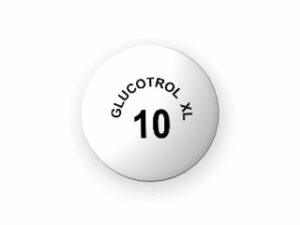
Availability and brand selection can vary by formulation (for example, immediate‑release vs modified/extended‑release). Your pharmacist can advise on product strengths, appearance, and differences between formulations.
For diabetes management, ongoing clinical review is recommended to ensure: safe dosing, appropriate monitoring, and effective glucose control.
15) Recent guidance and best‑practice points (high-level)
Recent diabetes best‑practice emphasises:
- Individualised therapy based on HbA1c targets, comorbidities, and risk factors.
- Kidney function monitoring for safe metformin use.
- Vitamin B12 monitoring with longer‑term use and assessment for symptoms of deficiency.
- Consideration of temporary withholding strategies around certain acute illnesses and procedures (e.g., contrast imaging), guided by clinical factors.
Always follow local advice from your healthcare team, especially if you have kidney impairment or are preparing for a medical procedure.
16) Delivery and availability in Australia (online pharmacy)
Glycomet (metformin) may be available through Australian online pharmacies, subject to stock and product variations. Delivery timelines can differ based on your location and the specific product (brand, strength, and formulation).
- Stock availability: Orders are processed when the product is available.
- Packaging: Medicines are typically dispatched in protective packaging with clear labelling.
- Tracking: Many deliveries include tracking so you can follow progress.
- Cold chain: Metformin tablets generally do not require cold storage (unless your product label states otherwise).
If you need a specific strength or formulation (e.g., modified release), check the product details before ordering and contact customer support if you are unsure.
17) Storage and handling
- Store at room temperature unless the pack instructions specify otherwise.
- Keep out of reach of children.
- Protect from excessive moisture and heat.
- Check the expiry date on the packaging.
18) FAQ: Glycomet (Metformin)
Is Glycomet the same as metformin?
Yes. Glycomet is a brand name that contains metformin as the active ingredient. Different brands and formulations can look different, so always confirm the strength and type you have.
How long does Glycomet take to work?
Some blood glucose effects may be noticed within days, but overall control (such as HbA1c) typically improves over weeks. Consistency is important. If you don’t see expected results, your clinician may adjust dose or add other therapies.
Can I take Glycomet if I skip a meal?
Taking metformin with food helps reduce stomach upset. If you regularly skip meals, your risk of gastrointestinal side effects may increase. If you’re struggling with appetite or eating, discuss your routine with your pharmacist or clinician.
What should I do if I get diarrhoea or nausea?
Mild gastrointestinal symptoms are common, especially when starting or increasing dose. Taking the medicine with meals, staying hydrated, and allowing time for adjustment can help. If symptoms are severe, persistent, or you become dehydrated, seek medical advice.
Does metformin cause weight gain?
Metformin is generally considered weight‑neutral for many people, and it may be associated with modest weight effects. Lifestyle measures remain important.
Can I drink alcohol while taking Glycomet?
Alcohol should be used cautiously. Avoid binge drinking and avoid drinking when you are unwell or dehydrated. If you regularly drink heavily or have liver disease, discuss with your clinician.
Can metformin be used during illness?
During serious illness, vomiting, or dehydration, the risk of complications may increase. Ask your healthcare team whether you should temporarily pause metformin during “sick days.” Don’t stop or restart without advice if you’re unsure.
What tests will I need?
Many people have periodic tests including kidney function (eGFR/creatinine) and vitamin B12 levels. HbA1c is monitored to assess diabetes control.
What if I’m having a scan with contrast?
Some imaging procedures with iodinated contrast may require temporary withholding of metformin and reassessment of kidney function. Your clinician or imaging team can provide specific instructions based on your eGFR and clinical situation.
Where can I find the right strength and formulation?
Check the product label for strength (e.g., tablet mg) and whether it is immediate‑release or modified/extended‑release. If you’re unsure, ask your pharmacist before taking the medicine.
Important note
This information is designed to help you understand Glycomet (metformin) and its safe use. It cannot replace personalised advice from your clinician or pharmacist. If you have questions about whether Glycomet is suitable for you, how to take it, or how it may interact with your other medicines, speak with your healthcare team.