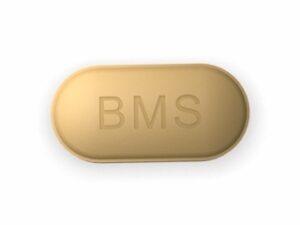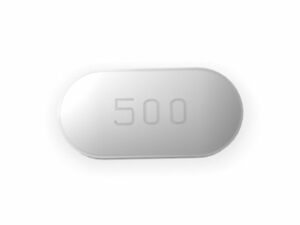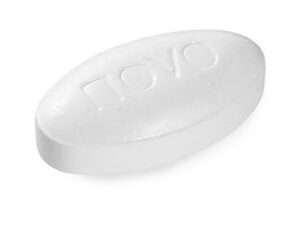

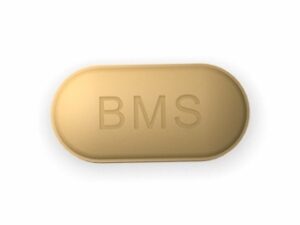
Jentadueto XR (Linagliptin + Metformin Hydrochloride) – Patient Guide (Australia)
Jentadueto XR is a combination medicine used to help manage type 2 diabetes. It contains two active ingredients: linagliptin and metformin hydrochloride (extended-release, XR). This page explains how Jentadueto XR works, how it is used, what to expect, safety considerations, and practical tips.
Important: Information below is general and cannot replace individual advice from your healthcare professional. Always read the consumer medicines information (CMI) provided with your product and follow dosing instructions on your label.
1) Basic product information
| Product name | Active ingredients | Formulation | Common role |
|---|---|---|---|
| Jentadueto XR | Linagliptin + Metformin hydrochloride | Oral tablet, extended-release (XR) | Glucose-lowering medicine for type 2 diabetes |
- Linagliptin belongs to a group called DPP-4 inhibitors (incretin enhancers).
- Metformin XR is a long-acting form of metformin (a biguanide).
2) What is type 2 diabetes, and what is Jentadueto XR used for?
Type 2 diabetes occurs when the body does not make insulin effectively and/or does not use it properly (insulin resistance). Over time, blood glucose may remain high. Jentadueto XR helps improve blood glucose control by using two complementary mechanisms.
Typical use: Jentadueto XR is used as part of diabetes management to lower blood sugar levels, particularly after meals and over the day.
- It may be used alone in some cases (depending on your overall treatment plan and tolerability).
- It is also commonly used in combination with other diabetes medicines, such as insulin or other agents (as advised by your healthcare professional).
3) How Jentadueto XR works (mechanism of action)
Jentadueto XR combines two different glucose-lowering actions:
-
Linagliptin (DPP-4 inhibitor):
- In type 2 diabetes, incretin hormones help the body release insulin after meals.
- DPP-4 breaks down these incretin hormones.
- Linagliptin blocks DPP-4, helping incretin hormones work longer.
- This supports insulin release in a glucose-dependent way and can reduce glucagon secretion after meals.
-
Metformin XR:
- Helps reduce glucose production by the liver.
- Improves insulin sensitivity in tissues.
- May also reduce intestinal glucose absorption.
- Because metformin’s action does not directly force insulin release, it typically has a lower risk of causing low blood sugar (hypoglycaemia) by itself.
Together, these actions help improve overall glycaemic control with a once-daily XR dosing approach.
4) Pharmacokinetics (how the body handles the medicine)
“Pharmacokinetics” describes how a medicine is absorbed, distributed, metabolised, and eliminated. Below is a patient-friendly summary.
-
Absorption:
- Metformin XR is designed for extended release, meaning it releases metformin more slowly over the day to help reduce gastrointestinal side effects compared with immediate-release forms.
- Linagliptin is absorbed after oral dosing.
-
Peak levels and timing:
- Because metformin is XR, its peak concentration is generally delayed compared with immediate-release metformin.
- Linagliptin reaches peak levels relatively earlier than XR metformin, but both are active across the dosing interval.
- Distribution: Active ingredients distribute through the bloodstream to reach target tissues.
-
Elimination:
- Metformin is primarily cleared by the kidneys.
- Linagliptin is cleared to a greater extent via non-renal pathways, which may be helpful in people with reduced kidney function (though your individual suitability must still be assessed).
-
Accumulation:
- With regular dosing, steady levels are reached over several days (as with most chronic medicines).
Your kidney function and overall health are important for determining safe dosing and monitoring. Your doctor may periodically check kidney function and other blood tests.
5) Typical use and timing
Jentadueto XR is usually taken , often with the evening meal (though individual instructions may vary). Because this is an XR product, it is designed to release medicine gradually.
- Best practice: Take at the same time each day to maintain consistent blood levels.
- If your dose was changed: Follow the new schedule provided.
- Missed dose:
- If you miss a dose, take it when you remember unless it is close to your next dose.
- Do not take a double dose to make up for a missed tablet.
6) Food interactions and what to do about them
Metformin is generally better tolerated when taken with food. Jentadueto XR is typically recommended to be taken with meals to improve gastrointestinal tolerability.
-
With food:
- Taking the tablet with or just after a meal may help reduce nausea, bloating, diarrhoea, and stomach discomfort.
-
Empty stomach:
- Taking metformin XR without food may increase gastrointestinal side effects for some people.
There are no specific “prohibited” foods for this medicine, but a balanced diet and consistent carbohydrate intake remain central to diabetes care.
7) Alcohol and medicine interactions
Alcohol
Alcohol can affect blood glucose and, importantly, may increase the risk of a rare but serious condition associated with metformin: lactic acidosis. For safety, it is usually recommended to limit alcohol and avoid heavy or binge drinking.
- Avoid: binge drinking or drinking when you are acutely unwell.
- Discuss: your alcohol intake with your healthcare professional, especially if you have liver disease, kidney problems, or poor nutrition.
Other medicine interactions (general)
Many medicines can interact with diabetes therapies directly (altering blood glucose) or indirectly (affecting kidney function, acid–base balance, or gut absorption). Always tell your healthcare professional about all medicines you take, including over-the-counter products and supplements.
-
Medicines that affect kidney function or hydration:
- Some medicines (and illness causing dehydration) may worsen kidney function and increase metformin risk.
-
Medicines that may increase hypoglycaemia risk:
- While metformin and linagliptin alone typically have a low hypoglycaemia risk, combining with medicines that increase insulin (e.g., sulfonylureas or insulin) can increase risk.
-
Contrast media for imaging:
- Some imaging procedures use iodine-based contrast. Metformin may be paused around certain procedures depending on kidney function and local guidance.
- Ask your healthcare professional before imaging.
-
Other diabetes medicines:
- Combination therapy may require glucose monitoring and possible dose adjustments.
If you are unsure whether a medicine is interacting, check with your pharmacist.
8) Indications (when Jentadueto XR is used)
Jentadueto XR is indicated for the management of type 2 diabetes mellitus to improve glycaemic control as part of a treatment plan that includes diet and exercise.
- It is often chosen when a regimen requires both a DPP-4 inhibitor component (linagliptin) and metformin.
- It may be used when metformin alone is not enough, or when additional therapy is appropriate.
9) Dosing guidance (how to take it)
Dosing depends on your previous diabetes medicines, blood glucose results, kidney function, and tolerability. Your healthcare professional will set the appropriate dose strength and schedule.
- Usually once daily: taken with a meal (often evening).
- Swallow whole: because it is an XR tablet, do not crush, split, or chew unless instructed otherwise by the medicine information you received.
- Titration: your prescriber may start at a lower dose to reduce side effects and then adjust.
Do not change your dose without medical advice. If you develop persistent stomach symptoms, weight loss, unusual fatigue, or any concerning symptoms, contact your healthcare provider promptly.
Example titration approach (illustrative only)
Different patients start at different strengths. A common approach is to begin with an XR dose that is easier to tolerate, then adjust to reach glycaemic goals. Your individual plan may differ.
- Start low if you are sensitive to metformin.
- Review blood glucose control after an appropriate period.
- Increase or adjust if needed and tolerated.
10) Safety profile and important warnings
Like all medicines, Jentadueto XR can cause side effects. Many people tolerate it well, but it’s important to know what to watch for.
Common side effects
- Gastrointestinal symptoms (more commonly related to metformin XR), such as:
- diarrhoea
- nausea
- vomiting
- abdominal discomfort
- bloating
- Headache or feeling tired in some people
These often improve after starting treatment or after the dose is stabilised. Taking with food and staying hydrated may help.
Serious but less common risks
-
Lactic acidosis (rare, serious):
Metformin-associated lactic acidosis is uncommon but can be life-threatening. Risk increases with severe kidney problems, dehydration, severe infection, low oxygen states, heavy alcohol intake, or conditions that lead to reduced clearance of metformin.
Seek urgent medical help if you have symptoms such as:
- unusual muscle aches
- trouble breathing
- severe weakness or feeling very unwell
- unusual sleepiness
- abdominal pain with vomiting
- slow or irregular heartbeat
-
Hypoglycaemia (low blood sugar):
Linagliptin and metformin usually have a low risk of hypoglycaemia when used without other glucose-lowering medicines. However, risk increases if you take it with insulin or medicines such as sulfonylureas.
Symptoms can include sweating, shaking, dizziness, hunger, headache, fast heartbeat, and confusion. If you are at risk, discuss a plan for monitoring and treating low blood sugar.
-
Allergic reactions:
- Stop the medicine and seek medical advice urgently if you develop signs of allergy such as swelling of the face/lips, rash, or difficulty breathing.
-
Pancreatitis (rare):
DPP-4 inhibitors have been associated rarely with pancreatitis. Seek urgent medical attention if you develop severe, persistent abdominal pain (sometimes radiating to the back), with or without vomiting.
-
Joint pain (possible):
Some people taking DPP-4 inhibitors may experience severe joint pain. Seek medical advice if pain is persistent or severe.
-
Vitamin B12 reduction:
Long-term metformin use has been associated with lower vitamin B12 levels in some people. Consider periodic B12 testing if you have symptoms such as neuropathy (tingling), numbness, or unexplained tiredness, or if you have risk factors.
11) Practical use tips for best results
- Take consistently: choose a time that fits your routine and take it at the same time each day.
- Take with food: this can improve tolerability for metformin XR.
- Swallow whole: do not crush or chew XR tablets unless instructed by your pharmacist/CMI.
- Stay hydrated: helps support kidney function and can reduce certain side effects.
- Monitor blood glucose: use your meter as advised, especially after starting or changing doses.
-
Keep appointments for blood tests: your doctor may monitor:
- kidney function (creatinine/eGFR)
- HbA1c (average blood glucose over time)
- vitamin B12 (in some patients)
-
Illness “sick day” considerations:
If you are vomiting, have severe diarrhoea, are not eating/drinking normally, or have a serious infection, contact your healthcare professional. Temporary medication adjustments (including pausing metformin) may be advised to reduce risk.
12) When to seek medical help
Seek prompt medical advice if you experience:
- symptoms suggesting lactic acidosis (unusual weakness, breathing difficulty, severe abdominal symptoms)
- signs of allergic reaction (swelling, rash, breathing difficulties)
- severe or persistent upper abdominal pain (possible pancreatitis)
- frequent or severe low blood sugar, especially if you use insulin or sulfonylureas
13) Alternative options
Depending on your glucose levels, kidney function, weight goals, and side effect tolerance, there are many other ways to manage type 2 diabetes. Alternatives may include:
Other medicine classes
- Metformin alone (immediate-release or extended-release)
- DPP-4 inhibitors as single therapy or with metformin (different DPP-4 options exist)
- SGLT2 inhibitors (help the kidneys remove glucose in urine)
- GLP-1 receptor agonists (increase insulin in a glucose-dependent manner and may help with weight)
- Insulin (may be used when needed for adequate control)
- Sulfonylureas (increase insulin secretion; may have higher hypoglycaemia risk)
- Other combinations of oral diabetes medicines
Non-medicine alternatives that matter
- Dietary changes (including reducing refined carbohydrates and managing portion sizes)
- Regular physical activity (helps insulin sensitivity)
- Weight management where appropriate
- Diabetes education and self-monitoring
Your healthcare professional can recommend the most suitable option based on your individual needs.
14) Australia market and legal context (overview)
In Australia, diabetes medicines are regulated through the national medicines framework and are supplied to consumers with information intended to support safe use. Availability and prescribing rules can vary by product and patient factors.
For online purchasing, reputable pharmacies follow Australian requirements for:
- accurate product identification (including correct strength and formulation)
- supply of required consumer information
- privacy and responsible dispensing processes
- clear guidance on how to take the medicine
15) Recent guidance and monitoring (what to consider)
Diabetes management guidance in Australia commonly emphasises:
- individualised HbA1c targets
- ongoing review of treatment effectiveness and tolerability
- regular monitoring of kidney function when taking medicines that depend on renal clearance (particularly metformin)
- patient education about recognising symptoms of low blood sugar and serious side effects
Your prescriber may adjust therapy based on: HbA1c trends, side effects, weight impact, cardiovascular and kidney risk profile, and lifestyle factors.
16) Delivery and availability (online pharmacy)
Availability can vary by region and stock levels. When ordering online, you can usually expect:
- Secure processing of your order details
- Careful packaging to protect tablets during transit
- Delivery timeframes that depend on your location and courier service
Always check the product name and strength on the label before taking the tablets. If you receive an unexpected product or strength, contact the pharmacy before use.
Tip: Store tablets as directed on the packaging (typically at controlled room temperature, protected from moisture and heat).
17) FAQ – Jentadueto XR
1) How long does Jentadueto XR take to work?
Many people notice improvements in blood glucose within days, but meaningful changes in overall control are typically assessed over weeks using HbA1c tests and daily readings. Your clinician will review your response and adjust if needed.
2) Can I take Jentadueto XR with meals?
Yes—taking it with food is generally recommended for metformin tolerability. Follow the instructions on your label and the consumer information for your specific product.
3) What should I do if I forget a dose?
Take it as soon as you remember unless it is close to your next dose. Do not take two doses at the same time to make up for a missed one.
4) Does Jentadueto XR cause weight gain or weight loss?
Metformin is generally weight-neutral for many people. Some patients may lose a small amount of weight, while others may not see change. Individual results vary—focus on diet, activity, and diabetes goals set by your healthcare professional.
5) What are the warning signs of lactic acidosis?
Lactic acidosis is rare but serious. Seek urgent medical help if you have unusual muscle aches, trouble breathing, severe weakness, sleepiness, abdominal pain with vomiting, or feel very unwell—especially if you’ve been dehydrated or have kidney problems.
6) Can I drink alcohol while taking Jentadueto XR?
It’s best to limit alcohol. Heavy drinking increases risk of complications associated with metformin and can worsen glucose control. If you plan to drink, discuss safe limits with your healthcare professional.
7) Can Jentadueto XR be taken if I have kidney disease?
Kidney function affects metformin clearance. Your suitability and dose must be assessed by your healthcare professional. If you have reduced kidney function, you may require monitoring and may not be able to use certain metformin doses.
8) Is hypoglycaemia likely?
Hypoglycaemia is less likely with linagliptin and metformin alone. Risk increases if you also take insulin or medicines such as sulfonylureas. If you are using combination therapy, ask about monitoring and treatment for low blood sugar.
9) Should I monitor my blood glucose?
Yes, especially when starting or changing therapy. Monitoring helps you and your healthcare team understand how your body responds. Follow your diabetes care plan.
10) Are there any lab tests I should expect?
Common monitoring includes kidney function and HbA1c. Vitamin B12 may be checked in long-term use or if symptoms suggest low B12.
Summary
Jentadueto XR combines linagliptin and metformin XR to help control blood glucose in type 2 diabetes. It works by supporting incretin effects (linagliptin) and improving insulin sensitivity and reducing liver glucose output (metformin XR). It is typically taken once daily with food, and safety depends on monitoring kidney function and recognising uncommon but serious warning signs.
For best outcomes, take the tablet correctly, maintain your diet and exercise plan, and keep up with regular reviews and blood tests.