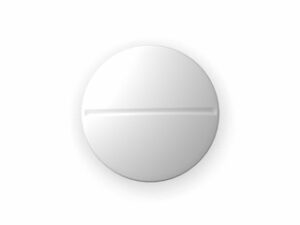
Flavoxate HCl (Flavoxate Hydrochloride) — Patient Information for Australia
Flavoxate HCl is a medicine used to help relieve symptoms related to overactivity of the bladder, such as urinary frequency and urgency. This page provides patient-friendly information about what Flavoxate HCl does, how it works, how it is commonly used, and important safety considerations. Always follow the instructions provided by your healthcare professional and the product packaging.
| Category | Details |
|---|---|
| Generic name | Flavoxate hydrochloride (Flavoxate HCl) |
| What it helps with | Bladder spasm/overactivity symptoms (e.g., urgency, frequency) |
| Common dosage forms | Tablets/capsules (varies by brand) |
| How it’s taken | By mouth, usually multiple times daily depending on dose strength |
| Key precautions | Use caution with glaucoma, urinary retention, and in people with significant liver disease |
| Seek urgent care if | Severe pain, blood in urine, fever, or inability to pass urine |
Basic product information
Flavoxate HCl belongs to a group of medicines sometimes described as bladder antispasmodics/anticholinergic-type agents. It is used to relieve discomfort associated with urinary tract symptoms that may involve bladder muscle spasm and overactivity.
It is important to note that urinary symptoms can have many causes, including infection, stones, prostate problems, medication effects, and bladder conditions. If your symptoms are new, severe, or associated with fever or burning, you should be assessed promptly to rule out serious causes.
How Flavoxate HCl works (mechanism of action)
Flavoxate HCl helps reduce bladder muscle overactivity. It works by relaxing smooth muscle in the urinary tract and reducing spasmodic activity. This can lead to fewer episodes of urgency and frequency and may help ease discomfort linked with bladder spasms.
While Flavoxate HCl targets bladder symptoms, it does not treat the underlying cause of urinary problems such as bacterial infections. If an infection is present, appropriate antibacterial treatment is required.
Pharmacokinetics (how the body processes it)
Pharmacokinetics describe what happens after you take the medicine—how it is absorbed, metabolised, and eliminated. While exact values can vary by formulation and individual factors, the general pattern for many oral medicines includes:
- Absorption: Flavoxate HCl is absorbed after oral dosing.
- Distribution: It reaches target tissues including the urinary tract.
- Metabolism: It is metabolised by the body, producing metabolites.
- Elimination: Metabolites are eliminated primarily via urine.
If you have kidney or liver impairment, it may affect how long the medicine stays in your system. Your prescriber or pharmacist may recommend dose adjustments or extra monitoring.
Typical use and indications
Flavoxate HCl is used for urinary symptoms thought to be associated with bladder instability and spasm. Common indications include:
- Urinary frequency
- Urinary urgency
- Bladder spasm-related discomfort
It may be used when symptoms are consistent with bladder overactivity rather than an infection. If you have symptoms such as fever, back pain, chills, or burning with urination, these may indicate infection or other conditions that require medical assessment.
When to take Flavoxate HCl (timing and duration)
The timing of doses depends on your product strength and the schedule recommended for that brand. Many formulations are taken several times daily to maintain symptom control.
- Try to take doses at evenly spaced times through the day.
- Maintain consistent daily timing for best effect.
- Continue for the duration recommended by your healthcare professional.
If symptoms do not improve after a short trial (for example, a few days to a week, depending on your clinician’s advice) or if they worsen, seek medical advice. Ongoing urinary symptoms may require investigation for underlying causes.
Dosing (general guidance)
Dosing varies by age, tablet strength, and the specific product. Follow the instructions on the packaging or provided by your pharmacist or doctor.
The most common adult regimens for flavoxate-based products are typically divided doses across the day. A “typical” schedule may look like:
- Adults: often taken two or three times daily depending on the formulation and strength.
- Children: use should only be under appropriate medical guidance, with dosing based on age/weight and product instructions.
Important: Do not exceed the dose on the label. If you miss a dose, take it when you remember unless it is close to the next dose—then skip the missed dose. Do not double up.
Food interactions (what to know)
Flavoxate HCl can generally be taken with or without food, although taking it with food may help if you experience mild stomach upset.
- Food effect: Food may slightly change absorption timing, but usually does not require dose adjustment.
- Consistency: Taking it at the same time relative to meals may help you remember and maintain routine.
If you have a sensitive stomach, consider taking it with a meal or snack. If you experience nausea, dizziness, or other side effects, speak to your pharmacist for product-specific advice.
Alcohol and medicine interactions
Alcohol can worsen some urinary symptoms and may increase side effects such as dizziness or tiredness in some people. For safest use:
- Avoid or limit alcohol while taking Flavoxate HCl, especially if you notice dizziness.
- Be cautious with other medicines that can cause drowsiness or anticholinergic effects.
Interactions can vary depending on your other medicines. Tell your pharmacist about everything you take, including over-the-counter products and herbal supplements.
Medicines that may be relevant
Because Flavoxate may have effects on smooth muscle and bladder function, caution may be needed if you are taking other drugs with similar effects. Examples of medicines where interaction potential may exist include:
- Other anticholinergic-type medicines (some allergy, motion sickness, or overactive bladder treatments)
- Medicines for Parkinson’s disease or certain gastrointestinal spasms
- Sedatives or sleep medicines (for side-effect overlap, not necessarily direct interaction)
This is not a complete list. Always check with your pharmacist.
Safety profile and precautions
Most people tolerate Flavoxate HCl well when used as directed. However, like all medicines, it can cause side effects and may not be suitable for everyone.
Common side effects
- Dry mouth
- Constipation
- Blurred vision or visual disturbance (in some people)
- Dizziness
- Headache
Serious side effects — get urgent help
Seek urgent medical attention if you experience any of the following:
- Inability to pass urine (urinary retention)
- Severe allergic reaction (swelling of face/lips, trouble breathing)
- Confusion, severe drowsiness, or fainting
- Fast heartbeat with dizziness or feeling unwell
- Severe eye pain or sudden changes in vision
Who should use caution
Talk to a pharmacist or clinician before using Flavoxate HCl if you:
- Have glaucoma or a history of increased eye pressure
- Have urinary retention or significant trouble starting urination
- Have enlarged prostate with obstructive urinary symptoms
- Have significant liver disease (may affect metabolism)
- Are pregnant or breastfeeding—use only if advised
- Are elderly or frail, as side effects may be more noticeable
Pregnancy and breastfeeding
If you are pregnant, planning pregnancy, or breastfeeding, discuss risks and benefits with your healthcare professional. Bladder symptoms during pregnancy or postpartum can also have specific causes that should be assessed.
Practical use tips (getting the most benefit)
- Track symptoms: note times of urgency/frequency and any triggers (fluids, caffeine, alcohol).
- Hydrate sensibly: don’t overly restrict fluids—dehydration can concentrate urine and worsen irritation.
- Limit bladder irritants: consider reducing caffeine, fizzy drinks, and acidic drinks if they worsen symptoms.
- Use timed voiding: if advised, try going to the toilet at planned intervals rather than only when urgent.
- Stop and get checked if infection is suspected: fever, back pain, cloudy urine, or burning may need prompt review.
- Be careful with driving: if you feel dizzy or have blurred vision, avoid driving or operating machinery.
Alternative options for urinary symptoms
Depending on the cause of your symptoms, alternatives may include non-medicine strategies, prescription options, or other therapies. Your pharmacist or doctor can help choose the safest option for you.
Non-medicine options
- Bladder training (timed voiding, urge suppression techniques)
- Pelvic floor exercises (often helpful for overactive bladder and incontinence)
- Reducing irritants such as caffeine and alcohol
Medicine alternatives
Depending on diagnosis, clinicians may consider other treatments that act differently on bladder function. Examples (not exhaustive) include:
- Other overactive bladder medicines
- Antibiotics if the cause is a bacterial infection
- Alpha blockers if obstruction from prostate enlargement is a factor
The best choice depends on whether your symptoms are due to infection, obstruction, irritation, or bladder overactivity.
Market and legal context in Australia (general overview)
Availability and classification of medicines can vary in Australia depending on formulation and strength. Some urinary symptom medicines are supplied via pharmacies and may be available without a prescription, while others may be prescription-only.
In Australia, the Therapeutic Goods Administration (TGA) regulates medicines and their approvals. Medicines must be supplied in accordance with Australian laws and requirements, including safe storage, labelling, and appropriate supply processes by licensed healthcare providers.
For the most accurate information on a specific Flavoxate HCl product, check the product label and ask a pharmacist.
Recent guidance and clinical considerations
Clinical practice for urinary urgency/frequency commonly emphasises confirming the cause of symptoms before starting symptom-relieving medicines. Even when bladder spasm is suspected, clinicians typically consider:
- Assessment for urinary tract infection (especially if symptoms are new or include burning, fever, or blood)
- Evaluation for bladder stones, malignancy red flags, or obstruction
- Review of medications that may worsen urinary symptoms (e.g., diuretics, some sedatives)
- Trial of lifestyle measures and bladder training where appropriate
If symptoms persist or recur frequently, it may be beneficial to discuss further investigation, including urinalysis and a review of underlying conditions.
Delivery and availability (Australia)
Many online pharmacies in Australia offer Flavoxate HCl delivery within regulated timeframes, subject to stock availability and verification processes. Availability may vary between brands and strengths.
- Ordering: select the correct product strength and pack size.
- Shipping: delivery times depend on your location and carrier.
- Storage: store the product as directed on the packaging (typically at room temperature, away from moisture).
- Keep packaging: save the box/bottle and leaflet for reference.
If you have questions about whether a specific product is suitable for your situation, please contact a pharmacist before placing an order.
How to store Flavoxate HCl
- Store at the temperature specified on the pack.
- Keep away from direct sunlight and moisture (e.g., in a bathroom).
- Keep out of reach of children.
- Do not use after the expiry date.
FAQ: Flavoxate HCl
1) What is Flavoxate HCl used for?
Flavoxate HCl is used to relieve urinary symptoms associated with bladder spasm or bladder overactivity, such as urinary urgency and frequency. It does not treat infections.
2) How quickly will I feel better?
Some people notice symptom improvement soon after starting treatment, while others may take several days. If you do not see improvement or symptoms worsen, speak to a pharmacist or doctor.
3) Can I take it with food?
Yes. It can usually be taken with or without food. If it upsets your stomach, take it with meals.
4) Is Flavoxate HCl safe for older adults?
Older adults may be more sensitive to side effects like dizziness, blurred vision, and constipation. Use caution and seek advice from a pharmacist if you are elderly or have other medical conditions.
5) What if I miss a dose?
Take it when you remember unless it is close to your next dose. Do not double your dose.
6) Can I drink alcohol while taking Flavoxate HCl?
It’s best to limit or avoid alcohol, as it may worsen urinary symptoms and can increase side effects such as dizziness or drowsiness.
7) Are there any interactions with other medicines?
Interactions depend on your specific medicines. Tell your pharmacist about everything you take, especially medicines that affect bladder function, cause drowsiness, or have anticholinergic effects.
8) When should I seek medical help urgently?
Get urgent medical attention if you cannot pass urine, have severe allergic reactions, severe eye pain or sudden vision changes, or severe symptoms such as fever with back pain.
9) What lifestyle changes can help urinary urgency and frequency?
Consider bladder training and pelvic floor exercises (if appropriate), reduce bladder irritants (caffeine, alcohol, fizzy drinks), and aim for appropriate fluid intake. A healthcare professional can guide you based on your situation.
10) Can Flavoxate HCl treat a urinary tract infection?
No. If infection is suspected, you need medical assessment and appropriate treatment. Flavoxate HCl may only help relieve symptoms while the underlying cause is treated separately.
Summary
Flavoxate HCl helps relieve symptoms linked to bladder overactivity and spasm, such as urgency and frequency. For best results, use it as directed, be mindful of possible side effects, and seek medical advice if symptoms suggest infection or if they do not improve. If you have questions about suitability, interactions, or the right dosing schedule, consult a pharmacist in Australia.