

Femara (Letrozole) — Patient Information (Australia)
Femara contains letrozole, a medicine used to treat certain hormone-dependent cancers. This guide is written to help you understand what Femara is, how it works, how it is typically used, and what practical points to consider while taking it. It is designed for patient-friendly reading and supports informed discussions with your doctor and healthcare team.
Key information at a glance
- What it is: Femara (letrozole) is an aromatase inhibitor.
- What it’s used for: Often used in breast cancer that is hormone-receptor positive (oestrogen-driven), including early and advanced disease.
- How it works: Lowers oestrogen production in the body.
- Typical schedule: Usually taken once daily, at the same time each day.
- Common side effects: Hot flushes, tiredness, joint or muscle aches, and headaches.
- Important safety notes: Bone health may be affected; report symptoms promptly.
Basic product information
Brand: Femara
Active ingredient: Letrozole
Medicine type: Aromatase inhibitor
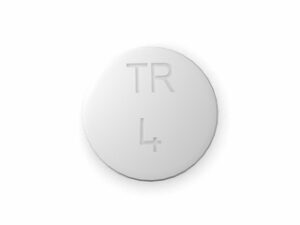
Common strengths: Tablets available in 2.5 mg (commonly used dose)
How it is supplied: Tablets are taken by mouth. Your dosing schedule may vary based on your condition and treatment plan.
How Femara works (mechanism of action)
Many breast cancers grow in response to oestrogen. In post-menopausal women (and also in some situations in men), much of the body’s oestrogen is produced from other hormones through an enzyme called aromatase.
Letrozole blocks aromatase, resulting in:
- Reduced oestrogen levels in the body
- Less hormone stimulation of hormone-receptor positive cancer cells
- Slower growth and/or reduced recurrence risk, depending on the stage and context of treatment
Femara does not “remove” all oestrogen immediately—its effect is achieved by continuously reducing oestrogen production.
Pharmacokinetics (how your body processes it)
Understanding pharmacokinetics can help explain timing and side effects.
- Absorption: Letrozole is absorbed after oral dosing.
- Time to peak: Peak blood levels are typically reached within a few hours after taking a tablet.
- Half-life: It has a relatively long duration of action, supporting once-daily dosing.
- Steady state: Regular daily dosing leads to stable drug levels over time.
- Metabolism: Primarily metabolised by the liver.
- Elimination: Excreted mainly through the kidneys and in urine as metabolites.
Practical takeaway: Consistency matters. Taking it at the same time each day helps maintain steady hormone suppression.
Typical uses and indications
Femara (letrozole) is used for hormone-receptor positive breast cancer, including:
- Early breast cancer — to reduce recurrence risk (often as part of adjuvant endocrine therapy)
- Extended adjuvant treatment — for ongoing risk reduction after initial treatment
- Advanced (metastatic) or locally advanced breast cancer — especially when the cancer is oestrogen-receptor positive and has progressed
- Post-menopausal status is commonly considered for use, depending on the specific clinical context
Note: Your exact indication will depend on your cancer type, menopausal status, prior therapies, and overall treatment plan.
How to take Femara (dosing and timing)
Typical adult dosing
A commonly used dose is:
- 2.5 mg once daily by mouth
Your doctor may adjust or tailor the schedule based on your situation, tolerance, and stage of disease.
Timing
- Take at the same time each day to help you remember and maintain stable exposure.
- Femara can usually be taken with or without food.
- If you experience side effects at a particular time of day, discuss whether changing the time you take your dose could help.
If you miss a dose
- Take your dose as soon as you remember.
- If it is nearly time for your next dose, skip the missed tablet.
- Do not double to make up for a missed dose.
Using with other therapies
Femara may be used alone or alongside other cancer treatments depending on your regimen (for example, chemotherapy, surgery, radiation, or other endocrine therapy strategies). Always confirm your planned combination with your healthcare team.
Food interactions and dietary considerations
Food: Letrozole can generally be taken with or without food. No specific dietary restriction is required purely because of letrozole.
However, because bone health is important with aromatase inhibitors, maintaining an overall diet that supports bone integrity may be beneficial:
- Adequate calcium intake
- Adequate vitamin D intake (sometimes supplements are used based on blood levels and doctor advice)
- Protein and general nutritional adequacy
If you have dietary restrictions (for example, lactose intolerance or vegan diet), ask your healthcare provider about appropriate alternatives and supplements.
Alcohol and medicine interactions
Alcohol
There is no universal “absolute” rule for alcohol with Femara, but alcohol can affect how you feel (for example, increasing fatigue, affecting mood, and potentially worsening sleep or hot flushes in some people). If you drink alcohol, keep it moderate and consider how it affects your symptoms.
Medicine interactions (important)
Letrozole is metabolised in the liver. Some medicines can change how quickly letrozole is processed, which may affect effectiveness or side effect risk.
Tell your healthcare team about:
- Other cancer medicines
- Medicines for infections (including antifungals and certain antibiotics)
- Medicines for seizures (antiepileptics)
- Medicines for mood or other long-term conditions
- Herbal supplements (especially those that affect liver enzymes)
- Over-the-counter medicines and supplements
Common-sense safety step: Before starting any new medicine, including herbal products or vitamins in high dose, check with a pharmacist.
Safety profile: what to watch for
Like all medicines, Femara can cause side effects. Not everyone experiences them, and many are manageable with supportive care.
Common side effects
- Hot flushes
- Fatigue or tiredness
- Joint stiffness and muscle or joint pain
- Headache
- Nausea or gastrointestinal discomfort (in some people)
- Swelling (fluid retention) may occur
- Sweating
- Reduced bone density over time
Serious or urgent symptoms
Seek urgent medical advice if you develop:
- Symptoms of a serious allergic reaction (e.g., facial swelling, trouble breathing, widespread rash)
- Severe or worsening pain, especially if accompanied by weakness or numbness
- Signs of a fracture or sudden severe back pain
- Unexplained significant swelling or chest pain/shortness of breath
Bone health (a key consideration)
Aromatase inhibitors can reduce oestrogen levels, which may lead to loss of bone mineral density. Your clinician may recommend:
- Baseline and follow-up bone density scans
- Calcium and vitamin D optimisation
- Weight-bearing exercise as appropriate
- Medicines to strengthen bones in selected cases
Heart and cholesterol considerations
Femara may influence cholesterol levels in some patients. Periodic blood tests may be recommended depending on your overall risk factors.
Pregnancy and breastfeeding
Femara is intended for endocrine treatment of hormone-receptor positive cancers and is generally not used in pregnancy. If you could become pregnant, discuss contraception and reproductive planning with your healthcare team.
Practical use tips (making treatment easier)
- Use a daily reminder: A phone alarm or pill organiser can help prevent missed doses.
- Plan for joint aches: Gentle movement, physiotherapy advice, stretching, and staying active can help. Report persistent pain to your healthcare team—treatments for symptom relief may be available.
- Manage hot flushes: Keep your environment cool, dress in layers, avoid triggers (some people find spicy food or overheating worsens symptoms), and discuss options if symptoms affect sleep or daily life.
- Protect bone health: Engage in safe weight-bearing activity, maintain calcium/vitamin D intake, and follow bone monitoring recommendations.
- Track symptoms: Keeping a simple diary of side effects (time, severity, triggers) helps your clinician adjust supportive care.
- Report new medicines: Tell your pharmacist about any new prescriptions, over-the-counter products, or supplements.
Alternative options (what else may be used)
Depending on your diagnosis, menopausal status, and past treatments, alternatives to Femara may include other endocrine therapies such as:
- Other aromatase inhibitors: e.g., anastrozole, exemestane
- Selective oestrogen receptor modulators (SERM): e.g., tamoxifen (often considered in selected patients)
- Selective oestrogen receptor degraders (SERD): some therapies may be used in specific settings under specialist guidance
- Ovarian suppression approaches in pre-menopausal contexts (where applicable)
Your oncology team will consider the best option based on cancer characteristics, response to prior therapy, and your overall health.
Recent guidance and treatment considerations in Australia
In Australia, endocrine therapy decisions for breast cancer are guided by specialist oncology care and evidence-based clinical guidelines. Aromatase inhibitors like letrozole have well-established roles in many post-menopausal or hormone-receptor positive treatment strategies.
What “recent guidance” typically focuses on:
- Optimising duration and sequencing of endocrine therapy
- Managing side effects, especially bone health monitoring and symptom support
- Individualising decisions based on risk factors, tumour characteristics, and tolerance
- Ensuring appropriate supportive care (e.g., exercise, calcium/vitamin D, bone-strengthening therapies where indicated)
Your healthcare provider can explain how current guideline recommendations apply to your particular situation.
Market and legal context for Australia (availability and supply)
In Australia, medicines like Femara are regulated under national medicine and pharmacy frameworks. Supply is generally arranged through authorised channels (such as hospital pharmacies, community pharmacies, or online pharmacies where permitted by law and regulations).
Important: Medicine availability and packaging may vary. Online ordering typically involves confirmation of eligibility and safe supply processes in line with Australian requirements.
Delivery and availability (online pharmacy considerations)
When ordering through an online pharmacy, availability can vary by supplier and stock levels. For the smoothest experience:
- Check stock status on the product page before placing an order.
- Confirm dosage strength (commonly 2.5 mg tablets).
- Check delivery options and estimated dispatch times at checkout.
- Keep tablets in the original packaging and store at appropriate room temperature away from moisture and heat (follow label instructions).
If your medicine is needed urgently, contact the pharmacy to ask about dispatch times or alternative ways to obtain supply.
Dosing summary (quick reference)
| Topic | Typical information for Femara (letrozole) |
|---|---|
| Common tablet strength | 2.5 mg (tablet) |
| How often | Once daily |
| With or without food | Generally can be taken with or without food |
| Best timing | Same time each day |
| Missed dose | Take when remembered; if close to next dose, skip—do not double |
FAQ — Frequently asked questions
1) What is Femara used for?
Femara (letrozole) is used to treat hormone-receptor positive breast cancer. It can be used in early-stage settings to reduce recurrence, and in advanced disease to help control cancer growth.
2) How long does it take to work?
Femara lowers oestrogen production soon after dosing. In cancer treatment, the effectiveness is assessed over time through follow-up appointments, scans, and blood tests where appropriate.
3) Can I take Femara with food?
Yes. Femara can generally be taken with or without food.
4) Will Femara stop my menopause symptoms?
Femara can actually cause symptoms similar to menopause (for example, hot flushes and night sweats) because it lowers oestrogen. If you already have menopausal symptoms, they may worsen. Discuss symptom management options with your healthcare team.
5) What should I do about joint pain?
Joint and muscle aches are common. Helpful strategies may include gentle exercise, stretching, heat/cold therapy, and discussing pain relief options with your healthcare provider. Do not stop treatment without medical advice.
6) Does Femara affect bone density?
Yes. Reduced oestrogen levels can lead to decreased bone mineral density. Your clinician may recommend bone density monitoring and bone-supportive measures (calcium/vitamin D, weight-bearing exercise, and possibly bone-strengthening medication).
7) Are there interactions with other medicines?
Some medicines may affect letrozole metabolism. Inform your pharmacist or clinician about all medicines, supplements, and herbal products you use to check for potential interactions.
8) Is it safe to drink alcohol?
Moderate alcohol may be acceptable for some people, but alcohol can worsen tiredness, sleep, and hot flush symptoms. If you drink, consider your personal symptom response and keep within Australian low-risk drinking guidelines as advised by your healthcare provider.
9) Can I take supplements with Femara?
Some supplements (such as calcium and vitamin D) are often used to support bone health, but it’s best to confirm doses with your clinician—especially if you take other medications or have kidney issues.
10) What should I do if I miss a dose?
Take it as soon as you remember unless it is almost time for your next dose. If so, skip the missed tablet. Do not double doses.
When to seek help
Contact your healthcare professional promptly if you experience side effects that are severe, worsening, or concerning, or if you have symptoms suggesting an emergency (for example, breathing difficulties, facial swelling, or sudden severe pain).
Remember: This information is general and intended to support understanding. Your healthcare team can provide guidance tailored to your specific diagnosis and health history.