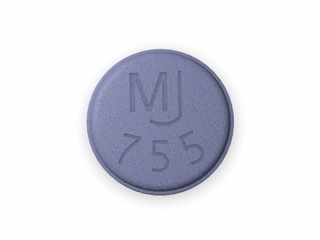


Estrace (Estradiol) – Patient-Friendly Medicine Information (Australia)
Estrace is a brand of estradiol, an estrogen hormone used to treat certain conditions related to hormone changes in the body. Estradiol can help relieve symptoms such as vaginal discomfort and help manage some menopausal symptoms, depending on the form and the condition being treated.
This page explains how Estrace works, how it’s used, what to expect, and key safety information for people in Australia. Always follow the directions provided by your healthcare professional and read the Consumer Medicines Information (CMI) supplied with your product.
Quick Facts
- Active ingredient: Estradiol (an estrogen)
- Common uses: Relief of menopause-related symptoms (including vaginal symptoms), and treatment of certain hormone-related conditions
- Forms: Available in different formulations (commonly oral tablets and vaginal options, depending on product availability)
- How it works: Replaces or supplements estrogen in the body
- Important safety notes: Estrogen medicines require careful selection and monitoring, especially in people with certain risk factors
Basic Product Information
| Item | Details |
|---|---|
| Medicine name | Estrace (estradiol) |
| Medicine type | Hormone (estrogen) |
| Therapeutic class | Menopausal hormone therapy / estrogen therapy (use depends on indication and formulation) |
| Key benefit | Helps relieve estrogen deficiency symptoms |
| How it is taken | Depends on the formulation (e.g., oral or vaginal) |
| Where it is used | Australia (availability and exact product strengths may vary) |
How Estrace Works (Mechanism of Action)
Estradiol is the main form of estrogen in premenopausal women. Estrogen influences many parts of the body, including:
- Vaginal and vulvar tissues: Supports tissue thickness, moisture, and elasticity.
- Urogenital system: Helps reduce dryness, irritation, and discomfort.
- Thermoregulation and brain pathways: Can reduce hot flushes and night sweats for some people (particularly with systemic therapy).
- Bone metabolism: Helps slow bone loss when estrogen is low.
When estrogen levels drop—most commonly during menopause—many people experience symptoms. Estrace provides estrogen activity, which can relieve these symptoms when appropriate for the individual.
Pharmacokinetics (How the Body Handles Estradiol)
Pharmacokinetics describes how the drug is absorbed, distributed, metabolised, and eliminated.
Absorption
- Oral formulations: Estradiol is absorbed through the digestive tract. Some estradiol is metabolised as it passes through the liver (“first-pass metabolism”).
- Vaginal formulations: Vaginal estrogen can deliver estradiol locally to vaginal tissues, with lower systemic exposure compared with some oral options (exact absorption depends on the product and dose).
Distribution
Estradiol circulates in the bloodstream bound to proteins such as sex hormone-binding globulin (SHBG) and albumin.
Metabolism
Estradiol is mainly metabolised in the liver to various estrogen metabolites (for example, estrone and estrone derivatives). These metabolites are then converted further and contribute to overall estrogen activity depending on levels and individual metabolism.
Elimination
Metabolites are removed from the body primarily via the kidneys (urine) and through bile/feces. Clearance can vary between individuals.
Important note: Exact pharmacokinetic behaviour may differ depending on the specific Estrace formulation and dose. Always check the CMI and your prescribed instructions for your product.
Typical Use and Indications
Estrace (estradiol) is used for estrogen deficiency-related conditions. Common indications include:
- Vaginal and vulvar atrophy symptoms (for example, dryness, burning, irritation, and pain with intercourse) due to menopause or other causes of low estrogen.
- Moderate to severe vasomotor symptoms associated with menopause (such as hot flushes and night sweats), typically when systemic hormone therapy is appropriate.
- Other hormone-related indications may apply depending on the formulation and local product authorisation.
Uterus status matters: If you still have your uterus, estrogen therapy usually requires a progestogen (in many regimens) to reduce the risk of endometrial (uterine lining) overgrowth. The exact need and regimen depend on your situation and the product you use.
Timing: When to Take Estrace and How Long It Takes to Work
Starting treatment
How quickly Estrace helps can depend on what you are treating:
- Vaginal symptoms: Some people notice improvement within days to weeks, with further improvement over time.
- Hot flushes/night sweats: Relief may begin within a few weeks, although it may take longer for full effect.
How to take it (general guidance)
Follow the specific instructions for your formulation. If you use an oral product, it’s often taken at a consistent time each day. If using a vaginal product, it’s commonly used on a regular schedule, with possible initial daily dosing followed by maintenance dosing (varies by product).
Missed dose
If you miss a dose:
- Take it when you remember unless it is close to the next dose.
- Do not take double doses to make up for missed doses.
- If you are unsure, consult your pharmacist or healthcare professional.
Food Interactions
Food effects depend on the formulation:
- Oral estradiol: Some medicines are affected by food and timing. In many cases, estradiol tablets can be taken with or without food, but always check the product label/CMI for your exact medicine.
- Vaginal estradiol: Food typically does not directly affect absorption for local vaginal products.
Practical tip: For consistent results, take your oral dose in the same way each day (e.g., always with water and at a similar time). If you experience side effects or changing symptom control, speak to a clinician to confirm the best routine.
Alcohol and Medicine Interactions
Alcohol
Moderate alcohol consumption may not directly interact with estradiol in most people. However, alcohol can influence symptom patterns (such as flushing) and may increase certain side-effect risks in some individuals.
- Try to keep alcohol moderate.
- If you notice symptom worsening or side effects after alcohol, consider reducing intake and discuss with your pharmacist.
Medicine interactions (common categories)
Estrogen medicines can interact with other medications, especially those that affect liver enzymes involved in hormone metabolism. This can change estradiol levels and effectiveness.
Tell your pharmacist or clinician about all medicines you take, including:
- Some anticonvulsants (anti-epileptic medicines)
- Some antibiotics and antifungals
- Anti-HIV medicines
- St John’s wort (an herbal product) – may reduce estrogen levels
- Other hormone therapies or products affecting bleeding patterns
Also consider interactions that may increase bleeding risk or affect clotting risk in specific situations, especially if additional therapies are used.
Safety Profile: Who Should Use Estrace Carefully
Estrogen medicines can be very helpful for eligible people, but they also carry important risks. The right choice depends on age, symptom severity, time since menopause, personal history, and risk factors.
Do not start or continue Estrace without appropriate medical guidance if you have conditions such as:
- History of breast cancer or other estrogen-dependent cancers (or suspicion)
- Known or suspected estrogen-dependent tumour
- Known active thromboembolic disease (such as deep vein thrombosis or pulmonary embolism)
- History of stroke or certain cardiovascular events
- Unexplained vaginal bleeding
- Some liver conditions or active liver disease
Important: Contraindications and precautions can vary by formulation and indication. Always refer to the CMI for your specific product and consult a clinician for personal advice.
Possible side effects
Common side effects may include:
- Nausea, bloating, abdominal discomfort
- Headache or migraine changes
- Breast tenderness
- Mood changes
- Vaginal spotting or changes in bleeding pattern (especially in systemic regimens)
Seek urgent medical attention if you experience symptoms suggestive of serious adverse events:
- Signs of blood clot: sudden leg pain/swelling, chest pain, shortness of breath, coughing blood
- Stroke-like symptoms: sudden weakness/numbness on one side, trouble speaking, sudden severe headache, vision changes
- Severe allergic reactions: swelling of face/lips, difficulty breathing
Endometrial safety (uterus lining)
If you have a uterus and use estrogen without appropriate progestogen protection, the risk of endometrial hyperplasia and cancer can increase. This is one reason progestogen may be necessary depending on the regimen.
Practical Use Tips
- Use the lowest effective dose for the shortest appropriate time to control symptoms—your clinician can tailor this.
- Track your symptoms in the first 8–12 weeks (for example, hot flush frequency, night sweats, vaginal discomfort). This helps decide whether to adjust the regimen.
- Maintain a symptom and bleeding diary, particularly if you still have a uterus.
- Attend regular check-ups for blood pressure, breast screening, and any monitoring your clinician recommends.
- Report new or worsening symptoms promptly (especially unusual bleeding).
- Do not stop suddenly without advice if you have been instructed to continue treatment—discontinuation should be discussed to manage symptoms safely.
If you’re using a vaginal formulation:
- Apply exactly as directed (e.g., at the same time of day if possible).
- Use gentle hygiene; avoid strong perfumed products in the genital area.
- Consider sexual activity timing: some people find symptoms change around application timing—adjust with guidance from your clinician.
Alternative Options
Depending on your symptoms and personal risk profile, there may be other treatments besides Estrace. Alternatives can include:
For vaginal/genitourinary symptoms
- Other local estrogen therapies (different estradiol brands or strengths; or conjugated estrogen preparations)
- Non-hormonal vaginal moisturisers and lubricants
- Other non-estrogen medicines for specific cases (availability depends on clinical assessment)
For hot flushes/night sweats (vasomotor symptoms)
- Other systemic hormone therapy options (different estrogen types or delivery methods)
- Non-hormonal therapies used in some people when estrogen is not suitable
Because the best option depends on your health history (for example, clot risk, breast cancer risk, and whether you have a uterus), discuss alternatives with your pharmacist or healthcare professional.
Market and Legal Context for Australia
In Australia, medicines are regulated through the Therapeutic Goods Administration (TGA). Estradiol products such as Estrace must comply with Australian regulatory requirements for quality, safety, and efficacy.
Availability: Exact stock and formulations vary between pharmacies and suppliers. Online pharmacies in Australia typically provide products that are permitted for sale and distribution, with information supplied according to Australian standards.
Safety and monitoring expectations: Australian healthcare providers commonly emphasise individual risk assessment for hormone therapies, using the most up-to-date local clinical guidance.
Important: If you have questions about whether Estrace is appropriate for you under Australian clinical practice, speak with a healthcare professional or pharmacist.
Recent Guidance (General Themes)
Clinical guidance for menopausal hormone therapy continues to emphasise:
- Individualised decision-making based on symptoms, age, time since menopause, and health history.
- Use of the lowest effective dose and periodic review of whether treatment is still needed.
- Appropriate protection of the uterus when systemic estrogen is used in people with an intact uterus.
- Regular re-evaluation of risks and benefits, including cardiovascular and thrombotic risk factors.
Recommendations can evolve as new evidence becomes available. Always rely on the CMI and advice from your clinician for your personal situation.
Delivery and Availability (Online Pharmacy Information)
Online pharmacies in Australia commonly offer home delivery, with options varying by supplier. Delivery times depend on:
- Your postcode/region
- Stock availability
- Order processing and shipping schedules
Packaging and temperature: Most estradiol medicines do not require refrigeration. However, check the packaging for storage instructions. Keep the product out of sight and reach of children.
Stock availability: If your exact strength or formulation is temporarily out of stock, your pharmacy may suggest the closest available equivalent (depending on what’s appropriate and legally available). Confirm suitability with a pharmacist.
How to prepare for delivery:
- Ensure delivery details are correct.
- Be available for delivery if required by the carrier.
- Check the label on arrival for correct strength and form.
FAQ: Estrace (Estradiol)
1) What is Estrace used for?
Estrace contains estradiol (an estrogen). It is used to treat symptoms related to estrogen deficiency, such as vaginal discomfort from atrophy and, in some cases, menopausal hot flushes/night sweats depending on the formulation and your health situation.
2) How long does it take to work?
Many people notice some improvement within days to weeks for vaginal symptoms. For hot flushes and night sweats, improvement may begin within a few weeks, with continued benefit over time. Your response can vary.
3) If I’m using Estrace and still have my uterus, do I need another medicine?
Often, yes—systemic estrogen therapy may require a progestogen to help protect the uterine lining. Whether this applies to you depends on your product, dose, and your medical history. Your pharmacist or clinician can advise based on your specific regimen.
4) Can I take Estrace with food?
It depends on the specific formulation. Many oral estradiol tablets can be taken with or without food, but you should follow the instructions on the product label/CMI. Vaginal products are not typically affected by food.
5) Are there any food or beverage interactions I should know about?
There are no universal food interactions that apply to all estradiol products. However, alcohol may influence symptoms like flushing in some people. Always review the CMI and discuss anything unusual with your pharmacist.
6) What medicines can interact with estradiol?
Some medicines can alter how estradiol is metabolised in the liver, which may affect effectiveness or side effects. Examples include certain anti-epileptic medicines, some antibiotics/antifungals, certain HIV medicines, and herbal products such as St John’s wort. Tell your pharmacist about everything you take.
7) What side effects are common?
Common side effects may include breast tenderness, headache, nausea, bloating, and mood changes. Vaginal spotting or bleeding pattern changes can occur depending on your regimen.
8) What side effects are serious?
Seek urgent medical help for symptoms that may indicate a blood clot (e.g., leg swelling with pain, chest pain, shortness of breath), stroke symptoms, severe allergic reactions, or unexplained heavy bleeding.
9) Is Estrace safe for long-term use?
For many people, menopausal hormone therapy is used at the lowest effective dose with periodic reassessment. The safest approach depends on your personal risk factors and how long you need treatment. Discuss ongoing need and monitoring with your clinician.
10) Can I stop Estrace suddenly?
In many cases, stopping may lead to return of symptoms. It’s best to discuss stopping or adjusting with your clinician or pharmacist so the transition is managed safely.
11) How should Estrace be stored?
Store according to the label instructions. Keep out of reach of children and avoid excessive heat or humidity. Check the CMI for any specific storage requirements.
12) What should I do if my delivery arrives with the wrong product?
Contact the pharmacy support team as soon as possible and do not use the incorrect item. Provide photos of the label and packaging if requested.
When to Contact Your Pharmacist or Doctor
Contact a healthcare professional promptly if you experience:
- Unexplained vaginal bleeding
- Symptoms suggesting a blood clot or stroke
- Severe or persistent headaches, vision changes, or sudden neurological symptoms
- Breast lumps or new breast changes
- Signs of an allergic reaction
Disclaimer: This information is intended to help you understand Estrace (estradiol) in general terms for Australia. It does not replace professional medical advice. For the most accurate instructions for your specific product and dosing schedule, refer to the Consumer Medicines Information (CMI) and follow the guidance of your healthcare professional.