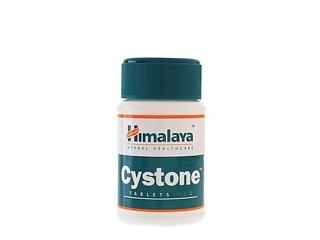
Cystone (Cystone) — Patient-Friendly Guide (Australia)
Cystone is an herbal, urinary support medicine traditionally used to help manage symptoms associated with urinary discomfort and to support urinary tract health. It is commonly chosen by people who want an additional, non-prescription option for everyday bladder comfort.
This guide explains what Cystone is, how it may work, when and how to take it, food and alcohol considerations, safety information, and practical tips. It also includes general guidance on alternatives and key considerations for customers in Australia.
Quick overview
- Medicine name: Cystone
- Type: Herbal urinary support medicine
- Common uses: Support for urinary tract comfort and symptoms that may relate to mild urinary irritation
- How it’s taken: Orally, usually multiple times daily depending on the product strength and directions on the pack
- Availability: Widely available through pharmacies and online retailers in Australia where permitted
Basic product information
What is Cystone? Cystone is formulated as an herbal medicine used for urinary tract support. It may be marketed as a traditional herbal product designed to help ease urinary discomfort and support normal urinary function.
What’s inside? Cystone contains a blend of plant-based ingredients. Exact composition can vary by brand formulation and local registration details. Always check your specific pack label for the most accurate ingredients and amounts.
Available forms: Cystone is commonly supplied as tablets.
Who might consider it? People experiencing mild urinary discomfort or who prefer herbal urinary support may consider Cystone as part of a symptom-management routine. It is not a substitute for medical assessment if symptoms are severe or persistent.
Indications: when Cystone is used
In Australia, herbal urinary products like Cystone are typically used for:
- Support for urinary tract comfort associated with mild urinary irritation
- Temporary relief of urinary discomfort while maintaining normal hydration
- Ongoing urinary support as part of daily wellness routines (for appropriate individuals)
Important: If you have symptoms that suggest a more serious condition—such as fever, flank/back pain, blood in urine, vomiting, or symptoms that worsen—seek medical advice promptly.
How Cystone works (mechanism of action)
Herbal urinary support products are designed to support multiple aspects of urinary tract function. While the precise mechanism can differ between formulations, products like Cystone are generally thought to act through one or more of the following mechanisms:
- Urinary tract soothing and support: ingredients may help calm mild irritation.
- Supporting normal urination: some herbal components are traditionally used to support regular urinary flow.
- Antioxidant/anti-inflammatory support: plant compounds may help reduce oxidative stress and support comfort.
- Gentle antimicrobial support (traditional use): some traditional formulations are used to help maintain a healthier urinary environment.
Note: The mechanism of action for herbal medicines is often described in terms of traditional use and broader pharmacological properties. Evidence may vary by ingredient and product.
Pharmacokinetics (how the body handles it)
For many herbal medicines, detailed pharmacokinetic data (absorption, distribution, metabolism, and excretion) may not be as extensively documented as it is for conventional pharmaceuticals. For Cystone, the following general points are useful:
- Absorption: herbal components are absorbed to varying degrees depending on their chemical properties.
- Metabolism: plant compounds may be metabolised in the liver and gut.
- Excretion: active metabolites and metabolites that support urinary function may be eliminated via the kidneys.
- Onset: improvements in discomfort often take several days rather than immediate relief, depending on the underlying cause of symptoms.
If you need exact pharmacokinetic information for your product batch, check the product monograph or consult a pharmacist.
Typical use and timing
Cystone is intended for ongoing, symptom-supportive use. The timing that works best depends on your routine and the directions on the pack.
General timing guidance
- Consistency matters: take it at the same times each day.
- With or without food: follow your product label. Many people take herbal tablets with water after food to reduce any chance of stomach upset.
- Give it time: if you’re using Cystone for mild urinary discomfort, allow a few days to assess benefit.
When to stop and seek advice
Stop use and seek medical advice if you experience:
- Fever or chills
- Severe pain (especially back/flank pain)
- Blood in urine
- Persistent symptoms beyond a short trial period
- Symptoms that worsen despite treatment
Dosing (how much to take)
Follow the dosage on your Cystone packaging. Dosage may vary by tablet strength, local product format, and customer category.
Typical dosing patterns for herbal urinary support products often include:
- Adults: usually multiple doses per day (commonly 2–3 times daily), taken with water
- Children: only if specifically stated for age on the label, since dosing guidance varies
Practical dosing tips:
- Use a timer or phone reminder to avoid missed doses.
- Do not exceed the stated daily dose.
- If you miss a dose, take it when you remember unless it’s close to the next scheduled dose. Then continue with the regular schedule.
Food interactions
One advantage of many herbal medicines is that food interactions may be relatively limited. However, the best approach is to confirm with the product label.
General guidance:
- Take with water and consider taking after meals if you have a sensitive stomach.
- Avoid doubling doses if you miss one.
- Maintain hydration: drinking adequate water supports urinary system health and may improve symptom comfort.
Possible considerations: Some herbal ingredients may be affected by gastrointestinal acidity or absorption in certain people. If you notice stomach upset, taking the tablets after food may help.
Alcohol interactions
There is no universal alcohol interaction that applies to all herbal formulations. Nevertheless, alcohol can worsen urinary discomfort by:
- Increasing dehydration (which concentrates urine)
- Possibly irritating the bladder lining
- Adding to the overall strain on the body during illness or infection
Practical advice:
- Limit or avoid alcohol while you’re experiencing urinary symptoms.
- If you choose to drink, keep it moderate and ensure you maintain fluid intake.
Medicine interactions (including supplements)
Herbal medicines can interact with other products, although the likelihood depends on the ingredient profile. To keep things safe:
- Tell a pharmacist about all medicines you take, including non-prescription medicines and supplements.
- Be cautious if you take medicines that affect kidney function, blood pressure, or fluid balance.
- If you take anticoagulants (blood thinners) or have complex medical conditions, confirm compatibility before use.
Why this matters: even when direct interactions are not clearly established, herbal products may have additive effects (for example, on the urinary system or metabolism).
If you are unsure, ask a pharmacist for product-specific interaction advice based on your medication list.
Safety profile: who should be careful
Cystone is generally considered suitable for many adults when used as directed. However, herbal medicines are not risk-free. Always follow the label directions and consider the points below.
Common side effects
Most people tolerate Cystone well. If side effects occur, they may include:
- Mild stomach discomfort
- Nausea or bloating
- Loose stools (occasionally, depending on individual sensitivity)
Allergy and intolerance
Avoid Cystone and seek advice if you have previously experienced an allergic reaction to any herbal ingredient or tablet excipient.
Special caution groups
- Pregnancy and breastfeeding: check with a healthcare professional before use.
- Children: use only if the product label states it’s appropriate for your child’s age.
- Kidney problems: if you have known kidney disease or reduced kidney function, talk to a pharmacist or doctor first.
- Frequent or recurring symptoms: recurring urinary discomfort may have an underlying cause that needs evaluation.
When to seek urgent help
Get urgent medical care if you have:
- High fever
- Severe pain (especially in the back/flank area)
- Vomiting or feeling very unwell
- Visible blood in urine
- Symptoms of dehydration (dizziness, fainting)
Practical use tips for best results
To support urinary comfort while using Cystone, consider these practical steps:
- Hydrate regularly: aim for steady fluid intake throughout the day.
- Don’t “hold” urine: urinate when you feel the need.
- Consider bladder-friendly habits: reduce bladder irritants like excessive caffeine and alcohol.
- Follow the course on the label: herbal urinary support often works gradually.
- Track symptoms: note changes in burning, frequency, or urgency to see if you’re improving.
Hygiene tips: maintaining gentle hygiene (without harsh soaps inside the genital area) can help reduce irritation and support comfort.
Alternative options
If you’re considering Cystone, you may also want to compare with other approaches depending on your symptoms and medical history.
Other urinary support options
- Hydration-focused approaches: increasing water intake and avoiding bladder irritants
- Non-herbal urinary symptom relief products: some customers choose other OTC options designed specifically for urinary discomfort
- Infection assessment: if symptoms suggest a urinary tract infection, appropriate medical assessment may be needed
When alternatives may not be enough
If symptoms are severe, persistent, or accompanied by fever or back pain, do not rely solely on OTC or herbal support—seek medical advice promptly to rule out complications.
Australia market & legal context
In Australia, medicines are regulated under the Therapeutic Goods Act framework. Products available to consumers must meet requirements for quality, safety, and performance as assessed by the relevant regulatory pathways (as applicable).
Herbal medicines like Cystone may be marketed as complementary or traditional products depending on the evidence and registration pathway. Always:
- Check the Australian label for instructions, ingredients, directions, and any warning statements.
- Purchase from a reputable pharmacy or authorised retailer.
- Confirm whether the product is currently available for sale in Australia.
Recent guidance: Australian consumers are encouraged to seek professional advice if symptoms are recurrent, severe, or not improving. For urinary symptoms, guidance commonly emphasizes appropriate assessment to differentiate simple irritation from infection or other causes.
Delivery and availability (online pharmacy)
Cystone is typically available through Australian online pharmacies and selected physical stores, subject to stock and regulatory availability at the time of order. Delivery schedules can vary based on location and carrier.
What to expect when ordering online
- Stock status: availability may change; check live product listing details.
- Packaging: medicines are supplied in manufacturer/retailer packaging with the label intact.
- Delivery timeframe: depends on your postcode and shipping method.
- Temperature & storage: store as directed on the pack, generally in a cool, dry place.
Tip: If you are ordering for ongoing use, consider checking your remaining supply and delivery timing to avoid gaps.
Storage and handling
- Store as directed on the pack.
- Keep out of reach of children.
- Protect from moisture and excessive heat.
- Do not use after the expiry date.
Frequently asked questions (FAQ)
1) What is Cystone used for?
Cystone is used for urinary tract support and may help with mild urinary discomfort. It’s typically chosen to support bladder comfort as part of a daily routine. If symptoms are severe, feverish, or worsening, seek medical advice.
2) How fast will I feel better?
Many people notice improvement within a few days, but timing varies. If you don’t feel any improvement within a reasonable period (as guided on the pack) or symptoms worsen, stop and seek advice.
3) How should I take Cystone?
Take it according to the directions on the package. Use water and maintain regular dosing times. Many people find it easier on the stomach when taken after food.
4) Can I take Cystone with food?
Often it can be taken with or without food, but follow the label. If you experience any stomach upset, taking after meals may help.
5) Are there alcohol interactions?
While a direct interaction with Cystone may not be established, alcohol can worsen urinary discomfort by dehydrating you and irritating the bladder. It’s best to limit alcohol while symptoms are present and drink water regularly.
6) Can I take Cystone if I have kidney problems?
If you have known kidney disease or reduced kidney function, talk to a pharmacist or doctor before using Cystone.
7) What if I miss a dose?
Take it when you remember unless it’s close to the next dose. Don’t take double doses to make up for a missed tablet.
8) Is Cystone suitable for children?
Use only if the product label states it is appropriate for your child’s age and provides dosing instructions. If unsure, ask a pharmacist.
9) What side effects may occur?
Most people tolerate Cystone well. Possible side effects include mild digestive discomfort such as nausea or stomach upset. Stop use and seek advice if you develop an allergic reaction or concerning symptoms.
10) Is Cystone a treatment for a urinary tract infection?
Cystone is designed for urinary support and may help comfort. However, it may not treat all causes of urinary symptoms. If you suspect a urinary tract infection—especially if you have fever, back pain, or symptoms are severe—seek medical assessment.
At-a-glance safety checklist
| Check before use | What to do |
|---|---|
| Allergies to herbal ingredients | Do not use; seek pharmacist advice. |
| Pregnant or breastfeeding | Ask a healthcare professional first. |
| Kidney disease or reduced kidney function | Speak to a pharmacist or doctor before use. |
| Fever, severe pain, or blood in urine | Stop and seek urgent medical care. |
| No improvement / worsening symptoms | Seek advice rather than continuing indefinitely. |
Disclaimer: This information is provided for general consumer guidance. Always read the product label and follow the directions provided by the manufacturer. If you are unsure whether Cystone is suitable for you, consult a pharmacist—especially if you have other medical conditions or take regular medicines.