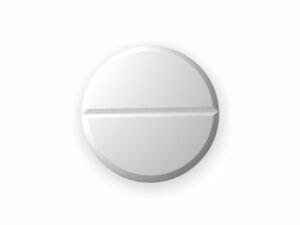
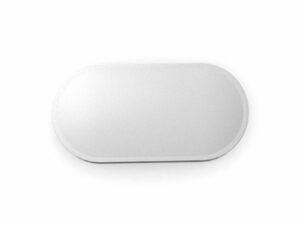
Coreg (Carvedilol) – Patient Information (Australia)
Coreg is a brand of the medicine carvedilol. It is used to help treat certain heart and circulation conditions, including heart failure and high blood pressure (hypertension). Many people use carvedilol long-term because it can improve symptoms, reduce the workload on the heart, and lower the risk of certain cardiovascular events.
This page explains how Coreg works, how it’s taken, common interactions and safety considerations, and what to expect in everyday use for patients in Australia.
Basic product information
| Feature | Details |
|---|---|
| Active ingredient | Carvedilol |
| Brand name | Coreg |
| Medicine type | Beta-blocker with additional blood-vessel–relaxing effects (alpha-1 blockade) |
| Common uses | Heart failure, hypertension, and after certain heart attacks (as directed) |
| Typical dosing frequency | Often twice daily for immediate-release carvedilol |
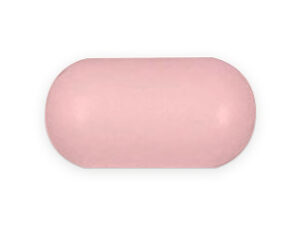
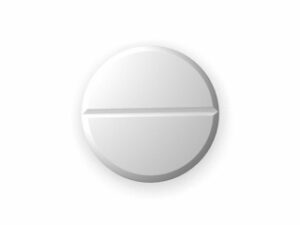
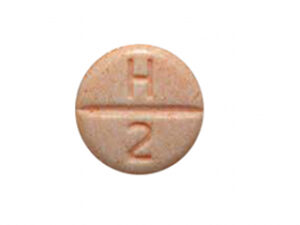
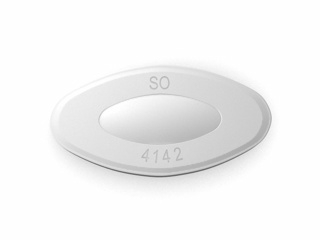
| How it’s supplied | Oral tablets (strengths vary by product) |
Important: Always follow your healthcare professional’s instructions. Carvedilol dosing is individualised, especially in heart failure where gradual dose increases are used to improve tolerability.
How Coreg works (mechanism of action)
Carvedilol belongs to a class of medicines called beta-blockers. It works in two main ways:
- Blocks beta receptors (especially beta-1 in the heart), which can:
- slow the heart rate
- reduce how strongly the heart squeezes
- decrease demand on the heart muscle
- Blocks alpha-1 receptors in blood vessels, which helps:
- relax blood vessels (vasodilation)
- lower blood pressure
- reduce resistance the heart has to pump against
In heart failure: By reducing strain on the heart and improving the balance of hormones and blood-vessel tone, carvedilol can improve symptoms and long-term outcomes.
Pharmacokinetics (how the body processes carvedilol)
Understanding pharmacokinetics can help explain timing and food effects.
- Absorption: Carvedilol is absorbed after oral dosing. The presence of food can affect absorption rate and peak concentrations.
- Peak levels: Peak blood levels generally occur within a few hours after a dose (timing can vary by formulation and person).
- Distribution: Carvedilol distributes into tissues, including cardiovascular tissues.
- Metabolism: Carvedilol is extensively metabolised in the liver through pathways including CYP450 enzymes, producing metabolites that may be less clinically active than the parent drug.
- Elimination: Metabolites are eliminated mainly via the bile and faeces and to a lesser extent via kidney pathways.
- Half-life: The elimination half-life is sufficient to support twice-daily dosing for many immediate-release regimens.
Why this matters: Because carvedilol is metabolised by the liver, liver impairment and interacting medicines can influence levels, effects, and side effects.
Typical uses and indications
Coreg is used for several cardiovascular conditions. The exact indication and dosing depend on your diagnosis, symptoms, and other medicines.
Common indications
- Chronic heart failure (stable, symptomatic), typically as part of a comprehensive heart failure plan
- Hypertension (high blood pressure)
- After a myocardial infarction (heart attack) in certain cases, depending on clinical judgement and local guidance
Your clinician may also consider carvedilol in other situations where beta-blockade is appropriate.
How to take Coreg (timing and dosing)
Always follow your prescribed instructions. Dose schedules vary depending on condition severity and how well you tolerate the medicine.
General timing guidance
- Coreg is commonly taken twice daily for immediate-release tablets.
- Try to take doses at regular times each day.
- Do not stop carvedilol suddenly unless your clinician tells you to. Stopping abruptly can worsen symptoms in some people.
Typical dosing principles
For many patients, carvedilol is started at a low dose and increased gradually (especially in heart failure).
- Heart failure:
- Start low and increase slowly to target dose if tolerated.
- Clinicians monitor blood pressure, heart rate, fluid status, and symptoms during titration.
- Hypertension:
- Doses are adjusted based on blood pressure response and tolerability.
Note on tablet strengths: Tablets come in different strengths. Your exact tablet number per dose depends on your regimen.
If you miss a dose
- If you remember soon after the missed dose, take it as directed.
- If it is nearly time for your next dose, skip the missed dose—do not double up.
- If you frequently miss doses, speak with a pharmacist or clinician to simplify your schedule.
Practical ways to stay consistent
- Use a daily reminder (phone alarm or medication organiser).
- Keep your tablets in a consistent location.
- When adjusting to a new dose, take note of blood pressure and symptoms at consistent times.
Food interactions and eating with Coreg
Carvedilol’s absorption is affected by food. In practical terms:
- Taking with food may improve tolerability and reduce the chance of feeling light-headed soon after a dose.
- Many regimens advise taking carvedilol with meals.
What to do: If your instructions say “take with food,” follow that. If you change whether you take it with meals, do so consistently and let your clinician know, especially if you notice dizziness or changes in blood pressure.
Alcohol and medicine interactions
Alcohol
Alcohol can increase the risk of:
- low blood pressure (dizziness, fainting)
- light-headedness and falls
- sometimes worsening fatigue
Tip: Keep alcohol intake moderate and be cautious when you first start or increase carvedilol. If you feel dizzy or unwell, avoid alcohol and discuss with your pharmacist or clinician.
Other medicines that may interact
Carvedilol can interact with other medicines that affect heart rate, blood pressure, liver metabolism, or heart rhythm. Tell your pharmacist about all medicines you use, including non-prescription products and herbal remedies.
Common interaction categories
- Other blood pressure or heart-rate–lowering medicines
- may increase the risk of low blood pressure or slow heart rate
- Calcium channel blockers (certain types)
- some can further slow heart rate; monitoring may be needed
- Antiarrhythmics
- may affect heart rhythm; medical supervision is important
- Medicines that affect CYP450 metabolism (liver enzyme pathways)
- can increase or decrease carvedilol levels
- Diabetes medicines
- beta-blockers may mask symptoms of low blood sugar (like fast heartbeat)
- blood sugar control may require adjustment
- Non-steroidal anti-inflammatory drugs (NSAIDs) (e.g., ibuprofen, naproxen)
- may reduce effectiveness for blood pressure in some people and can affect kidney function in susceptible patients
Herbal and OTC products: Some supplements and cold medicines can raise heart rate, raise blood pressure, or interact with liver metabolism. Ask your pharmacist if unsure.
Safety profile and when to seek help
Like all medicines, carvedilol can cause side effects. Many people experience mild effects early in treatment that improve as the body adjusts, especially when dose increases are gradual.
Common side effects
- Dizziness or light-headedness (particularly when standing up)
- Fatigue
- Slow heart rate (bradycardia)
- Low blood pressure
- Headache
- Nausea
Less common but important risks
- Worsening heart failure symptoms during early dose adjustments in some people
- Fluid retention or shortness of breath changes (may require dose adjustment)
- Cold hands and feet
- Sleep disturbances in some patients
- Sexual dysfunction in some patients
When to seek urgent medical attention
Get urgent help if you experience:
- fainting or severe dizziness
- chest pain, severe shortness of breath, or signs of severe worsening heart failure
- very slow pulse, or feeling like your heart is “skipping” with weakness or collapse
- severe allergic reaction symptoms (swelling of face/lips, trouble breathing, hives)
Extra caution in certain groups
Carvedilol may need careful monitoring in people with:
- asthma or certain breathing disorders (beta-blockers can affect airways in susceptible people)
- diabetes (low blood sugar symptoms may be masked)
- peripheral circulation problems (e.g., Raynaud’s phenomenon)
- liver impairment (metabolism may be reduced)
- low blood pressure or a history of dizziness on standing
- certain heart conduction problems (e.g., AV block)
Stopping carvedilol
Do not abruptly stop Coreg without medical advice. A sudden stop can lead to rebound effects such as increased heart rate and blood pressure, which may worsen angina or heart failure.
Practical use tips for everyday life
- Rise slowly: If you feel dizzy, stand up gradually from sitting or lying down.
- Monitor blood pressure and pulse: If your clinician recommends it, check at consistent times (for example, morning and evening).
- Know your “normal”: Understand what your usual heart rate feels like, so you can recognise worrying changes.
- Take with food if advised: Helps with tolerability for many patients.
- Keep an eye on symptoms when increasing dose: Dizziness, fatigue, or breathlessness can change during titration.
- Diabetes awareness: If you have diabetes, monitor blood glucose more closely when starting or adjusting carvedilol.
- Driving and operating machinery: Be cautious if you feel dizzy, especially at the start or after dose changes.
Alternative options to Coreg (carvedilol)
In Australia, carvedilol is one of several beta-blockers. Alternative options may include other beta-blockers depending on your condition and tolerance. The choice is individual and based on clinical factors.
Possible alternatives (examples)
- Metoprolol (commonly used in heart failure and hypertension)
- Bisoprolol (often used in heart failure)
- Atenolol (commonly used for hypertension in some cases)
- Other beta-blockers as selected by your clinician
Note: Switching between beta-blockers should be supervised. Doses are not directly interchangeable, and each has different properties.
Market and legal context for Australia
Coreg (carvedilol) is an established prescription medicine in Australia and is regulated under Australian medicines law. In general, supply is managed through authorised pharmacy channels and follows the national scheduling requirements for the relevant product.
Pharmacy supply: Your local pharmacist can help confirm the correct formulation, strength, and dosing schedule, and can check for interactions with your other medicines.
Medicines information: In Australia, consumer medicine information and product details are available through regulated sources and are updated periodically. Always rely on the information provided with your specific product and the advice of your pharmacist or clinician.
Recent guidance and monitoring approach
Heart failure and hypertension management evolves with ongoing clinical research. In Australia, general principles for carvedilol use typically include:
- Gradual titration for heart failure to improve safety and tolerability
- Regular monitoring of blood pressure, heart rate, symptoms, and sometimes lab tests as clinically indicated
- Review of interacting medicines (e.g., other rate-lowering drugs)
- Patient education on dizziness, adherence, and not stopping suddenly
Because guidance can update over time and differs by patient profile, speak with your healthcare professional for the most current plan tailored to you.
Delivery and availability (online pharmacy)
Coreg is widely available through pharmacy supply chains in Australia. Availability can depend on stock levels and the specific tablet strength.
Online ordering tips:
- Choose the correct strength and quantity as listed.
- Ensure your delivery address details are accurate.
- If you’re taking multiple cardiovascular medicines, consider ordering refills together to maintain continuity.
Delivery expectations: Delivery times vary by location and courier service. Many online pharmacies provide tracking information and clear delivery estimates at checkout.
FAQ – Frequently asked questions
1) What is Coreg used for?
Coreg (carvedilol) is used to treat conditions such as chronic heart failure and high blood pressure. It may also be used in specific post–heart attack situations based on your clinician’s assessment.
2) How long does it take to work?
Some effects, like blood pressure reduction and reduced heart rate, can occur within hours after a dose. In heart failure, the full benefits typically develop over weeks to months as treatment is optimised and titrated.
3) Should I take Coreg with food?
Many carvedilol regimens advise taking with food. This can improve tolerability. Follow your personal instructions—if you’re unsure, ask your pharmacist.
4) What if I feel dizzy when I start Coreg?
Dizziness is a common early side effect, often related to blood pressure changes. Stand up slowly, avoid alcohol, and discuss symptoms promptly with your healthcare professional—especially if dizziness is severe or you feel faint.
5) Can I stop Coreg if I feel better?
Do not stop carvedilol suddenly without medical advice. If you no longer need the medicine or if side effects become problematic, your clinician can guide a safe plan to adjust or discontinue.
6) Does Coreg affect blood sugar?
Carvedilol may mask some low blood sugar warning signs (such as a fast heartbeat). People with diabetes should monitor glucose carefully and keep your diabetes plan up to date with your clinician.
7) What interactions should I watch for?
Be cautious with medicines that lower blood pressure or slow heart rate, diabetes medicines, certain asthma medications, and drugs that affect liver metabolism. Always tell your pharmacist about all medicines and supplements you use.
8) Can I drink alcohol while taking Coreg?
Alcohol can increase dizziness and lower blood pressure. If you choose to drink, keep it moderate and monitor how you feel—especially after starting or increasing your dose.
9) Is it safe for people with asthma?
Carvedilol is a beta-blocker, and it may worsen breathing symptoms in some people. If you have asthma or a history of wheezing, discuss this with your clinician before using carvedilol.
10) How should Coreg be stored?
Store tablets according to the manufacturer’s instructions on the pack, usually at room temperature and away from moisture and heat. Keep out of sight and reach of children.
Need personalised advice? If you have questions about your carvedilol dose, side effects, or interactions with your current medications, speak with a pharmacist. If you are experiencing severe symptoms such as fainting, severe breathlessness, chest pain, or signs of an allergic reaction, seek urgent medical help.