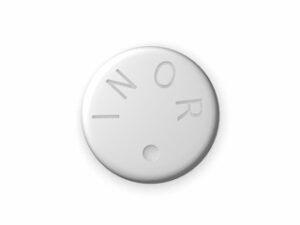
Duphaston (Dydrogesterone) – Patient Guide (Australia)
Duphaston is a brand of dydrogesterone, a synthetic (man-made) form of the naturally occurring hormone progesterone. It is used to treat various women’s health conditions where progesterone support is needed. This guide explains how Duphaston works, how it is used, what to expect, and important safety information for patients in Australia.
Note: Always follow the instructions provided by your healthcare professional or the product directions on the medicine label. This information is intended to help you understand Duphaston and prepare for safe use.
Basic product information
| Category | Details |
|---|---|
| Medicine name | Duphaston |
| Active ingredient | Dydrogesterone |
| Hormone type | Progestogen (synthetic progesterone) |
| Typical availability | Oral tablets (strength may vary by product line) |
| Common forms | Tablets taken by mouth |
How it’s usually provided: Duphaston tablets are taken orally and are generally available through pharmacies. Availability can vary by supplier and local stock levels.
What is progesterone and why is it important?
Progesterone plays a key role in the menstrual cycle and in preparing and maintaining the womb (uterus). It helps regulate bleeding patterns and supports pregnancy in certain circumstances. When progesterone levels are low or when the uterus needs additional hormone support, doctors may recommend a progestogen such as dydrogesterone.
Mechanism of action (how Duphaston works)
Dydrogesterone is a selective progestogen. In the body, it provides progesterone-like effects on target tissues:
- Supports the endometrium: It helps stabilise the lining of the uterus (endometrium), which can influence bleeding.
- Helps regulate menstrual bleeding: In conditions like abnormal uterine bleeding, it can help establish predictable bleeding patterns.
- Balances hormone therapy (when estrogen is used): If a person is taking estrogen, adding a progestogen helps protect the uterus from excessive estrogen effects.
- Supports early pregnancy in selected cases: Progesterone support can help maintain the uterine environment in certain situations.
Pharmacokinetics (absorption, metabolism, and elimination)
Understanding how a medicine moves through the body can help explain timing and effects.
- Absorption: Dydrogesterone is absorbed after oral dosing and is metabolised primarily in the liver.
- Metabolism: Dydrogesterone is converted to active and inactive metabolites, including dihydrodydrogesterone.
- Elimination: Metabolites are excreted mainly through the urine.
- Duration: Progesterone-like effects can last long enough to allow scheduled dosing patterns used for different indications.
Individual variation: As with other hormones, response and tolerability can vary between individuals, depending on age, liver function, and the condition being treated.
Typical uses (indications) – what Duphaston is commonly prescribed for
Duphaston is used for several progesterone-responsive conditions. The exact indication and dosing schedule depend on your diagnosis, symptoms, and stage of the menstrual cycle.
Common indications include:
- Abnormal uterine bleeding: Such as irregular bleeding, including bleeding related to hormonal imbalance.
- Endometriosis: A condition where tissue similar to the uterine lining grows outside the uterus, often causing pain.
- Luteal phase insufficiency (where relevant): A situation in which the “luteal phase” (the time after ovulation) may not have adequate progesterone effect.
- Premenstrual-type symptoms associated with progesterone deficiency (as advised by a healthcare professional).
- Threatened or recurrent miscarriage in selected clinical scenarios (management is highly individual).
- Prevention of miscarriage when progesterone support is considered appropriate.
- Hormone replacement therapy (HRT) regimens: When estrogen is used in people with a uterus, a progestogen helps protect the endometrium.
- Dysmenorrhoea (painful periods) related to progesterone-responsive conditions (depending on clinical assessment).
Important: Duphaston is designed to provide progestogen support. It is not intended to replace estrogen in all situations, and it may not be suitable for every diagnosis. Your clinician will determine whether it fits your treatment plan.
When to take Duphaston (timing and adherence)
Correct timing is important for both effectiveness and tolerability.
How to take it
- Consistency: Take your tablets at the times your prescriber instructs (or as directed on your label).
- With or without food: Duphaston can typically be taken with or without food (see food interactions below for detail).
- Swallow whole: Tablets are usually swallowed with water.
- If you miss a dose: Follow label directions or ask a pharmacist for advice. In general, do not double doses unless instructed.
Typical schedule examples (general guidance)
Because dosing depends on the indication, exact schedules vary. Common patterns may include:
- Once or twice daily dosing
- Cycling through parts of the menstrual cycle (for some conditions)
- Continuous use when used alongside HRT or in certain pregnancy-related scenarios
Tip: If you use cycle-based dosing, consider using a calendar or phone reminder to track the start and end dates of each course.
Food interactions
Can you take Duphaston with food? In most cases, you can. Dydrogesterone is generally not significantly affected by meal timing.
- With food: Taking with food may help reduce stomach discomfort for some people.
- Without food: If you tolerate it well, you can take it at your usual time.
Advice: Keep your routine consistent. If you notice nausea or indigestion, try taking the dose with a meal and speak with your pharmacist if symptoms persist.
Alcohol interactions
Alcohol may affect hormone treatments indirectly by altering metabolism, increasing dizziness or drowsiness in some individuals, and potentially worsening side effects such as nausea or headaches.
- General approach: If you choose to drink alcohol, keep it moderate and observe how you feel.
- Avoid heavy drinking: Particularly around the time you start a new course or if you experience side effects.
- Seek advice: If you have liver disease or other health conditions, ask your healthcare professional about alcohol safety with progestogens.
Practical tip: If you plan to drink alcohol, try to avoid taking the dose at the same time as alcohol if it makes you feel unwell. Timing can sometimes help reduce nausea.
Medicine interactions (including supplements)
Most people tolerate Duphaston without major interaction problems, but drug interactions can occur. The most important interactions involve medicines that affect liver enzymes (metabolism).
Potential interaction categories
- Enzyme-inducing medicines: Some treatments can increase the breakdown of hormones, potentially reducing effect (examples include certain anti-seizure medicines and some tuberculosis medicines).
- Herbal products: Products containing St John’s wort may influence hormone levels.
- Other hormone therapies: Interactions can depend on whether estrogen or other therapies are part of your regimen.
What you should do
- Tell your pharmacist or healthcare professional about all medicines you use, including:
- Prescription medicines
- Over-the-counter products
- Herbal supplements
- Vitamins at high doses
- Ask specifically whether any of your medicines could alter hormone metabolism.
Important: Do not start or stop medicines without advice, especially if you are using Duphaston as part of HRT or a condition affecting pregnancy outcomes.
Dosing (general principles)
Duphaston dosing is individualised based on the condition, your symptoms, and (for some conditions) your menstrual cycle timing.
General dosing principles
- Follow your label schedule: dosing frequency and days may change by indication.
- Cycle day instructions may apply: for some conditions you may start on a specific day of the menstrual cycle.
- Do not adjust dose yourself: hormones should be managed with careful guidance.
- Complete the course: stopping early can affect bleeding control and symptom management.
Typical strength in Australia may be listed on the pack (often 10 mg tablets). Your pharmacist can help you confirm the correct strength and number of tablets for your dosing instructions.
Safety profile: common side effects and when to seek help
Like all medicines, Duphaston can cause side effects. Many are mild and temporary. However, it is important to know what to watch for.
Common side effects
- Headache
- Nausea or mild stomach upset
- Breast tenderness or breast discomfort
- Mood changes (in some individuals)
- Vaginal spotting or changes in bleeding pattern, especially during the first cycle of use
Less common but important risks
- Allergic reaction: rash, itching, swelling of the face/lips, or difficulty breathing
- Signs of blood clots: sudden shortness of breath, chest pain, leg swelling/pain, or coughing blood (seek emergency care)
- Liver problems: yellowing of the skin/eyes (jaundice), dark urine, severe fatigue
- Severe or persistent abdominal pain or unusual symptoms
When to seek urgent medical advice
Seek urgent help immediately if you experience:
- Symptoms of a serious allergic reaction
- Chest pain, difficulty breathing, or one-sided leg swelling
- Severe headache with neurological symptoms (e.g., weakness, speech difficulties)
- Signs of significant liver problems (jaundice, severe upper abdominal pain)
Pregnancy considerations: If you are taking Duphaston during pregnancy-related care, contact your healthcare professional if you experience unusual bleeding, severe pain, or any warning signs.
Practical use tips (how to get the best results)
- Use reminders: Set alarms on your phone or use a pill organiser.
- Track your symptoms: If using for endometriosis or cycle-related symptoms, note pain levels and any bleeding changes.
- Take at a stable time: This helps maintain steady hormone exposure.
- Manage nausea: Taking with food and staying hydrated can help. If nausea is persistent, speak with a pharmacist.
- Don’t skip start dates: For cycle-based dosing, the timing of starting doses matters.
- Keep follow-up appointments: Hormone therapy often requires assessment to ensure symptom control and safety.
Bleeding changes early on: It’s common for bleeding patterns to adjust during the first one to two treatment cycles. If bleeding is heavy, prolonged, or worsening, consult a clinician.
Alternative options (depending on your indication)
Depending on the condition being treated, clinicians may consider other progesterone or progestogen options. Alternatives can include:
- Other progestogens (oral agents with different profiles)
- Micronised progesterone formulations (in some contexts)
- Intrauterine progestogen therapies for certain uterine conditions
- Combined hormone regimens where estrogen-progestogen balance is required
- Non-hormonal treatments for symptom relief in some circumstances
Which alternative is best? It depends on your diagnosis, age, health history, and whether you are using estrogen. Ask your pharmacist or doctor about options that fit your goals and safety considerations.
Market and legal context for Australia (what to expect when buying)
In Australia, prescription-only and over-the-counter medicines are regulated under the Therapeutic Goods Administration (TGA) framework. Duphaston is widely used as a progesterone support medicine and is marketed according to Australian regulatory requirements.
What that means for online purchasing:
- Reputable Australian pharmacies follow legal and regulatory processes for dispensing medicines.
- Availability and supply may vary due to distribution schedules and pharmacy stock levels.
- Product strength, pack size, and labelling will follow TGA-approved information.
Patient safety: Always verify that the product you receive matches the correct active ingredient and strength stated on the order and label.
Recent guidance and clinical updates (general note)
Hormone therapy recommendations can evolve as new research appears. In Australia, clinicians typically consider:
- Individual risk factors (age, smoking status, migraine history, blood clot risk, liver health)
- Benefit vs risk when using hormone therapy
- Appropriate monitoring during treatment
- Use of the lowest effective dose for the shortest necessary duration when relevant to your clinical situation
Stay informed: If you are using Duphaston as part of HRT or longer-term treatment, ask your clinician about current monitoring and review intervals.
Delivery, availability, and ordering (Australia)
Online pharmacies may offer home delivery across Australia. Delivery times depend on location, stock availability, and the courier service used.
What to expect
- Stock checks: Most pharmacies display estimated availability; if stock is limited, the pharmacy may contact you or dispatch from an alternate supplier.
- Packaging: Medicines should arrive in secure packaging with proper labelling and instructions.
- Tracking: Many deliveries include tracking information.
How to ensure you receive the right medicine
- Confirm the active ingredient: dydrogesterone
- Confirm the strength listed on the pack
- Check the quantity supplied matches your order
- Read the label instructions on arrival
Storage reminder: Store tablets as directed on the pack (typically at room temperature, away from moisture and direct sunlight). Keep out of reach of children.
FAQ – Duphaston (Dydrogesterone)
1) What is Duphaston used for?
Duphaston (dydrogesterone) is a progestogen used for conditions where progesterone support is helpful, such as abnormal uterine bleeding, endometriosis, luteal phase support in selected cases, and as part of some hormone therapy regimens.
2) How does Duphaston work?
Dydrogesterone mimics progesterone’s actions. It helps stabilise the uterine lining and supports hormone balance, which can regulate bleeding and support certain pregnancy-related treatment approaches when indicated.
3) Can I take Duphaston with food?
In most cases, yes. Food generally does not require special avoidance. If it helps your comfort, take it with meals.
4) What happens if I miss a dose?
Follow the product label guidance or ask a pharmacist. In many hormone schedules, missed doses may be handled differently depending on the indication and dosing days—so personalised advice is safest.
5) Will Duphaston cause weight gain?
Weight gain is not a guaranteed side effect. Some people may notice fluid retention or changes in appetite, but if you experience rapid or concerning weight changes, discuss them with a clinician.
6) Can I drink alcohol while taking Duphaston?
Moderation is advisable. Alcohol may worsen side effects such as nausea or headaches and can indirectly affect liver metabolism. If you have liver problems or are experiencing side effects, ask your pharmacist or clinician.
7) Are there interactions with other medicines?
Some medicines can affect how hormones are metabolised, potentially changing effectiveness. Tell your pharmacist about all prescription medicines, over-the-counter medicines, and supplements (including herbal products).
8) Is Duphaston safe for everyone?
No medicine is suitable for everyone. People with certain medical conditions—especially severe liver disease or a history of specific hormone-related complications—may need extra caution. Always check your medical history with a healthcare professional.
9) How long does it take to work?
Some effects, such as changes in bleeding patterns, may be noticed within one cycle. Pain or other symptoms related to underlying conditions may take longer, depending on diagnosis and response.
10) Should I stop Duphaston if I feel better?
Do not stop early unless advised. Stopping abruptly may cause bleeding changes or reduce the intended hormone support for your condition.
Summary
Duphaston (dydrogesterone) is a progestogen medicine used to provide progesterone-like support in a range of women’s health conditions. It works by stabilising the uterine lining and supporting hormone balance. When taken as directed, it can help regulate bleeding patterns and manage progesterone-responsive conditions. As with all hormonal therapies, it’s important to consider side effects, possible interactions, and individual safety factors.
If you have questions about dosing timing, side effects, or drug interactions, a pharmacist or healthcare professional can help you make the safest choices for your situation.