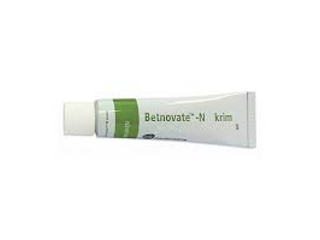
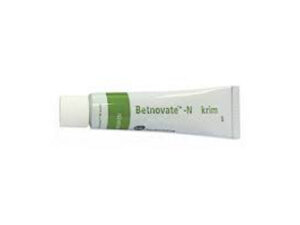
Betnovate® (Betamethasone valerate) — Patient-Friendly Medicine Information (Australia)
Betnovate® contains betamethasone valerate, a corticosteroid medicine used to reduce inflammation and relieve symptoms such as itching, redness, and swelling in a range of skin conditions. This information is designed to help you understand how Betnovate works, how it is commonly used, and what to watch for.
Important: This page provides general information. Always follow the dosing instructions and directions supplied with your specific product and packaging (e.g., cream, ointment, or other approved forms).
1) Basic product information
- Active ingredient: Betamethasone valerate
- Medicine class: Topical corticosteroid (anti-inflammatory)
- Common forms: Cream and ointment (strength may vary by product)
- What it treats: Inflammatory skin conditions responsive to corticosteroids
- How it is used: Applied to the skin (topical use)
Note: Brand names and pack strengths can differ. Check the label for your exact concentration (strength) and formulation.
2) How Betnovate works (mechanism of action)
Betamethasone valerate is a corticosteroid. When applied to the skin, it works by:
- Reducing inflammation: Helps calm overactive immune responses in the skin.
- Suppressing immune activity: Corticosteroids decrease inflammatory cell activity.
- Reducing itching and redness: By lowering inflammatory signalling in affected areas.
- Improving skin barrier symptoms: In conditions where inflammation drives discomfort.
Because it is an anti-inflammatory steroid, it can provide symptom relief, but it does not cure the underlying tendency for some chronic skin conditions. Ongoing management plans (including moisturising and trigger avoidance) are often important.
3) Pharmacokinetics (how the body handles it)
Topical betamethasone is generally absorbed into the skin to varying degrees. Absorption is typically low when applied correctly to small areas and for short periods, but absorption can increase under certain conditions.
Factors that can increase absorption
- Using on large surface areas
- Applying to broken, inflamed, or ulcerated skin
- Using under occlusion (covered with airtight bandages or tight dressings unless instructed)
- Applying to skin folds or thin skin
- Prolonged use
- Children may absorb proportionally more due to higher skin permeability relative to body size
What this means for patients
Higher absorption increases the risk of systemic (whole-body) steroid effects, including suppression of the body’s natural steroid production. For most skin conditions, this is avoided by using the correct amount, limiting duration, and avoiding occlusion unless specifically advised.
4) Typical uses
Betnovate is used for a variety of inflammatory skin conditions where a corticosteroid is appropriate. It is commonly used for conditions such as:
- Eczema (including flares of atopic dermatitis)
- Dermatitis (inflammatory rashes responsive to steroids)
- Psoriasis (selected forms and areas, depending on severity and clinician advice)
- Other inflammatory steroid-responsive dermatoses
Skin infection caution: Topical corticosteroids may mask or worsen certain infections. If you have signs of infection (e.g., spreading redness, pus, fever, increasing pain), seek medical advice promptly. In some situations, an antifungal or antibacterial treatment may also be needed.
5) Timing and how quickly it works
Most people notice symptom improvement within several days, though the exact timing varies depending on the condition, severity, and correct application.
Common practical timing approach:
- Apply once or twice daily as directed by the product label or your prescriber/pharmacist instructions.
- For noticeable improvement, reassess after a short initial period (often within 1–2 weeks for uncomplicated cases).
- If there is no improvement or the condition worsens, stop and seek advice rather than continuing indefinitely.
Do not use longer than recommended. Steroids should typically be used at the lowest effective strength for the shortest effective duration.
6) Food interactions
Because Betnovate is a topical medication and systemic absorption is generally limited, it is not expected to have clinically significant interactions with food.
That said: If you use Betnovate on a large area, use it for long periods, or apply it under occlusion, absorption may increase and interactions become more relevant. Follow the directions on your pack and consult your pharmacist if you have concerns.
7) Alcohol and medicine interactions
Alcohol: There is no well-known direct interaction between topical betamethasone and alcohol. However, if systemic absorption occurs (e.g., extensive use, occlusion), general steroid-related precautions may apply.
Medicines: Topical betamethasone is not commonly associated with major drug–drug interactions when used as directed. Still, it’s important to consider the following:
- Other steroid medicines: Avoid combining without guidance (e.g., oral or inhaled steroids at high doses), as combined steroid exposure may increase risk.
- Immunosuppressing medicines: In rare cases of significant absorption or prolonged use, immune effects could be relevant.
- Skin products: Avoid mixing with other strong topical medications on the same area unless advised.
Tell your pharmacist about all medicines you use (including topical products, creams, ointments, and supplements) and about any ongoing skin infections.
8) Indications (when Betnovate is used)
Betnovate is indicated for inflammatory and pruritic (itchy) skin conditions responsive to topical corticosteroid therapy.
Examples include steroid-responsive dermatoses such as eczema/dermatitis flares and certain cases of psoriasis under appropriate management. The exact suitability depends on diagnosis, body site, and severity.
Not for: Betnovate is generally not intended for use on skin conditions where steroids are inappropriate, such as untreated viral infections (e.g., cold sores, some types of warts) or fungal infections without appropriate antifungal treatment. If unsure, check with a pharmacist or clinician.
9) Dosing and how to apply (patient guide)
Dosing depends on the product strength, formulation (cream/ointment), the condition being treated, and the area of skin. Always follow your pack instructions.
General dosing principles
- Apply a thin layer to the affected skin.
- Use once or twice daily if directed, typically during flare periods.
- Continue for the shortest time that controls symptoms.
- After improvement, your clinician/pharmacist may recommend reducing frequency (e.g., once daily or less) rather than stopping abruptly, depending on your condition.
How much to use: the fingertip unit (FTU) method
To help apply the right amount, many clinicians use the fingertip unit approach:
- One FTU (a strip of ointment/cream along the fingertip) is roughly enough to cover an area of skin about the size of two adult palm-sized patches.
- Smaller areas usually require less.
If you’re treating a small patch, you typically need only a small amount. Over-application increases risk of side effects.
Where to apply
- Avoid eyes, eyelids, and areas close to the eyes.
- Avoid use on mucous membranes (e.g., inside the mouth or genitals) unless your product directions and clinician advice specifically allow it.
- Be cautious on face, groin, and armpits as the skin is thinner and side effects are more likely.
Hygiene and aftercare tips
- Wash hands before and after applying (unless treating the hands).
- If using moisturisers, apply after the steroid only if advised (often moisturiser can be used between steroid applications).
- Do not cover with an airtight dressing unless specifically instructed.
10) Safety profile: what to watch for
Like all corticosteroids, Betnovate can cause side effects—especially with prolonged use, large-area application, high potency, or occlusion.
Common local effects
- Skin irritation or burning sensation
- Dryness or worsening of symptoms at the application site
- Folliculitis (inflamed hair follicles)
- Acne-like changes in some areas
More serious or long-term risks (particularly with overuse)
- Skin thinning (atrophy)
- Stretch marks (striae)
- Visible small blood vessels (telangiectasia)
- Perioral dermatitis or rosacea-like effects (more likely on the face)
- Rebound flare when stopping after long or frequent use
- Systemic effects are uncommon when used correctly, but risk increases with extensive use, occlusion, or in children
Stop and seek medical advice urgently if
- You develop signs of infection (spreading redness, pus, increasing pain, fever)
- Your rash rapidly worsens or spreads
- You experience severe burning, blistering, or widespread skin pain
- Any eye symptoms occur if the product accidentally gets into the eye
Use in children
Children may be more susceptible to corticosteroid side effects due to higher absorption and thinner skin. Use in children should follow the pack directions and be limited in time and area unless a clinician advises otherwise.
11) Practical use tips for best results
- Apply consistently: For example, if the label says twice daily, try to keep spacing even (morning/evening).
- Thin layer only: More is not better; it increases risk.
- Don’t “treat everything”: Use only on the diagnosed affected areas.
- Moisturise to support healing: Regular moisturisers help reduce flare frequency and improve skin barrier function.
- Know when to reassess: If no improvement is seen after the recommended timeframe, seek pharmacist or clinician advice.
- Watch for masking infection: Steroids may reduce redness/itch while an infection continues to grow.
12) Alternative options (depending on your diagnosis)
The best alternative depends on the underlying skin condition and severity. Common alternatives to consider include:
- Emollients (moisturisers): Often essential for eczema/dermatitis management.
- Non-steroid anti-inflammatory creams: For some patients and sites where steroids should be minimised (availability and suitability vary).
- Antifungal treatments: If the rash is fungal (steroid-only treatment can worsen fungal infections).
- Antihistamines: May help itch at night for comfort (not a direct skin anti-inflammatory).
- Other topical steroids: Depending on potency needs and body site.
Your pharmacist can help explain which approach may suit your situation, especially if you’re unsure whether the rash is eczema, psoriasis, dermatitis from irritation, or infection.
13) Market and legal context in Australia (what to expect)
In Australia, topical corticosteroids like betamethasone valerate are regulated medicines. Availability depends on the specific product strength, formulation, and the regulatory schedule applicable at the time of purchase. Some topical corticosteroids may be supplied from pharmacies as permitted, while others may require professional involvement.
Online pharmacy availability may also depend on:
- Product strength and formulation
- Age restrictions
- Safety screening questions (for appropriate use)
- State/territory and regulatory requirements
Always use the product exactly as directed for your particular condition.
14) Recent guidance and best-practice approach (general)
In recent years, guidance across Australia and internationally has emphasised:
- Use the lowest effective strength for the shortest time necessary.
- Ongoing skin care with moisturisers to prevent flares.
- Review diagnosis if symptoms don’t improve—misdiagnosis is common and can lead to inappropriate steroid use.
- Be cautious on thin skin sites (face/groin/underarms) due to higher risk of side effects.
- Limit or avoid occlusion unless specifically instructed.
If you have recurrent symptoms, ask a pharmacist or clinician about a maintenance plan and flare strategy.
15) Delivery and availability
Betnovate may be available through pharmacies for delivery within Australia. Availability can vary by:
- Preferred formulation (cream vs ointment)
- Exact strength and pack size
- Stock levels and warehouse location
When ordering online, ensure you select the correct product form and strength that matches your intended use. Delivery times depend on your location and the pharmacy’s shipping policies. After dispatch, you may receive tracking information.
16) Frequently Asked Questions (FAQ)
Can I use Betnovate on my face?
Use on the face requires extra caution because facial skin is thinner and more prone to side effects. Only use it if the product label and your healthcare advice indicate it is appropriate for facial application. Avoid prolonged use, and seek advice if you develop acne-like bumps or irritation.
How long should I use Betnovate?
Use the shortest time that controls symptoms, following your pack instructions. If you need long-term or repeated courses, speak with a pharmacist or clinician to confirm the diagnosis and discuss safer long-term strategies.
What if my symptoms don’t improve?
If there is no improvement within the expected timeframe on the pack (or symptoms worsen), stop using the product and seek advice. Lack of response may mean the diagnosis is different (e.g., infection or fungal rash) or that the dosing/application method needs review.
Is it safe to stop suddenly once the rash improves?
For short courses, stopping may be appropriate. For frequent or prolonged use, you may need a tapering approach to reduce rebound. Follow your healthcare advice and packaging instructions.
Can I use moisturiser with Betnovate?
Often yes. Many people moisturise regularly and apply the steroid to affected patches as directed. A practical approach is to apply the steroid first and moisturiser after if needed, but follow your specific directions. Avoid mixing products in the same layer unless advised.
Should I cover the treated area with a dressing?
Do not use airtight occlusion unless your healthcare professional specifically instructs it. Occlusion can increase absorption and side effects.
What should I do if I accidentally get Betnovate in my eye?
Rinse the eye with plenty of water immediately and seek medical advice if irritation persists.
Can I use Betnovate if I think I have an infection?
If you suspect infection (spreading, oozing, pus, worsening pain), get advice before using. Steroids can mask infection symptoms and potentially make certain infections worse.
Is there a difference between cream and ointment?
Creams and ointments can differ in texture, greasiness, and skin feel. Ointments may be more occlusive and can be helpful for very dry skin, while creams may suit weepy areas. Choose based on the condition and product guidance.
Summary
Betnovate (betamethasone valerate) is a topical corticosteroid used to treat inflammatory, itchy skin conditions responsive to steroid therapy. When applied correctly—using a thin layer, the lowest effective strength, and for the shortest effective time—it can provide meaningful relief. Because side effects increase with prolonged use or higher absorption (large areas, occlusion, broken skin, and in children), it’s important to follow the product instructions and seek advice if symptoms don’t improve or if infection is suspected.
If you’d like, share the exact condition and where on the body you plan to use Betnovate, and whether it’s cream or ointment, and we can help you understand general application considerations and safety checks to discuss with your pharmacist.