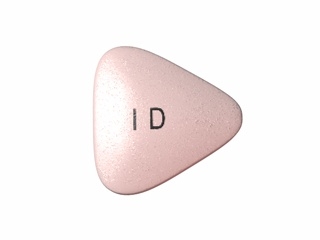

Voveran SR (Diclofenac) – Patient Information (Australia)
Voveran SR is a brand of diclofenac in a sustained‑release (SR) formulation. It is used to relieve pain and inflammation associated with a range of conditions such as arthritis and musculoskeletal injuries. This guide explains how Voveran SR works, how to take it safely, and what to consider regarding food, alcohol, and other medicines.
This information is designed to be patient-friendly and general in nature. Always read the consumer medicine information provided with your product and speak with a healthcare professional if you have questions.
1) Basic product information
| Product | Voveran SR |
|---|---|
| Active ingredient | Diclofenac (sustained‑release) |
| Dosage forms | Oral sustained‑release tablets (various strengths depending on local supply) |
| How it works | NSAID (non‑steroidal anti‑inflammatory drug) with sustained release |
| Main effects | Reduces pain, inflammation, and swelling |
Important: Different strengths and dosing regimens may apply depending on the condition and your individual risk factors. Your pharmacist or doctor can confirm the most appropriate regimen for you.
2) How Voveran SR works (mechanism of action)
Diclofenac belongs to the NSAID family. It works by reducing the production of inflammatory chemicals called prostaglandins.
Prostaglandins are involved in:
- Pain signalling (you feel pain more intensely when prostaglandins are high)
- Inflammation (swelling, redness, heat)
- Fever (less relevant for diclofenac use compared with other medicines)
Diclofenac helps relieve symptoms by inhibiting cyclo‑oxygenase (COX) enzymes—COX‑1 and COX‑2—reducing prostaglandin formation. Because Voveran SR is sustained‑release, it is designed to release diclofenac gradually to maintain symptom relief over an extended period.
3) Pharmacokinetics (how the body handles it)
Pharmacokinetics describes how a medicine is absorbed, distributed, metabolised, and eliminated.
- Absorption: As an SR formulation, diclofenac is released more slowly than immediate‑release forms. This can support steadier blood levels for pain control.
- Onset: Pain relief may begin within hours, though the SR design aims for more consistent effect.
- Distribution: Diclofenac binds to plasma proteins and distributes into tissues, including areas affected by inflammation.
- Metabolism: It is mainly metabolised in the liver.
- Elimination: Metabolites are excreted primarily via the kidneys (through urine), with additional elimination pathways.
Because liver metabolism and kidney elimination are involved, dose and safety considerations may be relevant in people with impaired liver or kidney function. Your pharmacist can advise based on your medical history.
4) Typical uses in Australia
Voveran SR is commonly used for conditions where pain and inflammation need management, such as:
- Osteoarthritis (wear‑and‑tear arthritis)
- Rheumatoid arthritis (to reduce pain and inflammation)
- Ankylosing spondylitis (inflammatory back/hip conditions)
- Musculoskeletal pain (e.g., strains, sprains, tendinitis—depending on clinical advice)
- Other inflammatory pain conditions as determined by a healthcare professional
Note: The exact approved indications and dosing can vary with product strength and local regulatory guidance. Always refer to the consumer medicine information supplied with your specific pack.
5) Timing and how to take Voveran SR
Typical dosing approach
Sustained‑release diclofenac is generally taken once or twice daily depending on the strength and the condition being treated. Because SR products differ by formulation strength, it’s essential to follow the regimen on your pack or as advised.
How to take
- Swallow whole with water—do not crush or break SR tablets unless your product instructions specifically allow it.
- Try to take it at the same time each day to maintain consistent relief.
- If you miss a dose, take it when you remember unless it’s close to the next dose. Do not take a double dose.
When will it start working?
Many people notice pain relief within the first hours. However, for inflammatory arthritis, symptom improvement may take days to weeks depending on the underlying condition and your response.
6) Food interactions: taking it with meals
Food does not usually “cancel out” diclofenac, but it can reduce stomach irritation. NSAIDs can irritate the lining of the stomach, and taking them with or after food may help lower the risk of indigestion.
- General advice: Take Voveran SR with food or after meals if you have a sensitive stomach.
- Avoid extremes: Very heavy meals may occasionally affect how slowly the SR tablet releases, though the difference is usually not clinically significant for most people.
- Consistency helps: Try to keep your usual meal timing similar while you are taking the medicine.
If you experience heartburn, stomach pain, nausea, or black/tarry stools, stop and seek medical advice promptly.
7) Alcohol and medicine interactions
Alcohol
Alcohol can increase the risk of stomach irritation and bleeding when combined with NSAIDs. It can also worsen dizziness or sedation in some individuals. As a general safety measure:
- Limit alcohol while taking diclofenac.
- Avoid alcohol if you have a history of gastric ulcers, gastrointestinal bleeding, or NSAID intolerance.
Important medicine interactions
Diclofenac can interact with several medicines, which may increase side effects or affect effectiveness. Seek advice from a pharmacist if you are taking any of the following (or similar medicines):
- Other NSAIDs (e.g., ibuprofen, naproxen, aspirin for pain): increased risk of stomach bleeding and kidney stress.
- Anticoagulants (e.g., warfarin): increased bleeding risk.
- Antiplatelet agents (e.g., clopidogrel): increased bleeding risk.
- Corticosteroids (e.g., prednisone): increased risk of gastrointestinal side effects.
- SSRIs/SNRIs for depression/anxiety: may increase bleeding risk with NSAIDs.
- ACE inhibitors, ARBs, and diuretics: NSAIDs can reduce kidney protection and may raise blood pressure in some people.
- Lithium: NSAIDs may increase lithium levels.
- Metformin or other diabetes medicines: can affect kidney function or metabolism, potentially altering control.
- Methotrexate: NSAIDs may increase methotrexate levels and toxicity (especially at higher methotrexate doses).
- Digoxin: NSAIDs can increase digoxin levels.
- Cyclosporine/tacrolimus: increased risk of kidney effects.
- Potassium supplements or potassium‑raising medicines: increased risk of high potassium in some cases.
Keep a list of your medicines (including vitamins and herbal products) and share it with your pharmacist to check for interactions.
8) Indications: when it may be appropriate
Voveran SR (diclofenac) is indicated for the relief of:
- Pain and inflammation associated with osteoarthritis and other inflammatory joint conditions
- Inflammatory pain where reduction in swelling and pain is required
- Musculoskeletal injuries where anti‑inflammatory therapy is clinically considered
Your clinician will consider your age, medical history (especially stomach ulcer risk, kidney function, heart and stroke risk), and other medicines before choosing an NSAID and a dose.
9) Dosing guidance (general information)
Dosing for diclofenac SR depends on:
- the strength of your tablet
- the condition being treated
- your age and overall health
- risk factors for side effects (e.g., gastrointestinal bleeding or cardiovascular risk)
General principles:
- Use the lowest effective dose for the shortest duration needed to control symptoms.
- Do not combine with additional NSAIDs unless advised.
- Follow the instructions on your product pack carefully.
If you have been given a specific schedule (for example once daily or twice daily), follow that plan unless your prescriber or pharmacist has advised changes.
10) Safety profile: who should be cautious?
Like all NSAIDs, diclofenac can cause side effects. The most important risks relate to the stomach and gut, kidneys, and—depending on dose and duration—cardiovascular events.
Common side effects
- indigestion, heartburn
- nausea or stomach discomfort
- headache or dizziness (in some people)
- mild swelling (fluid retention can occur)
Serious warnings (seek urgent help)
Get urgent medical attention if you experience:
- Signs of gastrointestinal bleeding: black/tarry stools, vomiting blood, or sudden severe stomach pain
- Allergic reactions: swelling of face/lips, wheezing, severe rash, or difficulty breathing
- Severe skin reactions (rare): blistering rash, peeling skin, or sores in the mouth
- Signs of liver problems: yellowing of eyes/skin, dark urine, severe fatigue
- Kidney concerns: reduced urination, sudden weight gain, severe fluid retention
- Cardiovascular warning signs: chest pain, sudden shortness of breath, weakness on one side, trouble speaking
People who may need extra caution
- History of stomach ulcers or GI bleeding
- Older adults (risk can increase with age)
- People with kidney disease or dehydration
- People with heart disease, previous stroke, or high cardiovascular risk
- People with asthma that worsens with aspirin/NSAIDs
- Those taking medicines that increase bleeding or affect kidneys (e.g., anticoagulants, steroids, ACE inhibitors/diuretics)
11) Practical use tips for safer everyday use
- Check your full medicine list: before starting, including OTC pain relievers and cold/flu products.
- Avoid double NSAID therapy: do not use ibuprofen/naproxen/aspirin for pain at the same time unless advised.
- Take with food if you get indigestion.
- Hydrate: adequate fluids may help support kidney function, especially if you’re unwell.
- Monitor symptoms: persistent abdominal discomfort, unusual bruising, or reduced urine should be discussed with a clinician.
- Use heat/cold appropriately: for injury-related pain, combining medicine with physiotherapy, gentle activity, or advised rest can improve outcomes.
- Don’t ignore new symptoms: NSAID side effects can occur early in treatment, so report them promptly.
12) Alternative options (depending on your condition)
Depending on your pain source, history, and risk factors, alternatives may include:
Non‑medicine options
- Physiotherapy, strengthening, and flexibility exercises
- Rest and graded return to activity
- Heat or cold packs
- Weight management and ergonomic support for joint pain
Other analgesic medicines
- Paracetamol (acetaminophen): may help with pain relief, particularly for mild to moderate pain (anti-inflammatory effect is limited).
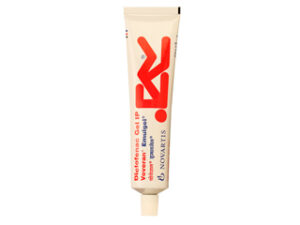
- Topical NSAIDs (e.g., diclofenac gel): may be an option for localized osteoarthritis pain with lower systemic exposure.
- Other oral NSAIDs: sometimes used with careful selection and monitoring.
If you have risk factors for NSAID side effects, it may be worth discussing whether a topical option, paracetamol, or a different strategy is safer for you.
13) Market and legal context in Australia (general overview)
Medicines in Australia are supplied under a regulatory framework that classifies medicines according to their required supervision (e.g., pharmacist-only or prescription medicines). Diclofenac and related NSAIDs may have different scheduling and availability depending on dose, formulation, and product brand.
In the online pharmacy environment, products are typically supplied in accordance with Australian rules for safe distribution, identification of the customer, and appropriate information-gathering processes. Your pharmacy may also require age or suitability checks, especially for medicines with safety concerns.
Always ensure you purchase from a reputable Australian online pharmacy and confirm the product details (active ingredient, strength, dosage form) match what you intend to use.
14) Recent guidance (high-level considerations)
While advice may evolve, recent Australian and international safety messaging for NSAIDs generally focuses on:
- Using the lowest effective dose for the shortest duration
- Reviewing cardiovascular risk and gastrointestinal risk before ongoing use
- Considering alternative options (topicals, paracetamol, non‑drug strategies) for suitable patients
- Promptly reporting warning signs of bleeding, allergic reactions, or kidney/liver problems
For the most up-to-date individual guidance, ask your pharmacist or GP, especially if you have chronic symptoms or take multiple medicines.
15) Delivery and availability (online pharmacy information)
Availability can vary depending on stock levels and your location in Australia. When purchasing online, delivery timelines typically depend on:
- the product strength and pack size you choose
- current warehouse availability
- your delivery address (metro vs regional areas)
- courier service schedules
Most reputable online pharmacies provide estimated delivery times at checkout, along with tracking once your order has been dispatched. If you need the medicine urgently, consider contacting customer support to confirm dispatch schedules.
16) FAQ – Frequently asked questions
Can I take Voveran SR with food?
Yes. Many people find it easier on the stomach when taken with or after food. If you experience indigestion or stomach discomfort, taking it with a meal can be helpful.
How long can I take Voveran SR?
Use it for the shortest period needed to control symptoms. If you need it for more than a few days (or ongoing arthritis pain), discuss a longer-term plan with a healthcare professional to ensure safety and correct monitoring.
Is Voveran SR safe to use with other painkillers?
Avoid taking other NSAIDs at the same time (such as ibuprofen or naproxen) unless your clinician advises. Paracetamol may be an alternative for some people, but it’s still important to check your personal situation with your pharmacist.
What happens if I miss a dose?
Take the missed dose when you remember, unless it’s close to your next dose. Do not take a double dose to make up for the missed tablet.
Can I drink alcohol while taking diclofenac?
Alcohol can increase the risk of stomach irritation and bleeding with NSAIDs. If you choose to drink, limit alcohol and avoid it if you have a history of ulcers or bleeding. Seek medical advice if you’re unsure.
Are there signs I should stop and get medical help?
Yes. Stop and seek urgent advice for symptoms such as black/tarry stools, vomiting blood, severe abdominal pain, signs of allergic reaction, rash with blistering/peeling, yellowing of the skin/eyes, chest pain, or sudden shortness of breath.
Who should avoid Voveran SR?
You may need to avoid diclofenac or use it only with careful medical guidance if you’ve had NSAID-related allergic reactions, NSAID-sensitive asthma, a history of stomach ulcers/bleeding, significant kidney or liver disease, or certain cardiovascular conditions. Your pharmacist can help assess suitability based on your history.
Can I use topical diclofenac instead?
Sometimes. Topical diclofenac can be helpful for localized osteoarthritis pain and may reduce systemic exposure compared with oral NSAIDs. It’s not always equivalent for all conditions, so ask your pharmacist or doctor.
Does Voveran SR treat the cause of arthritis?
Diclofenac relieves pain and inflammation, but it does not cure arthritis or stop its underlying progression. Long-term arthritis management often requires a broader approach (e.g., exercise, physiotherapy, and other therapies).
What if I’m pregnant or trying to conceive?
NSAID use in pregnancy may not be appropriate and timing matters. If you are pregnant, planning pregnancy, or breastfeeding, consult a healthcare professional for advice before using diclofenac.
Always read the pack label and the consumer medicine information for your specific Voveran SR product strength and dosing instructions. If you have ongoing symptoms, complex medical conditions, or take other medicines, a pharmacist can help you check suitability and reduce the risk of interactions.