

Sibelium (Flunarizine) — Patient Information (Australia)
Sibelium is a brand of flunarizine, a medicine used mainly to help prevent certain types of migraine and, in some cases, to treat symptoms related to balance problems caused by vestibular disorders. This page explains how Sibelium works, how it is typically used, important safety information, and practical tips to get the best out of treatment in Australia.
Quick facts
- Active ingredient: Flunarizine
- Common uses: Prevention of migraine; other approved uses may apply depending on your condition
- How it is taken: Usually by mouth, once daily (often in the evening)
- How long it takes to work: Some people need a few weeks to notice full benefits
- Main cautions: Drowsiness, weight gain, and movement disorders (less common)
What is Sibelium?
Sibelium is a calcium channel blocker medicine. In many people, it helps reduce how often migraine attacks occur. Because it is used for prevention, it is usually not intended to stop an attack once it has started.
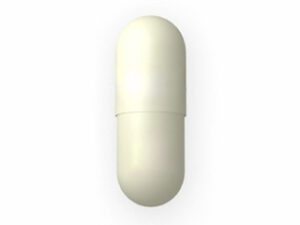
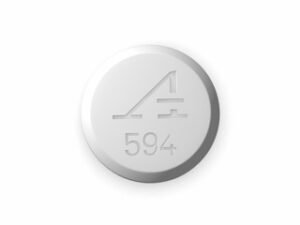
In Australia, the availability of medicines can vary by product form (for example, tablets) and supplier. Your pharmacist can confirm the exact Sibelium brand, strength, and how it is supplied.
How Sibelium works (mechanism of action)
Flunarizine affects calcium movement in cells and also influences pathways in the brain that are involved in blood vessel tone and nerve signalling. While the exact process behind migraine prevention is complex, the overall effect is thought to include:
- Reducing abnormal nerve activity that can contribute to migraine attacks
- Stabilising vascular and neuronal changes associated with migraine
- Modifying neurotransmission involved in pain and sensory sensitivity
This preventive action is one reason the medicine is often taken consistently, even when you are not currently having symptoms.
Pharmacokinetics (how your body handles it)
Pharmacokinetics describes what happens to a medicine in the body—how it is absorbed, distributed, metabolised, and eliminated.
- Absorption: Flunarizine is absorbed after oral dosing.
- Distribution: It distributes into tissues, including the brain and other compartments.
- Metabolism: It is metabolised mainly in the liver (hepatic metabolism).
- Elimination: Flunarizine is eliminated gradually; clearance can be slow, which supports once-daily dosing for many people.
Because of its relatively prolonged presence in the body, dose timing and consistent daily use can matter. Your doctor or pharmacist may periodically review whether continued therapy is suitable.
Typical uses of Sibelium
Sibelium is commonly prescribed for migraine prophylaxis. Depending on local prescribing information and your medical history, it may also be used for other conditions (for example, balance-related symptoms such as vertigo) under clinician direction.
Indications can vary based on product approvals and individual patient factors. Always follow the advice provided for your specific treatment plan.
Indications (what it may be used for)
- Prevention of migraine (particularly to reduce frequency and severity)
- Some vertigo and balance disorders in selected patients
How to take Sibelium (timing and practical use)
A key feature of flunarizine is that it can cause sleepiness in some people. For this reason, many regimens use dosing in the evening.
Typical timing
- Once daily is commonly used for preventive therapy.
- Evening dosing may reduce daytime drowsiness.
- Try to take it at the same time each day to maintain steady levels.
How to use tablets
- Swallow with water.
- You may take it with or without food (see food interactions below).
- If you miss a dose, take it when you remember unless it is close to the next dose—do not double up.
If you are using Sibelium as a migraine preventive, it is common for benefit to be gradual. Continue taking it as directed and keep track of migraine days, severity, and any side effects.
Dosing information (general guidance)
Dosing of flunarizine varies by indication, patient age, and tolerability. The information below is general. Your pharmacist can confirm the appropriate dose schedule for your specific product and treatment plan.
Common dose patterns
- Adults: Often started at a daily dose, with adjustments depending on response and side effects.
- Older adults and those at risk of side effects: May require lower starting doses and closer monitoring.
- Duration: Treatment is typically reviewed periodically to determine ongoing need.
If you are unsure what strength you have or how many tablets to take, check the label and ask your pharmacist. Avoid changing dose without professional advice.
Food interactions
Flunarizine can generally be taken with or without food. Food does not usually cause clinically significant effects for most patients.
Practical tip: To improve consistency and tolerance, many people prefer taking Sibelium at the same time each day, often with a light evening routine.
Alcohol and medicine interactions
Alcohol
Alcohol may increase drowsiness and reduce alertness while taking flunarizine. This combination can increase the risk of accidents (for example, falls, unsafe driving, or impaired decision-making).
- Recommendation: Limit alcohol or avoid it, especially during the first days or weeks of treatment or if you experience sleepiness.
Other medicines that may interact
Flunarizine can interact with medicines that affect the brain or blood pressure, and it may add to side effects such as sedation. Inform your pharmacist of all medicines you take, including prescription medicines, over-the-counter products, vitamins, and supplements.
Examples of interaction considerations (not an exhaustive list):
- Medicines that cause sedation (for example, some antihistamines, sleep medicines, opioids): may increase sleepiness.
- Medicines affecting heart rhythm or blood pressure: your pharmacist may advise monitoring.
- Medicines affecting liver metabolism: may alter flunarizine levels (and therefore side effects or effectiveness).
If you start, stop, or change the dose of any medicine, check in with your pharmacist or doctor.
Safety profile (common and serious side effects)
Like all medicines, Sibelium (flunarizine) can cause side effects. Many people tolerate it well, but it is important to know what to expect and when to seek help.
Common side effects
- Drowsiness or feeling tired
- Dizziness
- Weight gain or increased appetite
- Dry mouth
- Headache or stomach discomfort
Less common but important side effects
- Movement-related symptoms (for example, tremor, stiffness, or restlessness)
- Depression or mood changes in some people
- Allergic reactions (rare): rash, swelling, or breathing difficulties
Seek urgent medical help if
- You have swelling of the face, lips, tongue or trouble breathing.
- You develop severe or worsening involuntary movements, or you feel very unwell.
- You faint, have severe weakness, or signs of a serious allergic reaction.
Who should use caution?
Certain groups may be at higher risk of side effects, particularly those that involve movement, sedation, or metabolic changes. Discuss your medical history with your clinician/pharmacist if any of the following apply:
- History of depression or significant mood disorders
- Previous movement disorders (or symptoms resembling them)
- Liver problems (because flunarizine is metabolised in the liver)
- Older adults or frail patients
- People who already experience fatigue, sleepiness, or low balance
Your pharmacist can also help check for medicine–medicine interactions based on your current list.
Practical use tips for getting the best results
- Keep a symptom diary: Record migraine days, duration, severity, triggers, and rescue medicine use.
- Be consistent with timing: Taking it at the same time daily can support stable effects.
- Plan for drowsiness early: If you are new to Sibelium, avoid driving or operating machinery until you know how it affects you.
- Monitor weight: If weight gain occurs, discuss strategies early (diet, activity, and review of treatment plan).
- Watch for movement changes: If you notice tremor, stiffness, restlessness, or unusual movements, seek advice promptly.
- Do not stop suddenly without advice: If stopping is needed, discuss a safe plan with your clinician.
Alternatives to Sibelium
Depending on the type of migraine, frequency, and your health profile, there are other preventive options available in Australia. Your clinician can recommend the best fit based on benefits, risks, and your other medicines.
Common preventive alternatives (examples)
- Beta-blockers (for some patients with migraine)
- Anticonvulsants used for migraine prevention
- Antidepressants in select migraine cases
- Newer migraine preventives (such as CGRP-targeted therapies) for appropriate patients
- Non-medicine approaches: regular sleep, hydration, trigger management, physiotherapy/rehabilitation for neck issues, and behavioural strategies
Which option is best varies widely between individuals. If Sibelium does not suit you due to side effects or inadequate benefit, ask your pharmacist or doctor about suitable alternatives.
Market and legal context in Australia
In Australia, medicine availability and regulatory status can vary by product and strength. Medicines are generally supplied through pharmacies in line with Australian legislation and pharmacy practice requirements. Your pharmacist can confirm how the product is supplied and any conditions that apply at the time of purchase.
Always check the packaging and the information leaflet supplied with your specific product. If there are updates to brand availability, presentation (tablet strength), or packaging, your pharmacist can advise.
Recent guidance and safety monitoring (general)
Healthcare guidance for migraine prevention commonly emphasises:
- Individualised risk–benefit assessment (especially for sedation and weight changes)
- Regular review of response and side effects
- Ongoing monitoring for movement-related adverse effects
- Using appropriate rescue medication for acute migraine attacks (as advised by your clinician)
Guidance can evolve over time. If you are already taking Sibelium, continue to attend review appointments and report side effects promptly.
Delivery and availability
Many pharmacies in Australia can offer delivery for eligible products. Availability of Sibelium depends on stock levels, supplier supply chains, and the product strength required.
- Before ordering: Check the strength (e.g., tablet milligrams) and pack size on the listing.
- Delivery estimates: Delivery timeframes can vary by location and shipping method.
- Packaging: Medicines are typically supplied in tamper-evident packaging.
If you need the medicine urgently or have concerns about timing, contact customer support or ask your pharmacist about dispatch times.
Storage
- Store tablets below 25°C in a dry place (unless the label indicates otherwise).
- Keep out of reach of children.
- Do not use after the expiry date on the pack.
FAQ — Sibelium (Flunarizine)
1) Is Sibelium used to treat migraines or prevent them?
Sibelium (flunarizine) is used mainly for prevention—to reduce the frequency and severity of migraine attacks. It is generally not intended to stop a migraine once it has started.
2) How long does it take to work?
Some people notice improvement within a few weeks, while others may take longer. If you do not notice benefit after the time period discussed with your clinician, it may be appropriate to review your treatment plan.
3) Should I take it in the morning or at night?
Many people take it in the evening to reduce daytime drowsiness. If evening causes problems for you, ask your pharmacist whether a different time could be safer.
4) Can I take Sibelium with food?
Yes. Sibelium can usually be taken with or without food. Choose a routine that helps you remember and suits your tolerance.
5) What if I miss a dose?
Take it when you remember unless it is close to the next dose. Do not take double doses to make up for a missed one. If you miss several doses, contact your pharmacist for advice.
6) Can I drink alcohol while taking Sibelium?
It is best to limit or avoid alcohol because it may increase drowsiness and impair alertness.
7) What side effects should I watch for?
Common effects include sleepiness, dizziness, and weight gain. Seek medical advice if you notice movement-related symptoms (such as tremor or stiffness), mood changes, or signs of an allergic reaction.
8) Are there any medicines I should avoid?
Avoid or be cautious with medicines that increase sedation or affect the brain. Also discuss any medicines that influence liver metabolism or blood pressure. Always provide your full medication list to your pharmacist.
9) Can children or teenagers take flunarizine?
Use in children and adolescents can vary by indication and product guidance. If flunarizine is being considered for a younger person, it should be carefully assessed by a clinician and dispensed under appropriate guidance.
10) What are my options if I can’t tolerate Sibelium?
If side effects occur or benefit is insufficient, your clinician may suggest an alternative preventive strategy. This could include other oral medicines, newer targeted therapies for migraine prevention, and supportive non-medicine approaches.
Summary
Sibelium (flunarizine) is a preventive medicine used mainly for migraine management, and in selected cases for balance-related symptoms. It works by influencing pathways involved in migraine activity and nerve signalling. Because flunarizine can cause drowsiness and may contribute to weight gain in some people, dosing timing (often in the evening), careful monitoring, and regular review are important.
If you would like help choosing a delivery option or confirming product details in Australia, contact your pharmacy team. For personal medical advice—especially about dosing, suitability, and interactions—speak with a healthcare professional.