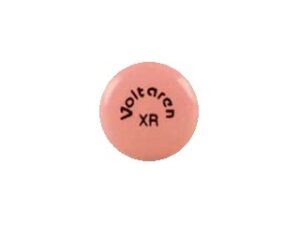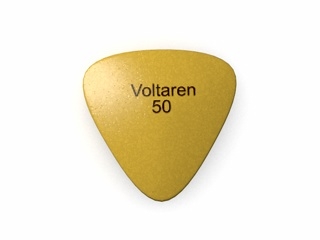
Voltaren (Diclofenac) – Patient-Friendly Guide (Australia)
Voltaren is a widely used anti-inflammatory medicine containing diclofenac. It is commonly used to relieve pain and inflammation from a range of musculoskeletal conditions, including arthritis, sprains and strains. This guide explains how Voltaren works, how it is used, what to expect, and important safety information for adults and older Australians.
Always read the product label and the consumer medicine information (CMI) provided with your specific Voltaren product (e.g., tablets, topical gel). Different forms can have different dosing instructions and risks.
1) Basic product information
| Item | What it means |
|---|---|
| Medicine | Voltaren (diclofenac) |
| Class | Non-steroidal anti-inflammatory drug (NSAID) |
| Common forms | Oral tablets (where available), and topical diclofenac gels/patches depending on brand and strength |
| Main benefits | Reduces inflammation, pain and stiffness |
| Who it may suit | People with inflammation-related pain (subject to individual risk factors) |
| Key cautions | GI bleeding risk, cardiovascular risk in some people, kidney effects, interactions with other medicines |
2) How Voltaren works (mechanism of action)
Diclofenac works by blocking enzymes called cyclo-oxygenase (COX-1 and COX-2). These enzymes help produce prostaglandins, chemicals involved in pain, inflammation, and fever. By reducing prostaglandin production, diclofenac helps to:
- Reduce inflammation around joints and soft tissues
- Relieve pain (including pain from arthritis flare-ups or injury)
- Improve function by decreasing swelling and stiffness
Voltaren is not an opioid and does not treat the underlying cause of a condition—rather, it reduces the symptoms while your body heals or while long-term management is ongoing.
3) Pharmacokinetics (what the body does to the medicine)
“Pharmacokinetics” describes how diclofenac is absorbed, distributed, metabolised, and eliminated. Exact values can vary by product form (oral vs topical), dose, and individual factors.
Oral diclofenac (where applicable)
- Absorption: Diclofenac is absorbed through the digestive tract.
- Distribution: It spreads through body tissues, including joints.
- Metabolism: The liver breaks down diclofenac into metabolites.
- Elimination: Metabolites are mainly cleared by the kidneys.
- Half-life (general): Many NSAIDs have an elimination half-life that supports dosing multiple times per day, depending on formulation.
Topical diclofenac (gel/patch products)
- Absorption: Less systemic absorption compared with tablets, with most effects local to the application site.
- Distribution: Small amounts can enter the bloodstream, which is why systemic warnings can still apply in some high-risk people.
- Metabolism and elimination: Like oral diclofenac, it is processed by the liver and excreted by the kidneys.
If you have liver or kidney impairment, are older, or take multiple medicines, discuss suitability with a pharmacist or doctor.
4) Typical uses in Australia (indications)
Voltaren is used to relieve pain and inflammation associated with conditions such as:
- Osteoarthritis (degenerative joint disease), including pain and stiffness in joints
- Rheumatoid arthritis and other inflammatory joint conditions (symptom relief)
- Ankylosing spondylitis (spinal and sacroiliac inflammation)
- Soft tissue injuries such as sprains, strains, and bruising (particularly with topical forms)
- Localized inflammatory pain in areas like the hands, knees, elbows, or shoulders (depending on product and dosing form)
- Short-term pain relief for certain musculoskeletal conditions, as directed by the product instructions
The exact list of approved indications depends on the specific Voltaren product you are using (and its strength/form). Always follow the directions on the label or CMI for that product.
5) Timing: when to take or apply Voltaren
General approach
- Use the lowest effective dose for the shortest possible time to control symptoms.
- Consistency helps: For arthritis-related pain, regular dosing may work better than “only when it hurts,” but follow product instructions.
Oral (tablets) timing
Oral diclofenac regimens vary by formulation (immediate-release vs modified-release). Follow the dosing frequency on the packaging. If the product requires multiple doses daily, try to space them evenly.
Topical (gel/patch) timing
Topical diclofenac is commonly used several times per day depending on the specific product. Apply to clean, dry skin and massage gently. Wash hands after applying unless your hands are the target area.
How soon it may work: Many people feel relief within hours, while stronger inflammation may take a few days of regular use. If you don’t notice improvement within the timeframe recommended in the CMI, reassess with a healthcare professional.
6) Food interactions and stomach safety
Diclofenac can irritate the stomach lining, increasing risk of gastritis, ulcers, or bleeding in susceptible individuals. Food can reduce stomach irritation for some oral formulations.
Oral Voltaren and food
- Often taken with or after food: Many oral NSAIDs are better tolerated when taken with meals or immediately after eating.
- Avoid lying down right after a dose (if advised): This can help reduce reflux symptoms for some people.
Topical Voltaren and food
Topical products have far less systemic exposure than tablets, so direct food effects are usually less important. However, systemic NSAID warnings still apply—particularly for frequent high-area application.
If you have a history of stomach ulcers or GI bleeding, ask a pharmacist about safer options or protective strategies.
7) Alcohol and medicine interactions
Alcohol may increase the risk of stomach irritation and bleeding when taken with NSAIDs, including diclofenac. For best safety, limit alcohol and avoid heavy drinking while using Voltaren.
Potential medicine interactions (important)
NSAIDs can interact with other medications. This list is not exhaustive; check with a pharmacist if you take any of the following:
- Other NSAIDs (e.g., ibuprofen, naproxen, aspirin used for pain): increases side effects without added benefit
- Anticoagulants (blood thinners) like warfarin: increases bleeding risk
- Antiplatelet medicines (e.g., clopidogrel): may increase bleeding risk
- Corticosteroids (e.g., prednisone): increases GI side effects
- Selective serotonin reuptake inhibitors (SSRIs) / SNRIs (e.g., sertraline, venlafaxine): may further increase GI bleeding risk when combined with NSAIDs
- Diuretics (e.g., frusemide) and some blood pressure medicines (ACE inhibitors/ARBs): the combination can increase kidney stress in some people
- Lithium: diclofenac can raise lithium levels
- Methotrexate: NSAIDs may raise methotrexate levels and toxicity (especially with higher-dose regimens)
- Cyclosporine/tacrolimus: may increase kidney risk
- Digoxin: NSAIDs may affect digoxin levels in some circumstances
- Potassium supplements or potassium-sparing diuretics: can affect potassium balance
If you’re taking multiple medicines, it’s a good idea to show your medication list to a pharmacist or doctor before starting Voltaren.
8) Dosing guidance (how much to use)
Dosing depends on the exact Voltaren product (tablet strength, gel strength, and formulation). For safety, follow the instructions on your specific pack or CMI.
General dosing principles
- Start at the lowest effective dose that controls symptoms.
- Do not exceed the maximum daily dose listed on the product label.
- Reassess if needed: If pain persists, seek advice rather than using more or longer than recommended.
Example dosing schedules (check your product label)
Because Voltaren comes in different strengths and forms, use the table below only as a general orientation—not a substitute for the packaging directions. Always confirm the exact dosing for your product.
| Product form | Typical schedule (general) | Key reminders |
|---|---|---|
| Topical diclofenac gel | Often applied up to 3–4 times daily depending on strength/product | Apply to the painful area only; wash hands after; avoid broken/irritated skin |
| Topical diclofenac patch (if supplied) | Usually worn for a set number of hours per day (per product instructions) | Do not cut patches; avoid heat over the area unless allowed by product directions |
| Oral diclofenac (tablets, where applicable) | Often 2–3 times daily depending on formulation and strength | Take with food if advised; avoid combining with other NSAIDs |
Children and adolescents: Diclofenac products may have age restrictions depending on form and strength. Do not use unless it is approved for the patient’s age and advised by a clinician or pharmacist.
9) Safety profile and when to avoid Voltaren
Like all NSAIDs, diclofenac carries risks. Many people can use Voltaren safely when they follow instructions. However, some individuals have higher risk and may need an alternative.
Common side effects
- For topical use: skin redness, itching, rash or dryness at the application site
- For oral use: indigestion, nausea, stomach discomfort
- Mild dizziness or headache in some people
Serious side effects (seek urgent medical help)
Get urgent medical assistance if you experience:
- Signs of stomach bleeding: vomiting blood, black/tarry stools, severe stomach pain
- Allergic reactions: swelling of face/lips, wheezing, severe rash, or difficulty breathing
- Heart or stroke symptoms: chest pain, shortness of breath, weakness on one side, slurred speech
- Kidney problems: reduced urination, unusual swelling in legs/feet
- Severe skin reactions: blistering, peeling skin, or widespread rash
Who should be extra cautious
- People with a history of stomach ulcers or GI bleeding
- People with heart disease, stroke history, or significant cardiovascular risk
- People with kidney disease or dehydration
- People with asthma that is sensitive to NSAIDs
- Older adults, due to higher risk of side effects
- Those taking medicines that increase bleeding risk (e.g., anticoagulants, antiplatelets, steroids, SSRIs/SNRIs)
Topical-specific safety tips
- Avoid applying to broken skin or near eyes/mouth.
- Do not cover with tight bandages unless your product instructions allow it.
- Wash hands after application (unless the hands are treated).
- Limit sun exposure on treated skin due to potential photosensitivity.
10) Practical use tips for getting the best results
- Choose the right form: Topical Voltaren is often helpful for localized pain and may reduce systemic exposure compared with tablets.
- Apply correctly: Use the recommended amount—more is not always better.
- Be consistent: For flare-ups, apply as instructed for the first few days, then consider stepping down if symptoms settle.
- Track response: If pain does not improve within the recommended timeframe (as per your CMI), talk to a pharmacist or clinician.
- Use supportive measures: Heat/ice, rest, stretching, and physiotherapy can complement medication.
- Avoid combining NSAIDs: Do not use diclofenac alongside ibuprofen/naproxen unless a clinician advises it.
- Stop and reassess if you’re getting worse: Rising swelling, fever, redness, or severe pain may indicate something more serious.
11) Alternative options
Depending on your condition and risk factors, there may be safer or more suitable options. Alternatives can include:
- Other topical anti-inflammatory gels (e.g., similar NSAID or different class topical agents)
- Paracetamol (acetaminophen) for pain relief (not an anti-inflammatory)
- Non-drug approaches: activity modification, strengthening exercises, physiotherapy, weight management, supportive footwear or braces
- Other pain-relieving medicines (a pharmacist can advise based on your symptoms and medicines list)
If you have a history of ulcers, kidney disease, heart disease, or are on blood thinners, discuss alternatives early rather than trialling diclofenac repeatedly.
12) Voltaren in the Australian market: regulatory and legal context
Medicines in Australia are regulated by the Therapeutic Goods Administration (TGA). Availability may differ by:
- Product type and strength (topical vs oral)
- Approved indications and directions on the label/CMI
- Age eligibility for use
- Safety classification (for example, whether a product is for general sale vs pharmacist-only vs restricted availability, depending on the specific item)
Online pharmacies must follow Australian requirements for supply and consumer information, including providing access to relevant product details and ensuring safe selection for the patient’s circumstances.
If you are unsure which Voltaren product is appropriate, use the product details on the pack and speak with a pharmacist.
13) Recent guidance and “watch-outs” (practical safety perspective)
Ongoing medicine-safety communications worldwide have emphasised that NSAIDs (including diclofenac) may increase risks in certain people, particularly with higher doses or longer durations. While guidance can differ over time and by product, practical points for Australians commonly include:
- Use the lowest effective dose for the shortest duration needed.
- Avoid unnecessary combination with other NSAIDs.
- Be cautious if you have GI bleeding history, heart disease, kidney impairment, or are older.
- Review your medicines for interactions (especially blood thinners, steroids, SSRIs/SNRIs, and ACE inhibitors/ARBs/diuretics).
- Reassess if symptoms don’t improve as expected.
Always rely on the current product label/CMI and advice from a healthcare professional if your situation is complex.
14) Delivery and availability (online shopping in Australia)
Voltaren products may be available online depending on stock, form (topical vs oral), and strength. Typical online pharmacy availability includes:
- Common brands and sizes of diclofenac topical gels/packs
- Store and dispatch schedules that can vary by state and courier service
- Tracking for most deliveries
Delivery timeframes depend on your location and the product’s dispatch status. At checkout, you can usually see: estimated delivery windows, delivery fees, and any stock limitations.
15) FAQ
Is Voltaren the same as diclofenac?
Voltaren is a brand name that contains diclofenac. Different Voltaren products may have different strengths and forms.
Can I use Voltaren if I have stomach ulcers?
If you have a current or past history of stomach ulcers or GI bleeding, diclofenac may not be suitable. Ask a pharmacist or clinician for advice before using Voltaren.
How long should I use it?
Use the shortest time that controls your symptoms and reassess if there is no improvement within the timeframe described in the CMI. If pain persists or worsens, seek advice.
Can I take Voltaren with other pain medicines?
Generally, avoid taking diclofenac with another NSAID (such as ibuprofen or naproxen). For additional pain control, some people use paracetamol—but confirm suitability for your health situation and medicines list.
Does Voltaren work faster than other options?
Some people notice improvement within hours, especially with topical application for localized pain. Arthritis pain may take several days of consistent use. Individual response varies.
What should I do if I miss a dose?
If you miss an application or dose, apply/use it when you remember unless it’s close to the next scheduled time. Do not apply extra to make up for a missed dose. Follow the product instructions.
Can I drink alcohol while using Voltaren?
It’s best to limit alcohol. Alcohol can increase the risk of stomach irritation and bleeding when combined with NSAIDs.
Can I drive or operate machinery?
Voltaren is not usually associated with significant impairment for most people. However, if you feel dizzy or unwell, avoid driving or machinery until you feel better.
Who should avoid Voltaren?
Avoid or seek advice before using Voltaren if you: have a history of NSAID-related allergic reactions or asthma flares, have significant heart disease, prior GI bleeding, kidney disease, or you take medicines that increase bleeding risk—unless advised by a healthcare professional.
How do I apply topical Voltaren correctly?
Apply to clean, dry skin over the affected area, using the recommended amount. Massage gently, allow it to absorb, avoid eyes/mouth, and wash hands after use (unless hands are treated).
When should I get medical help?
Seek urgent help if you develop severe allergic symptoms, signs of gastrointestinal bleeding, chest pain, stroke symptoms, sudden shortness of breath, or signs of kidney problems.
Key takeaways
- Voltaren (diclofenac) is an NSAID that reduces pain and inflammation.
- Choose the correct form (topical vs oral) and follow label instructions closely.
- Use the lowest effective dose for the shortest time.
- Be cautious with stomach bleeding, heart risks, kidney health, and drug interactions.
- If symptoms don’t improve or you have serious side effects, seek advice promptly.