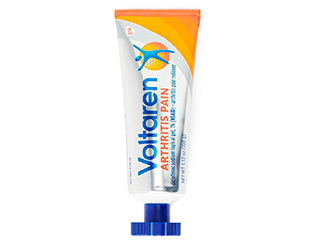
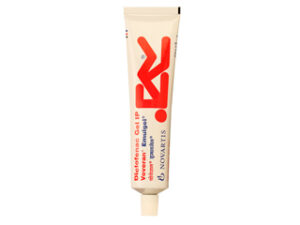
Voltaren Gel (Diclofenac Sodium) — Pain Relief for Joints and Muscles (Australia)
Voltaren Gel is a topical pain-relieving medicine containing diclofenac sodium. It is designed for targeted relief of aches and pains from conditions such as sprains, strains, bruising, and arthritis affecting nearby joints. Because it is applied to the skin, many people prefer it for localised pain compared with some oral anti-inflammatory medicines.
This guide is written to help you understand how Voltaren Gel works, how to use it safely, what to watch out for, and where it may fit among pain-relief options available in Australia.
Key Product Information
| Feature | What to know |
|---|---|
| Medicine | Voltaren Gel (diclofenac sodium) |
| Type | Topical non-steroidal anti-inflammatory drug (NSAID) |
| Form | Gel applied to the skin |
| What it helps | Localised pain and inflammation in joints and soft tissues |
| Where it’s applied | Usually the painful area (e.g., hands, knees, feet, elbows, shoulders) |
| Who uses it | Adults and adolescents depending on product strength/pack instructions |
Note: Brand strengths and pack instructions can vary. Always follow the dosing directions on the specific product label you purchase and any advice from your pharmacist or health professional.
How Voltaren Gel Works (Mechanism of Action)
Voltaren Gel contains diclofenac sodium, an NSAID. NSAIDs relieve pain and reduce inflammation primarily by decreasing the production of prostaglandins—chemicals involved in pain, swelling, and inflammatory responses.
When applied to the skin over a painful joint or soft tissue, diclofenac is absorbed locally and helps to:
- Reduce pain associated with movement and use
- Lower inflammation in the affected area
- Improve function (for example, less stiffness in arthritic joints)
Pharmacokinetics (Absorption and Body Handling)
Topical diclofenac is absorbed through the skin, and absorption is generally lower than oral diclofenac. The medicine largely acts at the local site.
General features of topical diclofenac pharmacokinetics:
- Local absorption: Diclofenac penetrates skin layers and reaches underlying tissues.
- Systemic absorption: A smaller amount enters the bloodstream compared with tablets/capsules.
- Metabolism: Once absorbed, diclofenac is processed by the liver to form metabolites.
- Elimination: Metabolites are cleared primarily by the kidneys (through urine).
Because systemic exposure is lower, topical use is often considered suitable for localised pain—however, it is still possible to experience side effects, particularly if you use too much, apply to large areas, or use it for long periods.
Typical Uses and Indications
Voltaren Gel is used to relieve pain and inflammation in specific localised conditions. Common indications include:
- Arthritis pain in joints close to the skin (such as fingers, wrists, and knees—depending on label indications)
- Muscle and joint strains and sprains
- Tendon and ligament injuries (e.g., overuse-related aches)
- Soft tissue pain such as bruising and minor injuries
For best results, Voltaren Gel is most helpful when the pain is located near the surface (within the body area the gel can reach).
When Will You Feel Relief? (Timing)
Many people notice pain relief within the first day, but results vary depending on the condition and severity.
- For acute injuries (sprains/strains): Some relief may be seen within 24–48 hours.
- For arthritis-related pain: Improvements may build over several days, and it may take up to 1–2 weeks for more meaningful symptom control.
- If pain worsens or does not improve: Stop and seek advice from your pharmacist or doctor.
Tip: Consistency matters—apply at the recommended intervals and to the correct amount.
Dosing and How to Use Voltaren Gel Correctly
Voltaren Gel dosing depends on the product strength and the body area being treated. Always follow the package directions for your specific item.
General adult dosing principles for topical diclofenac gels:
- Apply to clean, dry skin over the painful area.
- Use the recommended amount (often measured using the amount indicated on the pack, such as by fingertip length or grams).
- Wash hands after use unless your hands are being treated.
- Do not cover with tight bandages unless advised.
Typical frequency: Many Voltaren Gel products are used up to four times daily. If your pack specifies a different frequency, follow that instead.
How to Apply (Step-by-Step)
- Check the area: Only apply to skin that is unbroken.
- Measure the dose: Use the quantity specified on your product label.
- Apply gently: Spread a thin layer and rub lightly until absorbed.
- Wait for absorption: Let the gel dry before covering the area with clothing.
- Hand hygiene: Wash your hands after application (unless treating your hands).
How Long to Use
- Use for the shortest time necessary to control symptoms.
- If you need to use it for more than a short period or if there is no improvement, consult a pharmacist or health professional.
Food Interactions
Because Voltaren Gel is applied to the skin, it generally has minimal interaction with food. Food interactions are typically relevant for oral medicines, and topical diclofenac is designed to act locally with limited systemic absorption.
That said, if you are taking other NSAIDs or medicines that affect bleeding risk, those interactions are still important and should be discussed with your pharmacist.
Alcohol and Medicine Interactions
Alcohol: There is no direct “food” interaction with alcohol for topical use, but alcohol may increase the risk of stomach irritation and can affect safety when NSAIDs are used more broadly. If you use Voltaren Gel and also take oral NSAIDs (such as ibuprofen or naproxen), be cautious—combining NSAIDs and alcohol can increase side effect risk.
Medicine interactions: While systemic levels are lower than oral NSAIDs, caution is still recommended if you use Voltaren Gel alongside medicines that increase risk of bleeding or affect kidney function. Speak to a pharmacist if you take any of the following:
- Other NSAIDs (e.g., ibuprofen, naproxen, aspirin for pain): may increase overall NSAID exposure
- Blood thinners such as warfarin: NSAIDs can increase bleeding risk
- Anti-platelet medicines (e.g., clopidogrel): may increase bleeding risk
- Corticosteroids: can increase gastrointestinal and bleeding risk with oral NSAIDs
- Diuretics and kidney-affecting medicines: NSAIDs can affect kidney function in some people
If you’re taking multiple medicines, it’s wise to check for interactions with your pharmacist—particularly if you have kidney disease, a history of stomach ulcers, or are on anticoagulants.
Safety Profile: Who Should Be Cautious?
Voltaren Gel is generally well tolerated when used as directed. However, like all medicines, it can cause side effects.
Common Side Effects
- Skin irritation (redness, itching, burning)
- Dryness or rash at the application site
- Local discomfort (mild stinging)
Serious Side Effects (Seek Urgent Advice)
Stop using Voltaren Gel and seek urgent medical advice if you experience signs of an allergic reaction or severe effects, such as:
- Swelling of the face, lips, or throat
- Breathing difficulties
- Severe skin reactions (blistering, widespread rash)
Who Should Not Use Voltaren Gel (or Needs Specialist Advice)
- People with a known allergy to diclofenac or other NSAIDs
- People who have previously had asthma, swelling, or allergic reactions after taking aspirin/NSAIDs
- People with broken skin, open wounds, or infection at the application site
- Those with a history of NSAID-related stomach bleeding should seek professional guidance before using additional NSAID products
Pregnancy and Breastfeeding
Diclofenac exposure is usually lower with topical use than oral NSAIDs, but safety in pregnancy and breastfeeding must still be considered. In particular, NSAID use during later pregnancy is typically avoided unless advised by a healthcare professional.
- Pregnancy: If you are pregnant (especially later pregnancy), seek advice before using Voltaren Gel.
- Breastfeeding: Do not apply to the breast area and avoid extensive application unless advised.
Children and Adolescents
Use in children should follow the age and indications stated on the product label. Always check the pack for age restrictions.
Practical Use Tips (Get the Best Results and Reduce Risk)
- Apply the correct amount: Using more gel than recommended does not necessarily improve results and can increase absorption/side effects.
- Only to intact skin: Avoid applying over cuts, rashes, or infected skin.
- Avoid heat sources: Do not apply heating packs or use hot wraps over the gel unless advised—this may increase absorption.
- Protect from sun: If the area will be exposed, consider covering it with clothing and avoid prolonged direct sunlight on treated skin.
- Do not use with occlusive dressings: Unless your clinician tells you to, avoid airtight bandaging over the treated area.
- Check with your pharmacist if combining treatments: For example, using another NSAID cream or strong topical products at the same time.
- Keep it consistent: For arthritis, routine application as directed can help control day-to-day pain.
Alternative Options for Localised Pain
Depending on the cause of pain and your medical history, you may consider alternative or complementary options. Some common approaches include:
Other Topical Analgesics
- Other diclofenac preparations or different NSAID gels/creams (product availability varies)
- Topical counterirritants (e.g., certain cooling/warming gels): may provide symptomatic relief
Oral Pain Relief (General Considerations)
- Paracetamol: can help pain and is often easier on the stomach than NSAIDs
- Oral NSAIDs (e.g., ibuprofen): effective for inflammation, but can carry systemic risks (particularly with long-term use)
Non-medicine measures
- Rest and relative activity to avoid aggravating the injury
- Physiotherapy/exercise for joint and tendon problems
- Cold or heat (use appropriately: cold often helps early inflammation; heat may help stiffness)
A pharmacist can help you compare options based on your symptoms, the body area involved, and other medicines you take.
Voltaren Gel in Australia: Market and Legal Context
Voltaren Gel is a widely used topical medicine available through Australian pharmacies and some online pharmacy services. In Australia, medicines are regulated by the Therapeutic Goods Administration (TGA).
Topical diclofenac products may be supplied under specific scheduling and product categories. The availability, pack sizes, and indications are defined according to the TGA-approved product information for the particular strength and formulation.
Australian safety culture: Online pharmacies and pharmacists encourage correct use, appropriate duration, and checking for contraindications (such as allergy to NSAIDs or applying to broken skin).
Always refer to the product label and the official consumer medicine information that comes with the specific brand and strength you purchase.
Recent Guidance and Advice (General Trends)
While product-specific recommendations can change over time, general safety guidance for NSAIDs—especially diclofenac—has emphasised:
- Using the lowest effective dose for the shortest period
- Avoiding combining multiple NSAID products unless advised
- Being cautious in people with asthma triggered by NSAIDs, ulcer history, kidney disease, or bleeding risk
- Following application instructions carefully to minimise systemic absorption
Your pharmacist can also provide up-to-date advice based on current Australian product information and your personal risk factors.
Delivery, Availability and What to Expect from an Online Pharmacy
Voltaren Gel is typically available through Australian online pharmacies. Availability can vary by stock levels and pack size.
Delivery considerations:
- Packaging: Orders are usually shipped in protective packaging to prevent damage to the tube.
- Temperature: Store gel as directed (typically at room temperature). Avoid leaving it in hot cars.
- Tracking: Many services provide tracking for parcel deliveries.
How to choose the right product: Check that you’re ordering the correct Voltaren Gel strength and that it matches the dosing guidance you intend to follow.
FAQ — Voltaren Gel (Diclofenac Sodium)
1) Is Voltaren Gel safe to use every day?
Voltaren Gel can be used as directed on the pack. If you need regular use for more than a short period, or if symptoms persist, consult your pharmacist or doctor to confirm the cause of pain and ensure safe ongoing use.
2) Can I use Voltaren Gel with other pain-relief creams?
It may be best to avoid using multiple NSAID creams at the same time. If you’re using other topical products (such as counterirritants or steroid creams), ask a pharmacist to confirm whether they can be combined safely on the same area.
3) Should I cover the area after applying?
You should generally avoid tight, occlusive dressings. Light clothing is usually fine once the gel has absorbed and dried. Do not apply heating pads over the gel unless advised.
4) Can I shower or swim after applying?
You should allow the gel to absorb and dry first. If the area is washed immediately, the gel may be removed and effectiveness reduced. Check the pack guidance for timing considerations.
5) What if I accidentally apply too much?
Remove excess gel by gently washing the area with water (and mild soap if appropriate). Do not increase frequency or amount to “make up” for it. If you feel unwell or develop significant skin reactions, seek advice.
6) What should I do if I get skin irritation?
Stop using Voltaren Gel and consult a pharmacist. Mild irritation may settle after discontinuation. If severe rash, blistering, or signs of allergy occur, seek urgent medical help.
7) Is Voltaren Gel effective for back pain?
Voltaren Gel is intended for localised pain in areas where topical penetration can reach the painful structures. For deep or widespread back pain, effectiveness varies. If back pain persists, worsening occurs, or there are neurological symptoms (such as weakness or numbness), seek professional advice.
8) Can I use Voltaren Gel during pregnancy?
NSAIDs may have specific risks during pregnancy. Because individual circumstances differ, it’s best to seek advice from your pharmacist or doctor before use—especially later in pregnancy.
9) Does Voltaren Gel interact with warfarin or other blood thinners?
While topical absorption is lower than oral NSAIDs, interactions are still possible. If you take anticoagulants or antiplatelet medicines, ask your pharmacist before using Voltaren Gel, especially if you plan to apply it frequently or to large areas.
10) When should I stop and get medical advice?
Stop using the gel and seek advice if:
- Your symptoms worsen
- You see significant or spreading rash
- Pain does not improve after the recommended period
- You experience signs of allergy
Summary
Voltaren Gel (diclofenac sodium) is a topical NSAID that helps relieve localised pain and inflammation in joints and soft tissues. It works by reducing inflammatory chemicals (prostaglandins) and is absorbed mainly at the site of application.
For best results and safety, apply the correct amount to intact skin, follow the label frequency, avoid combining with other NSAIDs unless advised, and watch for skin reactions. If symptoms persist or you have risk factors (allergy to NSAIDs, bleeding risk, kidney issues, or pregnancy considerations), seek professional guidance.
If you’d like, tell me the area you want to treat (e.g., knee, hand, shoulder) and your age and other medicines you take, and I can help you interpret the label dosing and practical precautions for that situation.