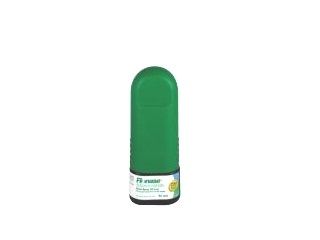

Fluticasone: Uses, How It Works, and Important Safety Information (Australia)
Fluticasone is a corticosteroid medicine used to reduce inflammation in the body, most commonly in the airways and nasal passages. In Australia, fluticasone medicines are available in several forms (such as nasal sprays and inhalers), each designed for specific symptoms and conditions.
This patient-friendly guide explains what fluticasone does, how it works, what to expect, how to use it properly, and key safety and interaction information—so you can feel confident and informed when using your medicine.
Basic product information
| Category | Details |
|---|---|
| Generic name | Fluticasone (often seen as fluticasone propionate or fluticasone furoate depending on product) |
| Medicine type | Inhaled or intranasal corticosteroid (anti-inflammatory) |
| Main effect | Reduces airway/nasal inflammation, swelling and irritation |
| Common forms in Australia | Nasal spray; inhaler (varies by brand and device) |
| Also used for | Hay fever/allergic rhinitis; asthma; other steroid-responsive inflammatory conditions (depending on product) |
Note: Brands and exact strengths vary. Always follow the instructions provided with your specific product and device.
Mechanism of action (how fluticasone works)
Fluticasone is a corticosteroid (anti-inflammatory medicine). It works locally in the tissues where it is applied—such as the lungs or nasal passages.
- Reduces inflammation: Fluticasone helps decrease swelling and inflammatory chemicals in the airways/nasal passages.
- Prevents symptoms over time: By controlling underlying inflammation, it can reduce the frequency and severity of flare-ups.
- Improves airflow and comfort: For asthma, this can lead to easier breathing and fewer symptoms. For allergic rhinitis, it can reduce sneezing, runny nose, and nasal congestion.
Unlike “reliever” medicines (which act quickly to open airways), fluticasone is mainly a controller—its benefits build with consistent use.
Pharmacokinetics (absorption, metabolism, and elimination)
How the body handles fluticasone depends on the form (inhaled vs nasal) and the device.
- Absorption: A portion of inhaled or sprayed medication may be swallowed (especially with inhalers) while the rest affects the target area (lungs or nose).
- Distribution: It acts primarily at the site of inflammation.
- Metabolism: Fluticasone is metabolised mainly in the liver by CYP3A4. This is an important reason some medicines can interact.
- Elimination: Metabolites are eliminated primarily through the bile and gut.
Because many doses act locally and only small amounts reach the bloodstream, systemic side effects are generally less likely when used as directed. However, higher doses and certain interactions can increase the risk.
Typical uses (indications)
Fluticasone is used for conditions where inflammation plays a key role.
Common indications in Australia
- Allergic rhinitis (hay fever): Helps manage symptoms such as sneezing, itching, runny nose, and nasal blockage.
- Asthma: Helps control ongoing symptoms and reduce the likelihood of exacerbations.
- Other steroid-responsive inflammatory conditions: Depending on the specific product and formulation, it may be used for other conditions as determined by clinical guidance.
Important: The exact indications depend on the product form and strength. Always confirm your medicine’s purpose by checking the package information.
Timing: when fluticasone starts working
Fluticasone is not usually an immediate “instant relief” treatment. How quickly you feel improvements depends on the condition and form.
- Nasal symptoms (allergic rhinitis): Many people notice improvement within hours to a few days, with best results often over 1–2 weeks of regular use.
- Asthma control: Some improvement may be felt after the first doses, but full benefit typically develops over several days to weeks.
- Consistent daily use: If you stop and restart frequently, symptoms may return or take longer to settle.
If your symptoms worsen quickly, you may need a different type of medicine (often a reliever). Seek medical advice promptly if you feel your breathing is deteriorating.
Dosing (general guidance)
Dosing depends on your diagnosis, age, the exact fluticasone product, and whether it is an inhaler or nasal spray.
General dosing principles
- Use the prescribed or labelled dose for your specific product and device.
- Do not increase the dose without medical guidance, even if symptoms persist.
- Rinse and spit (for inhalers) after use to reduce the risk of mouth/throat side effects.
- Use correct technique to ensure medication reaches the right area.
Typical dosing patterns (examples)
- Asthma inhalers: Often taken once or twice daily depending on the strength and device.
- Nasal sprays: Often used once daily or divided doses, depending on the product and symptom severity.
Because strengths and devices differ widely, it’s not appropriate to provide a single universal dose here. Always check your specific package instructions or the information supplied with your medicine.
Food interactions
Fluticasone used as a nasal spray or inhaler generally has limited direct food interactions because it is delivered to the nose or lungs rather than taken as a tablet.
- Swallowed residue: With inhalers, a small amount may be swallowed. In most cases, food does not significantly affect effectiveness.
- Practical tip: For inhaled products, it can help to rinse your mouth after dosing to reduce potential throat irritation—even if no food interaction is expected.
If you have swallowing difficulties or severe reflux, speak with a healthcare professional to ensure the device and technique are suitable.
Alcohol and medicine interactions
Alcohol
There are usually no direct alcohol-fluticasone interactions reported. However, alcohol may worsen asthma or nasal symptoms in some people by triggering irritation, dehydration, or reflux.
- If you notice symptoms worsen after drinking alcohol, consider reducing intake and discuss options with your pharmacist or doctor.
- For asthma, heavy alcohol use may be associated with poorer symptom control in some individuals.
Important medicine interactions
Fluticasone is metabolised by CYP3A4, so medicines that strongly affect this enzyme can increase fluticasone levels.
- CYP3A4 inhibitors (can raise fluticasone levels): Examples include some antifungal medicines and certain antibiotics (commonly strong inhibitors). Higher levels may increase the risk of side effects, including adrenal suppression.
- Some antivirals: Certain HIV or hepatitis treatments can also inhibit CYP3A4.
- Other corticosteroids: Using additional steroid medicines (tablets, injections, or other inhaled steroids) may increase overall steroid exposure.
Tell your pharmacist about all medicines you take, including herbal supplements and over-the-counter products.
Safety profile: side effects and what to watch for
Most people tolerate fluticasone well when used as directed. Side effects are often related to the delivery site (nose or mouth/throat) and typically reduce with correct technique and regular mouth rinsing.
Common side effects
- Nasal spray: Nasal dryness, irritation, nosebleeds (especially with frequent use or incorrect spray technique).
- Inhaler: Hoarseness/voice changes, throat irritation, coughing after inhalation.
- Oral effects (inhalers): Possible risk of oral thrush (fungal infection) if mouth is not rinsed after use.
Serious but less common risks
Systemic (whole-body) effects are less common with standard inhaled/nasal dosing, but they are more likely with:
- High doses
- Long-term use
- Use of strong CYP3A4 inhibitors
- Concomitant steroid tablets or injections
- Adrenal suppression: Rare, but possible with higher systemic exposure. Symptoms may include unusual fatigue or weakness.
- Reduced growth velocity in children: With long-term inhaled corticosteroid use, monitoring may be recommended.
- Eye problems: Long-term corticosteroid exposure can rarely contribute to cataracts or glaucoma (more relevant with systemic steroid use, but your clinician may still monitor in long-term cases).
When to seek urgent help
Get urgent medical advice if you experience:
- Severe allergic reaction symptoms (swelling of face/lips, difficulty breathing, widespread rash)
- Severe wheeze or breathing difficulty that does not respond to your usual reliever treatment
- Signs of infection such as persistent fever, worsening breathlessness, or symptoms suggesting significant thrush
- Frequent or heavy nosebleeds (especially if you are on blood-thinning medicines)
Do not delay care if your breathing is worsening.
Practical use tips (to get the best results)
For nasal spray use
- Gently blow your nose before spraying to clear mucus.
- Head position: Keep your head upright (avoid tilting too far back).
- Correct direction: Aim the nozzle slightly away from the nasal septum (the middle wall) to reduce irritation and nosebleeds.
- Inhale gently: Avoid a strong snort; a gentle inhale helps distribution.
- Consistency matters: Use daily as advised, even when symptoms improve.
- Clean the device: Follow the manufacturer’s instructions to prevent clogging.
For inhaler use (asthma)
- Check technique: Many treatment failures are due to incorrect inhalation technique.
- Rinse and spit after use: Helps reduce risk of oral thrush and hoarseness.
- Use a spacer if recommended: Spacers can improve delivery to the lungs and reduce throat deposition for some inhaler types.
- Track doses: Regularly confirm the dose counter/indicator is functioning.
- Keep device dry and clean: Store according to instructions; avoid getting moisture into the device.
If you’re unsure about technique, ask a pharmacist for a demonstration. Even small adjustments can significantly improve effectiveness.
Alternative options
Depending on your condition (allergic rhinitis or asthma) and severity, alternatives may include:
- Other intranasal corticosteroids: Different steroid sprays may be suitable if one product doesn’t work well for you.
- Non-steroidal allergy treatments: Antihistamine tablets or nasal antihistamine sprays may be considered for some patients.
- For asthma: Options may include different inhaled corticosteroids, combination inhalers (controller plus bronchodilator), and reliever medicines for symptom relief.
- Leukotriene receptor antagonists: Sometimes used in asthma management depending on individual factors.
Because product choices and combinations vary, a pharmacist can help you compare common alternatives based on symptoms and device preferences.
Market and legal context in Australia
In Australia, the availability of fluticasone medicines depends on the specific formulation and brand.
- Registration and regulation: Medicines must be evaluated and approved for sale in Australia and are listed in the Australian Register of Therapeutic Goods (ARTG).
- Scheduling and access: Some fluticasone products may be available without prescription, while others may require pharmacist or clinician oversight depending on the product strength and indication.
- Pharmacist support: Pharmacists can advise on correct use, technique, likely side effects, and interactions with other medicines.
Always read the consumer medicine information (CMI) for your specific product and follow the instructions provided.
Recent guidance and best-practice considerations
Clinical practice continues to emphasise:
- Correct inhaler/nasal technique and regular training—technique errors are a common cause of inadequate control.
- Using the right medicine for the right purpose: Fluticasone is a controller for inflammation; relievers target quick symptom relief.
- Reviewing the treatment plan: Ongoing symptoms should be discussed with a healthcare professional so doses and devices can be optimised.
- Monitoring in long-term use: Especially for children and people using higher doses or multiple steroid sources.
Local clinical guidelines for asthma and allergic rhinitis are updated periodically; pharmacists and doctors may adjust advice based on the latest evidence and regulatory information.
Delivery and availability
Fluticasone products are commonly stocked by pharmacies and online medicine suppliers in Australia, but availability can vary by brand, strength, and device type.
- What you may receive: Depending on the listing, customers may choose a nasal spray or inhaler product.
- Packaging: Products are typically supplied in their original manufacturer packaging with the consumer medicine information included.
- Shipping: Delivery options and timeframes vary by supplier and location within Australia.
- Storage: Store as directed on the label (commonly at room temperature and away from moisture and heat).
If you have questions about stock or delivery timelines, check the online listing details or contact customer support.
Frequently Asked Questions (FAQ)
1) Is fluticasone the same for asthma and hay fever?
No. Fluticasone may be supplied as different products for different conditions (for example, nasal spray for allergic rhinitis and inhaler for asthma). Even though the active ingredient is related, the device, strength, and dosing schedule can differ.
2) How long does it take for fluticasone to work?
For nasal symptoms, improvement may be noticed within hours to a few days, with best results often taking 1–2 weeks. For asthma, benefits usually build over several days to weeks with regular use.
3) Can I stop fluticasone when I feel better?
For many people, fluticasone is intended as ongoing control medicine. Stopping suddenly may allow inflammation to return. Discuss any changes with a healthcare professional or follow the plan provided for your specific condition.
4) Will fluticasone make me feel “high” or act like a steroid tablet?
Fluticasone inhalers/nasal sprays deliver medication mainly to the lungs or nose, and systemic effects are typically less than with steroid tablets. It is not expected to cause a “high.” However, high doses and certain interactions can increase the risk of systemic steroid effects.
5) What should I do if I miss a dose?
If you miss a dose, take it when you remember unless it is close to the time of the next dose. Do not double up. If you’re unsure, check the product label instructions or speak to a pharmacist.
6) How do I reduce thrush risk with an inhaler?
After using an inhaled fluticasone product, rinse your mouth and spit (or brush gently if advised). Consider using a spacer if your device type allows it and if recommended.
7) Can I drink alcohol while using fluticasone?
Generally, there are no direct alcohol-fluticasone interactions. However, alcohol can worsen asthma or trigger reflux in some people, so monitor how you feel and discuss concerns if symptoms increase.
8) What medicines commonly interact with fluticasone?
Medicines that inhibit CYP3A4 can increase fluticasone levels. Examples include certain antifungals and some antibiotics/antivirals. If you take multiple medicines, tell your pharmacist so they can screen for interactions.
9) Is it safe for children?
Fluticasone products may be used in children for asthma or allergic rhinitis depending on the product and age. Children should be monitored as part of routine care, especially for long-term use and growth.
10) What if I get frequent nosebleeds (nasal spray use)?
Occasional mild spotting can occur, but frequent or heavy nosebleeds should be discussed with a pharmacist or doctor. Technique matters (aiming away from the septum), correct head position, and device care can help reduce irritation.
11) When should I seek urgent care for asthma symptoms?
Seek urgent medical help if you have severe breathlessness, a wheeze that is rapidly worsening, chest tightness that doesn’t improve with your usual reliever, or if you feel you are struggling to breathe.
Summary
Fluticasone is an anti-inflammatory medicine used for conditions like allergic rhinitis and asthma. When used correctly and consistently, it can significantly reduce inflammation and improve symptoms. Because it works gradually, it’s important not to expect immediate relief—especially for asthma—and to prioritise correct technique for nasal sprays and inhalers. If you experience side effects, worsening symptoms, or you are taking other medicines that may interact, talk to your pharmacist for personalised guidance.