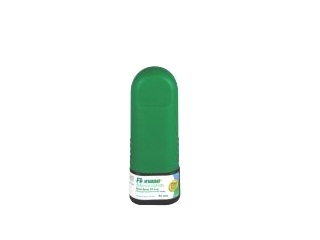
Flonase Nasal Spray (Fluticasone) — Patient Information (Australia)
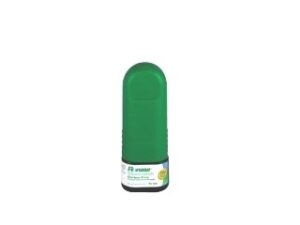
Flonase Nasal Spray contains fluticasone propionate, a medicine used to relieve symptoms caused by inflammation in the nose and sinuses. It is commonly used for hay fever and other allergic nasal conditions, and it may also be recommended for non-allergic nasal symptoms due to ongoing inflammation.
This page is designed to be patient-friendly and to help you use fluticasone nasal spray safely and effectively. Always follow the directions on the product pack or advice from your health professional.
Basic product information
| Feature | Typical details |
|---|---|
| Active ingredient | Fluticasone propionate (intranasal corticosteroid) |
| Brand | Flonase Nasal Spray |
| Medicine type | Nasal corticosteroid for local anti-inflammatory action |
| Common uses | Allergic rhinitis (hay fever); nasal inflammation symptoms |
| Form | Nasal spray |
What it can help with: Flonase aims to reduce inflammation in the nasal passages, which can lessen symptoms such as sneezing, blocked nose, runny or itchy nose, and nasal/eye irritation from allergies.
How Flonase works (mechanism of action)
Fluticasone is a corticosteroid that works mainly in the nose. It reduces the release of inflammatory substances and helps calm the immune response responsible for allergic (and sometimes non-allergic) nasal inflammation.
- Decreases inflammation in the nasal lining.
- Reduces swelling and excess mucus production.
- Helps control symptoms over time—especially congestion.
- Targets the source of inflammation rather than only masking symptoms.
Pharmacokinetics (how the body handles it)
Because Flonase is used in the nose, most of the medicine acts locally. A smaller amount may be absorbed into the bloodstream.
- Local action: Fluticasone acts on nasal tissues to reduce inflammation.
- Systemic absorption: Only a limited amount is absorbed after intranasal use.
- Metabolism: If absorbed, it is mainly metabolised by liver enzymes (particularly CYP3A4).
- Elimination: Metabolites are cleared from the body, with excretion occurring via normal body pathways.
Practical takeaway: Although it is a steroid, intranasal use generally results in low overall exposure compared with steroid tablets. Still, it’s important to follow the recommended dose.
What it’s used for (indications)
Flonase Nasal Spray is used to relieve symptoms of nasal inflammation. Common indications include:
- Allergic rhinitis (hay fever): seasonal or year-round symptoms such as sneezing, runny nose, blocked nose, and nasal/eye irritation.
- Non-allergic rhinitis: ongoing nasal symptoms where inflammation plays a role (your pharmacist or doctor can advise if it fits your situation).
- Inflammatory nasal symptoms where a corticosteroid spray is considered appropriate.
Note: Indications may vary by product registration details and local guidance. Follow the instructions provided with your specific Flonase pack.
Timing and when you’ll feel the benefit
Fluticasone nasal spray works best when used consistently, because it reduces inflammation over time.
- Onset: Some relief may be noticed within 12–24 hours, but the greatest benefit often takes several days.
- Full effect: Many people experience the strongest symptom control after several days to 1–2 weeks of regular use.
- Seasonal allergies: Starting before the allergy season begins can help. For example, if your symptoms usually start in spring, consider starting in advance as advised.
- Year-round symptoms: Regular daily use during symptom periods may provide steadier control.
Tip: If you stop when you feel better, symptoms may return. Using it consistently as directed can help prevent flare-ups.
Dose and directions for use
Always check your product label for the exact concentration and dosing instructions. The below guidance is typical for intranasal fluticasone products; your pack may specify a particular regimen.
Typical adult dosing (general guidance)
- Common starting dose: 1–2 sprays in each nostril once daily.
- Maintenance: Your doctor/pharmacist may adjust to the lowest effective dose (for example, once daily or reduced number of sprays).
Children and adolescents
- Dosing depends on age and the specific product strength.
- Do not assume adult dosing is appropriate for children. Follow the label or seek advice.
Step-by-step practical instructions
- 1. Gently blow your nose to clear mucus (if needed).
- 2. Shake the bottle if your pack instructs that it should be shaken.
- 3. Prime the spray if the bottle is new or hasn’t been used for several days (follow the instructions in your leaflet).
- 4. Tilt your head slightly forward.
- 5. Insert the nozzle into one nostril. Aim slightly outward (toward the outer side of the nose), not toward the nasal septum.
- 6. Press to release a spray while breathing in gently through the nose.
- 7. Repeat for the other nostril if your dose requires it.
- 8. Wipe the nozzle and replace the cap.
How long to use it
- Use it for the duration suggested by your healthcare professional.
- If symptoms last beyond your expectations, reassess—don’t just increase dose without advice.
Food interactions
Flonase nasal spray is used in the nose and is not typically affected by food. No specific food restrictions are generally required for intranasal fluticasone.
Still: If you take other medicines and have concerns about interactions or side effects, it’s sensible to discuss them with your pharmacist, especially if you have complex medical conditions.
Alcohol and medicine interactions
Alcohol
There are no well-established direct alcohol–fluticasone nasal spray interactions. However, alcohol can worsen nasal irritation or sleep disruption for some people. If you notice symptom flare-ups after alcohol, consider moderating your intake.
Other medicine interactions (important)
Because fluticasone is metabolised by CYP3A4, medicines that strongly inhibit CYP3A4 may increase blood levels of fluticasone. This can raise the chance of systemic steroid effects (though risk is typically low with intranasal dosing when used correctly).
- Strong CYP3A4 inhibitors: Examples include some antifungal medicines (e.g., ketoconazole, itraconazole) and certain antibiotics/antiretrovirals that inhibit CYP3A4.
- Other corticosteroids: If you use steroid tablets or other steroid products, the combined steroid load should be reviewed with a health professional.
- Medicines for allergies: Some people may use antihistamines alongside a nasal steroid spray. This can be appropriate—ask your pharmacist for a plan.
Action to take: Tell your pharmacist or doctor about all medicines you use, including prescription, over-the-counter, and herbal products.
Safety profile and side effects
Flonase is generally well tolerated when used as directed. Because it acts locally, side effects are usually related to the nose and throat.
Common side effects
- Nasal dryness or irritation
- Sneezing after spraying
- Headache
- Slight nosebleeds (epistaxis), especially with frequent use or improper technique
- Sore throat or hoarseness (sometimes from the spray flowing toward the throat)
Less common but important risks
- Persistent or severe nosebleeds
- Ulceration or damage inside the nose (rare; may relate to technique or irritation)
- Eye symptoms such as blurred vision or eye pain (very rare; seek care if these occur)
- Signs of systemic steroid effects are uncommon with recommended intranasal dosing, but risk increases with high doses, prolonged use, or interacting medicines.
When to seek medical advice urgently
- Severe allergic reaction symptoms (e.g., swelling of face/lips, difficulty breathing)
- Heavy or repeated nosebleeds
- Vision changes, severe headache, or other concerning symptoms
Who should use caution
- People with recent nasal surgery or nasal injury
- People with a history of frequent nosebleeds
- Those who are taking medicines that affect steroid metabolism (e.g., strong CYP3A4 inhibitors)
- Anyone with significant infections (your health professional can advise)
Practical use tips for best results
- Use correct technique: Aim slightly outward (away from the centre septum) to reduce irritation.
- Don’t sniff hard: Gentle inhalation is enough. Sniffing can increase spray into the throat or nose irritation.
- Clear your nose first: Blowing your nose gently can improve spray distribution.
- Consistency matters: If symptoms fluctuate, keep using it daily rather than only when you feel bad.
- Check your nozzle: Clean the tip regularly as directed. Blocked nozzles can affect dosing accuracy.
- Use the lowest effective dose: Once symptoms are controlled, your pharmacist/doctor may suggest reducing to the minimum that still works.
- Expect throat effects sometimes: If you notice hoarseness, ensure your head is slightly forward and the nozzle is aimed correctly.
Alternative options
If you’re not getting enough relief with Flonase or you prefer different options, there are several alternatives depending on your symptoms and health profile.
Other intranasal corticosteroids
- Other corticosteroid sprays may be available, and switching can help some patients achieve better symptom control.
Oral or intranasal antihistamines
- Oral antihistamines (e.g., non-drowsy options) can reduce sneezing and itching.
- Antihistamine nasal sprays may provide faster relief for some people.
Decongestants (short-term only)
- Decongestant nasal sprays are usually intended for short-term use; prolonged use may cause rebound congestion.
- Oral decongestants may be unsuitable for some people (e.g., certain heart or blood pressure conditions).
Non-medicine measures
- Allergen avoidance strategies (e.g., managing dust, pollen exposure)
- Rinsing with saline (where appropriate)
Your pharmacist can help you compare options based on your symptoms (blocked nose vs sneezing/itching), seasonality, and other health factors.
Market and legal context for Australia
In Australia, nasal steroid sprays such as fluticasone are used widely for allergic rhinitis. Availability, branding, and exact dosing instructions can vary by pack size and product formulation.
- Fluticasone nasal sprays may be supplied under pharmacy-only or other categories depending on the product and formulation.
- It’s important to ensure you purchase the correct product strength and follow the exact leaflet attached to the pack.
- All medicines in Australia are required to meet regulatory quality and safety standards and be used according to approved directions.
Recent guidance context: Health advice commonly emphasises correct technique, consistent use, and appropriate duration. For people with persistent symptoms, guidelines typically encourage review rather than simply increasing dose, and consideration of diagnosis (allergic vs non-allergic rhinitis) and comorbid conditions (e.g., sinusitis).
Delivery and availability (online pharmacy)
Online pharmacies in Australia commonly stock Flonase or equivalent fluticasone nasal sprays in various pack sizes. Delivery availability may depend on your location and courier service.
- Packaging: Medicines are typically shipped in sealed cartons to protect them during transit.
- Storage: Store the nasal spray according to the label (usually at room temperature, away from direct sunlight and heat).
- Check expiry date: Always confirm the expiry date on arrival.
If you have a history of nasal bleeding or you’re using multiple allergy products, it’s worth asking a pharmacist to confirm that Flonase is suitable and how it should fit with your current routine.
Frequently Asked Questions (FAQ)
1. Is Flonase the same as fluticasone?
Yes. Flonase Nasal Spray contains fluticasone propionate. Different brands may contain the same active ingredient but can vary in formulation and strength.
2. How long does Flonase take to work?
Some improvement may be noticed within 12–24 hours, but the full effect often takes several days to 1–2 weeks with regular use. Consistency is key.
3. Can I use Flonase every day?
It is commonly used once daily for symptom control. Whether you can use it daily long-term depends on your symptoms and your health professional’s advice. Many people use it during allergy seasons or ongoing periods.
4. What if I get a nosebleed?
Mild nosebleeds can happen. Stop and seek advice if bleeding is heavy, frequent, or doesn’t settle. To reduce risk, aim the nozzle slightly outward, avoid vigorous sniffing, and don’t exceed the recommended dose.
5. Can I use it with antihistamine tablets or allergy eye drops?
Often, yes. Many people use a nasal steroid along with other allergy treatments. The best combination depends on your symptoms and medical history—ask your pharmacist for a tailored plan.
6. Do I need to shake the bottle?
Follow the instructions on your specific pack. Some intranasal sprays require shaking; others do not. Always check your leaflet.
7. Should I stop Flonase once my symptoms improve?
Symptoms may return if you stop. If you want to reduce or stop, consider doing so with a plan—especially for year-round symptoms or severe seasonal allergies.
8. Is it safe for children?
Dosing and suitability depend on the child’s age and the product strength. Use only the regimen on the pack for the relevant age group, or ask a pharmacist.
9. Can I drive or operate machinery?
Fluticasone nasal spray is not generally associated with drowsiness. However, some allergy symptoms and other medications (e.g., antihistamines) may affect alertness.
10. Are there any food or alcohol restrictions?
No specific food restrictions are usually required. There are no established direct interactions with alcohol for intranasal fluticasone, but alcohol may worsen symptoms in some individuals. Also consider interactions with any other medicines you take.
Summary
Flonase Nasal Spray (fluticasone) helps relieve symptoms of allergic rhinitis and other inflammatory nasal conditions by reducing swelling and inflammation in the nose. When used correctly—usually once daily—it can provide substantial long-term symptom control, especially for a blocked nose.
For the best results, use the correct technique, aim slightly outward, and give it time to work. If you experience persistent side effects, frequent nosebleeds, or symptoms that don’t improve, speak with your pharmacist or health professional for review and guidance.