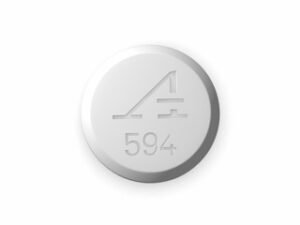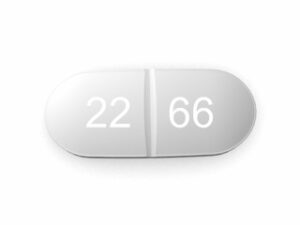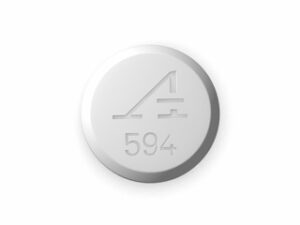
Colofac (Mebeverine Hydrochloride) – Patient Information
Colofac is a medicine used to relieve the symptoms of bowel spasms, most commonly associated with irritable bowel syndrome (IBS). It contains mebeverine hydrochloride, an antispasmodic that helps reduce painful cramping and bowel irregularity.
This page explains how Colofac works, how to take it, safety information, possible interactions, and practical tips for day-to-day use in Australia.
Key Product Information
- Active ingredient: Mebeverine hydrochloride
- Medicine type: Antispasmodic (spasm-relieving)
- Common use: Symptomatic relief of IBS—especially cramping and spasms
- Typical form: Oral capsules/tablets depending on product presentation (check your pack label)
- Brand name: Colofac
Always check your specific pack for exact strength (e.g., mg per capsule/tablet) and instructions.
What Does Colofac Do? (Mechanism of Action)
Colofac (mebeverine) works by targeting the smooth muscle in the bowel. It helps reduce spasms and abnormal bowel contractions that can cause IBS symptoms such as:
- Cramping abdominal pain
- Sudden bowel contractions
- Bloating and discomfort associated with spasms
While the exact biochemical pathways are complex, mebeverine is generally understood to:
- Reduce the tendency of bowel muscle to contract excessively
- Relax spasms without broadly shutting down normal bowel function
- Help normalise bowel movements over time
How Quickly Does Colofac Work? (Onset of Action)
Many people notice symptom relief within hours to a day of starting, particularly for cramping. For ongoing IBS symptom control, regular use over days to weeks may be needed to assess overall benefit.
Practical note: If you do not notice any improvement after a reasonable period of consistent use (for example, several days), consider discussing options with a healthcare professional.
Pharmacokinetics (ADME) – How Your Body Handles It
Pharmacokinetics describes what the body does with a medicine—absorption, distribution, metabolism, and excretion.
- Absorption: Mebeverine is absorbed after oral administration.
- Distribution: It acts locally in the gut and is metabolised in the body.
- Metabolism: Mebeverine is rapidly metabolised into metabolites.
- Excretion: Metabolites are primarily eliminated through the kidneys (urine) and to a lesser extent via other routes.
Your exact levels may vary based on age, liver/kidney function, and formulation.
Typical Uses in Australia
Colofac is used to relieve symptoms linked to bowel spasm. In practice, it is commonly recommended for:
- Irritable Bowel Syndrome (IBS) (cramping/spasm-related symptoms)
- Functional bowel disorders where spasm contributes to pain and discomfort
It does not treat infections, inflammatory bowel disease (IBD), or other structural conditions. If symptoms are unusual, severe, or progressive, medical assessment is important.
When and How to Take Colofac (Timing and Administration)
General timing
- Take Colofac at the times recommended on your pack or label.
- Many mebeverine products are taken before meals or at set intervals throughout the day to help control cramping.
- Consistency is helpful—spasms may fluctuate, so regular dosing may reduce symptom variability.
With or without food?
Food can influence how comfortable or predictable bowel symptoms are, but mebeverine is generally taken based on symptom pattern and product instructions.
Common approach: If your cramps often occur after eating, taking a dose before meals may help. Follow your label directions.
Swallowing tips
- Swallow capsules/tablets whole with water unless your product instructions say otherwise.
- Do not crush or chew unless the label specifies it is safe to do so.
Food Interactions
There are no widely established food–mebeverine interactions that require major dietary restrictions for most people. However, IBS is strongly influenced by diet and gut sensitivity.
Consider these practical points:
- Identify trigger foods: Some people find high-fat meals, large meals, caffeine, or certain carbohydrates worsen IBS symptoms.
- Hydration and meal size: Smaller, regular meals can sometimes reduce cramping.
- Track symptoms: Keeping a simple diary of meals and symptoms can reveal patterns.
Alcohol and Medicine Interactions
There is limited evidence of a direct drug–drug interaction between mebeverine and alcohol. However, alcohol can worsen IBS symptoms for some people and may irritate the gut.
Safety guidance:
- If you drink alcohol, keep it moderate and observe whether it triggers cramps, urgency, diarrhoea, or pain.
- Avoid alcohol if it consistently worsens your symptoms.
- If you are taking other medicines for bowel or stomach symptoms, check their labels for alcohol warnings.
Dosing – How Much to Take
Dosing depends on the exact formulation and strength you have. Always follow the instructions on your product pack or the label provided by your pharmacist.
General dosing principles
- Use the dose specified for your formulation.
- Do not exceed the recommended daily dose.
- If symptoms persist, seek further advice rather than increasing dose on your own.
Example dosing schedules (confirm on your pack)
Colofac may be supplied as a modified-release or standard formulation, which affects dosing frequency. Common mebeverine regimens in clinical use are often two to three times daily, but the correct schedule varies by product.
| What to check | Why it matters | How to confirm |
|---|---|---|
| Your pack strength | Ensures you take the correct amount | Look for mg per capsule/tablet on the box |
| Dosing frequency | Controls spasm relief across the day | Follow the “how to take” section on your label |
| Before/after meals guidance | Helps match dose to symptom timing | Check whether your product suggests taking before meals |
How Long to Use Colofac
IBS symptoms can be intermittent. Many people use antispasmodics during flare-ups or as part of a longer routine for symptom control.
- Short-term use: for predictable periods of increased cramping.
- Ongoing use: if symptoms recur and the medicine helps, under guidance consistent with your local advice.
If you experience frequent symptoms, consider a broader IBS plan—including diet strategies, bowel habit management, and, if appropriate, other evidence-based therapies.
Safety Profile and Side Effects
Like all medicines, Colofac can cause side effects, although not everyone gets them. Most are mild and transient.
Common side effects
- Mild headache
- Nausea
- Dizziness
- Constipation or altered bowel habits in some people
Less common but important effects
- Allergic-type reactions (rare)
Seek urgent medical help if you notice
- Swelling of the face, lips, tongue, or throat
- Difficulty breathing or wheezing
- Severe rash, hives, or blistering skin
When to stop and seek advice
Stop the medicine and seek prompt medical advice if your symptoms:
- Get significantly worse
- Include unexplained weight loss
- Have blood in stool or black/tarry stools
- Include persistent fever
- Cause severe, unremitting pain or vomiting
Practical Use Tips for Better Symptom Control
- Start with consistent timing: Take it at the same times each day to improve control.
- Match dosing to your pattern: If cramps tend to appear after meals, consider dosing shortly before meals as per your label.
- Keep a symptom diary: Note pain (0–10), stool pattern, triggers, and whether the dose helped.
- Stay hydrated: Especially if your IBS is associated with diarrhoea.
- Consider fibre and gut-friendly foods: Some people benefit from soluble fibre; others may find certain fibres worsen symptoms.
- Manage stress: Stress can amplify gut sensitivity. Gentle exercise, sleep routines, and stress-reduction strategies can help.
Important: If you have severe symptoms or “red flag” signs, don’t rely on antispasmodics alone—seek medical advice.
Indications and Who Should Use Colofac
Colofac is indicated for relief of symptoms due to bowel spasm. The most common indication is IBS, particularly when cramping is a dominant feature.
It may be suitable when you:
- Experience recurring abdominal cramping linked to bowel function
- Have symptoms that match typical IBS patterns (with appropriate exclusion of other causes)
It may not be appropriate if you:
- Have symptoms suggesting inflammatory, infectious, or structural bowel disease
- Have persistent or worsening pain not typical of your usual pattern
- Have significant blood in stool, fever, or weight loss
Medicine Interactions
Many people can take mebeverine alongside other medicines without problems. However, it’s still important to review your current medicines.
Common interaction checks
- If you take multiple medicines for IBS (e.g., laxatives, antidiarrhoeals, or acid reducers), confirm there are no relevant warnings for your combination.
- If you are taking medications affecting bowel motility, observe whether symptom patterns change after starting Colofac.
Always tell a pharmacist about all medicines and supplements you use, including:
- Prescription medicines
- Over-the-counter medicines
- Herbal products
- Vitamins or minerals
Alternative Options (If Colofac Isn’t Right for You)
If symptoms aren’t well controlled, or if you need a different approach, there are other options commonly used in IBS management. The best choice depends on your predominant symptoms (pain, constipation, diarrhoea, or mixed bowel habits).
Examples of alternative therapies
- Other antispasmodics (varies by country and availability)
- Dietary strategies such as reducing trigger foods; some people benefit from a low-FODMAP approach (with guidance)
- Soluble fibre to improve stool consistency (not suitable for everyone)
- Laxatives or stool softeners for constipation-predominant symptoms
- Anti-diarrhoeal medicines for diarrhoea-predominant symptoms
- Probiotics (mixed evidence; may help some individuals)
- Psychological therapies (e.g., gut-directed therapies) can help gut–brain interactions
Your pharmacist or doctor can help match treatments to your symptom pattern and medical history.
Market and Legal Context for Australia
In Australia, medicines are regulated through the national medicines framework, including listing and scheduling requirements under the Therapeutic Goods Administration (TGA). Availability and supply can differ based on formulation and classification (for example, whether an item is prescription-only, pharmacist-only, or available for general sale).
For Colofac, availability in Australia typically depends on product packaging, strength, and whether it is supplied as a listed medicine for over-the-counter purchase. Online pharmacies will supply medicines in line with Australian regulations and may require identification details or health questionnaire answers as applicable.
Important: Always purchase from reputable Australian sources to ensure authenticity, correct labelling, and appropriate storage.
Recent Guidance and Advice (General IBS Updates)
Guidance for IBS management in recent years has increasingly emphasised:
- Symptom-based treatment: choosing therapies according to whether constipation, diarrhoea, or pain predominates
- Reducing uncertainty: confirming symptoms are consistent with IBS and not another condition
- Diet and lifestyle: tailored dietary changes, stress management, and regular activity
- When to escalate care: using “red flag” symptom criteria to seek medical review promptly
If your IBS symptoms change significantly—especially with bleeding, weight loss, anemia, fever, or a new pattern—seek medical assessment promptly.
Delivery and Availability (Australia)
Online pharmacies in Australia commonly provide delivery to eligible locations. Availability may vary by product strength and current stock levels.
Typical delivery considerations:
- Dispatch times: often depend on stock status and order time
- Delivery method: standard or express shipping may be available
- Packaging: medicines are usually packed to protect from moisture and damage
- Storage: keep medicine in a cool, dry place away from direct sunlight
Check the product page for current delivery estimates, fees, and stock availability.
Storage Instructions
- Store at room temperature (unless your pack states otherwise).
- Keep in the original packaging to protect from moisture and light.
- Keep out of reach of children.
- Do not use after the expiry date printed on the pack.
FAQ – Colofac (Mebeverine Hydrochloride)
1) Is Colofac suitable for IBS?
Colofac is commonly used to relieve IBS symptoms related to bowel spasm, particularly cramping and discomfort. If you have symptoms suggestive of another condition, you should seek assessment.
2) How long does it take to work?
Some people notice relief within hours. For ongoing symptom control, benefits may become clearer over several days of consistent use.
3) Should I take it before or after food?
This depends on your product label and your symptom pattern. If your cramps are linked to meals, taking it before meals may be helpful, but confirm the correct instructions for your specific Colofac formulation.
4) Can I take Colofac with other IBS medicines?
Often yes, but because IBS treatments can include several different medicine types, it’s best to review your current regimen with a pharmacist to reduce the chance of unwanted effects or duplication.
5) Does Colofac cause constipation?
Some people may experience constipation or changes in bowel habits. If this occurs or worsens, talk to a pharmacist about alternative options or adjustments to your regimen.
6) What should I avoid while taking Colofac?
There are no strict avoidance rules for most people, but alcohol may worsen IBS symptoms in some individuals. If alcohol triggers your symptoms, reduce or avoid it.
7) When should I stop and seek medical care?
Seek urgent help for signs of allergy (swelling, breathing difficulty, severe rash). Contact a healthcare professional urgently if you have blood in stool, unexplained weight loss, fever, persistent vomiting, severe worsening pain, or new symptoms that do not match your typical IBS pattern.
8) Is it safe to use long-term?
Many antispasmodics are used for symptom control when needed. The safest approach is to use according to label guidance and seek advice if you’re needing it frequently or symptoms persist.
9) Can I drink alcohol?
You may be able to, but alcohol can worsen IBS for some. If you choose to drink, monitor for symptom flare-ups and keep intake moderate.
10) What if I miss a dose?
Take the missed dose when you remember unless it’s close to the next dose. Do not take two doses at once. If unsure, check the label or ask a pharmacist.
Summary
Colofac (mebeverine hydrochloride) is an antispasmodic medicine used for symptom relief in bowel spasm conditions, particularly IBS with cramping. By helping reduce abnormal bowel contractions, it can ease pain and discomfort that fluctuate with bowel activity.
For best results, follow the directions on your pack, take doses at the recommended times (often aligned with meals if cramps are meal-related), and consider lifestyle and dietary strategies that support IBS control.
Note: If your symptoms are severe, changing, or accompanied by warning signs, seek medical advice promptly.