Robaxin (Methocarbamol) – Patient Information (Australia)
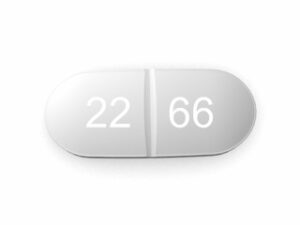
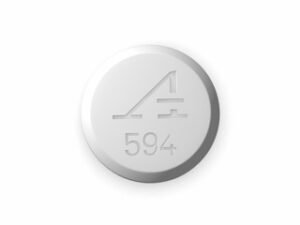
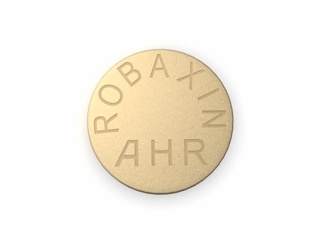
Robaxin is a brand of methocarbamol, a medicine used to help relieve muscle pain and muscle spasms. It is commonly recommended as part of a broader approach that may also include rest, physiotherapy, gentle movement, and pain relief measures.
This guide is designed to be clear and practical. It covers how Robaxin works, how it’s used, what to expect, and important safety information—especially interactions with alcohol and other medicines.
Basic product information
- Medicine name: Methocarbamol (Robaxin)
- Common use: Relief of painful muscle spasm and associated discomfort
- Formulations: Available as tablets/capsules and sometimes as other presentations depending on manufacturer and market availability
- Brand: Robaxin
Always check the exact product strength (e.g., mg per tablet) on the packaging or product label. Different strengths may have different dosing instructions.
How Robaxin works (mechanism of action)
Methocarbamol is a muscle relaxant. While it is often described broadly as reducing spasm, its precise mechanism is multifactorial and not fully explained by a single pathway. In general terms, methocarbamol:
- helps reduce muscle spasm and muscle tightness
- may dampen abnormal pain-spasm cycles by acting on central nervous system pathways involved in muscle control
- supports overall comfort, making movement and rehabilitation easier
Robaxin is typically used together with measures that address the underlying cause of the spasm (for example, strain, sprain, or back pain). It usually helps symptoms while the body heals.
Pharmacokinetics (how the body handles methocarbamol)
Pharmacokinetics describes absorption, distribution, metabolism, and elimination. Individual responses can vary.
- Absorption: Methocarbamol is absorbed after oral dosing. Onset of relief can occur within hours, though the time to noticeable benefit varies by person and severity.
- Distribution: It distributes through the body, including the central nervous system, where muscle relaxation effects are believed to occur.
- Metabolism: Methocarbamol is metabolised primarily in the liver.
- Elimination: Metabolites and drug-related compounds are eliminated mainly via the kidneys (urine).
Practical takeaway: If your symptoms are severe, it can take more than one dose before you notice consistent improvement. Keep to the dosing schedule on the label.
Typical uses and indications
Robaxin is used to relieve symptoms from conditions where muscle spasm is a major feature.
Common indications include:
- Musculoskeletal pain associated with muscle spasm
- Acute muscle strain and spasm (for example, after lifting or sudden movement)
- Back pain where spasm contributes to pain and stiffness
- Spasm-related discomfort from other non-specific muscular injuries, as part of conservative care
It is generally not intended to cure the underlying injury; it helps relieve spasm-related symptoms while recovery occurs.
When to take Robaxin (timing & routine)
For many people, muscle spasm and pain are most troublesome during the day and at night. Dosing schedules are usually arranged to provide symptom relief across the waking period and/or to reduce night-time discomfort.
- Follow the dosing schedule on the package or as directed by your healthcare professional.
- Consistency matters: Try to take doses at similar times each day.
- Watch for drowsiness: If you feel sleepy, consider taking evening doses first (unless your label says otherwise).
How quickly does it work? Some people notice improvement after the first dose, while others require several doses over a short period. If symptoms are not improving, or they worsen, seek medical advice.
Dosing information (general guidance)
Important: Dosing must match your specific product strength and your personal situation (age, severity of symptoms, kidney/liver health, other medicines).
In general terms, methocarbamol dosing is usually divided into multiple daily doses because the goal is sustained symptom control. The exact amount and frequency should be checked on your label.
| Patient group | General dosing approach | What to check |
|---|---|---|
| Adults | Often taken as divided doses during the day and possibly evening | Confirm the mg strength per tablet/capsule and follow the label directions |
| Older adults | May require extra caution due to increased sensitivity to side effects such as drowsiness | Discuss with a healthcare professional if you are frail or have multiple medicines |
| Children | Use only if the product label specifically supports paediatric use and dosing | Check age limits and exact dosing instructions on the label |
| People with liver or kidney issues | May require caution; dose adjustments might be needed depending on severity | Seek professional advice if you have known organ impairment |
Missed dose: Take it when you remember unless it is close to the next dose. Do not double up.
Overdose risk: Do not exceed the recommended dose. Over-sedation and other complications can occur.
Food interactions
Methocarbamol can generally be taken with or without food, but individual tolerance may vary.
- Taking with food may reduce stomach discomfort or nausea for some people.
- If the medicine upsets your stomach, try taking it after a meal.
Consistency is helpful: Choose a routine (with or without food) and keep it the same unless your doctor/pharmacist advises changes.
Alcohol and medicine interactions
Alcohol: Avoid or minimise alcohol while taking Robaxin. Alcohol and methocarbamol both have potential to cause sedation. Together, they can increase the risk of:
- drowsiness and impaired coordination
- slower reaction time
- greater dizziness and increased risk of falls
- in severe cases, depressed breathing (especially if combined with other sedatives)
Other medicines that can interact (sedation risk): Taking Robaxin with other medicines that cause drowsiness may increase side effects. Examples include:
- opioid pain medicines (e.g., oxycodone, morphine, codeine)
- benzodiazepines (e.g., diazepam, alprazolam)
- sleeping tablets and sedative antihistamines (e.g., doxylamine, some “night-time” cold/flu products)
- some antidepressants and antipsychotics
- anti-nausea medicines that may cause drowsiness
Always check labels for “may cause drowsiness” warnings. If you’re unsure about any combination, consult your pharmacist.
Driving and machinery: If Robaxin makes you drowsy or dizzy, do not drive or operate machinery.
Safety profile: side effects and warnings
Most people tolerate methocarbamol reasonably well when used as directed. However, like all medicines, it can cause side effects.
Common side effects
- Drowsiness or tiredness
- Dizziness
- Headache
- Nausea or stomach discomfort
- Blurred vision (less common)
Less common but important effects
- Allergic reactions (rash, itching, swelling)
- Irregular or unusually severe drowsiness
- Changes in coordination or balance
Seek urgent medical help if
- you experience trouble breathing, extreme sleepiness, or fainting
- you have signs of severe allergy (swelling of face/lips, difficulty breathing)
- symptoms of overdose occur (severe drowsiness, confusion, unsteadiness)
Who should use extra caution
- People with a history of liver disease (since methocarbamol is metabolised in the liver)
- People prone to falls or with balance issues
- People taking multiple medications that affect the nervous system
- People with substance use risks that increase sensitivity to sedation
Practical use tips (how to get the best results)
Muscle spasm often improves faster when medicine and self-care work together. Consider the following tips:
- Use it alongside gentle movement: Avoid complete bed rest. Short, frequent gentle movements can help reduce stiffness.
- Heat or cold therapy: Many people find heat helps muscle tightness while cold may help acute inflammation (follow your usual routine or advice from a clinician).
- Plan around drowsiness: If you feel sleepy, schedule activities for when you’re less affected and avoid driving.
- Hydrate: Dehydration can worsen feelings of dizziness in some people.
- Track symptoms: Note where the pain/spasm is, severity, and response to doses. If there’s no improvement after a short period, reassess with a pharmacist or doctor.
- Don’t “stack” sedatives: Avoid alcohol and avoid adding other sleep-inducing medicines unless advised.
When to seek advice rather than continuing on your own:
- severe pain with fever, unexplained weight loss, or feeling very unwell
- new weakness, numbness, or bowel/bladder changes
- pain after significant trauma (fall, accident)
- persistent symptoms that do not improve as expected
Alternative options for muscle spasm relief
Depending on the cause of your muscle spasm, options may include different types of medications and non-drug treatments. Alternatives might include:
- Other muscle relaxants (your pharmacist can discuss options suited to your situation)
- Analgesics such as paracetamol for pain relief
- Anti-inflammatory pain medicines (where appropriate), such as ibuprofen—often used for pain with an inflammatory component
- Physiotherapy and exercise therapy to address movement patterns and reduce recurrence
- Topical therapies (for example, gels/patches) for localized muscular discomfort
- Heat therapy, stretching, and relaxation techniques
Best choice depends on your medical history, the pattern of symptoms, and what other medicines you take.
Market and legal context in Australia (overview)
In Australia, medicines are regulated through the Therapeutic Goods Administration (TGA) and are classified based on how they are supplied and used. Availability can vary by formulation and strength.
Key points:
- Robaxin (methocarbamol) is generally supplied in line with Australian medicine scheduling rules and may require pharmacist oversight depending on product availability.
- Your local pharmacy may request details about your health history and current medicines to check for safety and interactions.
- Always check that the product you purchase matches the intended strength and instructions on the label.
For the most accurate information on supply classification and suitability, consult your pharmacist or refer to TGA resources.
Recent guidance and safety updates (how to stay informed)
Guidance around sedation, drug interactions, and safe use of muscle relaxants may evolve as new evidence and safety communications become available. To stay current in Australia:
- Check the product label and consumer medicine information (CMI) for any updates.
- Ask your pharmacist about known interaction risks with your current medications.
- Review warnings on over-the-counter “cold/flu” and sleep products, as they may contain ingredients that increase drowsiness.
If you’re combining Robaxin with other pain medicines or sedatives, ask for specific advice on timing and risk.
Delivery and availability (online pharmacy information)
Availability may vary by supplier and strength. When ordering online, you’ll typically be able to:
- Select the correct strength and quantity based on product listings
- Complete required checks and provide delivery information
- Receive the medicine delivered to your nominated address (subject to state/territory service availability and supplier policies)
Delivery tips:
- Ensure your contact details are correct in case the pharmacy needs to clarify an order.
- Store medicines according to label directions (often at room temperature, away from moisture and heat).
- Keep medicines out of reach of children.
Always confirm product details at checkout, including strength (mg) and formulation.
FAQ – Frequently asked questions
1) What is Robaxin used for?
Robaxin (methocarbamol) is used to relieve muscle pain associated with muscle spasm. It can help reduce tightness and discomfort so you can move more comfortably while your injury heals.
2) How long does it take to work?
Some people notice relief within hours, while others need a few doses to feel consistent improvement. If you don’t notice improvement after a short course, or symptoms worsen, seek advice.
3) Can I take Robaxin with food?
Yes. Many people tolerate it better with food. If it causes nausea, consider taking it after a meal (unless your label advises otherwise).
4) Can I drink alcohol while taking Robaxin?
It’s best to avoid alcohol. Alcohol can increase methocarbamol-related sedation, dizziness, and impaired coordination.
5) Will Robaxin make me sleepy?
Drowsiness is a common side effect. Until you know how it affects you, avoid driving, operating machinery, and dangerous activities.
6) Is Robaxin safe to use with other pain medicines?
Many people take pain relief medicines together, but safety depends on what you take. Caution is especially needed with medicines that cause sedation (such as opioids) or other muscle relaxants. Ask a pharmacist if you’re unsure.
7) What if I miss a dose?
Take it when you remember unless it is near your next dose. Do not take a double dose to make up for a missed one.
8) What side effects should I watch for?
Common side effects include tiredness, dizziness, headache, or nausea. Seek urgent help for severe drowsiness, trouble breathing, or signs of allergy such as swelling or difficulty breathing.
9) Can I use Robaxin long-term?
Robaxin is typically used for periods related to acute symptoms. Long-term use should be discussed with a healthcare professional, especially if symptoms persist or recur.
10) Who should be extra cautious?
People with liver problems, balance/fall risks, or those taking multiple sedating medicines should use extra caution and seek advice to reduce risk.
Summary
Robaxin (methocarbamol) is a muscle relaxant medicine used to help relieve muscle spasm-related pain and stiffness. It works in the central nervous system to reduce spasm and discomfort, helping you stay mobile during recovery.
Because it can cause drowsiness and dizziness, avoid alcohol and use caution with other medicines that may increase sedation. For the best outcomes, combine Robaxin with practical self-care such as gentle movement and supportive therapies, and seek advice if symptoms don’t improve.