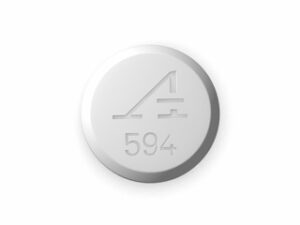
Tizanidine (Tizanidine tablets) – Patient Guide (Australia)
Tizanidine is a medicine used to help relieve muscle stiffness and painful muscle spasms. It acts on the nervous system to reduce overactive muscle tone. This guide is designed to be easy to read and practical. Always follow the directions given by your healthcare professional and read the medicine label for your specific product.
1. Basic product information
Active ingredient: Tizanidine
Common form: Tablets (strength varies by brand/product)
Therapeutic use: Muscle spasticity and spasm-related pain (as advised)
How it works: Central (brain/spinal cord) muscle relaxant
In Australia, medicines containing tizanidine are supplied through pharmacy channels and are subject to Australian regulations. Availability, brand names, and pack sizes can vary.
2. What tizanidine does (mechanism of action)
Tizanidine belongs to the group of medicines known as central alpha-2 adrenergic receptor agonists. It works primarily in the spinal cord and brainstem to reduce “signals” that cause muscle contraction. In simpler terms, it helps to:
- Decrease spasticity (stiff, tight muscles)
- Reduce painful muscle spasms
- Improve mobility and comfort by lowering excessive muscle tone
This is not an immediate “painkiller.” The benefit depends on how your muscle symptoms respond and how quickly the medicine reaches peak levels in your body (see timing below).
3. Pharmacokinetics (how your body handles tizanidine)
Pharmacokinetics describes what happens after you take a dose—absorption, distribution, metabolism and excretion. For tizanidine, key points include:
| Aspect | Typical behaviour (general) |
|---|---|
| Absorption | Well absorbed after oral dosing. |
| Time to peak effect | Often reaches maximum concentration within a few hours. |
| Duration of action | Effects usually last several hours, though this varies by person and dose. |
| Metabolism | Primarily metabolised in the liver (largely via CYP1A2). |
| Elimination | Metabolites are removed mainly by the kidneys. |
| Why this matters | Strong interactions can occur with medicines that inhibit CYP1A2, and food can influence absorption. |
Because liver metabolism plays a major role, dose adjustment and closer monitoring may be needed in people with liver impairment or in those taking interacting medicines.
4. Typical use and when it helps
Tizanidine is commonly used to treat conditions involving muscle overactivity, such as:
- Spasticity associated with upper motor neurone disorders (for example, multiple sclerosis or spinal cord injury)
- Muscle spasm and muscle stiffness where relaxation is needed
- Spasm-related pain (in combination with other measures as advised)
Some people notice improvement within the first dose or within the first day, while others may need several days for a clear pattern of benefit as doses are adjusted to the safest effective level.
5. Timing: how to take tizanidine for best results
The exact schedule depends on the condition being treated, your response, and tolerability (for example, sleepiness or dizziness). Common practical timing considerations include:
- Take at the same times daily to maintain steadier symptom control.
- Start low and adjust gradually if your healthcare professional recommends titration.
- Be cautious with daytime dosing if you feel drowsy; many people take part of their dose in the evening.
- Plan activities—avoid driving or operating machinery until you know how tizanidine affects you.
Important: Do not alter your dose schedule on your own. If your doctor changes the dosing, follow the new instructions carefully.
6. Indications (what it’s used for)
“Indication” means the condition or problem a medicine is used to treat. Depending on local product information, tizanidine may be used for:
- Relief of spasticity in certain neurological conditions
- Reduction of muscle tone and spasms to improve function and comfort
- Management of muscle spasm-related discomfort as part of a broader treatment plan
Your healthcare professional will decide whether tizanidine is appropriate based on your diagnosis, severity, and potential interaction risks.
7. Food interactions
Food can influence how quickly and how much tizanidine your body absorbs. While exact effects can vary, it is generally recommended to:
- Take tizanidine consistently in relation to meals (e.g., always with or always without food), unless your prescriber instructs otherwise.
- If you notice stronger side effects after meals, or less effect than expected, discuss this with your healthcare professional.
Practical tip: If your label instructions specify a particular relationship to food, follow those instructions exactly. When in doubt, ask your pharmacist.
8. Alcohol and medicine interactions
Alcohol
Alcohol can increase the risk of side effects such as:
- Drowsiness
- Dizziness
- Slower reaction time
- Low blood pressure (in some people)
For safety, it’s generally advised to limit or avoid alcohol while taking tizanidine, especially at the start or after dose increases.
Other medicines (important interactions)
Tizanidine has potential interactions because it is metabolised in the liver (CYP1A2). Some medicines can raise tizanidine levels and increase side effect risk (such as excessive sleepiness or low blood pressure), while others can reduce effectiveness.
Tell your pharmacist or healthcare professional about all medicines you use, including:
- Other muscle relaxants
- Sedatives, sleeping tablets, and some anxiety medicines
- Antidepressants
- Medicines for blood pressure
- Medicines for nausea (antiemetics) that may interact
- Certain antibiotics and antifungals
- Cimetidine and other drugs that can affect liver enzymes
- Fluvoxamine (and related medicines) are well-known to strongly interact with tizanidine
Action point: If you are unsure whether a medicine interacts with tizanidine, check first rather than guessing. Interaction risk can vary based on dose and your personal health profile.
9. Dosing (general information)
Dosing varies by condition and individual response. Many treatment plans start with a lower dose and increase gradually to minimise side effects. Your exact dose and schedule must follow the instructions you were given.
- Start low to assess tolerance (especially for drowsiness and dizziness).
- Increase slowly if needed and advised.
- Use a consistent schedule so symptoms are controlled through the day.
- Do not stop suddenly without medical advice—abrupt withdrawal can cause issues in some patients.
If you miss a dose, do not take an extra dose to “catch up.” Instead, take the next dose at the usual time. For personalised advice, speak with a pharmacist.
10. Safety profile and side effects
Like all medicines, tizanidine can cause side effects. Not everyone will experience them. Side effects are often more likely when treatment starts, when the dose is increased, or if interacting medicines are used.
Common side effects
- Drowsiness or fatigue
- Dizziness
- Dry mouth
- Weakness or reduced energy
- Low blood pressure (may feel like light-headedness)
Less common but important effects
- Changes in liver function (rare, but clinically significant)
- Bradycardia (slower heart rate) or palpitations in some cases
- Sleep disturbance (varies by person)
- Gastrointestinal upset (e.g., nausea)
When to seek urgent help
Contact emergency services or seek urgent medical care if you experience symptoms such as:
- Severe fainting, collapse, or trouble staying awake
- Severe allergic symptoms (swelling of face/lips, difficulty breathing)
- Very slow breathing or inability to respond normally
- Signs of significant liver problems (for example, yellowing of eyes/skin, dark urine, severe persistent nausea)
Liver monitoring
Because tizanidine can affect liver enzymes, your healthcare professional may recommend liver function tests, particularly if you need longer-term treatment, higher doses, or if you have risk factors for liver disease. Follow those recommendations closely.
11. Practical use tips (making treatment easier)
- Track your symptoms: Note changes in stiffness, spasm frequency, pain, and ability to move.
- Track side effects: Especially drowsiness, dizziness, dry mouth, and any light-headedness.
- Stand up slowly: If you feel dizzy, move slowly from lying to standing to reduce the risk of falls.
- Hydration helps: Dry mouth can be eased with water and sugar-free lozenges.
- Use non-drug measures: Gentle stretching, physiotherapy, heat therapy, and posture support may enhance benefit.
- Be consistent with timing: Missing doses can make symptoms worse; taking more than instructed increases risk.
- Avoid operating machinery: Wait until you know your individual response, which can be variable.
12. Alternative options (if tizanidine is not suitable)
If tizanidine doesn’t suit you or isn’t effective, several other strategies and medicines may be considered depending on your diagnosis. Options may include:
- Other antispasticity medicines (e.g., baclofen or benzodiazepine-type muscle relaxants in selected cases)
- Physiotherapy and rehabilitation to reduce spasm triggers and improve function
- Strengthening and stretching programs guided by a physiotherapist
- Heat/cold therapy to manage muscle discomfort
- Targeted treatments for focal spasticity (for example, specialist procedures may be considered)
Your healthcare professional can help decide what’s appropriate based on the pattern of your spasticity, your medical history, and your medication list.
13. Tizanidine in the Australian market: legal and practical context
Medicines available in Australia are regulated under national medicines and poisons frameworks. Supply, packaging, labelling and access requirements vary by classification and clinical criteria. In general:
- Medicines are provided through licensed channels, including pharmacies.
- Online pharmacy availability depends on local licensing, service type, and medication classification.
- Consumers should ensure any online purchase is from a reputable, compliant Australian pharmacy.
If you are using an online pharmacy service, check that:
- Prices and product details match the listed brand and strength
- There are clear instructions for use
- There is support available (pharmacist contact, FAQs, delivery information)
- The pharmacy states its Australian business details and complies with relevant requirements
14. Recent guidance and best-practice considerations
While specific guidance may change over time, best-practice safety themes remain consistent:
- Interaction screening is essential because some medicines can dramatically increase tizanidine exposure.
- Monitor for drowsiness and falls risk, especially in older adults.
- Liver function monitoring may be recommended in longer courses or higher-dose regimens.
- Blood pressure awareness matters—tizanidine can lower blood pressure in some people.
- Do not combine with alcohol to reduce excessive sedation risk.
Always follow current advice from your healthcare professional or pharmacist for your individual situation.
15. Delivery and availability (Australia)
Availability of tizanidine tablets can depend on the specific brand/strength and current stock levels. For online pharmacies in Australia, delivery usually depends on:
- Your delivery postcode and service area
- Whether the item is in stock at the pharmacy or needs to be ordered
- Standard Australia Post (or courier) timetables
When ordering, verify:
- Strength and pack size match your needs
- Storage requirements (typically room temperature for tablets)
- Expected dispatch times shown on the website
If you require urgent supply, contact the pharmacy before placing the order. Some pharmacies may offer options such as express delivery where available.
16. Tizanidine FAQ
How quickly does tizanidine work?
Many people feel some effects within the first few hours after a dose. The overall plan for symptom control may take several days as doses are adjusted for the safest effective regimen.
Can I take tizanidine every day long-term?
Some people use tizanidine for longer periods depending on the underlying condition. Long-term use should be monitored by a healthcare professional, including attention to side effects and possible liver function testing.
What should I do if I miss a dose?
If you miss a dose, take it when you remember unless it is close to your next dose. Do not take a double dose to make up for it. If you’re unsure, ask your pharmacist.
Will tizanidine make me sleepy?
Drowsiness is a common side effect, particularly at the start of treatment or after dose increases. Avoid driving or machinery until you know how you respond.
Can I drink alcohol with tizanidine?
Alcohol can increase sedation and dizziness and may contribute to low blood pressure. It’s generally advised to limit or avoid alcohol.
Are there medicines I must avoid?
Some medicines can strongly interact with tizanidine, especially those that affect the liver enzyme CYP1A2. Always provide your full medication list to your pharmacist so interactions can be checked.
Does food change how tizanidine works?
Food can influence absorption. For best consistency, follow your label instructions and take doses in a consistent way in relation to meals. If you notice changes in effect or side effects with meals, discuss it with your pharmacist.
What if I feel dizzy or faint?
Sit or lie down immediately and avoid sudden standing. Contact a healthcare professional promptly, especially if dizziness is severe or you faint. This may relate to low blood pressure or combined medication effects.
Can I stop tizanidine suddenly?
Do not stop abruptly unless your healthcare professional advises it. If you need to stop, it’s often done gradually to reduce risk of withdrawal effects.
How should I store tizanidine tablets?
Store tablets as directed on the packaging—typically at room temperature, out of reach of children, and away from moisture. Do not use tablets after the expiry date.
Summary
Tizanidine is a central muscle relaxant used to reduce spasticity and painful muscle spasms. It works by activating alpha-2 receptors in the nervous system to lower excessive muscle tone. Because it is metabolised in the liver and can cause drowsiness and low blood pressure, safety depends on correct dosing, careful timing, and avoiding interacting medicines and alcohol.
If you have questions about whether tizanidine is suitable for your situation, what time to take it, or how to reduce side effects, speak with a pharmacist or healthcare professional.