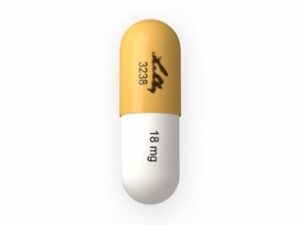



Loxitane (Loxapine) – Patient-Friendly Guide (Australia)
Loxitane is a brand of loxapine, an antipsychotic medicine used to treat certain mental health conditions. This page explains how Loxitane works, what it’s used for, how it’s typically taken, and important safety considerations—written in clear, patient-friendly language for people in Australia.
Always follow the directions provided by your healthcare professional and read the Consumer Medicine Information (CMI) that comes with your medicine.
Quick Facts
- Active ingredient: Loxapine
- Medicine type: Antipsychotic (typical/first-generation class)
- Common uses: Schizophrenia and other psychotic disorders, and in some situations for agitation
- How it’s taken: By mouth (tablets/capsules depending on product presentation)
- Key safety topics: Sleepiness, dizziness, movement-related side effects, heart rhythm effects, and risk of neuroleptic malignant syndrome (rare but serious)
- Important cautions: Alcohol and certain interacting medicines can increase risk of side effects
Basic Product Information
Product name: Loxitane
Generic name: Loxapine
Class: Antipsychotic medicine
ATC code (approximate): N05AH02 (loxapine)
In Australia, loxapine-containing products are typically supplied as oral formulations. Availability may vary by strength and supplier.
How Loxitane Works (Mechanism of Action)
Loxapine helps reduce symptoms of psychosis and certain behavioural symptoms. It primarily works by affecting brain neurotransmitters, especially:
- Dopamine (D2 receptors): Loxapine blocks dopamine signalling in certain brain pathways. This can help improve hallucinations, delusions, and disorganised thinking.
- Serotonin (5-HT2) receptors: Some activity at serotonin receptors may influence mood and overall symptom control.
- Additional receptor effects: Depending on dose and individual response, it may also affect receptors linked with sedation and autonomic (involuntary) functions.
What to expect: Antipsychotics often take time to show full benefit. Some people notice changes earlier, while others need several weeks for best symptom control.
Pharmacokinetics (Absorption, Distribution, Metabolism, Elimination)
Pharmacokinetics describes what the body does with loxapine. While exact values vary by formulation and individual factors, key points include:
| Process | What typically happens |
|---|---|
| Absorption | Loxapine is absorbed after oral dosing. Peak levels occur after oral administration (timing may vary between individuals). |
| Distribution | It distributes into body tissues and can cross into the brain to exert effects. |
| Metabolism | It is metabolised primarily in the liver (enzymes such as CYP pathways are involved). |
| Elimination | Metabolites and a smaller proportion of unchanged medicine are eliminated mainly via urine and/or faeces. |
| Half-life | Not identical for all people; it influences how often the medicine is taken and how long effects last. |
Why this matters: Liver health, interacting medicines, and age can affect blood levels—changing both effectiveness and side effect risk.
Typical Use (Indications)
Loxitane is used to treat symptoms related to psychosis. Common indications include:
- Schizophrenia and other psychotic disorders
- Management of acute agitation in certain clinical scenarios (depending on local product information and healthcare advice)
How it’s used (including dose and schedule) depends on your diagnosis, symptom severity, age, previous medication history, and other medical conditions.
Dosing – General Guidance
Important: Dosing should be tailored to you. The information below is general and not a substitute for individual instructions.
Starting doses and adjustments are often gradual to improve tolerability. Some people benefit from lower starting doses to reduce sedation and dizziness. Your prescriber may adjust the dose based on symptom control and side effects.
- Initial phase: Usually starts at a lower dose, then increases gradually if needed.
- Maintenance: The lowest effective dose is often aimed for.
- Missed dose: Follow your prescriber’s advice or the medicine leaflet. Do not double up unless instructed.
Monitoring may include: weight, blood pressure, movement-related side effects, mental status, and—depending on your risk factors—heart rhythm (e.g., ECG), blood tests, and other assessments.
Note for elderly patients: Older adults may be more sensitive to sedation, falls, and movement side effects; dosing is often lower and more cautious.
Timing and How to Take Loxitane
Loxitane can be taken once or twice daily depending on your specific prescription and the formulation. If you’re unsure, check your packaging or CMI.
- Consistency helps: Try to take it at the same times each day.
- If it makes you sleepy: Taking it at night may help, but only if your healthcare professional agrees with the timing.
- Rising slowly: To reduce dizziness, stand up slowly from sitting or lying positions.
- Do not stop suddenly: Abrupt stopping can worsen symptoms or cause withdrawal-like effects. Discuss any changes with your healthcare professional.
Food Interactions (Can You Take It With Meals?)
For many antipsychotics, food does not cause major interactions, but taking with food may reduce stomach upset or nausea in some people.
- Typical approach: You can usually take Loxitane with or without food.
- If you feel nauseous: Consider taking it with a meal or after food (confirm with your CMI).
- Consistency is key: Try to keep your usual pattern (with meals or without) to maintain predictable absorption.
If you have swallowing difficulties, gastric issues, or are taking other medicines that require special timing, speak to your pharmacist.
Alcohol and Medicine Interactions
Alcohol
Avoid alcohol or use extreme caution. Alcohol can:
- Increase drowsiness and impair coordination
- Increase risk of falls
- Worsen mental health symptoms for some people
If you’re drinking alcohol while taking loxapine, it should be discussed with your healthcare provider due to increased safety risks.
Medicine Interactions (Common Examples)
Loxapine can interact with other medicines that affect the brain, blood pressure, liver enzymes, or heart rhythm.
- Sedatives and sleeping tablets (e.g., benzodiazepines, opioids, some sleep medicines): may increase sedation and breathing risk.
- Other antipsychotics or medicines affecting dopamine/serotonin: may increase side effects.
- Antidepressants (especially those that affect liver enzymes): may alter loxapine levels.
- Anticholinergic medicines (for bladder spasm, some allergy medicines): may worsen constipation, blurred vision, confusion, or urinary retention.
- Medicines that can affect heart rhythm (QT prolongation): combined use may increase arrhythmia risk.
- Some antibiotics/antifungals, antivirals, and antifungals: can affect liver metabolism and raise loxapine levels.
- Blood pressure medicines: can add to dizziness or low blood pressure.
Always provide your full list of medicines (including herbal products and “over-the-counter” remedies) to your pharmacist. This helps prevent harmful combinations.
Safety Profile and Side Effects
Like all medicines, Loxitane can cause side effects. Some are more common early in treatment (as your body adjusts), while others require urgent attention.
Common or Known Side Effects
- Sleepiness, fatigue, or reduced alertness
- Dizziness, especially when standing
- Dry mouth
- Constipation
- Blurred vision
- Weight changes (may occur with many antipsychotics)
- Restlessness or changes in energy levels
Movement-Related Side Effects
Antipsychotics can cause movement-related effects. These may include:
- Muscle stiffness, tremor, or slowed movement
- Akathisia (inner restlessness, inability to sit still)
- Dyskinesia (involuntary movements, especially after longer use)
Tell your healthcare professional if you notice stiffness, tremor, unusual movements, or severe restlessness—early management can improve outcomes.
Serious (Urgent) Side Effects – Seek Help Promptly
Contact urgent medical care or seek immediate help if you experience symptoms such as:
- High fever, severe muscle stiffness, confusion, fast heartbeat, or sweating (possible neuroleptic malignant syndrome—rare but life-threatening)
- Fainting, chest pain, or severe palpitations
- Signs of a severe allergic reaction (swelling of face/lips, difficulty breathing, rash)
- Uncontrolled movements that appear suddenly or worsen rapidly
- Symptoms of infection plus feeling very unwell (may require blood tests to check white cell counts in some cases)
When to Be Extra Careful
- Older adults: higher sensitivity to sedation and falls
- History of seizures
- Heart disease or rhythm issues
- Liver disease
- Diabetes or risk of diabetes: monitor weight and metabolic health
Practical Use Tips (Making Treatment Easier)
- Plan for the first days: Many people feel drowsy or dizzy at the start. Arrange safer transport and avoid risky tasks until you know how you respond.
- Hydration and constipation prevention: Encourage fluids and fibre. If constipation occurs, discuss options with your pharmacist.
- Keep track of side effects: Note timing, severity, and what helps. This can guide dose adjustments.
- Do not stop suddenly: If you feel unwell or want to change treatment, speak with your healthcare professional first.
- Sleep and routines: Consistent sleep routines can reduce agitation and improve day-to-day functioning.
- Driving and machinery: If you feel sleepy or slower to react, avoid driving or operating machinery.
Alternative Options (Discuss With Your Clinician)
There are several antipsychotic options available for psychosis and related symptoms. Choice depends on symptom pattern, side effect preferences, previous response, age, and medical history.
Possible alternatives include:
- Second-generation (atypical) antipsychotics (e.g., risperidone, olanzapine, quetiapine, aripiprazole, ziprasidone, amisulpride—availability and suitability vary)
- Other typical antipsychotics (depending on what’s available and appropriate)
- Non-pharmacological supports such as psychosocial interventions, family support, and structured therapy, used alongside medication where appropriate
If Loxitane is not tolerated or symptoms are not controlled, your healthcare professional can discuss switching strategies and monitoring during transitions.
Market and Legal Context for Australia
In Australia, antipsychotic medicines are regulated under national medicines policy and state/territory health regulations. Loxapine products are supplied through licensed channels and must be used according to local product information and Australian healthcare requirements.
Key points for patients:
- Only use medicines that are supplied through legitimate pharmacy supply chains.
- Check packaging for product name, strength, batch details, and expiry date.
- Report adverse reactions to your pharmacist or doctor; in Australia, reporting systems may be supported via health authorities.
Availability may be influenced by supplier stock levels and local prescribing practices.
Recent Guidance and Ongoing Care Considerations
Clinical care for psychosis often includes regular follow-up and side-effect monitoring. While individual guidance varies, common themes in Australian and international practice include:
- Use the lowest effective dose and review periodically.
- Monitor movement side effects and consider early management strategies if they occur.
- Assess metabolic health (weight, blood sugar, lipids), particularly for medicines associated with metabolic changes.
- Be cautious with sedation, especially in older adults and people using other sedating medicines.
- Manage adherence barriers (e.g., scheduling, side effects, support networks).
If you have questions about how to monitor your own progress, ask your pharmacist for practical advice and the recommended schedule in the CMI.
Delivery and Availability (Australia)
Availability of Loxitane can vary by:
- Strength and formulation
- Current supplier stock
- Regional distribution timelines
When ordering online through a compliant pharmacy service, typical delivery considerations may include:
- Dispatch times: Orders may dispatch sooner if stock is available.
- Cold chain: Not usually required for antipsychotic tablets, but always follow product instructions.
- Substitutions: If exact stock is not available, your pharmacy may need to clarify options with you or your clinician.
Tip: When ordering, ensure your delivery address is correct and accessible to avoid delays.
FAQ
1) What is Loxitane used for?
Loxitane (loxapine) is used to treat conditions involving psychosis, such as schizophrenia, and in certain settings may be used to manage agitation depending on clinical advice.
2) How long does it take to work?
Some people may notice improvements early, but many require several weeks for full benefit. Your prescriber will monitor response and side effects and adjust treatment if needed.
3) Should I take it with food?
It is often possible to take Loxitane with or without food. If it upsets your stomach, taking it with meals may help. Keep your routine consistent.
4) Can I drink alcohol while taking Loxitane?
Avoid alcohol or use extreme caution. Alcohol can increase drowsiness and risk of falls and may worsen certain symptoms.
5) What are the most important side effects to watch for?
Common effects include sleepiness, dizziness, constipation, and dry mouth. Seek urgent help for rare but serious symptoms such as fever with severe muscle stiffness or confusion.
6) What if I miss a dose?
Check your medicine leaflet or ask your pharmacist what to do. In general, don’t double up without advice. The best action depends on how close the missed dose is to the next one.
7) Can I stop Loxitane suddenly?
Do not stop suddenly unless instructed. Abrupt changes can worsen symptoms or cause adverse effects. If you want to stop or switch, discuss it with your healthcare professional.
8) Are there medicines I should avoid?
Be cautious with medicines that increase sedation (sleeping tablets, opioids), those affecting liver metabolism, and medicines that may affect heart rhythm. Always tell your pharmacist about all medicines you take.
9) Will Loxitane affect driving?
It can, especially at the start or after dose increases. If you feel drowsy, dizzy, or slower to react, avoid driving and operating machinery until you know how you respond.
10) Is Loxitane suitable for everyone?
Suitability depends on your medical history, age, other medicines, and the type of symptoms being treated. Your healthcare professional can assess risks and benefits and monitor you appropriately.
Need Help?
If you have questions about how to take Loxitane safely, what side effects to monitor, or which interactions may apply to you, speak with a qualified healthcare professional or your pharmacist. They can provide advice tailored to your situation and the specific product you receive in Australia.