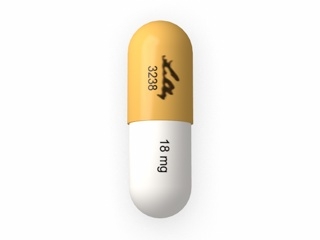

Strattera® (Atomoxetine) – Patient Guide (Australia)
Strattera® is a prescription medicine containing atomoxetine. It is used to help manage symptoms of Attention-Deficit/Hyperactivity Disorder (ADHD) in children, adolescents, and adults. This guide explains how it works, what to expect, important safety information, and practical tips for everyday use.
Note: Always follow the directions provided by your doctor and the product information supplied with your medicine.
Quick Facts
- Active ingredient: Atomoxetine
- Common brand: Strattera®
- Medicine type: Selective norepinephrine reuptake inhibitor (SNRI-like behaviour)
- Typical use: ADHD symptom management
- When it’s taken: Once or twice daily, depending on the prescribed regimen
- Onset: Effects may take days to weeks; full benefit may take longer
- Form: Capsules (strengths vary)
What Is ADHD and How Does Strattera Help?
ADHD is a neurodevelopmental condition that can affect attention, impulse control, and activity levels. People with ADHD may find it difficult to concentrate, may be more impulsive, or may experience restlessness. The goal of treatment is to reduce symptom severity and improve daily functioning at school, work, and home.
Strattera® (atomoxetine) helps by influencing brain chemicals involved in attention and self-control, particularly the norepinephrine pathway.
Basic Product Information
| Category | Details |
|---|---|
| Brand | Strattera® |
| Generic name | Atomoxetine |
| Medicine class | Selective norepinephrine reuptake inhibitor (SNRI-related mechanism) |
| Common dosing frequency | Once or twice daily (as prescribed) |
| Availability | Available in Australia as a prescription medicine |
Mechanism of Action (How It Works)
Atomoxetine works mainly by inhibiting the reuptake of norepinephrine in the brain. This increases the availability of norepinephrine in neural synapses, which supports:
- Improved attention
- Better impulse control
- Reduced hyperactivity/restlessness
Unlike some other ADHD medicines, Strattera® is not a stimulant. Many people find it useful when they prefer a non-stimulant option or when stimulant medicines are not suitable.
Pharmacokinetics (Absorption, Metabolism, and Elimination)
Pharmacokinetics describes how the body absorbs, processes, and clears a medicine.
- Absorption: Atomoxetine is absorbed after oral use. Peak blood levels are typically reached within several hours (timing can vary by person and formulation).
- Metabolism: Atomoxetine is primarily metabolised in the liver by the enzyme CYP2D6. People with different CYP2D6 activity may have different exposure levels (higher or lower).
- Elimination: Metabolites are excreted mainly via urine.
- Steady state: With regular dosing, levels build up gradually; consistent daily use helps achieve steady effect.
Practical implication: Because metabolism depends on liver enzymes, some medicines that affect CYP2D6 can change atomoxetine levels—this is why medication interactions are important.
Typical Indications (What It’s Used For)
In Australia, atomoxetine is indicated for the treatment of ADHD in:
- Children and adolescents
- Adults
It may be prescribed when symptoms require ongoing management and the clinician decides that a non-stimulant option is appropriate.
Who Might Be Prescribed Strattera?
While suitability depends on your individual medical history, Strattera may be considered particularly when:
- A person prefers a non-stimulant approach
- Stimulant medicines are not suitable, not tolerated, or not effective
- There is a need for continuous symptom coverage (depending on dosing regimen)
- There are concerns about misuse potential (atomoxetine is not a controlled stimulant)
How to Take Strattera: Timing and Dosing
Always follow your prescriber’s instructions. Dosing is often started at a lower level and increased gradually to improve tolerability.
Typical starting and maintenance approach
Atomoxetine dosing for ADHD is generally weight-based in children and adolescents, while adults often use a standard titration schedule. Common regimens may include:
- Initial titration: A lower dose is used first, then increased based on response and side effects.
- Maintenance: The dose is adjusted to balance symptom control and tolerability.
Once-daily vs twice-daily dosing
Your clinician may prescribe:
- Once daily (often in the morning, or as advised)
- Twice daily (with a morning and late afternoon/early evening dose), especially during titration or depending on symptom patterns
When to expect benefits
Atomoxetine is not usually “instant” like some rapid-acting medications. Many people notice changes over time:
- Early improvements: may appear within the first 1–2 weeks for some
- More consistent benefit: often takes several weeks
- Full effect: may require continued treatment and dose adjustment over 4–8 weeks (or longer)
If you miss a dose
- Take the missed dose when you remember if it is not close to the next dose.
- If it is almost time for the next dose, skip the missed dose and continue as normal.
- Do not double up doses.
Food Interactions and Taking with Meals
Atomoxetine can generally be taken with or without food.
- If it upsets your stomach, taking it with food may help.
- Maintain a consistent routine (e.g., always with breakfast or always on an empty stomach) if advised.
Tip: If you experience nausea, dizziness, or reduced appetite, try taking it with a meal and speak to your clinician if symptoms persist.
Alcohol Interactions
There is no universal rule that “any alcohol is forbidden,” but alcohol can worsen:
- Drowsiness or dizziness
- Reduced concentration and sleep disruption
- Blood pressure-related effects in some people
Advice: If you drink alcohol, discuss it with your doctor. Avoid heavy drinking, particularly during dose changes or when you are still adjusting to treatment.
Medicine Interactions (Important)
Certain medicines may alter how atomoxetine is processed or may increase the risk of side effects. Always tell your healthcare provider about all medicines you use, including:
- Prescription medicines
- Over-the-counter medicines
- Herbal products (especially those affecting liver enzymes)
- Supplements
Key interaction areas
- CYP2D6 inhibitors: Some medicines can reduce atomoxetine breakdown and increase its levels.
- Blood pressure and heart rate medicines: Because atomoxetine can affect heart rate and blood pressure, clinicians may adjust monitoring or dosing.
- Other medicines that affect the nervous system: Interactions may increase dizziness, drowsiness, or changes in alertness.
- Medications that affect serotonin/norepinephrine systems: Your clinician will check for compatibility with your medication profile.
Practical tip: Use a single updated medication list and bring it to appointments. If you start or stop any medicine, ask whether it affects atomoxetine.
Dosing Guidance (General Information)
Dosing must be individualised. Below is a general overview of how atomoxetine therapy is commonly structured. For your exact dose and schedule, rely on your prescribed instructions.
Children and adolescents
- Dose is often based on body weight.
- Clinicians typically start low and increase gradually.
- Regular follow-up is important to check symptom response and tolerability.
Adults
- Often begins with a lower dose, then titrated based on response.
- Some adults may start with once-daily dosing; others may use twice daily.
Special populations (important)
- Liver impairment: Atomoxetine exposure may increase; dose adjustments and closer monitoring may be required.
- Moderate to severe kidney impairment: Your clinician may monitor more closely and adjust accordingly.
- Older adults: Not always first-line; individual assessment is needed.
Safety Profile (What to Watch For)
Like all medicines, atomoxetine can cause side effects. Many are mild to moderate and improve as your body adjusts, but some require prompt medical attention.
Common side effects
- Nausea
- Reduced appetite and/or weight loss
- Dry mouth
- Dizziness
- Fatigue or sleep changes (some people experience insomnia)
- Stomach discomfort
- Headache
Blood pressure and heart rate changes
Atomoxetine may affect:
- Heart rate
- Blood pressure
Your clinician may check vital signs before and during treatment, especially at dose changes or if you have cardiovascular conditions.
Less common but serious warnings
Seek urgent medical help or contact your healthcare provider promptly if you experience:
- Signs of liver injury: yellowing of skin/eyes (jaundice), dark urine, severe fatigue, abdominal pain
- Allergic reactions: swelling of face/lips, rash, breathing difficulties
- Severe mood or behaviour changes: unusual agitation, worsening depression, or suicidal thoughts
- Significant fainting, chest pain, or severe palpitations
- Priapism (painful prolonged erection) — requires urgent care
Children and adolescents: additional monitoring
- Growth and weight: clinicians may monitor height/weight regularly
- Behaviour and mood: mood changes and sleep patterns should be watched closely
- School/functional response: symptom progress is often assessed with feedback from carers and teachers
Practical Use Tips (How to Get the Best Results)
- Be consistent: Take Strattera at the same times each day to support steady effects.
- Track your response: Keep notes on attention, impulsivity, school/work performance, sleep, appetite, and side effects.
- Give it time: ADHD improvements often take weeks—avoid stopping early due to lack of immediate effect unless advised.
- Manage appetite changes: Offer nutritious meals and snacks; consider eating before dose if appetite is reduced.
- Sleep hygiene: If insomnia occurs, discuss timing adjustments with your clinician.
- Stay hydrated: Dry mouth can be eased with water and sugar-free options.
- Regular review: Follow-up appointments help fine-tune dose and monitor safety.
What If It Doesn’t Work?
If symptoms are not improving or side effects are hard to manage, your doctor may:
- Adjust the dose or timing
- Switch to another ADHD medicine
- Reconsider the overall treatment plan, including behavioural strategies and support
It can also help to review whether sleep, stress, anxiety, learning needs, and lifestyle factors are affecting ADHD symptoms.
Alternative Options for ADHD (Non-Strattera)
There are multiple ways to treat ADHD, and the best option depends on age, symptom profile, medical history, and personal preference.
Medication alternatives
- Stimulant medicines (commonly used in many patients; availability and suitability vary)
- Other non-stimulant options (your doctor may consider depending on guidelines and your circumstances)
Non-medication supports
- Behavioural therapy and parent/coach training
- Educational supports (learning plans, classroom adjustments)
- CBT for adults (skills for organisation, coping, and stress management)
- Sleep and routine building
- Exercise and structured activities
Reminder: Medication is most effective when combined with appropriate support strategies.
Market and Legal Context for Australia
In Australia, atomoxetine (Strattera®) is supplied as a prescription medicine and is dispensed under pharmacy regulations. Medicines are managed to ensure safe use, appropriate patient assessment, and monitoring for side effects and interactions.
Availability can vary by strength and pack size. Your local pharmacy can confirm current product listings, stock timing, and delivery options.
Recent Guidance and Monitoring (General, Australia-Focused)
While specific advice can change over time, current ADHD medicine practice commonly includes:
- Regular follow-up after starting and after dose changes
- Monitoring weight and appetite in children and adolescents
- Checking blood pressure and heart rate due to potential cardiovascular effects
- Reviewing mood and sleep for emotional changes and insomnia
- Reviewing medication lists for interactions, especially drugs that affect CYP2D6
If you have concerns about side effects, growth, mood, or heart symptoms, contact your healthcare provider for tailored advice.
Delivery and Availability (Online Pharmacy Overview)
Strattera® availability may depend on the specific capsule strength and quantity required. With online pharmacy services in Australia:
- Stock checks are usually performed before dispatch.
- Delivery times vary by location and courier service.
- Packaging typically protects the product during transit.
If a strength is temporarily unavailable, some pharmacies can offer alternatives such as:
- Similar strength options that match the prescribed total daily dose
- Ordering and restock timeframes
- Advice on how to avoid missed doses during supply delays
FAQ About Strattera (Atomoxetine)
1) Is Strattera a stimulant?
No. Strattera® (atomoxetine) is a non-stimulant ADHD medicine that works by increasing norepinephrine signalling rather than acting as a stimulant.
2) How long does it take to work?
Some people notice changes within days to a couple of weeks, but more reliable improvement often takes several weeks. Dose titration and individual response can affect timing.
3) Should I take it in the morning or at night?
Many people are prescribed once-daily dosing in the morning, but some require late-day dosing depending on symptoms and sleep effects. Follow your clinician’s instructions. If insomnia occurs, speak with your doctor about timing.
4) Can I take Strattera with food?
Yes. Atomoxetine can generally be taken with or without food. Taking with food may help if you experience nausea.
5) What happens if I miss a dose?
Take it when you remember if it is not close to the next scheduled dose. If it is near the next dose, skip the missed one. Do not double the dose.
6) Can I drink alcohol while taking Strattera?
It’s best to discuss alcohol use with your healthcare provider. Alcohol may worsen dizziness, sleep, and overall concentration. Avoid heavy drinking, especially early in treatment or during dose changes.
7) Are there interactions with other medicines?
Yes. Atomoxetine is metabolised by CYP2D6, so medicines that inhibit CYP2D6 can increase atomoxetine levels. Some medicines that affect blood pressure, mood, or the nervous system may also be relevant. Always provide your doctor and pharmacist with a complete medication list.
8) Is Strattera safe for long-term use?
Many people use atomoxetine for ongoing ADHD symptom management. Safety depends on individual health factors, dose, and monitoring. Regular reviews are important to evaluate benefit and side effects.
9) What side effects should I be most concerned about?
Seek prompt medical help for symptoms suggesting liver injury, severe allergic reactions, significant mood changes (including suicidal thoughts), or serious heart symptoms. For any concerning symptoms, contact a healthcare professional urgently.
10) What if I lose weight or have poor appetite?
Reduced appetite can occur. Your clinician may monitor weight and consider dose adjustments, timing changes, or supportive strategies. Don’t stop suddenly without medical advice.
When to Contact a Healthcare Professional
Contact your doctor promptly if you experience:
- Worsening mood, severe anxiety, or unusual behaviour changes
- Signs of liver problems (jaundice, dark urine, persistent upper abdominal pain)
- Fainting, chest pain, severe palpitations, or breathlessness
- Severe or persistent side effects that affect daily life
Seek emergency help if you think you may be having a serious allergic reaction or another life-threatening condition.
Disclaimer: This information is intended as a general guide for consumers in Australia. It does not replace medical advice. If you have questions about Strattera® (atomoxetine) for your situation, speak with a pharmacist or healthcare professional.