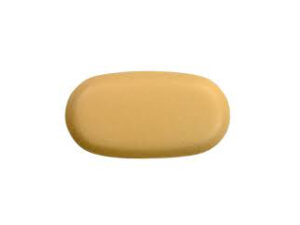
Dolutegravir (Australia) – Patient Information
Dolutegravir is a medicine used to treat human immunodeficiency virus (HIV) infection. It belongs to a class of HIV medicines called integrase strand transfer inhibitors (INSTIs). Dolutegravir is used in combination with other HIV medicines and works to reduce the amount of HIV in your body to undetectable levels (for many people), helping to protect your immune system.
This page is designed to be clear and patient-friendly. It covers how dolutegravir works, typical uses, dosing and timing, important interactions (including food and alcohol), safety information, and practical tips to support treatment success in Australia.
Basic Product Information
- Generic name: Dolutegravir
- Medicine type: Antiretroviral (HIV) medicine
- Drug class: Integrase strand transfer inhibitor (INSTI)
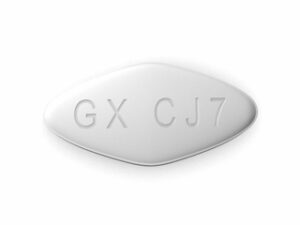
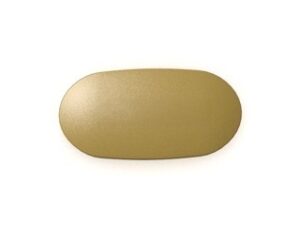
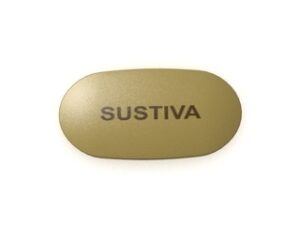
- Common formulations: Oral tablets and some combination products (varies by brand/market availability)
- How it’s taken: By mouth, usually once or twice daily depending on the regimen
Note: Brand names, strengths, and whether you receive dolutegravir alone or within a combination tablet can vary. Always check the specific product label and instructions provided with your medicine.
How Dolutegravir Works (Mechanism of Action)
HIV replicates inside human cells. After entering a host cell, HIV needs an enzyme called integrase to help convert and insert viral genetic material into the cell’s DNA. Dolutegravir blocks integrase, preventing HIV from integrating into the host cell DNA. This reduces the ability of HIV to multiply.
Because dolutegravir targets a key step in the HIV life cycle, it is widely used in modern HIV treatment regimens.
Pharmacokinetics (How the Body Handles Dolutegravir)
Pharmacokinetics describes how the body absorbs, distributes, metabolises, and eliminates a medicine.
- Absorption: Dolutegravir is absorbed after oral dosing.
- Peak levels: Drug levels generally rise to maximum concentration within a few hours after taking a dose.
- Protein binding: It binds to plasma proteins.
- Metabolism: Dolutegravir is metabolised mainly by liver enzymes (including UGT1A1) and may also involve other metabolic pathways.
- Elimination: It is cleared through both hepatic metabolism and excretion of metabolites.
- Half-life: Dolutegravir has a sufficiently long half-life to support once-daily dosing in many regimens, depending on your exact treatment plan.
Individual blood levels can be influenced by factors like other medicines, kidney/liver function, and whether the tablet is taken with certain foods or minerals.
Typical Use in HIV Treatment
Dolutegravir is used as part of combination therapy for HIV infection. Common goals include:
- Reducing viral load to undetectable levels
- Improving immune function (e.g., increasing CD4 counts)
- Preventing HIV disease progression
- Reducing transmission risk when viral load is consistently suppressed (“undetectable equals untransmittable” concept)
Combination therapy matters: Dolutegravir is usually taken with other antiretroviral medicines (for example, agents from other drug classes) to help prevent resistance and achieve durable viral suppression.
Indications (When Dolutegravir Is Used)
Dolutegravir is indicated for the treatment of HIV infection in appropriate patients as part of antiretroviral regimens. Specific eligibility can depend on factors such as prior HIV treatment history, resistance testing, age, and co-existing conditions.
Clinicians also consider dolutegravir for people switching regimens, especially when a stable and effective treatment plan is needed.
Dosing and Timing
Dosing can vary based on the regimen, age, and which other medicines are used. The safest way to determine your correct dose is to follow the instructions supplied with your specific dolutegravir product and the treatment plan recommended for you.
Common dosing patterns
- Once daily regimens: Many adults take dolutegravir once daily as part of a fixed combination or combination regimen.
- Twice daily regimens: Some situations may require twice-daily dosing.
Take it at the same time each day. Consistent timing helps maintain effective drug levels and supports viral suppression.
Timing with food
- Dolutegravir can generally be taken with or without food.
- However, food containing dairy or calcium can affect absorption when taken with certain formulations or in specific circumstances.
Always follow the dosing instructions provided for your exact product. If you are unsure, ask a pharmacist.
Food Interactions (What to Watch)
Food interactions are important for dolutegravir, particularly with certain minerals such as calcium, iron, magnesium, and aluminium found in supplements or antacids.
General guidance
- Calcium, iron, magnesium, aluminium: These minerals can bind dolutegravir and reduce absorption.
- If you take products containing these minerals (e.g., some antacids, supplements), spacing doses may be necessary.
Practical examples
- Antacids (e.g., aluminium/magnesium hydroxide): may require separation in time.
- Calcium supplements: may require spacing.
- Iron supplements or multivitamins: may require spacing as well.
- Dairy products (milk, yoghurt, cheese): may be relevant depending on the overall meal and whether additional minerals are present.
Important: The required separation (if any) depends on your specific regimen and formulation. Always check the label information or ask your pharmacist for personalised guidance.
Alcohol and Medicine Interactions
Dolutegravir does not typically have a direct “dangerous interaction” with alcohol in the way some medicines do, but alcohol can still affect treatment success and overall health.
Consider the following
- Adherence: Alcohol may impair your ability to take medicines consistently.
- Liver health: If you have liver disease or other risk factors, alcohol may worsen liver-related issues.
- Other medicines: Many people with HIV also take medicines for other conditions; those may have stronger alcohol interactions.
Practical advice: If you choose to drink alcohol, do so moderately and avoid missing doses. If you have hepatitis, cirrhosis, or abnormal liver tests, discuss alcohol limits with your healthcare professional.
Drug Interactions (Other Medicines to Mention)
Dolutegravir can interact with certain medicines. Some interactions may reduce dolutegravir levels (making it less effective), while others may increase side effects by raising dolutegravir levels.
Common interaction categories
- Anti-seizure medicines (some can reduce dolutegravir levels)
- Rifampicin and rifapentine (important tuberculosis medicines that can significantly affect antiretroviral levels)
- St John’s wort (herbal product) – may reduce effectiveness
- Some antacids and mineral supplements (calcium/iron/magnesium/aluminium)
- Metformin – may require monitoring and dose adjustment in some situations
Always tell a pharmacist or clinician about:
- All medicines you take (including over-the-counter products)
- Herbal supplements and vitamins
- Any recent changes to your regimen
Safety Profile and Side Effects
Like all medicines, dolutegravir can cause side effects. Many people tolerate it well. Side effects may be mild and temporary, but you should seek medical advice if you experience concerning symptoms.
Common side effects
- Headache
- Nausea or stomach discomfort
- Diarrhoea
- Fatigue
- Sleep disturbances (for some people)
Less common but important to watch for
- Allergic reactions (rash, swelling, breathing difficulty)
- Severe skin reactions (rare; seek urgent help)
- Mood changes or severe anxiety/depression symptoms (seek advice promptly)
- Changes in liver tests or liver-related symptoms (yellowing of skin/eyes, dark urine)
Laboratory monitoring
Your clinician may monitor:
- Viral load (to confirm treatment effectiveness)
- CD4 count (to track immune status)
- Full blood count and chemistry including liver function tests
- Renal function (particularly if you have kidney issues or take interacting medicines)
Also note that dolutegravir can sometimes affect creatinine readings without necessarily indicating true kidney damage. Your healthcare team will interpret tests appropriately.
Practical Use Tips
Good adherence is one of the biggest factors in successful HIV treatment. Here are practical tips for taking dolutegravir comfortably and consistently.
Make dosing routine-friendly
- Choose a consistent time each day based on your schedule.
- Use a daily reminder (phone alarm, pill organiser).
- Keep your medicine where it’s easy to remember, but protected from heat and moisture.
Managing missed doses
- If you miss a dose, take it as soon as you remember if it is close to the next dose.
- If it is almost time for your next dose, skip the missed one and return to your schedule.
- Do not double up to make up for a missed dose unless your clinician/pharmacist specifically advises it.
If you miss multiple doses, contact your pharmacist or clinician for advice about resuming your regimen.
What to do about vomiting
- If you vomit shortly after taking a dose, absorption may be incomplete.
- Seek advice on whether you need to repeat the dose—this depends on how long after dosing you vomited.
Supportive self-care
- Stay hydrated and eat regular meals.
- Use gentle reminders for refills so you don’t run out.
- Keep a written list of your medicines and doses to help coordinate with vitamins/antacids.
Alternative Options
Dolutegravir is one option within the broader category of integrase inhibitors and other antiretroviral drug classes. Alternatives may be appropriate depending on your treatment history, resistance profile, tolerability, and other health factors.
Other integrase inhibitors (examples)
- Bictegravir
- Raltegravir
- Elvitegravir (usually boosted with other agents in combination products)
- Cabotegravir (long-acting injection option in some settings)
Other antiretroviral classes (examples)
- NRTIs (nucleoside/nucleotide reverse transcriptase inhibitors)
- NNRTIs (non-nucleoside reverse transcriptase inhibitors)
- Protease inhibitors (often used when integrase inhibitors are unsuitable)
Choosing an alternative is an individual decision made with your healthcare team. Factors may include previous virologic response, resistance testing, convenience, pregnancy plans, co-existing conditions, and drug–drug interaction risks.
Market and Legal Context for Australia
In Australia, HIV medicines are regulated by the Australian Government and are available through approved prescribing and dispensing pathways. Availability can depend on:
- Whether the medicine is supplied as a single ingredient product or within an approved combination tablet
- Brand and strength options available through Australian supply chains
- Local prescribing and treatment guidelines
For online purchasing, only authorised channels should be used, and medicines should be supplied according to Australian laws and safety requirements. Always confirm that any product you receive is an authorised medicine for the Australian market and matches the prescribed regimen requirements.
Recent Guidance and Ongoing Updates
HIV treatment guidelines evolve as new evidence becomes available. In Australia, guidance is generally informed by clinical best practice and local expert recommendations, which may be updated periodically. Recommendations can include:
- Preferred first-line regimens for starting treatment
- Switching strategies for people with stable viral suppression
- Management of special populations (for example, pregnancy, co-infections, and drug resistance concerns)
- Updated interaction advice for commonly used co-medications
Tip: If your regimen changes, re-check food and medication interaction instructions for your new combination.
Delivery and Availability (Australia)
Availability of dolutegravir may vary by:
- Strength and formulation (single agent vs fixed-dose combination)
- Brand sourcing and supplier stock levels
- Timing requirements (how urgently you need your dose)
When ordering online, look for:
- Clear product identification (strength, dosage form, expiry details)
- Estimated dispatch and delivery timeframes for Australian locations
- Secure packaging and temperature protection guidance, if applicable
- Customer support contact options for medication questions
Prescription handling note: Online pharmacies in Australia typically require appropriate documentation and safe dispensing practices. Follow the steps provided at checkout to ensure your order is processed correctly.
FAQ: Dolutegravir
1) Can I take dolutegravir with food?
In many cases, dolutegravir can be taken with or without food. However, food and meal composition can matter, especially if your meal includes substances that may affect absorption (such as minerals). Follow the instructions for your specific product and ask a pharmacist if you take supplements or antacids.
2) What vitamins or minerals should I be careful with?
Be careful with products containing calcium, iron, magnesium, or aluminium (including many antacids and some supplements). These may reduce dolutegravir absorption. Spacing doses may be needed—ask your pharmacist for specific timing instructions.
3) Is it safe to drink alcohol while taking dolutegravir?
Moderate alcohol is not usually associated with a direct interaction with dolutegravir, but alcohol can affect adherence and may harm overall health, especially if you have liver issues or take other interacting medicines. If in doubt, discuss limits with your healthcare professional.
4) What should I do if I miss a dose?
Take it when you remember if it’s not close to your next dose. If it’s almost time for the next dose, skip the missed dose and continue your schedule. Don’t double up unless advised by a clinician.
5) Are there any common side effects?
Common side effects can include headache, nausea, diarrhoea, fatigue, and sometimes sleep disturbances. If side effects are severe or persistent, seek advice.
6) When should I get urgent help?
Seek urgent medical help for signs of severe allergic reaction (swelling of face/lips, trouble breathing), severe rash, or symptoms suggesting a serious reaction.
7) Can I take other medications at the same time?
Many medicines can be taken safely, but some require careful timing or monitoring—particularly certain anti-seizure medicines, tuberculosis medicines like rifampicin, antacids/minerals, and St John’s wort. Always provide your complete medicine list to a pharmacist.
8) How do I know dolutegravir is working?
Your clinician will monitor viral load and CD4 count. Viral load results are the key measure of effectiveness.
9) Is there a long-acting injection alternative?
In some circumstances, a long-acting integrase inhibitor injection such as cabotegravir may be an option. Whether it’s suitable depends on your clinical situation and treatment plan.
10) What if I have kidney or liver problems?
Your clinician may adjust monitoring and choose the best regimen based on kidney and liver function. Don’t change or stop dolutegravir without medical advice.
Summary
Dolutegravir is an effective integrase inhibitor used as part of combination HIV therapy. It works by blocking HIV integrase, reducing viral replication. Many people tolerate dolutegravir well, and dosing is often once daily, depending on the regimen. Careful attention to timing—particularly around minerals such as calcium, iron, magnesium, and aluminium—helps ensure proper absorption and treatment effectiveness.
If you have questions about your specific regimen, including interactions with supplements, antacids, or other medicines, a pharmacist can help you plan the safest and most convenient routine.