Neem (Azadirachta indica) — Patient-Friendly Guide
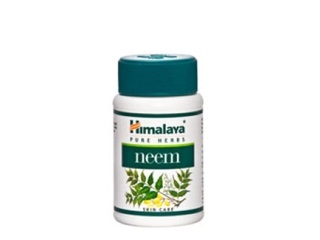
Neem (often written Neem, from Azadirachta indica) is a botanical product used in traditional systems of medicine and increasingly sought after for modern wellness routines. This page explains what Neem is, what it may be used for, how it may work in the body, and practical safety and use considerations—tailored for customers in Australia.
Please note: This information is educational and general. If you are pregnant, breastfeeding, managing long-term conditions, or taking medicines, it’s wise to speak with a health professional or pharmacist before starting any supplement.
Quick Overview
- Common name: Neem
- Botanical name: Azadirachta indica (tree)
- Typical forms: Capsules, tablets, powders, extracts, teas (varies by product)
- Traditional uses: Skin and oral health support, general wellness
- Key considerations: Quality, correct dosing, possible interactions, and safety in pregnancy
Basic Product Information
Neem is derived from parts of the neem tree. Depending on the product, it may be made from:
- Leaves (powders/extracts)
- Bark
- Seeds (more commonly used for oil in some contexts)
- Extracts standardized to certain constituents (varies by brand)
In dietary supplement products sold in Australia, the ingredient and strength can vary widely. Always check the Supplement Facts / label for:
- the exact plant part used
- dose per serving
- whether it is an extract and its standardisation (if stated)
- recommended daily intake
Mechanism of Action (How Neem May Work)
Neem contains a range of naturally occurring compounds, including classes of phytochemicals such as limonoids (e.g., azadirachtin and related compounds), flavonoids, and other bioactive constituents. The way Neem works can differ based on the product type, dose, and how it’s processed.
In general, Neem is studied for possible:
- Antioxidant activity: helping neutralise free radicals (a proposed mechanism common to many plant products)
- Anti-inflammatory effects: potentially supporting pathways involved in inflammation
- Antimicrobial properties: some studies suggest activity against certain bacteria or fungi (note: product and evidence quality vary)
- Modulation of skin and oral environments: traditional use often focuses on skin clarity and oral comfort, such as in mouth rinses or topical traditions
Importantly, evidence in humans varies by claim. Neem is best viewed as a complementary wellness product rather than a guaranteed treatment for medical conditions.
Pharmacokinetics (What Happens to Neem in the Body)
Pharmacokinetics (how a substance is absorbed, distributed, metabolised, and excreted) for Neem supplements can be complex because:
- Neem products differ in composition (leaves vs extracts vs oils)
- different constituents may be absorbed to different degrees
- some compounds are present as multiple related forms
For many Neem constituents, detailed human pharmacokinetic data are limited. In general, plant-derived bioactives may undergo:
- Absorption through the digestive tract after oral intake
- Metabolism in the liver and other tissues
- Excretion via bile and/or urine
Because human pharmacokinetic studies are not as extensive as for prescription medicines, it’s recommended to follow the product label and avoid exceeding the stated serving size.
Typical Use and Indications
When sold as a supplement in Australia, Neem products are generally used for wellness rather than disease-specific treatment. Depending on the formulation, customers commonly seek Neem to support:
- Skin health support (e.g., as part of a routine)
- Oral health comfort in some products or traditions (always check product instructions; oral use may differ by formulation)
- General immune/wellness support (broad complementary support)
- Management support for people looking for adjunct approaches alongside healthy lifestyle choices
Product labelling and permitted wording may vary. If you see specific medicinal claims, check whether they match the product category and approved guidance in Australia.
Dosing: How Much Neem to Take
Dosing depends on the specific product (powder vs extract, and the strength stated on the label). Always use the manufacturer’s recommended dose.
General dosing guidance (label-based):
- Start low if you are new to Neem (for example, begin with half the labelled daily dose) to assess tolerance.
- Use consistently for the period suggested on the label.
- Avoid exceeding the recommended daily intake.
If your label provides a daily serving such as “one capsule daily” or “two capsules daily,” follow that exactly. Because Neem products are not interchangeable (strength and extract standards differ), do not “convert” doses between brands without guidance.
Timing: Best Time to Take Neem
Neem supplements are commonly taken with meals to improve stomach comfort and reduce the chance of nausea or reflux, especially if you are sensitive to herbal products.
- For many people: take once daily with breakfast or lunch.
- If split dosing is recommended: follow the label (e.g., morning and evening).
- Consistency matters: take at roughly the same time each day.
If your product label specifies “on an empty stomach” or includes special instructions, follow those directions.
Food Interactions
Neem may interact with food in two main ways: (1) altering absorption, and (2) affecting stomach tolerance. Because Neem products vary, use the product label as the primary guide.
Practical food considerations:
- Taking with food may reduce stomach upset.
- High-fat meals may increase absorption for certain extracts, but this can also increase nausea risk—monitor how you feel.
- Grapefruit and similar foods: general interactions can occur with some herbs/constituents via metabolism pathways, but specific effects with Neem are not fully established. If you notice symptoms, consider spacing intake and consult a pharmacist.
If you experience heartburn, nausea, or abdominal discomfort, try taking Neem with a larger meal or move dosing to a time when your stomach feels calmer.
Alcohol and Medicine Interactions
Alcohol
There is limited direct evidence describing the exact interaction between Neem and alcohol in humans. However, because both can affect the digestive system and overall metabolism, it’s prudent to:
- Limit alcohol while assessing tolerance
- avoid taking Neem at times when you are likely to drink heavily
- stop and seek advice if you develop symptoms such as dizziness, stomach pain, unusual fatigue, or rash
Interactions with medicines
Neem may potentially interact with other medicines due to its plant constituents and possible effects on metabolic and immune-related pathways. Because robust interaction studies are limited for many Neem formulations, take extra care if you are using any long-term medication.
Use caution and seek professional advice before taking Neem if you are on:
- Blood-thinning medicines (e.g., warfarin) or medicines that affect bleeding risk
- Diabetes medicines (some supplements may influence blood sugar; monitoring is important)
- Blood pressure medicines (possible additive effects on cardiovascular parameters—monitor)
- Immunosuppressants or medicines affecting immune function
- Liver-metabolised medicines (many substances are processed by the liver; interactions can be possible with herbal constituents)
To reduce risk, provide a pharmacist with a complete list of:
- all prescription medicines
- all non-prescription products (including other supplements)
- herbal products and teas
If you start Neem and notice unexpected side effects or changes (such as bruising, unusual fatigue, changes in blood sugar or blood pressure, or rash), discontinue use and contact a health professional.
Safety Profile and Warnings
Neem is generally considered a botanical supplement, but it is not risk-free. Safety can depend on the dose, the specific product, and your health status.
Who should be extra cautious?
- Pregnancy and trying to conceive: Neem is traditionally associated with caution during pregnancy. It’s generally recommended to avoid Neem during pregnancy unless a clinician specifically advises otherwise.
- Breastfeeding: avoid unless advice from a health professional is provided.
- Children: products should only be used if specifically intended for children and labelled appropriately.
- Liver or kidney disease: talk to a clinician before use, especially if you have abnormal liver tests or significant kidney impairment.
- Allergies: stop if you develop rash, swelling, itching, breathing difficulties, or severe gastrointestinal symptoms.
Possible side effects
Reported side effects for herbal supplements may include:
- Stomach upset (nausea, cramps, diarrhoea)
- Headache or dizziness
- Changes in stool
- Skin reactions in sensitive individuals
Most mild side effects improve after reducing dose or stopping. If symptoms are severe or persistent, seek medical advice.
Red flags — stop and get advice
- yellowing of eyes/skin (jaundice)
- dark urine or severe upper abdominal pain
- uncontrolled vomiting or severe diarrhoea
- shortness of breath, facial swelling, or widespread hives
- severe rash or blistering
Practical Use Tips (How to Get the Most From Neem)
- Choose quality products: look for products that clearly state the ingredient, plant part, and dose. Prefer brands with quality assurance information.
- Start gradually: begin with the lowest labelled dose for the first week to assess tolerance.
- Keep consistent: supplements often require consistent daily use rather than “as needed” dosing.
- Pair with lifestyle foundations: adequate sleep, hydration, balanced nutrition, and appropriate skincare/hygiene are the base for any wellness routine.
- Track your response: if using for skin/oral comfort, note any improvements or worsening and adjust accordingly.
- Don’t stack too many new supplements at once: if side effects occur, you’ll know which product caused them.
If you are considering Neem for a specific goal, focus on realistic expectations. Many people evaluate outcomes after several weeks, depending on the goal and product type.
Alternative Options
Depending on your reason for using Neem, there may be other complementary options. Alternatives can include:
- Other botanicals for skin/oral routines: tea tree (topical only), calendula (topical), or mouthwash formulations (if appropriate to the product category)
- Antioxidant supplements: vitamin C, vitamin E, or polyphenol-based supplements (choose based on your needs and tolerances)
- Oral health products: specifically designed rinses and toothpaste products for gum comfort
- Probiotics: may support gut health which can influence overall wellbeing
- Targeted skin care: barrier-supporting moisturisers, gentle cleansers, and evidence-based actives recommended by pharmacists or dermatologists
If you tell us your main goal (e.g., general wellness, skin comfort, or oral comfort) we can help you compare options and consider safety, interactions, and suitability.
Neem in the Australian Market: Legal and Quality Context
In Australia, herbal supplements are generally regulated differently from medicines. Many Neem products are sold as complementary medicines or dietary supplements, depending on claims and how they are presented.
Key points for customers:
- Follow label instructions because product strengths differ.
- Claims should be consistent with the product category and approved marketing language.
- Quality matters: reputable suppliers should provide clear ingredient information and responsible manufacturing standards.
Regulations can change over time. For the most accurate and current requirements, it’s recommended to check official resources such as those from Australian regulatory authorities and to choose products from established, compliant brands.
Recent Guidance and Ongoing Considerations
Guidance for herbal products often includes reminders to:
- verify the product is appropriately listed for sale in Australia
- avoid use during pregnancy/breastfeeding unless advised by a clinician
- seek advice if taking other medicines due to possible interactions
- report unexpected adverse effects to a healthcare provider
Because evidence is evolving, it’s sensible to review your approach periodically—especially if you have ongoing health conditions or take regular medications.
Delivery and Availability in Australia
Neem is commonly available online in Australia in multiple forms (capsules, tablets, powders, extracts). Delivery times depend on your location and the shipping service selected at checkout.
- Availability: may vary by brand and stock levels.
- Dispatch: most orders are dispatched within the timeframe shown on the website.
- Tracking: many orders include tracking information.
- Packaging: supplements are typically packaged to protect from moisture and heat.
For best results, store Neem as directed on the label (often in a cool, dry place, away from direct sunlight).
Product Details (Label Checklist)
Before purchasing, check the following items on the product label:
| What to check | Why it matters |
|---|---|
| Plant part (leaf, extract, oil, etc.) | Different parts can have different compositions and safety profiles. |
| Standardisation (if provided) | Helps understand what the product is designed to contain. |
| Serving size and daily dose | Ensures you use the correct amount for that exact product. |
| Ingredients list and excipients | Important if you have intolerances or allergies to non-active ingredients. |
| Recommended timing | May affect stomach comfort and tolerability. |
| Storage instructions | Preserves quality and potency. |
| Warnings (pregnancy, children, conditions) | Helps avoid unsafe use. |
FAQ — Frequently Asked Questions
1) Is Neem suitable for everyone?
Neem may not be suitable for everyone. People who are pregnant, breastfeeding, taking immunosuppressant medicines, or those with liver/kidney issues should seek professional advice first. If you have allergies, start with caution and stop if any adverse reaction occurs.
2) How long does it take to see results?
This depends on the reason you’re taking Neem, the product form, and your personal health factors. For wellness routines, people may reassess after a few weeks of consistent use. If you notice no benefit and no side effects, consider discussing your plan with a pharmacist.
3) Can I take Neem on an empty stomach?
Some people tolerate Neem better with food. If your label doesn’t specify, taking with a meal is often a practical choice to minimise stomach upset. If you prefer empty stomach dosing, start slowly and monitor for nausea or reflux.
4) Does Neem interact with other supplements?
Potential interactions are not fully mapped for all combinations. It’s best not to introduce multiple new supplements at once. If you are taking other botanicals or high-dose vitamins, ask a pharmacist to review your overall supplement plan.
5) What if I miss a dose?
If you miss a dose, take it when you remember unless it’s close to the next scheduled dose. Don’t double up. Resume your normal schedule.
6) Can I drink alcohol while taking Neem?
Moderate alcohol is not specifically proven to be dangerous with Neem, but alcohol can affect the body and may worsen gastrointestinal tolerance. For safety and comfort, limit alcohol and reassess if you experience side effects.
7) Is Neem safe for children?
Use in children should only occur if the product is clearly intended for paediatric use and the label gives directions for that age group. Otherwise, seek professional advice.
8) How should Neem be stored?
Store Neem according to the product label, usually in a cool, dry place, out of direct sunlight. Keep it out of reach of children.
9) Are there topical Neem alternatives?
Yes, Neem is also used in topical preparations in some contexts. However, the safety and instructions may differ for topical products compared with oral supplements. Always follow the product label.
10) When should I seek medical advice?
Seek medical advice if you develop severe symptoms, signs of allergy, or symptoms suggesting liver problems (such as jaundice). Also seek advice if you have ongoing health concerns or take regular medicines.
Summary
Neem is a widely used botanical supplement that may be incorporated into wellness routines for potential antioxidant, anti-inflammatory, and antimicrobial-related support. Because Neem products vary and human research is still developing, the safest approach is to:
- choose a clear, quality product with transparent labelling
- follow label dosing and start gradually
- consider food timing to improve tolerability
- review possible interactions with medicines and alcohol
- avoid use during pregnancy/breastfeeding unless advised
If you’d like, share the exact Neem product form and your main goal (e.g., skin comfort, general wellness), and we can help you compare it with suitable alternative options and safety considerations for Australia.