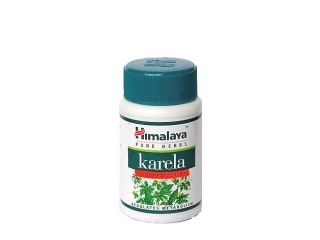
Karela (Bitter Melon) – Patient-Friendly Product Information (Australia)
Karela is a common name used for bitter melon—a traditional herb often taken in supplement form to support healthy blood glucose levels and metabolic wellbeing. In Australia, Karela products are typically sold as dietary supplements (such as capsules, tablets, powders, or teas), and the exact ingredients and strength can vary by brand.
This page explains how Karela works, what to expect, how to take it safely, and important interactions and safety considerations—especially if you take medicines for diabetes or other chronic conditions.
Basic product information
| Category | Details |
|---|---|
| Common name | Karela (Bitter melon) |
| Common botanical source | Momordica charantia |
| Typical forms sold in Australia | Capsules/tablets, powders, tea, extracts |
| How it’s usually used | As a supplement for metabolic health and traditional use for glucose support |
| Key active constituents (examples) | Charantin, polypeptide-p, cucurbitane triterpenoids, phenolics (varies by product) |
What Karela is (and what it isn’t)
Karela refers to bitter melon preparations. Many products are standardised extracts or traditional preparations, but strength and composition vary between brands. While Karela is often used for blood sugar support, it is not a replacement for diabetes management plans, and responses can differ between individuals.
Mechanism of action (how it may work)
Karela contains naturally occurring compounds that may influence glucose regulation through several potential pathways:
- Improving insulin sensitivity: Some evidence suggests Karela may help the body respond better to insulin.
- Supporting glucose uptake: Compounds may increase glucose transport into cells in certain studies.
- Influencing pancreatic function: Traditional and early research suggests bitter melon may affect insulin secretion, though findings are mixed across studies.
- Potential effects on carbohydrate metabolism: Laboratory studies have suggested impacts on enzymes involved in glucose handling.
Important: Not all products are equally effective, and supplement quality (standardisation, extraction method) can vary. Karela should be used consistently and monitored, especially if you have diabetes.
Pharmacokinetics (what happens in the body)
Pharmacokinetics data for Karela supplements in humans are limited and depend on the specific extract or preparation. In general, plant-derived compounds may:
- Be absorbed variably depending on formulation and whether compounds are water- or fat-soluble.
- Be metabolised in the liver and other tissues after absorption.
- Exhibit differing bioavailability between charantin, polypeptide-like fractions, and other phytochemicals.
- Have relatively short- to moderate residence times, meaning effects may be more noticeable after meals for some people.
Because human pharmacokinetic details are not fully established for all products, it’s best to focus on practical timing, monitoring blood glucose when relevant, and starting low.
Typical use (what people take it for)
Karela is commonly used as a dietary supplement to support:
- Healthy blood glucose levels as part of an overall healthy lifestyle (diet, activity, weight management).
- Metabolic wellbeing and traditional wellness routines.
- Traditional digestive and wellbeing support (some people use bitter melon tea or powders for general wellness).
The specific intent and expected outcomes will depend on the product’s standardisation, your baseline health, and any medications you may take.
Indications and evidence notes (Australia-friendly wording)
In Australia, supplement labels and advertising are regulated. Many Karela products are marketed using general wellness language rather than disease-treatment claims.
Common label-style indications include:
- “Supports healthy blood glucose levels”
- “Helps support metabolic health”
- “Traditional herbal support”
Clinical note: Evidence from clinical studies varies by extract type and dose. Some studies show modest improvements in markers of glucose control, while others show mixed results. If you have diabetes or prediabetes, use Karela only with appropriate monitoring and clinician guidance.
How to take Karela: dosing and timing
The correct dose depends on the product’s concentration and how it’s standardised. Always follow the manufacturer’s instructions on your chosen product. Below are general practical guidelines people often follow.
Typical dosing ranges (general guidance)
- Standardised extract products: Often taken once daily or split into twice daily dosing, depending on capsule strength (commonly in the range of hundreds of milligrams per day, but this varies widely).
- Powders/tea: Doses vary by preparation; tea servings may be taken with meals, while powders may be used in small measured amounts.
Start low: If you’re new to Karela, start at the lower end of the product label (or half dose) for several days to assess tolerance and any glucose-lowering effects.
Timing: when to take Karela
Many people choose a timing that aligns with meals, since glucose regulation is most relevant around eating. Common approaches include:
- With meals: Take it during or just before meals, especially the meal that affects you most (e.g., a carbohydrate-heavy lunch).
- Split dosing: If the label recommends twice daily, take one dose with breakfast and one with dinner.
- Consistency matters: Taking it at the same time each day may help you judge your personal response.
If your product label suggests a specific schedule, follow that schedule.
Food interactions (what to know)
Food can influence how supplements are tolerated and, for some people, how noticeable any glucose-related effect may be.
- Taking with food may reduce stomach upset: Bitter melon can be harsh for some users, so taking with a meal can improve comfort.
- Carbohydrate meals: If you notice changes in blood glucose, the effect may be more noticeable around higher-carbohydrate meals.
- Fibre-rich meals: Diet with adequate fibre generally supports glucose control. Karela should be considered an adjunct, not a substitute for dietary strategies.
If you experience nausea, reflux, or diarrhoea, try taking with meals or reduce the dose temporarily.
Alcohol and medicine interactions
Interactions can be important, particularly if you take medicines that lower blood glucose or affect liver function.
Alcohol
- Use caution: Alcohol can affect blood sugar and may worsen gastrointestinal side effects (nausea, stomach irritation) for some people.
- Hydration matters: If you drink alcohol, stay hydrated and monitor how you feel, especially if you are prone to low blood sugar symptoms.
Interactions with medicines (especially diabetes medicines)
The most clinically relevant concern is an increased risk of hypoglycaemia (low blood sugar) when combining Karela with glucose-lowering medicines.
- Insulin and insulin secretagogues (e.g., some sulfonylureas): may increase the risk of low blood sugar.
- Metformin and other glucose-lowering agents: combined effects may increase glucose-lowering in some individuals.
- Other metabolic medications: discuss with a healthcare professional if you take multiple agents for diabetes or metabolic conditions.
If you monitor your blood glucose, consider checking more frequently when you start Karela or change your dose. If you experience symptoms of low blood sugar (shaking, sweating, dizziness, confusion, hunger, fast heartbeat), stop Karela and seek advice promptly.
Other potential interactions
- Liver health: If you have liver disease or elevated liver enzymes, discuss Karela use with a clinician. Supplement-induced liver issues are uncommon but important to consider in anyone with liver concerns.
- Blood pressure medicines: Some people use bitter melon as part of general metabolic support. If you take antihypertensives, monitor for dizziness or light-headedness.
- Anticoagulants/antiplatelets: While not a well-established interaction for all products, it’s prudent to talk to a clinician if you take blood-thinning medicines.
Always read the product label and check the ingredient list (especially if you use multiple supplements).
Safety profile and who should avoid Karela
Karela is generally tolerated by many adults when used in typical supplement doses, but side effects and risks can occur—particularly in certain groups.
Common side effects
- Gastrointestinal discomfort: nausea, diarrhoea, stomach cramps
- Heartburn or reflux (for some users)
- Changes in stool or increased bowel frequency
- Headache (less common)
Less common but important risks
- Low blood sugar (hypoglycaemia): especially if you use diabetes medications or have reduced food intake.
- Allergic reactions: rare; stop use and seek help if you develop rash, swelling, or breathing difficulties.
- Liver concerns: discontinue and seek medical advice if you develop symptoms such as yellowing of the skin/eyes, dark urine, or persistent abdominal pain.
Who should avoid or seek advice first
- Pregnancy: bitter melon products are traditionally avoided due to potential uterotonic/embryotoxic concerns in preclinical data.
- Breastfeeding: safety data are limited; seek advice before use.
- Children: dosing and safety are not established for supplement use—avoid unless a clinician advises.
- Diabetes medication users: talk to a clinician before starting, and monitor glucose closely.
- People with significant liver disease or known abnormal liver function tests: use only under professional guidance.
Duration of use
Many users take Karela for short-to-medium periods, then reassess. There’s no single “best” duration for everyone. Consider a review if you’re using it beyond 8–12 weeks—especially if you’re taking glucose-lowering medicines.
Practical use tips
- Choose a reputable product: look for clear labelling, standardised extracts (if available), and consistent dosing information.
- Start gradually: begin with the lowest labelled dose and increase only if you tolerate it.
- Take with meals: helps with stomach comfort for many users.
- Monitor your response: if you have diabetes or prediabetes, check blood glucose more frequently when starting.
- Keep diet and activity consistent initially: it’s easier to tell whether changes are due to Karela or your overall routine.
- Don’t combine multiple glucose-lowering supplements blindly: stacking products can increase the risk of low blood sugar and side effects.
Alternative options (if Karela isn’t suitable)
Depending on your goals and current health conditions, there are other evidence-informed approaches to support glucose and metabolic health. Options may include:
- Diet-first strategies: reducing refined carbohydrates, improving meal fibre, and focusing on lean proteins and healthy fats.
- Metabolic support supplements (varies by person): e.g., berberine, psyllium husk, or magnesium—always check interactions with your medicines.
- Herbal alternatives: some people consider cinnamon, gymnema, or fenugreek; however, these can also interact with diabetes medications.
- Lifestyle supplements: if your goal is weight support and metabolic health, consider options like protein support or fibre (as appropriate).
If you’re taking diabetes medicines, choose alternatives only after checking interaction risks and considering blood glucose monitoring.
Delivery and availability in Australia
Karela is commonly available in Australia through online supplement retailers and sometimes in health food stores. Availability can vary by:
- Brand and extract strength
- Form (capsule, tablet, powder, tea)
- Current stock levels and shipping schedules
When you place an order online, delivery time can depend on your location (metro vs regional areas), carrier capacity, and order processing time. Most Australian online pharmacies aim to provide clear dispatch timelines at checkout.
Market and legal context for Australia (important notes)
In Australia, supplements like Karela are generally regulated as therapeutic goods only if they make specific therapeutic claims or meet criteria requiring regulatory oversight. Many Karela products are marketed as vitamins and supplements or low risk consumer health products depending on their claims and ingredients.
Product labels should include ingredient lists, recommended directions, and any required cautionary statements. Claims about treatment or curing conditions are restricted. Always check the product’s label and keep packaging for reference.
Recent guidance and practical considerations
Guidance in recent years across many countries—including Australia—has emphasised:
- Quality and consistency: choosing reputable brands and avoiding unclear blends.
- Monitoring interactions: being cautious with supplements that may affect blood glucose.
- Safety in vulnerable groups: caution during pregnancy, breastfeeding, and in people with chronic liver conditions.
- Responsible health claims: using supplements for general wellness rather than replacing established care.
Regulatory expectations can evolve, so it’s wise to read label updates and any safety notices when they apply to your product.
FAQ
1) Is Karela the same as bitter melon?
Yes. “Karela” is a common name used for bitter melon, typically referring to Momordica charantia. Different products may use fresh fruit, powder, or extracts, so the actual strength can differ.
2) How long does Karela take to work?
Some people notice digestive changes or appetite changes within days. For glucose-related goals, any effect—if present—may take several weeks of consistent use. Individual responses vary. If you use glucose-lowering medicines, monitor closely when starting.
3) Can I take Karela every day?
Many people take it daily, but start with the label directions and consider a review after a period (for example 8–12 weeks). If you experience side effects or unexpected low blood sugar symptoms, stop and seek advice.
4) What happens if I miss a dose?
If you miss a dose, take it when you remember only if it’s close to your next scheduled time and you can take it with food comfortably. Otherwise, skip it and continue as normal—avoid doubling up.
5) Can Karela be taken with diabetes medications?
It may increase the risk of low blood sugar. If you take insulin or glucose-lowering medicines, talk to a clinician before starting Karela and monitor your blood glucose more frequently, especially during the first couple of weeks.
6) Are there any food or beverage restrictions?
There are no universal restrictions, but taking Karela with meals may improve tolerability. Alcohol may increase side effects and can affect blood sugar, so use caution.
7) Does Karela interact with other supplements?
Possibly. If you combine it with other glucose-lowering supplements (or supplements that affect the liver or blood clotting), your risk of side effects may increase. Review all ingredients and consider checking with a healthcare professional.
8) Is Karela safe for everyone?
No. It’s generally not recommended for pregnancy and is not well studied in children. People with liver disease or those taking diabetes medicines should use caution and seek advice.
9) What should I do if I get side effects?
Stop Karela and contact a healthcare professional if symptoms are severe or persistent (especially signs of low blood sugar or liver-related symptoms). For mild stomach discomfort, consider taking with food or reducing the dose.
10) How do I choose a quality Karela product?
Look for clear labelling, transparent ingredients, a recommended serving size, and any standardisation information. Avoid products with vague dosing instructions or missing ingredient details.
Summary
Karela (bitter melon) is a popular herbal supplement used for metabolic and blood glucose support. Its potential effects involve multiple biological pathways that may influence insulin sensitivity and glucose handling. For safety, use it with awareness of possible interactions—particularly with diabetes medications—and start with the lowest labelled dose, ideally with meals. If you have any medical conditions or take regular medicines, check suitability and monitor your response.