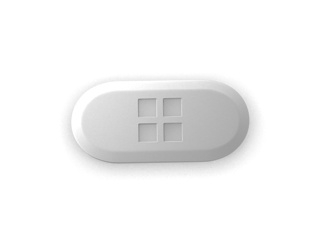
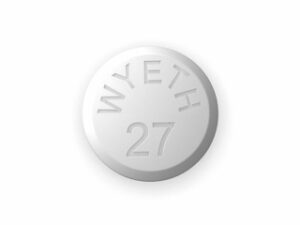
Aristocort (Triamcinolone) – Patient Information (Australia)
Aristocort is a brand of triamcinolone, a corticosteroid medicine used to reduce inflammation and calm an overactive immune response. It comes in different strengths and formulations, depending on the condition being treated. This guide is designed to help you understand how Aristocort works, what it’s used for, how it’s typically taken, and what to watch for.
If you have questions about which form/strength you have, or how to take it for your specific condition, speak with your pharmacist or prescriber.
Quick product overview
| Item | Information |
|---|---|
| Medicine name | Aristocort (Triamcinolone) |
| Medicine class | Corticosteroid (anti-inflammatory / immunosuppressant) |
| Common uses | Inflammatory and allergic conditions; asthma/airway inflammation; skin or joint inflammation (depending on formulation) |
| Typical direction of action | Reduces swelling, redness, itching, and immune-driven inflammation |
| Onset of action | Often days for sustained effect; some symptoms may improve sooner depending on site/formulation |
| Key cautions | Infection risk, stomach irritation/ulcers (with some corticosteroids), blood sugar effects, bone and eye effects with long-term use |
How Aristocort works (mechanism of action)
Triamcinolone belongs to the group of medicines called corticosteroids. In the body, corticosteroids mimic or enhance the actions of natural steroid hormones produced by the adrenal glands.
Aristocort works mainly by:
- Reducing inflammation by decreasing the release of inflammatory chemicals (including prostaglandins and leukotrienes).
- Suppressing immune responses that contribute to swelling, redness, itching, and tissue damage.
- Stabilising cell membranes and affecting immune cell activity to reduce “over-reaction” in airways, skin, or joints.
By interrupting multiple steps in the inflammatory process, corticosteroids can provide strong symptom relief when inflammation is the underlying driver.
Pharmacokinetics (absorption, distribution, metabolism, elimination)
“Pharmacokinetics” describes what the body does to a medicine—how it is absorbed, how it moves through the body, how it is processed, and how it is removed. Exact behaviour varies with the formulation of triamcinolone (for example, topical vs inhaled vs oral forms).
General patterns
- Absorption: Depends on route (mouth/intestinal absorption for oral forms; absorption through skin for topical forms; absorption in the lungs for inhaled forms).
- Distribution: Triamcinolone binds to plasma proteins and reaches tissues where it can reduce inflammation.
- Metabolism: Primarily processed by the liver (using enzymatic pathways).
- Elimination: Metabolites are cleared mainly through the kidneys.
Because corticosteroids can affect your body’s own steroid production, the duration and dose can influence how quickly your body returns to normal after stopping. This is one reason medicines like Aristocort may need tapering after extended or higher-dose use (see “Safety profile”).
Typical uses (indications)
Aristocort (triamcinolone) may be used for a range of inflammatory and immune-related conditions. The specific indication depends on the formulation and where the inflammation is occurring.
Common indications may include
- Allergic and inflammatory skin conditions (particularly where topical corticosteroids are appropriate).
- Inflammation in the airways, including some asthma-related inflammatory control when an inhaled corticosteroid is indicated (formulation-dependent).
- Inflammation and swelling in musculoskeletal conditions (for some injectable use, depending on clinical assessment).
- Inflammatory conditions involving immune activity where corticosteroids are part of standard management.
Your pharmacist or prescriber can help confirm the indication for your specific Aristocort product and how it fits into your treatment plan.
When it starts working and timing tips
Corticosteroids don’t always act instantly. Many people notice improvement within 24–72 hours, but more durable improvement can take several days to a couple of weeks, depending on:
- the condition being treated
- the formulation (topical, inhaled, oral, injection)
- the severity of symptoms
- your individual response
Practical timing guidance (general)
- Take oral doses at the time directed. Many regimens use morning dosing to better match your natural cortisol rhythm.
- Use topical treatments consistently (apply to affected areas only, in a thin layer unless instructed otherwise).
- Don’t miss doses—but if you do, follow your clinician’s guidance or check the medicine label for instructions.
If you’re using an inhaled form, timing may also relate to technique and whether it’s intended for daily control rather than quick relief. Ask your pharmacist for advice specific to your device.
Food interactions
Food interactions can vary by formulation. In general, corticosteroids may be better tolerated with food if they cause stomach discomfort. Some people notice nausea or indigestion after oral dosing—taking the dose with meals can help.
General tips
- Oral triamcinolone: If your product causes stomach irritation, consider taking it with food (unless the label instructs otherwise).
- Topical: Food doesn’t usually affect absorption for creams/ointments, but wash hands after use and avoid contact with eyes.
- Inhaled: Rinse your mouth after use to reduce the risk of oral thrush (formulation/device instructions may apply).
If you’re managing diabetes or blood sugar issues, note that corticosteroids can raise glucose levels, and timing around meals may be relevant. Discuss monitoring with your healthcare professional.
Alcohol interactions
Alcohol can increase the risk of stomach irritation and may worsen side effects such as mood changes, sleep disturbance, and reduced immune function in some people. While there is not always a strict “never” rule, it’s wise to:
- Limit alcohol, especially during longer courses or higher doses.
- Avoid heavy drinking, particularly if you have a history of ulcers, gastritis, liver disease, or are taking other medicines that affect the stomach.
If you’d like personalised advice about alcohol use, tell your pharmacist how much and how often you drink.
Interactions with other medicines
Triamcinolone can interact with several medicine groups, mainly through changes in liver metabolism, effects on blood sugar, or increased risk of side effects. The exact interactions depend on dose, duration, and route.
Important interaction examples
- Live vaccines: Corticosteroids at immunosuppressive doses may reduce vaccine effectiveness and can increase risk from live vaccines. Vaccination timing should be discussed with a healthcare provider.
- Non-steroidal anti-inflammatory drugs (NSAIDs) (e.g., ibuprofen, naproxen): combining may increase gastrointestinal risk, especially in people at higher risk of ulcers.
- Anticoagulants (blood thinners) (e.g., warfarin): corticosteroids can alter bleeding tendency in some cases; monitoring may be needed.
- Diabetes medicines: corticosteroids can raise blood glucose, sometimes requiring dose adjustments.
- Diuretics and electrolyte-affecting medicines: long-term corticosteroid use may affect potassium levels; your clinician may monitor electrolytes.
- Some antibiotics/antifungals and seizure medicines: may influence steroid levels by affecting liver enzymes. Examples can include certain antifungals and anticonvulsants—your pharmacist can check specifics for your medication list.
Tell your pharmacist about all medicines you use, including:
- over-the-counter products
- herbal supplements
- vitamins or weight-loss products
- skin products or eye drops (if relevant)
Dosing: what “typical dosing” can look like
Dosing depends on the condition, severity, the formulation, and your personal risk factors (such as infection susceptibility, diabetes, glaucoma, stomach ulcer history, and other medicines). Always use the schedule on the product label or as directed by your healthcare professional.
Key dosing principles
- Use the lowest effective dose for the shortest duration needed to control symptoms.
- Do not stop suddenly after prolonged use or high doses without medical advice. Abrupt cessation can risk adrenal insufficiency (your body may temporarily not make enough natural steroid).
- Tapering may be required for extended courses—your clinician will provide a plan.
What you may notice in practice (examples)
- Short courses for flare-ups may be prescribed for a set number of days, often with clear stop instructions.
- Longer-term control may use regular dosing, sometimes alternating or stepped down as symptoms improve.
If you tell us your formulation (e.g., cream/ointment, tablet, inhaler, or injection) and the strength written on your packaging, you can ask your pharmacist to explain exactly how your dose schedule is intended to work.
Safety profile: common side effects and serious warnings
Like all medicines, triamcinolone can cause side effects. Many people tolerate short courses well, while longer courses or higher doses carry a greater risk. Side effects depend strongly on dose, duration, and route.
Common side effects
- Increased appetite
- Stomach upset or indigestion (more common with oral dosing)
- Headache
- Changes in mood, sleep pattern, or energy levels
- Temporary fluid retention
Effects that matter for longer use or higher dose
- Infection risk: corticosteroids can reduce immune response, making infections more likely or masking symptoms.
- Blood sugar increase: may worsen diabetes or cause temporary high blood glucose.
- Bone effects: long-term use can contribute to bone thinning (osteoporosis) and increased fracture risk.
- Eye effects: increased risk of glaucoma and cataracts with prolonged use.
- Skin changes: thinning skin, easy bruising, or stretch marks (topical—especially with higher potency or prolonged use).
- Adrenal suppression: your body’s natural steroid production may reduce during prolonged therapy.
Seek urgent medical advice if you notice
- Signs of serious infection (fever, severe sore throat, unusual shortness of breath, worsening illness)
- Severe stomach pain, black stools, or vomiting blood
- Vision changes or severe eye pain
- Severe mood changes, agitation, confusion, or signs of allergic reaction (swelling of face/lips, rash, breathing difficulty)
When extra caution is needed
- History of diabetes or high blood sugar
- History of peptic ulcers or stomach bleeding
- Glaucoma or cataracts
- Ongoing or recurrent infections
- Treatment with other immunosuppressive medicines
- Pregnancy or breastfeeding (risk–benefit should be discussed with a healthcare provider)
Practical use tips (how to get the best results safely)
These tips are general guidance. Always follow the instructions on your product label and the advice given for your condition.
- Use it consistently: corticosteroids often work best when taken regularly as directed (especially for control of inflammatory conditions).
- Apply topical medicines properly: apply a thin layer to affected areas only, avoid broken skin unless advised, and wash hands after application.
- Don’t share: corticosteroids are specific medicines and dosing should match the individual condition and risk.
- Monitor your response: track symptom improvement and any side effects (sleep, appetite, mood, blood sugar).
- Recheck if not improving: if symptoms are not improving within the expected timeframe, contact your healthcare professional.
Adherence and stopping safely
If you are using Aristocort for more than a short period, talk to your prescriber or pharmacist about how to stop safely. The body’s normal steroid production may be affected after longer or higher-dose use, so tapering schedules are sometimes required.
Alternative options (what else may be considered)
Depending on the condition being treated, alternative medicines or strategies may include:
- Other corticosteroids in a different formulation or potency
- Non-steroidal anti-inflammatory or anti-allergy medicines (for specific conditions, depending on diagnosis)
- Immunomodulating medicines in chronic or severe inflammatory diseases (specialist-managed)
- Supportive therapies such as moisturisers for skin conditions, trigger avoidance, physiotherapy for musculoskeletal issues, or asthma action plans
Your pharmacist can help compare options, including how quickly they tend to work, typical side effects, and whether any alternatives may be safer for your personal situation.
Market and legal context in Australia (what it means for you)
Medicines containing corticosteroids such as triamcinolone are regulated under Australian medicines law. Access to specific products, strengths, and forms may be restricted depending on classification and clinical risk.
In Australia, supply through an online pharmacy typically requires confirmation of eligibility and appropriate screening steps to help ensure safe use. Your pharmacy may also request information to check for interactions and suitability.
Availability can vary by state and by product formulation. If a medicine is not immediately available, pharmacies may offer ordering options or suitable alternatives where appropriate and clinically appropriate.
Recent guidance and best-practice updates (Australia)
Healthcare guidance for corticosteroid use often emphasises:
- Using the lowest effective dose and reviewing the need for ongoing therapy regularly.
- Preventing infection where possible (recognising that steroid treatment can mask early symptoms).
- Monitoring long-term risks (bone health, eye checks, and blood sugar monitoring where relevant).
- Improving inhaler technique and mouth care for inhaled corticosteroids to reduce thrush risk.
While individual recommendations depend on your condition and local product label, these principles reflect common clinical best practice. If you’re unsure, ask your pharmacist to go through the specific instructions for your Aristocort product.
Delivery and availability (online pharmacy information)
Aristocort availability can vary depending on formulation and strength. Many online pharmacies in Australia provide:
- Ordering and dispatch within business days (subject to stock levels)
- Standard and express delivery options (delivery times depend on your location)
- Tracking and delivery updates via email or SMS
Storage: Keep the medicine in its original packaging, store at the recommended temperature on the label, and protect from moisture where applicable. If you are unsure about storage for your specific formulation, check the label or ask your pharmacist.
FAQ – Frequently asked questions
1) What is Aristocort used for?
Aristocort (triamcinolone) is used to reduce inflammation and immune-driven symptoms. The exact condition depends on the formulation (for example, topical, inhaled, oral, or injection).
2) How quickly will I feel better?
Some symptom relief may occur within 1–3 days, but for many inflammatory conditions the full benefit can take several days to weeks. The timeline depends on your diagnosis and the product form.
3) Can I take Aristocort with food?
For oral corticosteroids, taking with food may reduce stomach upset. For topical or inhaled forms, food interactions are usually not a major concern. Always follow your product label instructions.
4) Is it safe to drink alcohol while using Aristocort?
Light or occasional alcohol may be acceptable for some people, but alcohol can worsen stomach irritation and may affect sleep or mood. Limit alcohol—especially with longer courses or higher doses—and check with your pharmacist if you have a stomach ulcer history, liver disease, or other risk factors.
5) What medicines commonly interact with triamcinolone?
Interactions can include NSAIDs (stomach risk), diabetes medicines (blood sugar rises), anticoagulants (bleeding control), and some vaccines (live vaccines may be affected). Your pharmacist can check interactions based on your exact medication list.
6) What should I do if I miss a dose?
Check the instructions on your label or ask your pharmacist for guidance. In many cases, a missed dose is taken when remembered unless it’s near the next dose—do not double up unless instructed.
7) Should I stop Aristocort suddenly?
If you have been using Aristocort for more than a short time, do not stop suddenly without medical advice. Your body may reduce natural steroid production, so a taper may be needed.
8) Can Aristocort make infections worse?
Corticosteroids can reduce immune response, making infections more likely or less obvious. Seek medical advice promptly if you develop fever, worsening symptoms, or signs of a serious infection.
9) Does Aristocort affect blood sugar?
Yes. Corticosteroids can raise blood glucose levels. If you have diabetes or pre-diabetes, monitor your levels and discuss any needed adjustments with your healthcare professional.
10) Are there alternatives to Aristocort?
Alternatives depend on what condition you’re treating. Options may include other corticosteroid products, non-steroidal treatments, or other anti-inflammatory or immune-modulating medicines. A pharmacist can help discuss suitable alternatives for your situation.
Remember: Aristocort is effective for many inflammatory conditions, but safe use depends on the right dose, duration, and monitoring for side effects. If you are unsure about how to take your specific Aristocort product—or you have concerns about interactions—ask your pharmacist for advice.