
Rogaine (Minoxidil) – Patient Guide (Australia)
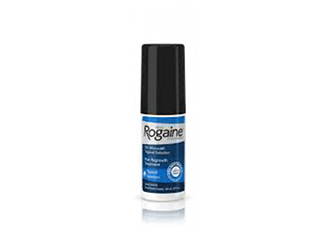
Rogaine is a brand of minoxidil, a medicine used to treat hair loss. It is commonly used for thinning hair on the scalp and can also be used (off-label in some settings) for certain other patterns of hair loss, depending on local guidance. This page explains how Rogaine works, how it’s used, what to expect, and important safety information for people in Australia.
Key points
- Active ingredient: Minoxidil
- Common forms: Topical solution or foam (strength varies)
- How it works: Helps prolong the growth phase of hair follicles
- Results take time: Typical early changes begin after several months
- Safety matters: Possible side effects include scalp irritation and, rarely, effects on blood pressure/heart
1) Basic Product Information
Rogaine (minoxidil) is applied directly to the scalp (or, in some circumstances, to the area of hair loss) as a topical treatment. It is intended for people with pattern hair loss, particularly androgenetic alopecia (male or female pattern thinning).
Common strengths available in Australia (may vary by product and retailer):
- 2% minoxidil (often used for women, depending on product and advice)
- 5% minoxidil (often used for men, and sometimes for women under guidance)
Note: Always check the exact strength and formulation (solution vs foam) on the specific pack you purchase.
2) How Rogaine Works (Mechanism of Action)
Minoxidil works by affecting hair follicles in the treated area. While the precise mechanism is still being studied, topical minoxidil is believed to:
- Increase blood flow within the hair follicle area
- Open potassium channels and influence cell signalling involved in follicle growth
- Shorten the resting phase (telogen) of the hair cycle and prolong the growth phase (anagen)
- Support follicle size and reduce miniaturisation in androgenetic alopecia
The result is not immediate regrowth. Instead, minoxidil helps shift follicles toward producing thicker, more sustainable hair over time.
3) Pharmacokinetics (What the Body Does to Minoxidil)
With topical minoxidil, absorption through the scalp is generally limited, but enough can occur to influence the body in some situations. Overall, systemic exposure is lower than with oral minoxidil.
Absorption
- Absorption varies depending on skin condition, the amount applied, and whether the scalp is irritated or inflamed.
- Greater absorption may occur if the product is applied to broken skin or used on large areas.
Distribution, Metabolism, Excretion
- Minoxidil is metabolised primarily to minoxidil metabolites (including minoxidil N-oxide).
- It is cleared mainly through renal excretion (via the kidneys).
Practical takeaway: Even though it is applied locally, using the correct amount and avoiding use on damaged scalp helps reduce the chance of systemic side effects.
4) Typical Use and Indications
Rogaine is used for androgenetic alopecia (pattern hair loss). The most common use cases include:
- Men: thinning at the crown and/or frontal hairline
- Women: diffuse thinning on the scalp (often with less frontal hairline involvement)
Not for: sudden patchy hair loss (such as alopecia areata), complete hair loss, or hair loss from other causes (e.g., scalp infections) unless specifically advised.
If you are unsure about the cause of hair loss, consider medical assessment. Treating the wrong condition can delay the right care.
5) Dosing: How to Apply Rogaine
Follow the instructions on the product label and the dosing schedule for your specific strength and formulation. The advice below provides general guidance commonly used with minoxidil topical products.
General dosing principles
- Apply to the scalp (dry scalp is usually recommended).
- Use only the recommended amount for your formulation and strength.
- Do not increase frequency or volume to “speed up” results.
- Wash hands after application.
Typical application schedules
| Product strength & form | Typical frequency | Application notes |
|---|---|---|
| 2% minoxidil (solution) | Usually twice daily | Part hair and apply to scalp thinning areas; avoid letting product run onto face. |
| 5% minoxidil (solution) | Usually once daily or twice daily depending on label | Use the labelled dose; follow the pack instructions carefully. |
| Minoxidil foam (strength varies) | Often once daily (commonly for certain strengths) depending on label | Foam may be less prone to dripping; allow to dry before styling. |
Important: Some products and regions provide different dosing regimens. Always rely on the directions printed on your specific Rogaine pack.
6) Timing: When Will You See Results?
Hair growth cycles take time. Minoxidil works by influencing the hair follicle cycle, so results are gradual.
- First 2–8 weeks: You may not notice improvement. Some people experience initial shedding.
- Around 3–4 months: Early signs of thickening may appear.
- 4–6 months: Noticeable improvements are often seen if treatment is effective.
- 6–12 months: Best results commonly develop with ongoing consistent use.
Initial shedding (shedding phase): It’s common to see increased shedding early on. This may represent older hairs making way for new growth. However, if shedding is severe or accompanied by irritation, stop and seek advice.
Stopping treatment: If you stop using minoxidil, newly grown hair usually gradually falls out and the pattern of thinning returns over time.
7) Food Interactions
Because Rogaine is applied to the scalp, it has minimal direct interaction with food. There are no typical food-related restrictions for topical minoxidil.
However, follow general health guidance:
- Maintain adequate nutrition (including iron and protein) if you’re experiencing hair thinning.
- If you have dietary restrictions or recent changes, discuss with a clinician—hair loss can have multiple causes.
8) Alcohol and Medicine Interactions
Alcohol
Some minoxidil topical formulations contain ingredients that may include alcohol (check your product label). Using alcohol-containing products as directed on the skin is usually acceptable for most people, but:
- If you notice burning, dryness, or irritation, reduce contact with face/eyelids and consider switching formulation (foam vs solution) if available.
- Avoid applying near the eyes or mucous membranes.
Systemic alcohol intake is not generally known to directly interact with topical minoxidil, but heavy alcohol use can affect overall health and may contribute indirectly to hair issues.
Interactions with other medicines
Topical minoxidil has limited systemic absorption, but interactions may still occur—especially in people with sensitive cardiovascular health.
- Blood pressure medicines: In theory, minoxidil may add to blood pressure-lowering effects. Monitor for dizziness/light-headedness.
- Other topical irritants: Using multiple scalp products that irritate the skin can increase redness, itching, and absorption.
- Scalp conditions and treatments: If you use strong medicated scalp treatments, allow the scalp to stabilise and follow product instructions.
If you are taking medications for heart rhythm, blood pressure, or other cardiovascular conditions, it is wise to review safety with a healthcare professional before starting or continuing.
9) Safety Profile and Side Effects
Rogaine is generally well tolerated when used as directed. Most side effects are local (scalp-related). Rarely, minoxidil can cause systemic effects (e.g., changes in blood pressure), particularly with overuse or high absorption.
Common side effects (scalp/local)
- Dryness, flaking
- Itching or irritation
- Redness or burning sensation
- Contact dermatitis
- Increased shedding early in treatment
Less common/systemic side effects
- Headache
- Dizziness or light-headedness
- Swelling (e.g., ankles/feet) in rare cases
- Palpitations (awareness of heartbeat)
- Changes in blood pressure
Seek urgent medical help if you experience
- Chest pain
- Fainting or severe dizziness
- Sudden shortness of breath
- Severe allergic reaction (swelling of face/lips, trouble breathing)
Do not use more than recommended. Over-application increases the risk of side effects.
10) Practical Use Tips (How to Get the Best Results)
Prepare the scalp
- Use on a dry scalp unless your specific product instructions say otherwise.
- Part hair carefully and apply only to thinning areas.
Apply correctly
- Do not let the product run onto your face, forehead, or eyelids.
- Use the labelled dose—avoid “extra” to speed up progress.
- Let it dry before wearing a hat or using styling products.
Wash hands
- Wash thoroughly after application to avoid accidental transfer to eyes, mouth, or other body areas.
Managing irritation
- If irritation is mild, you may tolerate it initially, but persistent redness/itching should be assessed.
- Switching from solution to foam can help some people because foam may be less likely to drip and may be gentler.
- Avoid applying immediately after harsh shampooing or chemical hair treatments.
Consistency matters
- Use daily at roughly the same time(s).
- Missed applications are usually not dangerous, but consistent use improves the likelihood of results.
11) Alternative Options
Depending on your diagnosis and preference, other treatments may be considered alongside or instead of topical minoxidil. Options often include:
- Other minoxidil products (different brands or formulations)
- Oral or other systemic therapies for specific types of hair loss (availability varies; suitability depends on medical history)
- Low-level laser therapy (LLLT) or devices designed for hair growth
- Microneedling protocols (performed safely and appropriately; not suitable for everyone)
- Hair transplantation for long-term restoration in appropriate cases
- Addressing underlying causes (iron deficiency, thyroid issues, scalp inflammation, medication-related hair changes)
If your hair loss is new, rapidly worsening, or associated with scalp pain or scaling, seek advice to confirm the cause before switching approaches.
12) Rogaine in Australia: Market and Legal/Regulatory Context
In Australia, topical minoxidil products are available through pharmacy channels and retailers in line with local regulatory frameworks. Availability and pack formats can change over time. When purchasing online, ensure you buy from reputable sources and verify the product matches your required strength and formulation.
Recent guidance (general trends): Healthcare professionals commonly emphasise:
- Using the product exactly as directed
- Setting expectations that results take months
- Monitoring for scalp irritation
- Stopping and seeking advice if severe side effects occur
Quality and authenticity: Choose legitimate stockists, check expiry dates, and avoid unknown “grey market” suppliers. This helps ensure product integrity and consistent dosing.
13) Delivery and Availability (Online Pharmacy)
Rogaine minoxidil products are typically available through pharmacy websites in Australia, subject to stock levels and product demand. Delivery timeframes vary based on location and chosen shipping method.
- Stock confirmation: Product listings usually show availability; if temporarily out of stock, restock dates may be provided.
- Packaging: Orders are generally packed securely to protect bottles/dispensers and prevent leakage.
- Discreet delivery: Many pharmacies offer discreet packaging to protect privacy.
Tip: If you are starting treatment, consider purchasing a supply that matches your expected treatment timeline—hair regrowth is a long-term process.
14) FAQ (Frequently Asked Questions)
1. Is Rogaine the same as minoxidil?
Yes. Rogaine is a brand name containing minoxidil. Different packaging may contain different strengths (commonly 2% or 5%). Always check the active ingredient and strength on your product label.
2. How long do I need to use Rogaine before seeing results?
Many people notice changes after 3–4 months, with better results typically over 6–12 months of consistent use.
3. Will Rogaine stop hair loss immediately?
Rogaine is not usually immediate. It works gradually by supporting hair follicles. Continued use helps maintain gains, while stopping often leads to loss of newly grown hair over time.
4. Why do I shed more hair at the beginning?
Early shedding can occur when minoxidil shifts follicles into a new growth cycle. This is often temporary. If shedding is severe or accompanied by significant irritation, consider pausing and seeking advice.
5. Can I use Rogaine on a wet scalp or after showering?
Many minoxidil products work best on a dry scalp. Follow the instructions on your specific pack. If your product directions allow use after a shower, let the scalp dry sufficiently first.
6. Can I wash my hair soon after applying?
Generally, you should allow the product to dry before washing or styling. Check your product label for the exact timing. Avoid applying then immediately washing the scalp.
7. What if it gets on my face or neck?
Wipe off gently if it spreads. Avoid contact with eyes and eyelids. If you experience facial irritation, consider switching to foam and applying more carefully using parting and targeted application.
8. Can I drink alcohol while using Rogaine?
There is no well-known direct alcohol interaction for topical use at recommended doses. If your product contains alcohol (check the label) and you are irritated, consider changing formulation. If you develop dizziness or palpitations, seek medical advice.
9. Are there medicines I should be cautious with?
If you take treatments for blood pressure or cardiovascular conditions, discuss safety with a healthcare professional. Avoid combining with other scalp irritants unless advised.
10. Who should avoid using Rogaine?
Minoxidil topical should not be used if you have contraindications specific to the product label or you have experienced a serious reaction to minoxidil. If you are pregnant or breastfeeding, consult appropriate guidance before use. Always read the leaflet inside the pack.
11. Can women and men use Rogaine?
Some products are commonly used by men and others by women, but both sexes may be able to use minoxidil topical treatments depending on product strength and suitability. Follow the label directions and local advice.
12. Is there a “best” formulation—solution or foam?
Foam is often preferred by some users because it may be less likely to drip and can feel less sticky. Solution may be useful and effective when applied carefully. Choose what suits your scalp comfort and application habits.
15) When to Get Further Advice
Consider seeking medical or pharmacist advice if:
- You have new or rapidly progressing hair loss
- Hair loss is accompanied by scalp pain, significant scaling, or bleeding
- You develop persistent redness, swelling, rash, or severe itching
- You notice possible systemic effects such as dizziness or palpitations
- You do not see any benefit after 6 months of correct use
Hair loss can have many causes, and the most effective plan often depends on identifying what’s driving it.
Disclaimer: This information is provided for general patient education and does not replace the instructions in your product pack. If you have questions about whether minoxidil is suitable for you, consult a healthcare professional or pharmacist in Australia.