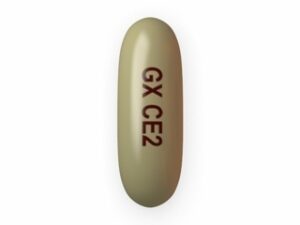

Propecia® (Finasteride) — Patient Information (Australia)
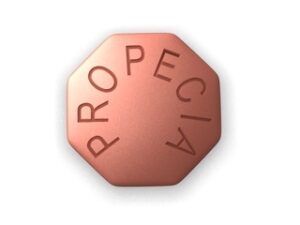
Propecia® contains finasteride, a medicine used to treat certain hormone-related hair problems in men and (in some countries/clinical settings) for enlarged prostate conditions. This page explains what Propecia is, how it works, how it’s used, and what you should know about safety, interactions, and practical tips.
This information is designed to be patient-friendly and general in nature. Always follow the instructions provided with your medicine and speak to a healthcare professional if you have any questions—especially if you have other medical conditions or take other medicines.
Basic product information
| Item | Details |
|---|---|
| Medicine | Propecia® |
| Active ingredient | Finasteride |
| Strength commonly used for hair loss | 1 mg tablets |
| Medicine type | 5α-reductase inhibitor (anti-androgen effect) |
| Where it’s used | Typically androgenetic alopecia (male pattern hair loss) |
| How it’s taken | Oral tablets once daily (exact directions may vary) |
What is male pattern hair loss, and how does Propecia help?
Male pattern hair loss is commonly influenced by hormones. In the scalp, the hormone testosterone can be converted into dihydrotestosterone (DHT) by an enzyme called 5α-reductase. DHT is thought to contribute to shrinking of hair follicles, leading to thinning and eventual hair loss over time.
Propecia reduces the formation of DHT, which can help slow hair thinning and may support regrowth in some men.
Mechanism of action
Finasteride inhibits the enzyme 5α-reductase—particularly the type that produces DHT in tissues such as the scalp.
- Less DHT is formed from testosterone.
- Hair follicle miniaturisation may be slowed, helping preserve existing hair density.
- Some people may see regrowth and improvements in hair thickness over time.
Pharmacokinetics (how your body processes it)
Pharmacokinetics describes absorption, distribution, metabolism, and elimination.
- Absorption: Finasteride is absorbed after oral dosing. It reaches peak blood levels within a few hours (commonly around 1–2 hours).
- Distribution: It distributes into body tissues, including those influenced by DHT formation.
- Metabolism: Finasteride is metabolised primarily in the liver.
- Elimination: It is cleared from the body with a terminal half-life of roughly several hours (commonly reported around 5–6 hours). The medicine’s effects persist because DHT suppression continues beyond individual dosing.
Typical use
Propecia is used in men to treat androgenetic alopecia (male pattern hair loss). It may help:
- Slow hair loss progression
- Increase hair density in some individuals
- Improve appearance of thinning at the crown and/or hairline
Results vary. Hair growth is gradual, and benefit—if it occurs—usually becomes clearer after several months of consistent use.
Indications (what it is used for)
In Australia, Propecia (finasteride 1 mg) is generally indicated for male pattern hair loss. Some other finasteride strengths are used for prostate-related conditions; however, Propecia 1 mg is specifically associated with hair loss treatment.
If you’re unsure whether your product is intended for hair loss or another condition, check the label and any patient information leaflet provided with your supply.
Dosing and how to take Propecia
A commonly used regimen for hair loss is one tablet (1 mg) once daily.
Important: Follow the dosing instructions supplied with your medicine. Do not increase your dose to try to improve results faster.
Starting dose
- Usual dose: 1 mg by mouth once daily
- Missed dose: Take it when you remember on the same day. If you remember the next day, skip the missed dose and resume your usual schedule. Do not take double doses.
How long it takes to work (timing)
The hair cycle is slow. Expect gradual changes rather than immediate effects.
- First 3 months: Some people notice little difference initially.
- 3–6 months: Early signs of stabilisation or reduced shedding may appear.
- 6–12 months: More noticeable improvement may occur in responsive individuals.
- After 12 months: Ongoing benefits may be seen, and progress can be reassessed.
If you stop treatment, the medication’s effect on DHT gradually decreases and hair loss may resume over time.
Food interactions and taking with meals
Finasteride can be taken with or without food. Food is not generally expected to significantly alter its effectiveness.
- If taking with food helps you remember, you may take it after meals.
- Try to take it around the same time each day for consistency.
Alcohol interactions
Alcohol is not known to have a specific dangerous interaction with finasteride. However, alcohol can affect overall health, sleep, and adherence to treatment.
If you drink alcohol, consider:
- Moderation for general safety
- Whether drinking affects any side effects you notice
- Avoiding excessive alcohol if you experience dizziness or other symptoms
Medicine interactions (important)
Most people do not experience major drug interactions with finasteride. Nonetheless, it’s important to consider other medicines you may be taking.
General interaction guidance
- Tell your pharmacist or doctor about all medicines and supplements you use, including herbal products.
- Keep an up-to-date list of your medicines.
- Do not start new medicines without checking for possible interactions.
What’s known about metabolism-related interactions
Finasteride is metabolised in the liver. In theory, medicines that strongly affect liver enzymes could alter levels. In practice, clinically significant interactions with finasteride are uncommon for many common medicines.
Examples of medicines to mention
Please discuss with a healthcare professional if you take:
- Medicines for fungal infections (some azoles)
- Medicines for seizures (some anticonvulsants)
- Antiretroviral medicines
- Other hormonal therapies
- Herbal supplements that claim hormone effects (e.g., high-dose saw palmetto products)
If you’re unsure, it’s safer to ask before combining therapies.
Safety profile: what to expect and when to seek help
Like all medicines, Propecia can cause side effects. Many men tolerate it well, but it’s important to understand possible risks.
Commonly reported side effects
- Reduced libido (sex drive)
- Erectile dysfunction
- Changes in ejaculation (e.g., reduced volume)
- Breast tenderness or enlargement
These effects, when they occur, may improve after stopping treatment. However, some individuals report persistence—so discuss any ongoing concerns promptly with a healthcare professional.
Other potential side effects
- Rash or itching
- Hypersensitivity reactions (rare)
- Depressed mood or mood changes (reported in some people)
- Testicular pain or discomfort (reported in some cases)
Serious symptoms—get urgent medical advice
Seek urgent care or medical attention if you experience:
- Swelling of the face, lips, tongue, or throat
- Difficulty breathing or severe rash
- Severe or persistent breast lumps or discharge
- Severe pain in the testicles
- Any other severe or rapidly worsening symptoms
Pregnancy warning (for partners and handling tablets)
Propecia must be handled carefully around pregnancy. Finasteride can harm an unborn male fetus if exposure occurs during pregnancy.
- Do not allow crushed or broken tablets to contact a pregnant person.
- If tablets are damaged, follow safe handling guidance from your pharmacy and product information.
- Proper storage is important—keep tablets out of reach of children and in their original packaging.
Practical use tips for best results
- Be consistent: Take it daily at the same time.
- Give it time: Evaluate progress after at least 6–12 months.
- Track your hair: Consider monthly photos in the same lighting/angle to monitor change.
- Don’t panic early: Shedding patterns can vary during the first few months.
- Combine with proven options: Some people use topical minoxidil alongside finasteride (if appropriate). Discuss combinations with a clinician.
- Manage expectations: Propecia may stabilise hair loss and support regrowth, but it doesn’t guarantee full restoration.
Stopping Propecia
If you stop taking finasteride, DHT levels gradually return toward baseline and the medication’s hair-support benefits may diminish. Hair loss may progress again over time.
If you want to stop, consider discussing it with your pharmacist or doctor—especially if you have experienced side effects.
Alternative options for male pattern hair loss
Depending on your hair loss pattern and preferences, other treatments may be considered. Alternatives include:
- Topical minoxidil (where suitable): can help stimulate hair growth and slow thinning.
- Low-level laser therapy (LLLT) devices: some people use them alongside other treatments.
- Hair transplantation: surgical option for suitable candidates.
- Cosmetic options: styling techniques, hair fibres, or scalp coverage.
- Other medical therapies: a clinician may consider different approaches based on individual circumstances.
A pharmacist or dermatologist can help you compare benefits, timing, and side effects for different options.
Market and legal context for Australia
In Australia, availability and prescribing rules can vary by product strength and indication. Finasteride products used for hair loss are regulated medicines. The process of obtaining and supplying medicines must comply with Australian pharmaceutical laws and quality standards.
If you’re purchasing online, use an Australian-licensed pharmacy and ensure the product you receive matches the intended medicine and strength. Check for:
- Clear product identification and strength
- Genuine packaging and expiry date
- Proper storage conditions
- Accurate patient information included with the supply
Recent guidance and important updates (general)
Guidance for hair loss medicines can evolve as new safety information and prescribing standards are reviewed. For the most up-to-date advice, it’s best to:
- Check information included with your medicine
- Ask your pharmacist about current Australian product information and safety considerations
- Report side effects promptly to a healthcare professional
If you have questions about suitability, side effects, or monitoring, discuss them before starting or continuing treatment.
Delivery and availability (online pharmacy)
Propecia (finasteride) may be available through reputable online pharmacies in Australia depending on regulatory requirements and product classification. Delivery options typically vary by state and suburb.
- Packaging: Medicines should be shipped in secure, tamper-evident packaging.
- Storage on arrival: Store tablets as directed on the label (generally at room temperature, away from moisture and heat).
- Tracking: Many pharmacies provide tracking information for deliveries.
- Processing time: Online orders may take additional time for verification and dispatch.
If your order is delayed or incorrect, contact the pharmacy promptly with your order details.
FAQ
1) Who can use Propecia?
Propecia is used for male pattern hair loss in men. If you’re not sure whether finasteride 1 mg is appropriate for you, speak to a healthcare professional.
2) How quickly will I see results?
Hair changes are gradual. Many people do not notice meaningful results until 3–6 months, with more noticeable improvement after 6–12 months. Consistent daily use is important.
3) Can I stop and start Propecia?
Stopping reduces DHT suppression and hair support benefits may fade. If you stop due to side effects or concerns, discuss your options with a healthcare professional rather than changing your routine without guidance.
4) Does Propecia work for everyone?
Not everyone responds. Some men experience stabilisation, some see improvement, and others may see limited benefit. Your pattern of hair loss, duration of thinning, and genetics influence outcomes.
5) Is Propecia safe?
Many men tolerate finasteride well, but side effects can occur—particularly sexual side effects, and occasionally breast tenderness/enlargement. Seek medical advice if you experience concerning symptoms.
6) Can women take Propecia?
Propecia is intended for men for male pattern hair loss. Women who are pregnant or may become pregnant must avoid exposure to finasteride tablets. If you are considering finasteride for any reason, consult a healthcare professional for suitability.
7) What should I do if I miss a dose?
Take it as soon as you remember on the same day. If you remember the next day, skip the missed dose and resume your usual schedule. Do not take a double dose.
8) Can I take Propecia with food?
Yes. Finasteride can generally be taken with or without food. For convenience, you may choose a time that suits your routine.
9) Are there alcohol interactions?
No specific dangerous interaction is generally expected between finasteride and alcohol, but moderation is recommended for overall health and well-being.
10) What about other medicines and supplements?
It’s important to tell your pharmacist about all medicines and supplements you use, including herbal products. While major interactions are uncommon, checking is the safest approach.
11) Will Propecia affect lab tests like PSA (prostate test)?
Finasteride can influence PSA levels in some contexts, particularly at different doses used for prostate conditions. If PSA testing is relevant to you, inform your clinician that you are taking finasteride so results can be interpreted appropriately.
12) What practical steps improve treatment success?
Take it daily, be patient with timing, and monitor progress with consistent photos. If you combine treatments (for example, minoxidil), discuss your plan with a healthcare professional.