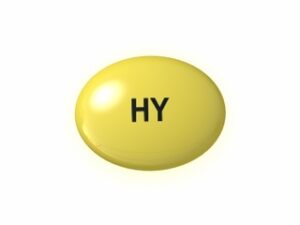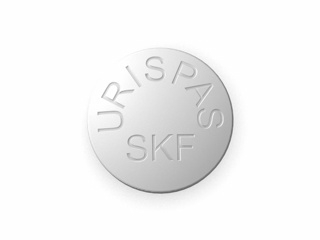


Urispas® (Flavoxate Hydrochloride)
Urispas is a medicine used to help relieve symptoms related to an overactive or irritated bladder. It contains flavoxate hydrochloride, which works by targeting bladder muscle activity and reducing bladder spasms. This information is designed to help you understand how Urispas may help, how to take it safely, and what to consider before and during treatment.
Basic product information
| Category | Details |
|---|---|
| Brand name | Urispas® |
| Active ingredient | Flavoxate hydrochloride (HCl) |
| Common use | Relief of bladder spasms and overactive bladder–type urinary symptoms |
| How it is taken | Oral tablets (follow pack instructions or your healthcare professional’s advice) |
| Typical onset | May start helping within hours; full benefit may take a few days depending on cause |
| Important note | Symptoms such as burning and frequent urination can also be caused by infection, stones, or other conditions—seek medical advice if symptoms persist or worsen |
If you are unsure whether your symptoms are consistent with a bladder spasm/irritation, it is important to get the right assessment. Urinary symptoms can have many causes, and the best treatment depends on the underlying problem.
How Urispas works (mechanism of action)
Urispas contains flavoxate, an antispasmodic-type medicine used for urinary tract symptoms associated with bladder overactivity. It helps to reduce involuntary bladder contractions (spasms) and may relieve urgency and frequency linked to bladder irritability.
While it does not treat the root cause of infection or structural problems in the urinary tract, it can help reduce the discomfort of bladder muscle hyperactivity, such as:
- Urinary urgency
- Frequent urination
- Bladder discomfort/spasms (sometimes felt as cramping or tightness)
If your symptoms are caused by a urinary tract infection (UTI), Urispas may not be sufficient on its own. Burning, fever, back pain, or blood in urine require prompt medical attention.
Pharmacokinetics (how the body handles flavoxate)
“Pharmacokinetics” refers to the journey of the medicine through your body: absorption, distribution, metabolism, and excretion. Understanding this can help you appreciate why timing matters.
Absorption
After oral dosing, flavoxate is absorbed from the gastrointestinal tract. The degree of absorption can vary between people. Taking it consistently at the same times each day supports more predictable symptom control.
Metabolism
Flavoxate is metabolised in the body. Metabolism helps convert the active compound into other forms that may be excreted.
Excretion
The metabolites are eliminated primarily via the kidneys. This is one reason urinary symptoms and kidney function are relevant when considering safe use.
Duration of effect
The clinical effect of bladder symptom relief depends on the timing of doses and how your body responds. If symptoms do not improve after a short period, it is important to reassess the diagnosis rather than simply continuing longer without guidance.
Indications (what Urispas is used for)
Urispas is commonly used to help relieve bladder-related symptoms such as:
- Bladder spasms and associated discomfort
- Urinary urgency (a sudden, hard-to-delay need to urinate)
- Increased urinary frequency
- Symptoms of bladder irritability where spasms play a role
Important: These symptoms can overlap with other conditions (for example, UTIs, interstitial cystitis/bladder pain syndrome, kidney stones, prostate issues, or irritation from caffeine and certain foods). If you suspect infection or you have red-flag symptoms, do not rely solely on bladder spasm relief—seek medical advice.
Dosing and timing
Always follow the dosing instructions provided with your product pack. Doses may vary by strength and patient factors. If you are unsure, check the label or ask a pharmacist.
Typical adult use
Urispas is generally taken orally in divided doses across the day. Many people start with a regular schedule to maintain symptom control. A common approach is to take it several times daily at evenly spaced intervals.
Example timing approach (illustrative): If your pack or clinician instructions specify multiple daily doses, aim for spacing such as morning, midday, afternoon, and evening—unless the label indicates otherwise.
How long to try it
- If Urispas is appropriate for your condition, you may notice improvement within the first few doses.
- If symptoms persist or significantly worsen, consider getting your symptoms reviewed to confirm the cause.
- Do not ignore warning signs such as fever, worsening pain, blood in urine, or inability to urinate.
Missed dose
If you miss a dose, take it when you remember unless it is close to your next dose. Do not take double the dose to make up for a missed tablet.
Children and adolescents
Use in children should be based on age-appropriate guidance and product directions. If Urispas is being considered for a child, it’s best to discuss with a pharmacist or healthcare professional to confirm suitability and dosing.
Food, alcohol, and medicine interactions
Food interactions
There are no widely known, dramatic food interactions for flavoxate in typical use. However, food can still affect comfort and absorption for some people.
- To support consistency, take Urispas the same way each day (for example, always with or always after food), if your pack advises it.
- If you experience stomach upset, consider taking it after meals.
- A balanced approach to bladder-friendly habits may improve symptoms (for example, reducing bladder irritants).
Alcohol
Alcohol can irritate the bladder and may worsen urgency or frequency for some people. Alcohol may also increase dizziness or unsteadiness in those sensitive to medicines.
Practical advice: Limit or avoid alcohol while your symptoms are active, and pay attention to whether alcohol makes urgency or discomfort worse.
Medicine interactions
Interactions depend on your current medicines and health conditions. Tell your pharmacist or doctor about all medicines you use, including:
- Other bladder medicines
- Medicines with anticholinergic effects (which can cause dry mouth, constipation, or blurred vision)
- Sedatives, sleep medicines, or medicines that cause drowsiness
- Any medicines for anxiety or depression
- Other medicines used for urinary symptoms or muscle spasm
While flavoxate’s main action is on bladder spasm and irritability, it can still contribute to side effects such as dizziness in some people. Avoid combining with other drowsiness-causing medicines unless discussed with a healthcare professional.
When to seek advice promptly
Contact a healthcare professional if you notice new or worsening symptoms after starting Urispas, particularly if you also have fever, back pain, vomiting, blood in urine, or trouble urinating.
Safety profile and precautions
Most people tolerate Urispas well when used as directed. However, like all medicines, it can cause side effects and may not be suitable for everyone. The sections below highlight key precautions to help you use Urispas safely.
Common side effects
Side effects can vary by person. If any side effect is bothersome or persistent, discuss it with a pharmacist.
- Dizziness or light-headedness
- Headache
- Gastrointestinal discomfort (such as nausea or indigestion)
- Dry mouth in some people
- Blurred vision (less commonly)
Serious side effects (seek urgent help)
Get medical help immediately if you experience signs of a severe allergic reaction or other urgent conditions, such as:
- Swelling of the face, lips, tongue, or throat
- Difficulty breathing or wheezing
- Severe rash or blistering skin
- Severe worsening of urinary retention or inability to urinate
- High fever, severe flank/back pain, or blood in urine
Who should be cautious
Discuss use with a pharmacist or healthcare professional if you have any of the following:
- Kidney problems or significant reduction in kidney function
- Glaucoma (or history of eye pressure problems)
- Severe constipation or bowel obstruction risk
- Urinary retention or conditions that make emptying the bladder difficult
- You are elderly and are more sensitive to dizziness or dry mouth
Pregnancy and breastfeeding
If you are pregnant, planning pregnancy, or breastfeeding, it is important to get professional advice about whether Urispas is appropriate. Benefits and risks can differ depending on the stage of pregnancy, symptom severity, and your health history.
Driving and using machines
Because dizziness can occur, use caution when driving or operating machinery—especially when starting treatment or increasing doses. If you feel dizzy or your vision is affected, avoid these activities.
Missed doses and overdose
- Missed dose: take when remembered unless close to next dose; do not double.
- Overdose: if you suspect too much has been taken, seek urgent advice immediately (for example, contact Poisons Information Centre in Australia).
Practical use tips for better symptom control
Urispas helps with bladder spasm and irritability, but supportive strategies can make a big difference—especially when symptoms are triggered by lifestyle factors.
Supportive bladder habits
- Hydration: drink water regularly rather than large amounts at once.
- Bladder irritants: reduce caffeine (coffee, tea, energy drinks), alcohol, and very acidic drinks if they worsen urgency.
- Timed toileting: try scheduled trips to the bathroom to reduce urgency episodes.
- Warmth: some people find a warm compress soothing for bladder discomfort.
- Manage constipation: constipation can aggravate bladder symptoms—aim for regular bowel habits.
When to reassess
If you are using Urispas and symptoms are not improving, consider that the underlying cause might be different. Seek medical advice if:
- Symptoms persist beyond a short trial period
- You develop fever, back pain, or vomiting
- Your urine contains blood or becomes unusually cloudy with strong odour
- You have severe pain or new urinary retention
Track your symptoms
A simple symptom diary can help identify triggers and judge response. Note:
- Number of voids per day
- Urgency episodes and severity
- Any triggers (caffeine, alcohol, certain foods, stress)
- Any side effects after taking Urispas
Alternative options
Depending on the cause of urinary symptoms, other treatments may be more effective than an antispasmodic alone. Alternatives include bladder-specific medicines, infection treatment if indicated, and non-medicine strategies.
Other bladder symptom treatments
- Antimuscarinic medicines used for overactive bladder (may cause dry mouth, constipation, blurred vision)
- Beta-3 agonists (in some cases, for overactive bladder)
- Local therapies for specific populations (for example, vaginal oestrogen for some menopausal urinary symptoms)
- Non-drug approaches such as bladder training, pelvic floor exercises, and lifestyle modifications
If infection is present
If your symptoms are due to a UTI, appropriate treatment is required. Urispas may help with discomfort but does not replace infection management.
Bladder pain syndrome considerations
For conditions such as bladder pain syndrome/interstitial cystitis, management often requires a longer, multi-approach plan. If your symptoms are chronic or recurring, discuss assessment options with a healthcare professional.
Market and legal context for Australia
In Australia, availability and supply of medicines are regulated to support safe use. Product classification, supply arrangements, and required information can vary by strength and formulation. When purchasing online, it’s important to choose a legitimate pharmacy that complies with Australian requirements for dispensing and supply.
Urispas contains flavoxate HCl and is intended for bladder symptom relief where appropriate. Pharmacy guidance may include checking suitability, reviewing medical history, and advising on when to seek further assessment.
Recent guidance and best-practice considerations
In recent years, health systems have emphasised:
- Correct diagnosis of urinary symptoms (to distinguish bladder spasm/overactivity from infection or other causes)
- Patient-centred advice about when symptoms warrant urgent review
- Clear medication safety information including side effects and interaction awareness
If you are experiencing urinary symptoms, consider whether you need clinical assessment—particularly if this is not a familiar pattern for you.
Delivery and availability (Australia)
Online pharmacies typically offer a range of products including commonly used bladder symptom medicines. Availability can vary depending on stock levels and supplier scheduling.
- Dispatch times: may vary by day and location
- Delivery estimates: depend on your postcode and courier service
- Packaging: medicines are usually shipped in protective packaging to maintain integrity
- Customer support: most pharmacies can help confirm product details and provide usage information
If you need help choosing the correct product strength or understanding how to take it, contact our pharmacy team before ordering.
FAQ
1) What is Urispas used for?
Urispas (flavoxate hydrochloride) is used to help relieve symptoms associated with bladder spasms and irritability, such as urinary urgency and frequency in appropriate cases.
2) How quickly will Urispas work?
Some people notice symptom relief within the first hours. Others may require several days of consistent dosing to experience full benefit. If symptoms do not improve or you worsen, it’s important to check the underlying cause.
3) Can I take Urispas with food?
You can generally take it as directed on the pack. If it upsets your stomach, taking it after food may be more comfortable. Keep the timing consistent day to day.
4) Is it safe to drink alcohol while taking Urispas?
Alcohol can worsen bladder symptoms for many people and may increase dizziness in some individuals. It’s usually best to limit or avoid alcohol while symptoms are active.
5) What if my symptoms are from a urinary tract infection (UTI)?
A UTI often needs specific treatment. Urispas may reduce bladder discomfort, but it does not treat the infection itself. Seek medical assessment if you have fever, back pain, vomiting, or if symptoms persist.
6) Who should not take Urispas or should seek advice first?
Seek advice if you have kidney problems, glaucoma, severe constipation, urinary retention, or if you’re elderly and concerned about dizziness. Pregnancy and breastfeeding also warrant professional guidance.
7) Can Urispas cause dizziness?
Yes. Dizziness can occur in some people. Avoid driving or operating machinery if you feel unsteady, particularly after your first dose.
8) What should I do if I miss a dose?
Take it when you remember unless it’s near your next dose. Do not take double the dose.
9) Are there alternatives to Urispas?
Depending on the cause, alternatives may include other overactive bladder medicines, pelvic floor exercises and bladder training, or targeted treatment for infection. Discuss options with a pharmacist or clinician to match your situation.
10) When should I get urgent medical help?
Get urgent help if you have severe pain, fever, vomiting, blood in urine, inability to urinate, or signs of an allergic reaction (swelling, rash, trouble breathing).