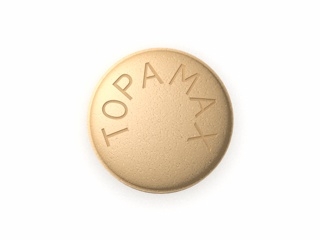


Topamax (Topiramate) — Patient Information (Australia)
Topamax is the brand name for topiramate, a medicine used to treat certain neurological conditions. This guide is written in patient-friendly language to help you understand what Topamax is used for, how it works, what to expect, and how to use it safely. It also covers common interactions (including alcohol), practical tips, and frequently asked questions.
Note: Medicines can affect people differently. Always follow the directions provided by your prescriber and read the leaflet supplied with your medicine.
1) Basic product information
- Active ingredient: topiramate
- Brand name: Topamax
- Medicine type: anticonvulsant (anti-seizure) and migraine preventive
- Common formulations: tablets and sprinkle capsules (depending on product availability)
- How it’s taken: by mouth, usually once or twice daily depending on the condition
In Australia, availability and exact pack sizes may vary. Your pharmacist can help confirm the specific presentation you’ll receive.
2) How Topamax works (mechanism of action)
Topiramate works in several ways in the brain and nervous system. While the full effect is complex, key actions include:
- Reducing abnormal nerve firing: It helps stabilise nerve activity that can contribute to seizures.
- Modulating sodium channels and other signalling pathways: This can lower the likelihood of seizure spread.
- Enhancing inhibitory (braking) signals: It may increase the effect of calming neurotransmitters.
- Adjusting glutamate activity: Glutamate is a key excitatory neurotransmitter involved in seizure generation and migraine pathways.
- Migraine prevention effects: By influencing brain excitability and pain signalling pathways, it may reduce migraine frequency and intensity.
For migraine prevention, benefits often build gradually rather than appearing immediately.
3) Pharmacokinetics: what the body does to Topamax
“Pharmacokinetics” describes how the body absorbs, distributes, metabolises, and eliminates a medicine. For topiramate, the following points are important for understanding dosing and consistency:
- Absorption: Topiramate is absorbed after oral dosing. The presence of food can affect the timing of absorption but generally does not remove overall absorption.
- Peak levels: Blood levels typically peak within a few hours after taking a dose (exact timing can vary).
- Distribution: It can distribute widely into body tissues.
- Metabolism: A portion is metabolised by the liver; however, topiramate is also largely eliminated unchanged.
- Elimination: The kidneys play a major role in clearing the drug. Dose adjustments may be needed in kidney impairment.
- Half-life: The “half-life” can be long enough that missing doses or sudden stopping may have noticeable effects for some people.
Because topiramate is cleared mainly by the kidneys, maintaining hydration and monitoring kidney-related side effects (such as changes in urination) is particularly relevant.
4) Typical uses of Topamax
Topamax is used for:
- Epilepsy (seizure disorders): to treat certain types of seizures, often as monotherapy or as add-on therapy depending on the seizure type and patient profile.
- Migraine prevention: to reduce the frequency of migraine attacks.
Your prescribing direction depends on your specific diagnosis, age, and other medical factors. If you’re unsure whether your use is for seizures, migraine prevention, or both, speak with your pharmacist or prescriber.
5) When to take it (timing and consistency)
Many people take Topamax once or twice daily depending on their dose plan. Consistency helps keep blood levels more stable.
- Choose a routine: Take it at the same times each day where possible.
- Follow the titration schedule: Topamax dosing is often started low and increased gradually to reduce side effects.
- If you miss a dose:
- Take it when you remember if it’s close to the next dose.
- If it’s near the time for your next dose, skip the missed dose and continue as usual.
- Do not double up unless your clinician advises otherwise.
For migraine prevention, improvement may take several weeks. Do not stop suddenly without medical guidance.
6) Food interactions: can you take it with meals?
Topiramate can usually be taken with or without food. Food may influence the speed of absorption, but overall exposure is generally similar.
- If you experience nausea, taking Topamax with food may help.
- Maintain a routine eating pattern if you notice symptoms change on an empty stomach.
There are no universally required food avoidances, but individual responses vary—especially when other medicines are involved.
7) Alcohol and medicine interactions
Alcohol
Drinking alcohol while taking Topamax may increase the risk of dizziness, drowsiness, impaired concentration, and slower reaction times. If you choose to drink, consider avoiding large amounts and discuss safe limits with your pharmacist.
Common medicine interaction themes
Topiramate can interact with other medicines. Some interactions may affect effectiveness, while others may increase side effects. Always tell your pharmacist about all medicines you use, including over-the-counter products and herbal supplements.
- Other anticonvulsants: Some seizure medicines can alter topiramate levels, and topiramate can also change levels of certain anti-seizure medicines.
- Hormonal contraception: Although evidence varies by product and dose, interaction risk may exist. If you use hormonal contraception, ask your pharmacist about the safest option.
- Carbonic anhydrase inhibitors (e.g., some diuretics): Using these together can increase risk of metabolic changes and kidney-related side effects.
- Medicines that affect kidney function: Because topiramate is cleared mainly by the kidneys, changes in kidney function can increase topiramate exposure.
- Central nervous system (CNS) depressants: Medicines that cause drowsiness may add to side effects like sleepiness or slowed thinking.
Do not forget “non-prescription” products
Interaction risks can also come from:
- sleep aids
- some pain medicines
- antihistamines
- dietary supplements
- herbal products
If you have a question about a specific product, contact your pharmacist for advice.
8) Indications: what Topamax is prescribed for
In Australia, Topamax is commonly indicated for:
- Epilepsy — treatment of certain seizure types, including in adults and children where appropriate.
- Prevention of migraine — to reduce frequency in people who experience migraine attacks.
Indications can depend on age, seizure classification, and medical history. If you’re using Topamax for migraine prevention, it’s usually taken daily rather than only during an attack.
9) Dosing: general guidance
Dosing depends on your condition (seizures vs migraine), age, kidney function, and whether you are taking other medicines. Topamax dosing typically begins low and increases gradually (“titration”).
The information below provides general dosing principles rather than exact personalised schedules. Your clinician will provide the specific dose and schedule for you.
General dosing principles
- Start low, go slow: This helps reduce side effects such as tingling (paraesthesia), dizziness, and sleepiness.
- Regular monitoring: Your clinician may monitor symptom control and side effects.
- Kidney impairment: Lower doses may be required.
- Stopping: Withdrawal usually needs gradual reduction to reduce seizure risk.
Typical dosing patterns (high-level)
| Condition | How it’s usually taken | Dose approach | Time to benefit |
|---|---|---|---|
| Seizures | Often once or twice daily (varies) | Gradual titration to target control | Can vary by seizure control; follow your plan |
| Migraine prevention | Daily (often once or twice daily) | Gradual titration to preventive dose | Often several weeks; may take up to a few months for full effect |
For children, dosing is weight-based and must be carefully individualised. Never adjust your dose without discussing it first.
10) Safety profile: common side effects and when to seek help
Like all medicines, Topamax can cause side effects. Many are mild and improve as your body adjusts, especially during titration. However, some symptoms need prompt medical attention.
Common side effects
- Tingling/“pins and needles” (paraesthesia), often in hands or feet
- Dizziness
- Sleepiness or fatigue
- Feeling slowed or “foggy” (difficulty concentrating)
- Nausea
- Reduced appetite and weight loss in some people
- Changes in taste (less commonly described)
- Mood changes or irritability
Less common but important risks
- Metabolic (acid-base) changes: Topiramate can increase risk of a type of metabolic acidosis.
- Kidney stones: Risk may increase in some people. Staying well hydrated is important.
- Eye problems: Rare eye-related conditions have been reported; sudden eye pain, blurred vision, or vision changes require urgent assessment.
- Severe skin reactions: Seek urgent help for widespread rash, blistering, or severe reactions.
- Suicidal thoughts or worsening mood: If you notice unusual changes in mood or thoughts, contact a health professional promptly.
- Allergic reactions: Seek urgent help for swelling, breathing difficulty, or severe rash.
Seek urgent medical help if you experience
- rapid or severe vision changes
- severe headache with eye pain
- fainting or trouble breathing
- severe rash or blistering
- symptoms of dehydration (very reduced urination, persistent vomiting, extreme weakness)
If you develop side effects that are bothersome or worsening, talk to your pharmacist or clinician. Adjustments to the titration or dose may help.
11) Practical use tips (getting the best from your treatment)
- Keep a symptom diary: For migraine prevention, record attack frequency, duration, triggers, and severity. This helps assess whether Topamax is working and when benefits appear.
- Hydrate regularly: Adequate fluid intake can help reduce risk of kidney stones and dehydration-related symptoms.
- Be cautious when driving or operating machinery: Early in treatment, dizziness or sleepiness may affect judgement.
- Manage tingling and dizziness: These often improve as your dose stabilises. Rise slowly from sitting or lying positions if you feel light-headed.
- Avoid sudden stopping: Abrupt discontinuation can increase risk of seizure recurrence and may worsen symptoms. If stopping is needed, a tapering plan is usually used.
- Plan for gradual changes: Dose increases can temporarily worsen side effects. Take note and inform your clinician if they become problematic.
12) Alternative options (if Topamax isn’t suitable)
Depending on whether you are treating seizures or migraine prevention, other medicine options may be considered. Your clinician will choose based on your medical history, age, and tolerability.
For migraine prevention
- Beta-blockers (for some patients)
- Tricyclic antidepressants (certain doses may help migraine prevention)
- CGRP-targeted therapies (in appropriate patients)
- Other anti-seizure preventive medicines (selected cases)
For epilepsy
- Other anti-seizure medicines may be used depending on seizure type.
- In some cases, non-medicine options (such as specific dietary strategies or neurosurgical approaches) may be discussed.
Don’t switch medicines by yourself. If Topamax side effects are significant or control is inadequate, discuss alternatives with your pharmacist or clinician.
13) Topamax in the Australian market: legal and practical context
Medicines containing topiramate are regulated in Australia through the Pharmaceutical Benefits Scheme (PBS) where applicable and the broader medicines scheduling framework. How you access Topamax (including whether you can obtain it with government assistance) depends on eligibility and local prescribing arrangements.
Availability: Stock levels and specific presentations (strengths, tablet vs sprinkle capsule) can vary by pharmacy and region. Your pharmacist can check whether the exact pack you need is available or can be sourced.
Regulatory updates: Medicine safety information and prescribing guidance may be reviewed periodically by Australian medicines authorities. If you want the latest safety or product information, ask your pharmacist to confirm what applies to your specific product and strength.
14) Recent guidance and safety considerations (Australia)
Safety guidance for topiramate typically emphasises:
- Gradual dose titration to minimise side effects.
- Monitoring for mood changes and advising patients and carers to watch for warning signs.
- Hydration and kidney safety to reduce risk of kidney stones.
- Prompt assessment for eye symptoms (vision changes or eye pain).
- Careful assessment in pregnancy and breastfeeding situations due to potential risks to the baby; clinicians often discuss options and risk minimisation strategies.
For the most up-to-date product leaflet and safety information, refer to the package insert supplied with your medicine or ask your pharmacist.
15) Delivery and availability (online pharmacy)
When ordering Topamax online in Australia, availability depends on local stock and supplier sourcing. A reputable pharmacy typically offers:
- Secure ordering and pharmacy verification steps
- Dispatch tracking and delivery updates
- Packaging designed to protect tablets/capsules
- Customer support if you have questions about timing, side effects, or how to take your doses
Delivery times can vary between metro and regional areas. During high-demand periods, sourcing may take longer. Your online pharmacy listing usually provides the most current delivery estimates.
16) FAQ — Frequently asked questions
Can I take Topamax with food?
Yes. Topamax can generally be taken with or without food. If nausea occurs, taking it with food may improve tolerance.
How long does it take for migraine prevention to work?
Many people notice improvement after several weeks, though it can take longer for full benefit. Keep taking it as directed and track migraine frequency in a diary.
What should I do if I miss a dose?
If you remember soon after, take it when you can. If it’s close to the next dose, skip the missed dose and continue your normal schedule. Do not double the dose unless your clinician specifically instructs you to.
Is it safe to drink alcohol?
Alcohol may increase side effects like dizziness and sleepiness. If you plan to drink, discuss safe limits with your pharmacist. Avoid driving or hazardous tasks if you feel affected.
Will Topamax cause weight loss?
Some people experience reduced appetite and weight loss. Others may notice no change. If weight changes are significant, discuss them with your clinician.
Does Topamax interact with other seizure medicines?
It can. Interactions between anti-seizure medicines can affect seizure control and side effects. Tell your pharmacist about all seizure-related treatments and any recent changes.
What about birth control or hormonal contraception?
Interaction risks may exist with some hormonal contraception products. Ask your pharmacist for advice based on the exact contraceptive type you use.
What are warning signs that need urgent attention?
Seek urgent help for symptoms such as sudden vision changes or eye pain, severe rash, signs of a serious allergic reaction, or severe worsening mood/behaviour.
Can I stop Topamax suddenly?
Usually, topiramate is not stopped suddenly. A gradual reduction plan is often needed, especially for seizure disorders. Discuss stopping or tapering with your clinician.
Do I need blood tests while taking Topamax?
Your clinician may order tests depending on your condition and health factors. In particular, they may consider kidney-related monitoring and overall safety checks if needed.
17) Summary
Topamax (topiramate) is a medicine used in Australia for seizure disorders and migraine prevention. It works by helping stabilise electrical activity in the brain and reducing migraine-related pathways. For best results, it’s typically started with a gradual titration schedule and taken consistently each day.
If you have concerns about side effects, interactions (including alcohol), or whether it’s suitable for your situation, speak with your pharmacist. They can help you use Topamax safely and manage practical issues such as timing, missed doses, and general wellbeing.