Prograf (Tacrolimus) – Patient-Friendly Guide (Australia)
Prograf is a brand of tacrolimus, an immunosuppressant medicine used to help prevent your immune system from attacking a transplanted organ. If you’ve been prescribed Prograf, this guide explains how it works, how it’s usually taken, important interactions, and practical tips to help you use it safely.
This information is intended to be helpful and easy to understand. Always follow the instructions provided by your treating healthcare team and the product label. Your dose may be adjusted based on blood test results and your individual situation.
Basic product information
- Medicine name: Prograf (tacrolimus)
- Medicine type: Calcineurin inhibitor (immunosuppressant)
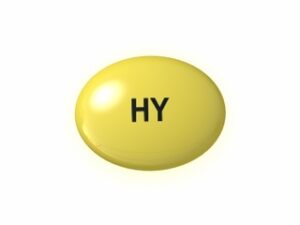
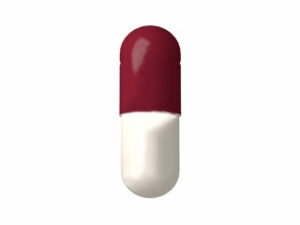
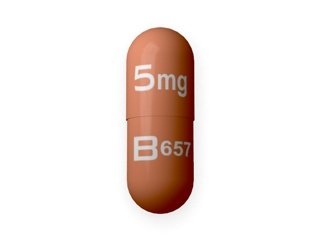
- Common dosage forms: Usually supplied as oral capsules
- Strengths: Available in different capsule strengths (your pharmacist can confirm the exact strengths)
- Brand vs generic: Prograf is a brand; tacrolimus is the active ingredient (other brands and formulations exist)
- Who it’s for: People who have had organ transplantation (commonly kidney, liver, or other approved indications depending on local guidance)
How Prograf works (mechanism of action)
Tacrolimus works by reducing activation of T-lymphocytes, which are key cells in the immune system. It specifically inhibits calcineurin, a pathway required for the immune response.
By blocking this pathway, Prograf helps to lower the immune attack on a transplanted organ, supporting graft survival and overall transplant success.
Pharmacokinetics (how your body handles tacrolimus)
Tacrolimus is taken by mouth and absorbed through the gut. Its absorption can vary between individuals, and blood levels can be affected by food, other medicines, and liver function. Because of this variability, clinicians often monitor tacrolimus blood trough levels to keep exposure in a safe and effective range.
Key points about pharmacokinetics
- Metabolism: Primarily broken down in the liver and gut by the enzyme system CYP3A (and related transport proteins).
- Protein binding: Tacrolimus strongly binds to proteins in the blood.
- Variability: Blood levels can differ even with the same dose, which is why monitoring is important.
- Half-life: The drug’s effective duration supports twice-daily dosing in many regimens, but the exact schedule depends on your formulation and clinical plan.
Typical use and why monitoring matters
Prograf is used as part of a transplant immunosuppression regimen, often alongside other immunosuppressants and sometimes corticosteroids. Your regimen is tailored to your transplant type, time since transplant, and your risk of rejection.
A major safety goal is maintaining the right balance between: preventing rejection and minimising toxicity. Too little may risk rejection; too much increases the chance of side effects.
For this reason, you may have blood tests to measure tacrolimus levels (usually trough concentrations), kidney function, liver function, and blood counts.
Indications (when Prograf is used)
Tacrolimus is used for prevention of organ rejection in transplant recipients. The exact indications and approved uses can vary by product formulation and Australian regulatory status.
Your prescriber will confirm the intended use for you. In general, tacrolimus-based therapy is commonly used in:
- Kidney transplantation
- Liver transplantation
- Other solid organ transplants where tacrolimus is indicated and approved
How to take Prograf: timing, consistency, and dose practice
Many tacrolimus regimens are taken twice daily to maintain steady exposure. However, your exact schedule should follow your healthcare team’s directions. Consistency is essential: take each dose at similar times each day.
Typical timing approach
- Take your capsules at the same times each day, for example morning and evening.
- Try not to miss doses. If you do, follow your clinician/pharmacist’s advice.
- Do not stop or change dose without medical guidance, even if you feel well.
- Blood test timing matters: trough levels are usually measured just before your next dose.
Missed dose (general guidance)
If you miss a dose, take it when you remember unless it is close to the time for your next dose. Do not double the dose. Because tacrolimus exposure is important, contact your pharmacist or transplant team for advice tailored to your schedule.
Food interactions (what to know about meals)
Food can affect tacrolimus absorption and blood levels. To reduce variability, clinicians typically recommend taking Prograf in a consistent way relative to meals.
Practical meal guidance
- Follow your product label and clinician instructions regarding whether to take with or without food.
- If you are told to take it on an empty stomach, take it at least a set time before or after meals (your pharmacist can clarify the exact timing).
- Avoid sudden major dietary changes without discussing with your transplant team, especially changes that involve grapefruit-like products or high changes in gut absorption.
If you have questions about meal timing, bring your daily routine to your pharmacist—small changes can have big effects on blood levels.
Alcohol and medicine interactions
Alcohol
Alcohol does not always have a single predictable effect on tacrolimus, but it can contribute to:
- Liver stress (especially important because tacrolimus is metabolised in the liver)
- Dehydration and changes to kidney function
- Higher risk of infections due to the overall immunosuppression context
If you plan to drink alcohol, discuss it with your transplant clinic. Your healthcare team can advise on what is safe for your kidney and liver function.
Medicine interactions (very important)
Many medicines can increase or decrease tacrolimus levels by affecting CYP3A enzymes and transport proteins. This can lead to either toxicity (levels too high) or rejection risk (levels too low).
Always tell your pharmacist and transplant team about all medicines and supplements you take, including: over-the-counter products, herbal remedies, vitamins, and “natural” sleep or pain products.
Common interaction categories
- Medicines that may increase tacrolimus blood levels (risk of toxicity): examples include some antifungals and certain antibiotics.
- Medicines that may decrease tacrolimus blood levels (risk of rejection): examples include some anticonvulsants and certain antibiotics.
- Medicines affecting kidney function: combinations that stress the kidneys may increase the risk of nephrotoxicity.
- Medicines that affect potassium: tacrolimus can influence potassium levels; additional medicines may compound this effect.
Because interaction lists differ by product and up-to-date prescribing information, your pharmacist can provide a tailored interaction check for your medication list.
Grapefruit and similar products
Grapefruit and some related citrus products may affect tacrolimus metabolism. To minimise risk, many transplant teams advise avoiding grapefruit unless specifically approved by your doctor.
Dosing: what people typically experience
Your exact dose of Prograf is determined by your transplant team and may change over time. Doses are adjusted based on:
- your transplant type and time since transplant
- your tacrolimus blood levels (often trough levels)
- kidney and liver function
- other medicines you take
- side effects or complications
General dosing principles (not a substitute for individual instructions)
- Do not self-adjust the dose.
- Because levels vary, clinicians often target a specific blood range.
- Any changes to medicines that interact with tacrolimus may require extra blood monitoring.
If your dose is changed, your next tacrolimus level check may be earlier than usual to confirm the new exposure.
Safety profile: common and serious risks
Tacrolimus is effective, but it can cause side effects. Some side effects are dose-related and can often be reduced by adjusting the dose and monitoring. Because Prograf suppresses the immune system, infection risk is a key concern.
Commonly reported side effects
- Headache
- Tremor or nervousness
- High blood sugar (or worsening diabetes)
- High potassium (hyperkalaemia) or changes in electrolytes
- Kidney function changes (often monitored through blood tests and urine)
- Gastrointestinal symptoms such as nausea, diarrhoea, or abdominal discomfort
Serious risks you should be alert to
- Serious infections (bacterial, viral, fungal). Report fever or signs of infection promptly.
- Kidney toxicity (may show as rising creatinine or reduced urine output).
- Neurotoxicity (for example severe headaches, confusion, seizures, or significant tremor).
- Heart rhythm or blood pressure issues in some cases.
- Malignancy risk: long-term immunosuppression can increase the risk of certain cancers. Regular follow-up is important.
When to seek urgent medical help
Contact emergency services or seek urgent care if you experience symptoms such as:
- high fever or signs of severe infection
- fainting, severe confusion, seizures
- severe weakness, inability to keep fluids down, or dehydration
- a sudden marked decrease in urination
- severe allergic-type reactions (swelling of face/lips, trouble breathing)
Practical use tips for best results
Small habits can significantly improve safety and effectiveness. Here are practical tips many transplant patients find helpful:
- Use a written medication schedule or phone reminder to help you take doses on time.
- Take capsules the way you are instructed (including meal timing). If you are unsure, ask your pharmacist.
- Do not switch brands or formulations without advice. Tacrolimus products can differ, and blood levels may change.
- Keep a list of medicines (including supplements and herbal products) and show it at each appointment.
- Attend blood tests. Tacrolimus trough monitoring is a cornerstone of safe therapy.
- Stay hydrated unless your transplant team has restricted fluids.
- Report new symptoms early—do not wait until the next appointment.
Handling and capsule administration
Follow the instructions supplied with your product and pharmacist guidance. If you have swallowing difficulties, discuss options with your healthcare team before changing how you take tacrolimus.
Alternative options to consider
If tacrolimus (Prograf) is not suitable—due to side effects, drug interactions, or a specific clinical situation—your transplant team may consider alternatives. Options vary by transplant type and country guidance.
Possible alternative immunosuppressant approaches
- Other tacrolimus formulations (different brands or extended-release forms may be used in some patients)
- Cyclosporine (another calcineurin inhibitor in some regimens)
- mTOR inhibitors (used in selected cases)
- Antimetabolites (often used in combination regimens)
- Adjustments to combination therapy rather than changing the primary agent
Switching should be guided by your transplant clinic and supported by therapeutic drug monitoring where appropriate.
Prograf in the Australian market: legal and practical context
In Australia, tacrolimus products are regulated medicines and are used under medical supervision for transplant patients. Availability may depend on the specific formulation and strength.
Many patients receive maintenance therapy through structured follow-up with a transplant service. Your pharmacist may also help coordinate supply to avoid interruptions—because consistent dosing is important for maintaining stable tacrolimus levels.
What “recent guidance” often focuses on
Recent clinical and regulatory emphasis for tacrolimus therapy generally includes:
- Therapeutic drug monitoring (tacrolimus trough levels) to balance efficacy and safety
- Medication reconciliation to prevent interaction-related level changes
- Patient education about consistency with dosing and meal timing
- Close follow-up when medicines are added or stopped (for infections, pain, stomach upset, or other conditions)
For exact “latest guidance”, your transplant team will use the most current local recommendations and product information.
Delivery and availability (online pharmacy considerations)
Availability can vary by strength and capsule pack size. Many online pharmacies in Australia can source tacrolimus products, but supply timelines may differ depending on stock levels and dispensing requirements.
What to expect when ordering
- Stock checks: Your pharmacy may confirm availability before dispatch.
- Packaging: Medicines are typically dispatched in manufacturer-approved packaging.
- Delivery timing: Dispatch times may vary, especially for less common strengths.
- Urgent supply planning: Because missed doses can matter, consider ordering in advance of running out.
If you need a repeat supply soon, ask the pharmacy about recommended ordering lead times so you don’t run out.
Storage
Store Prograf according to the instructions on the packaging. In general:
- Keep out of sight and reach of children.
- Store at the recommended temperature (often controlled room temperature) and protect from moisture.
- Check the expiry date and discard any expired product according to local guidance.
FAQ (frequently asked questions)
1) What is Prograf used for?
Prograf (tacrolimus) is used to help prevent organ rejection in transplant recipients by suppressing the immune response.
2) Why do I need regular blood tests?
Tacrolimus blood levels can vary between people and can be affected by food and other medicines. Monitoring helps your doctors adjust your dose to reduce rejection risk while limiting toxicity.
3) Can I take Prograf with food?
Food can affect tacrolimus absorption. Many people are advised to take tacrolimus in a consistent way relative to meals. Follow your specific instructions from your pharmacist or transplant team.
4) What should I do if I miss a dose?
Do not double up. Take it when you remember unless it’s almost time for the next dose. Because timing matters with tacrolimus, contact your pharmacist or transplant clinic for advice tailored to your schedule.
5) Are there foods I should avoid?
Grapefruit and related products may interact with tacrolimus metabolism. Unless your clinician says otherwise, it’s often safest to avoid grapefruit. Maintain a consistent diet pattern around dosing.
6) Can I drink alcohol?
Alcohol may increase stress on the liver and kidneys and can contribute to dehydration. Discuss alcohol use with your transplant team, particularly if you have liver or kidney concerns.
7) What medicines commonly interact with tacrolimus?
Many medicines can change tacrolimus levels—especially some antifungals, certain antibiotics, anticonvulsants, and other drugs that affect CYP3A enzymes. Always check with your pharmacist before starting or stopping any medicine or supplement.
8) Can I switch from Prograf to another tacrolimus product?
Switching between tacrolimus brands or formulations should be guided by your transplant clinic. Because products may differ, blood levels can change, requiring monitoring and dose adjustments.
9) What are early signs of problems I should watch for?
Seek medical advice promptly if you develop fever or signs of infection, unusual shortness of breath, severe headache, confusion, reduced urination, or persistent vomiting/diarrhoea.
10) What should I tell my pharmacist?
Provide a complete list of everything you take, including over-the-counter medicines and herbal supplements. Include any recent changes, because even short courses (for example antibiotics) can affect tacrolimus levels.
Summary
Prograf (tacrolimus) is an immunosuppressant used in transplant care to prevent rejection. Because it has important interactions and variable absorption, safe use depends on: consistent dosing, attention to meal timing, avoiding interacting substances (including grapefruit), and regular blood test monitoring for tacrolimus levels and organ function.
If you have questions about how to take your dose, interactions with your current medicines, or what to do if you feel unwell, speak with your pharmacist or transplant clinic.
Quick reference table
| Topic | Key takeaway for patients |
|---|---|
| What it is | Prograf contains tacrolimus, an immunosuppressant. |
| Why you take it | To help prevent organ rejection after transplantation. |
| How it works | Inhibits calcineurin, reducing T-cell immune activation. |
| Monitoring | Regular tacrolimus trough blood tests and blood/organ function tests are often required. |
| Timing | Take doses at similar times each day; trough levels are usually checked before a dose. |
| Food | Food can affect absorption—follow instructions about taking with or without food and keep it consistent. |
| Interactions | Many medicines can raise/lower tacrolimus levels. Check with your pharmacist for any new medicine. |
| Alcohol | Discuss with your clinician; alcohol may increase liver/kidney stress and infection risk. |
| Safety watch-outs | Be alert for infection signs, kidney changes, and neurological symptoms—seek prompt medical advice. |
| Don’t do | Don’t stop or change your dose without guidance; don’t switch tacrolimus products without clinical advice. |