


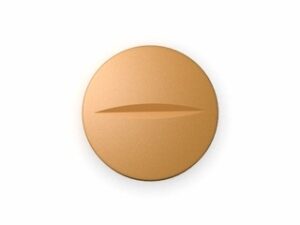
Alfacip (Alfacalcidol) — Patient Information (Australia)
Alfacip is a medicine containing alfacalcidol, a form of vitamin D used to treat conditions where the body needs help maintaining healthy calcium and phosphate levels, and supporting bone strength. It is commonly prescribed for long-term bone and mineral disorders and may be used in people with chronic kidney disease or specific vitamin D–related problems.
This guide is designed to be patient-friendly and Australia-focused, with practical information on how Alfacip works, when to take it, interactions (including food, alcohol, and other medicines), safety, and what to expect. Always follow your healthcare professional’s directions for your specific situation.
Basic product information
| Product name | Active ingredient | Medicine type | Common form |
|---|---|---|---|
| Alfacip | Alfacalcidol | Vitamin D analogue (calcium metabolism regulator) | Oral capsules/tablets (strength depends on local supply) |
What it’s for: Alfacalcidol helps the body manage calcium and phosphate, supporting bone health and correcting disturbances caused by certain diseases.
How it fits into treatment: People taking Alfacip usually have regular monitoring of blood calcium, phosphate, and sometimes vitamin D–related markers (as advised by their clinician).
How Alfacip works (mechanism of action)
Alfacalcidol is a vitamin D analogue designed to help the body convert it into the active form of vitamin D.
- Alfacalcidol → calcitriol (active vitamin D): After being taken by mouth, it is converted in the liver (and further steps) into 1,25-dihydroxyvitamin D (calcitriol), the body’s active vitamin D hormone.
- Increases calcium absorption: Active vitamin D helps the intestines absorb more calcium (and also affects phosphate handling).
By improving calcium availability, it supports normal bone formation and mineralisation. - Helps regulate parathyroid hormone (PTH): Correcting vitamin D deficiency and calcium/phosphate disturbances can reduce overactivity of the parathyroid glands in certain conditions.
Why monitoring matters: Because vitamin D activity can raise calcium levels, your clinician may monitor labs to maintain a safe balance.
Pharmacokinetics (how the body handles it)
Pharmacokinetics describes absorption, metabolism, and elimination.
- Absorption: Alfacalcidol is absorbed after oral administration.
- Activation: It is converted to the active metabolite, calcitriol.
- Onset of effects: Effects on calcium and bone-related processes can develop over days, with careful dose titration based on blood tests.
- Half-life / duration: The active metabolite supports a therapeutic effect longer than the parent compound; exact timing can vary among individuals.
- Metabolism & elimination: Vitamin D metabolites are processed primarily in the liver and eliminated via normal routes for fat-soluble compounds (commonly including bile and urine pathways).
Practical takeaway: Even though Alfacip is taken as a daily (or sometimes alternate) dose, the clinical effects are monitored and adjusted gradually to keep calcium levels in the recommended range.
Typical use and common indications
Alfacalcidol is used to treat conditions involving disturbed calcium and phosphate metabolism and bone disease related to vitamin D deficiency or impaired vitamin D activation.
Common indications may include:
- Secondary hyperparathyroidism in chronic kidney disease (CKD) or related disorders, where vitamin D activation is impaired.
- Osteomalacia (softening of bones) due to vitamin D deficiency or other causes where alfacalcidol is appropriate.
- Renal bone disease and other disorders of bone/mineral metabolism.
- Hypocalcaemia associated with certain vitamin D–dependent states (as determined by your clinician).
Note: The exact diagnosis and laboratory profile determine whether Alfacip is suitable. Your clinician may consider other vitamin D products too, depending on your kidney function and calcium/phosphate levels.
How to take Alfacip (timing, dosing, and missed doses)
Timing
- Follow your prescription label: Take Alfacip at the time(s) directed for your regimen.
- Consistency helps: Many people take it once daily. Some may take it at a different frequency depending on blood results.
- With or without food: Alfacalcidol can generally be taken with or without food, but use the method that best fits your routine and instructions.
Food interactions (what to know)
Food can affect the way some vitamin D–related medicines behave, and individual absorption may vary.
- Take with food if it helps tolerance: If you experience stomach discomfort, taking it with a meal may help.
- Avoid unnecessary extremes: Do not drastically change dietary intake of calcium or vitamin D without medical advice, as this can influence blood calcium levels.
- Be careful with calcium supplements: If you take calcium tablets, the total calcium intake (diet + supplements) is relevant. Your clinician may adjust your calcium and vitamin D combination.
Typical dosing approach
Dosing is highly individual. Clinicians usually start with a dose that fits your condition and lab values, then adjust (titrate) based on response and blood monitoring.
Important: Do not change the dose yourself. If you miss a dose or have concerns, contact your healthcare professional or pharmacist.
Missed dose
- If you miss a dose: Take it when you remember unless it is close to the next scheduled dose.
- If close to next dose: Skip the missed dose—do not double up.
- Ask for advice if unsure: Because dosing may be tailored to lab results, it is reasonable to seek advice.
Alcohol and medicine interactions
Alcohol
There is no single universal rule that applies to everyone, but consider the following:
- Moderation is safest: Excessive alcohol can contribute to bone health issues and may affect liver function, which is relevant because vitamin D activation involves metabolism in the liver.
- Risk increases with poor nutrition: Heavy alcohol intake may reduce adequate intake of calcium/vitamin D and increase falls/fracture risk.
Practical advice: If you drink alcohol, aim for moderation and keep your nutrition consistent. Seek medical advice if alcohol intake is heavy or if you have liver disease.
Interactions with other medicines
Alfacalcidol can interact with several medicine types. The key interaction risks generally relate to changes in calcium levels and vitamin D activity.
- Calcium supplements and other vitamin D products: Combining can increase the risk of high calcium (hypercalcaemia). Your clinician may set a target for total calcium and vitamin D intake.
- Thiazide diuretics (e.g., hydrochlorothiazide): These may increase calcium retention, potentially raising calcium levels further.
- Cardiac glycosides (e.g., digoxin): High calcium can increase risk of heart rhythm problems. Monitoring may be needed.
- Some anti-seizure medicines (e.g., phenytoin, carbamazepine): These can affect vitamin D metabolism and may reduce effectiveness.
- Glucocorticoids (e.g., prednisone): Steroids can reduce calcium absorption and bone health, sometimes requiring adjustment of vitamin D therapy.
- Cholestyramine / bile acid sequestrants: These may reduce absorption of fat-soluble vitamins; spacing may be advised by your pharmacist.
- Magnesium-containing antacids or supplements: Generally more relevant in kidney impairment, but monitor as advised—kidney disease can change electrolyte handling.
- Medicines affecting phosphate balance: Phosphate binders and related treatments may be used alongside; coordination is important in CKD.
Always tell your pharmacist about all medicines, including over-the-counter products and supplements (especially calcium and vitamin D), and any changes you make.
Safety profile and side effects
Alfacalcidol is generally well tolerated when dosed appropriately and monitored. The most important safety issue is the potential for hypercalcaemia and related complications.
Common or expected side effects
Side effects may depend on dose and blood calcium levels. Some people may experience:
- Nausea or stomach discomfort
- Constipation
- Headache
- Increased thirst or urination (can occur with high calcium)
Serious warnings: when to seek urgent help
Contact urgent medical services or seek immediate care if you develop symptoms suggestive of significant high calcium, such as:
- Severe nausea/vomiting
- Confusion, unusual drowsiness, or marked weakness
- Severe constipation and abdominal pain
- Significant dehydration
- New abnormal heart rhythm symptoms (e.g., palpitations, fainting)
Other safety considerations
- Kidney impairment: In CKD or reduced kidney function, careful dosing and frequent monitoring are often required to prevent electrolyte imbalance.
- Pregnancy and breastfeeding: Vitamin D medicines are sometimes used in pregnancy, but the safest choice and dose depend on your labs and clinical situation. Discuss with a healthcare professional.
- Children and adolescents: Dosing is weight- and condition-dependent; only use under close supervision.
Practical use tips (patient-friendly)
- Keep up with blood tests: Many people on Alfacip require periodic checks of calcium (and sometimes phosphate and PTH). These guide dose adjustments.
- Know your “target” lab range: Ask your clinician what your calcium goals are and what symptoms to watch for.
- Review your supplements: If you take calcium tablets, multivitamins, or vitamin D supplements, list them for your pharmacist—combined intake matters.
- Be consistent with your diet: Sudden changes in calcium/vitamin D intake can affect blood results.
- Store safely: Store according to the product label (typically in a cool, dry place, away from moisture and heat) and keep out of reach of children.
- Use medication reminders: Because vitamin D regimens can be long-term, setting a daily reminder can reduce missed-dose errors.
Alternative options
Depending on the underlying condition and your kidney function, clinicians may consider other vitamin D therapies and calcium-related treatments. Options can include:
- Cholecalciferol (vitamin D3) — often used for vitamin D deficiency where conversion to active vitamin D is functioning adequately.
- Calcitriol — active vitamin D form; may be used in specific CKD scenarios but can also raise calcium/phosphate, requiring monitoring.
- Ergocalciferol (vitamin D2) — sometimes used for deficiency or maintenance depending on clinical preference.
- Calcium supplements — may be used alongside vitamin D therapy to support calcium availability.
- Phosphate binders (in CKD) — to manage phosphate levels and support bone mineralisation goals.
Which option is best? Your diagnosis, lab results, kidney function, and previous response determine the most appropriate choice. Don’t switch products without clinician guidance.
Recent guidance and monitoring approach (Australia-focused)
In Australia, vitamin D and bone/mineral disorder management is typically aligned with specialist and guideline-based approaches that emphasise:
- Individualised dosing based on blood markers (commonly calcium, phosphate, and PTH).
- Regular monitoring to avoid overtreatment and reduce the risk of hypercalcaemia.
- Coordination of medicines used for chronic kidney disease–mineral and bone disorder (CKD-MBD), including phosphate management.
- Review of contributing factors such as dietary intake, supplement use, and drug interactions.
Patient message: Even if symptoms are stable, blood tests help confirm that treatment remains safe and effective.
Delivery and availability in Australia
Alfacip availability can vary by pharmacy and local supply schedules. Many online pharmacies in Australia provide:
- Home delivery to eligible areas, with tracking options
- Secure packaging to protect tablets/capsules during transit
- Support for ordering and medication information via pharmacists
Delivery times: Delivery estimates vary by location and stock availability. If a product is out of stock, some pharmacies offer options such as restock notifications or alternative items (where appropriate).
Cold storage: Alfacalcidol products are usually stored at room temperature. Check the specific product label for storage instructions.
Market and legal context in Australia
In Australia, medicines are supplied under the national medicines framework and must be handled according to regulatory and pharmacy standards. Access to vitamin D medicines may depend on formulation and intended use, and supply is typically arranged through approved channels.
- Pharmacy services: Australian pharmacies (including online services) may require appropriate patient information to ensure safe supply.
- Safety checks: Pharmacists commonly screen for interactions, contraindications, and duplication of vitamin D or calcium products.
- Authoritative guidance: Product information is based on approved medicine data and ongoing clinical practice.
Tip: When ordering online, ensure your medication list is up to date. This helps pharmacists provide the safest advice and prevents avoidable supply issues.
FAQ
1) What is Alfacip used for?
Alfacip (alfacalcidol) is used to support healthy calcium and phosphate levels and treat bone/mineral disorders related to vitamin D problems, commonly including conditions such as osteomalacia and secondary hyperparathyroidism in certain patients (e.g., with chronic kidney disease), as determined by your clinician.
2) How quickly does Alfacip work?
Some effects on calcium and related markers can be seen over days, but dose adjustments usually happen gradually based on blood tests. Your clinician will determine how often you need monitoring.
3) Should I take it with food?
Many people can take alfacalcidol with or without food. If you experience stomach upset, taking it with a meal may help. Follow your medicine label and pharmacist instructions.
4) Can I take calcium or vitamin D supplements with Alfacip?
Often, calcium or vitamin D supplements may be part of the overall plan, but combining them without guidance may raise calcium too much. Always tell your pharmacist what supplements you are using.
5) What are signs of too much calcium?
Possible symptoms include nausea, constipation, increased thirst and urination, confusion, weakness, and dehydration. If you develop significant symptoms, seek medical advice promptly.
6) What blood tests are usually monitored?
Clinicians commonly monitor calcium and may monitor phosphate and PTH, especially in chronic kidney disease. Testing frequency varies with your condition and dose.
7) Are there alcohol restrictions?
Moderate alcohol is generally acceptable for many people, but heavy alcohol intake can affect nutrition, bone health, and may worsen liver function. If you have liver disease or are drinking heavily, seek medical advice.
8) What medicines commonly interact with Alfacip?
Interactions can involve medicines that affect calcium balance or vitamin D metabolism, such as calcium supplements, thiazide diuretics, digoxin, certain anti-seizure medicines, glucocorticoids, and some cholesterol-lowering medicines. Always check with your pharmacist.
9) What should I do if I miss a dose?
Take it when you remember unless it’s almost time for the next dose. Do not double up. If you are unsure, contact your pharmacist or clinician—especially if doses are adjusted based on lab results.
10) Can I switch from Alfacip to another vitamin D medicine?
Switching may require dose re-calculation and monitoring. Discuss any changes with your clinician or pharmacist to ensure safety and effectiveness.
Disclaimer: This information is intended for general educational purposes for patients in Australia. It does not replace advice from a healthcare professional. If you have questions about your specific condition, lab results, or medication regimen, speak to your pharmacist or treating clinician.