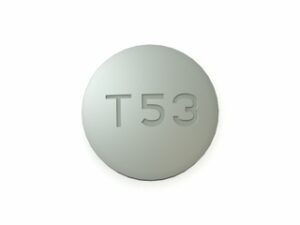
Trileptal (Oxcarbazepine) – Patient-Friendly Medicine Information (Australia)
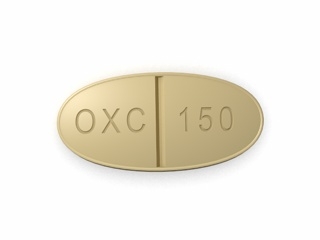
Trileptal is a brand of oxcarbazepine, an antiepileptic medicine used to help control seizures. This page explains how Trileptal works, how it’s used, common safety considerations, and practical tips to support day-to-day treatment. It is written for information purposes and does not replace advice from your healthcare professional.
Quick product overview
| Category | Details |
|---|---|
| Brand name | Trileptal |
| Generic name | Oxcarbazepine |
| Medicine type | Antiepileptic (antiepileptic/anticonvulsant) |
| Common forms | Tablets and oral suspension (availability may vary by supplier) |
| How it’s usually taken | By mouth, typically 2 times daily (unless otherwise directed) |
| Common aim | To reduce seizure frequency and help stabilise seizure control |
What Trileptal is used for (indications)
Trileptal is used in the treatment of certain seizure types. In Australia, it may be prescribed for:
- Focal (partial) seizures with or without secondary generalisation, in adults and children (as appropriate to local product guidance and prescriber assessment).
- Monotherapy and adjunctive therapy for selected patients, depending on clinical assessment and regulatory/clinical guidance.
Note: The exact use depends on age, seizure type, your medical history, other medicines, and local prescribing standards.
How Trileptal works (mechanism of action)
Oxcarbazepine is converted in the body to an active metabolite. It helps reduce abnormal electrical activity in the brain.
In simplified terms, Trileptal:
- Stabilises overactive nerve cells by affecting sodium channels.
- Reduces the spread of seizure activity by lowering neuronal excitability.
- Helps improve seizure control over time as levels build and stabilise.
Pharmacokinetics – how the body processes it
Understanding how a medicine is absorbed and cleared can help you take it consistently and anticipate effects.
- Absorption: After oral dosing, oxcarbazepine is absorbed and then largely converted to its active metabolite (commonly referred to as monohydroxy derivative, MHD).
- Conversion: The active metabolite is what largely contributes to seizure control.
- Peak effect: Peak concentrations of active metabolite typically occur within several hours after a dose (exact timing can vary between individuals).
- Half-life: The active metabolite has a relatively long half-life compared with immediate-acting medicines, supporting twice-daily dosing in many regimens.
- Elimination: The active metabolite is primarily eliminated via the kidneys, with dosing adjustments considered in renal impairment.
What this means for you: Taking doses at consistent times helps maintain stable drug levels and may reduce breakthrough seizures.
Typical timing & how to take Trileptal
Many people take Trileptal two times each day, about 12 hours apart. Your exact schedule should follow your clinician’s instructions and the product directions supplied with your medicine.
Example approach (if twice daily):
- Morning dose: soon after waking or with breakfast
- Evening dose: with the evening meal or before bedtime
Consistency matters:
- Try to take it at the same times daily.
- If you miss a dose, follow the missed-dose guidance provided with your medicine or ask your pharmacist/doctor for the correct approach.
- Do not stop suddenly unless directed. Abrupt withdrawal can increase seizure risk.
Food interactions (what to know about meals)
Trileptal can generally be taken with or without food.
- Food: Meals do not typically require special timing changes.
- Practical tip: Taking doses with food may help reduce stomach discomfort for some people.
Alcohol and medicine interactions
Combining Trileptal with alcohol may increase side effects such as dizziness, drowsiness, and impaired coordination. For safety, it is best to:
- Avoid or limit alcohol while starting or adjusting dose.
- Be cautious with activities requiring alertness (e.g., driving) until you know how Trileptal affects you.
Other important medicine interactions:
- Hormonal contraceptives: Some antiepileptic medicines can affect hormone levels. If you use hormonal contraception, discuss the interaction risk with your clinician or pharmacist.
- Other antiepileptic medicines: Combining seizure medicines is common, but dosing and monitoring may be adjusted.
- Blood pressure medicines/diuretics: Because oxcarbazepine can affect sodium levels in some people, your healthcare team may monitor electrolytes if you take medicines that also influence sodium or fluid balance.
- Serious drug interaction risk: Always review your full medicine list (including over-the-counter products and supplements) with a pharmacist before starting or stopping any medicine.
Always check: If you receive a new medicine at any time, ask whether it interacts with oxcarbazepine.
How long before it works?
Some seizure improvement may occur after starting Trileptal, but full benefit can take time as the dose is adjusted and steady levels are reached. Many patients notice changes within weeks, but your clinician may need to monitor your response and tolerability before optimising the dose.
Do not change your dose yourself based on early results—stability is important for seizure control and safety.
Dosing information (general guidance)
Dose depends on your age, seizure type, kidney function, and how you respond. In Australia, dosing is typically individualised.
Key points:
- Starting dose: Often started at a lower dose and increased gradually to improve tolerability.
- Maintenance: Given in split doses (commonly twice daily).
- Renal impairment: Dose adjustment may be required in reduced kidney function.
- Children: Dosing is usually weight-based and age-appropriate; only use as directed for paediatric patients.
Important: If your regimen is different from the general patterns above, follow your personal dosing instructions. If you need help understanding your dose schedule, speak with a pharmacist.
Safety profile – what to watch for
Like all medicines, Trileptal can cause side effects. Many are mild and may improve as your body adjusts. However, some effects require prompt medical attention.
Common side effects
- Dizziness
- Drowsiness or fatigue
- Headache
- Nausea
- Unsteadiness or coordination problems
- Blurred vision or double vision
- Weight changes (variable)
Electrolyte considerations (low sodium)
Oxcarbazepine can lower sodium levels (hyponatraemia). This may be more likely in:
- Older adults
- People taking diuretics or other medicines that can affect sodium
- Those with reduced kidney function
- People with low baseline sodium or certain medical conditions
Seek medical advice promptly if you experience symptoms that may suggest low sodium, such as:
- Severe or persistent headache
- Nausea and vomiting
- Confusion, unusual fatigue, or weakness
- Muscle cramps or worsening balance
Serious allergic reactions and skin reactions (seek urgent help)
Rarely, people may develop serious allergic reactions or significant skin reactions. Get urgent medical help if you notice:
- Swelling of the face, lips, tongue, or throat
- Breathing difficulty
- Widespread rash, blistering, or peeling skin
- Fever with rash or sore mouth/eyes
Blood and liver monitoring
Your clinician may recommend periodic blood tests, especially if you are at higher risk or taking other medicines. Tests may include electrolytes (sodium) and other parameters based on your situation.
Risk of increased seizures with abrupt stopping
Stopping antiepileptic medicines suddenly can increase seizure frequency and risk. If treatment needs to change, it should generally be done gradually under medical guidance.
Practical use tips for everyday life
- Use a routine: Pair doses with daily habits (breakfast and dinner) to reduce missed doses.
- Keep a medication list: Include your dose, timing, and all other medicines or supplements.
- Plan for side effects: If you feel dizzy, take extra care when getting up, climbing stairs, or driving until you’re confident in your alertness.
- Hydration: Follow your clinician’s advice on fluid intake—especially if you’re at risk of low sodium.
- Avoid sudden changes: Don’t double up if a dose is missed—ask what to do for your situation.
- Track seizures: Keep a simple diary noting dates/times, triggers (if known), and side effects.
- Wear helpful information: Consider carrying a seizure action card or medical ID (especially if you have a history of uncontrolled seizures).
Alternative options (other treatments)
If Trileptal isn’t suitable, not tolerated, or doesn’t control seizures adequately, there are other antiepileptic medicines and treatment approaches. Alternatives may include other sodium-channel agents and broader antiepileptic options depending on seizure type and patient factors.
Possible alternative categories include:
- Other antiepileptic medicines (selected based on seizure type and patient characteristics)
- Adjunctive therapy strategies if seizures are partially controlled
- Non-medicine approaches in selected cases (e.g., specialist evaluation for device or other therapies)
Discuss options early: If side effects occur or seizure control is insufficient, talk with your clinician to consider whether switching or adjusting therapy is appropriate.
Market & legal context in Australia (availability and use)
In Australia, medicines containing oxcarbazepine are regulated under national medicines policy and state/territory requirements. Availability can vary between pharmacy suppliers and product forms.
- Product supply: Trileptal may be supplied as tablets and/or oral suspension, depending on the current market availability.
- Regulatory status: Antiepileptic medicines are commonly provided through established pharmacy channels with appropriate patient counselling and medicine safety systems.
- Ongoing review: Australian prescribing and safety practices are guided by current clinical evidence and regulator updates.
Recent guidance note: Clinical guidance for antiepileptic medicines can evolve, particularly regarding monitoring (e.g., sodium levels), drug interactions, and safe use. Always check that you are following the latest advice from your healthcare professional and the product information for your specific formulation.
Delivery and availability (online pharmacy expectations)
When ordering through an online pharmacy, availability depends on supplier stock and may vary for different strengths or formulations. Typical delivery considerations include:
- Stock checks: Some orders may require confirmation of availability for a particular strength or form.
- Packaging: Medicines are usually supplied in manufacturer packaging to ensure proper identification.
- Delivery timeframe: Delivery times can vary by location across Australia and service level selected.
- Storage: Follow storage instructions on the label (e.g., keep in a cool, dry place, away from moisture and out of reach of children).
Tip: If you take Trileptal regularly, consider ordering ahead to avoid running out, particularly when supply may be limited.
Recent safety and monitoring reminders
Oxcarbazepine treatment commonly involves monitoring for side effects, especially:
- Sodium levels (to detect hyponatraemia early)
- Overall tolerability (dizziness, sleepiness, balance issues)
- Drug interactions when new medicines are started
If you have any concerns—such as worsening balance, confusion, extreme tiredness, rash, or breathing difficulty—contact a healthcare professional promptly.
FAQ – Frequently asked questions
1) Is Trileptal the same as oxcarbazepine?
Yes. Trileptal is a brand name; the active ingredient is oxcarbazepine.
2) How do I know which dose is right for me?
Dose is individualised based on your seizure type, age, kidney function, and how you tolerate the medicine. Your pharmacist or prescriber can explain your specific dosing plan.
3) What should I do if I miss a dose?
Missed-dose instructions can vary depending on your dosing schedule. Check the guidance provided with your medicine. If you’re unsure, speak with a pharmacist for advice tailored to your regimen.
4) Can I take Trileptal with food?
In most cases, yes. Food usually does not require special timing changes, and taking it with meals may improve comfort for some people.
5) Can I drink alcohol while taking Trileptal?
It’s best to avoid or limit alcohol. Alcohol may increase side effects such as dizziness and drowsiness, affecting safety. If you choose to drink, discuss safe limits with your clinician.
6) Will Trileptal affect driving?
Trileptal can cause dizziness, drowsiness, or unsteadiness in some people—especially when starting or changing dose. Until you know how it affects you, use caution with driving and other activities requiring alertness.
7) Does Trileptal cause low sodium?
Oxcarbazepine can reduce sodium levels in some individuals. Monitoring may be recommended, especially for those at higher risk. Report symptoms such as confusion, severe headache, unusual weakness, or worsening nausea promptly.
8) What skin symptoms are concerning?
Seek urgent medical help for serious allergic or skin reactions—such as facial swelling, trouble breathing, widespread blistering rash, or fever with rash.
9) Can I stop Trileptal suddenly?
In general, do not stop abruptly. Stopping suddenly can increase seizure risk. Any changes should be planned with your healthcare professional.
10) What alternatives exist if Trileptal doesn’t work for me?
There are other antiepileptic medicines and strategies depending on your seizure type and medical situation. Your clinician can discuss the best next options.
When to seek urgent medical care
Contact emergency services or seek urgent medical attention if you experience:
- Breathing difficulty or swelling of the face/tongue/throat
- Severe rash, blistering, or peeling skin
- New confusion, severe persistent headache, or fainting
- Seizures that are significantly different from your usual pattern or do not stop as expected
If you have concerns about side effects or interactions, speak with a pharmacist or your healthcare professional for advice.