
Atomoxetine (Australia) — Patient-Friendly Medicine Information
Atomoxetine is a medicine used to treat attention-related symptoms in some people. This page provides general, patient-friendly information about how atomoxetine works, how it is taken, what to expect, and important safety considerations for adults and children in Australia. Always follow the advice of your doctor and the directions on the dispensing label.
Quick overview
- Generic name: Atomoxetine
- Common brand names: Varies by manufacturer and availability in Australia
- What it’s used for: Attention-deficit/hyperactivity disorder (ADHD) in children, adolescents, and adults
- How it’s taken: Usually once or twice daily, depending on the prescribed schedule
- When it starts working: Some benefits may appear within days to weeks; full effect can take longer
- Key point: It is not a stimulant, and it is not the same as medicines in the methylphenidate or dexamphetamine groups
Basic product information
Atomoxetine belongs to the class of medicines known as selective norepinephrine reuptake inhibitors (SNRIs). In Australia, atomoxetine is used as part of a broader management plan for ADHD, which may include education, behavioural strategies, and other supports.
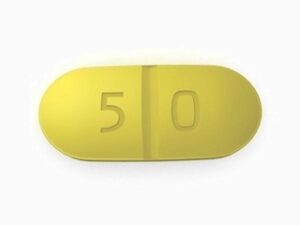
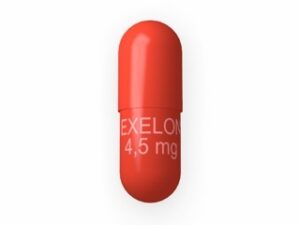
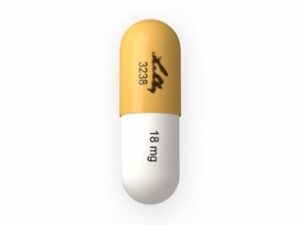
Atomoxetine is typically available as oral capsules of varying strengths. The exact appearance and strength may vary between brands. Your pharmacist can confirm the strength you receive and provide instructions for the specific product.
How atomoxetine works (mechanism of action)
Atomoxetine works mainly by affecting the brain chemical norepinephrine. It selectively inhibits the reuptake (recycling) of norepinephrine, which helps increase norepinephrine activity in brain pathways involved in attention, behaviour regulation, and impulse control.
Unlike some ADHD medicines that are stimulants, atomoxetine is designed to improve symptoms through this norepinephrine mechanism rather than directly stimulating the central nervous system.
Pharmacokinetics (how the body handles atomoxetine)
Pharmacokinetics describes how the body absorbs, distributes, metabolises, and eliminates a medicine. Understanding this can help you appreciate why dosing schedules may vary and why effects take time.
- Absorption: Atomoxetine is absorbed after oral administration. Food can influence the timing of absorption but generally does not fully “cancel” the medicine’s effect.
- Distribution: It is widely distributed throughout the body, including the brain.
- Metabolism: Atomoxetine is primarily metabolised in the liver by the enzyme CYP2D6. People vary in CYP2D6 activity, which can affect blood levels of atomoxetine.
- Elimination: It is eliminated mainly through metabolites. The overall process means that atomoxetine can maintain therapeutic levels for many hours.
- Half-life: The time taken for blood levels to reduce by about half can be longer in some individuals, contributing to once-daily or twice-daily dosing strategies.
If you have known liver problems or take medicines that strongly affect CYP2D6, your prescriber may adjust atomoxetine dosing or monitoring.
Typical use and indications in Australia
Atomoxetine is indicated for the treatment of ADHD. It may be considered when:
- Stimulant medicines are not suitable or not tolerated
- Longer-acting symptom control is desired
- There is a need for a non-stimulant option
- A clinician believes atomoxetine is appropriate for the individual’s symptom pattern and health history
Atomoxetine is used in children, adolescents, and adults, depending on local prescribing guidance and individual assessment. It is typically part of a comprehensive ADHD management approach.
Dosing: how atomoxetine is commonly scheduled
Dosing must be individualised. Your doctor will choose a starting dose and may gradually increase it to achieve the best balance of benefit and side effects. The dose may be adjusted based on:
- Age and weight (particularly in children)
- How well symptoms respond
- Side effects experienced
- Other medical conditions (e.g., liver disease)
- Other medicines that can interact (especially CYP2D6 inhibitors)
General dosing principles (patient information)
- Start low, go slow: Many people begin at a lower dose and increase over time.
- Once or twice daily: Some people take atomoxetine once daily (often in the morning), while others take it twice daily.
- Consistency matters: Take it at the same times each day as directed.
- Do not stop abruptly: If you need to discontinue, follow your clinician’s plan.
Note: Specific dose numbers should be taken from your own prescription label or the product’s official documentation. If you’re unsure, ask your pharmacist to confirm the correct dose for your tablet/capsule strength.
Timing: when to take atomoxetine
Many people find the timing affects both effectiveness and side effects. Atomoxetine can sometimes cause sleep changes or stimulation in some individuals.
- Morning dosing may be preferred if it affects sleep.
- Evening dosing may not suit everyone, particularly if it leads to insomnia.
- For twice-daily regimens: one dose in the morning and one in the afternoon/early evening is often used to reduce sleep issues.
If you notice new sleep disturbance, increased restlessness, or reduced appetite, speak with your prescriber. They may adjust the timing or dose.
Food interactions: should you take atomoxetine with meals?
Atomoxetine can generally be taken with or without food. Food may affect absorption timing and stomach comfort.
- If atomoxetine upsets your stomach, taking it with food may help.
- Choose a routine that is easy to maintain and take it the same way each day.
- Swallow capsules whole with water unless your product instructions specify otherwise.
Always follow the instructions provided with your specific brand and seek advice if you experience persistent nausea, vomiting, or appetite changes.
Alcohol and medicine interactions
Alcohol
Atomoxetine affects the brain and can cause side effects such as dizziness or tiredness in some people. Alcohol may worsen these effects and increase the risk of impaired judgement and sleep disruption. For safety, it’s generally best to limit alcohol and discuss your situation with a clinician if you plan to drink.
Medicine interactions (important)
Atomoxetine can interact with other medicines, including those that affect liver enzymes (especially CYP2D6). Tell your pharmacist or doctor about all medicines and supplements you use, including:
- Antidepressants
- Some migraine medicines
- Medicines for heart rhythm problems
- Cough and cold remedies
- Herbal products (for example, St John’s wort may have effects through liver enzymes)
- Any medicines that affect norepinephrine pathways
Your prescriber may adjust atomoxetine dose or monitoring if you take strong CYP2D6 inhibitors. Examples can include certain antidepressants and other drugs that slow CYP2D6 activity. Because interaction potential depends on the specific product, confirm your medicines with your healthcare professional.
In addition, caution is advised if you use other medications that can affect:
- Blood pressure and heart rate
- Heart rhythm (QT prolongation)
- Seizure threshold
- Bleeding risk (particularly if you use blood-thinning medicines)
What to expect: benefits and timelines
Atomoxetine is not usually an “instant effect” medicine. Many people notice changes gradually. This is especially important for new starters and for carers of children and adolescents.
- Early changes: Some people notice modest improvements within the first couple of weeks.
- Ongoing benefit: Symptom improvements often continue as the dose is optimised.
- Full effect: It may take several weeks to achieve the best response.
If you don’t see any improvement after an adequate trial at the appropriate dose, speak with your doctor rather than changing the regimen on your own.
Safety profile: common and serious side effects
Like all medicines, atomoxetine can cause side effects. Some are common and may improve as your body adjusts, while others require prompt medical attention.
Common side effects
- Decreased appetite and weight changes (more common in some people, especially children)
- Nausea or stomach upset
- Dry mouth
- Sleep problems (sleepiness or insomnia may occur)
- Dizziness
- Headache
- Fatigue
- Increased heart rate and/or changes in blood pressure
- Mood changes including irritability in some individuals
Serious side effects — seek urgent medical advice
Contact a healthcare professional urgently or seek emergency help if you notice:
- Signs of liver problems: yellowing of the skin/eyes (jaundice), dark urine, severe fatigue, or persistent upper abdominal pain
- Allergic reaction: swelling of face/lips, rash, trouble breathing
- Severe chest pain, fainting, or significant palpitations
- Suicidal thoughts or significant worsening of mood, especially early in treatment or after dose changes
- Seizures
- Severe or persistent vomiting or dehydration
- Unexplained bruising or bleeding (if relevant to your health history and other medicines)
Monitoring that may be recommended
- Weight and growth in children and adolescents
- Blood pressure and heart rate
- Mood changes and behavioural changes
- Assessment of symptom response (attention, impulsivity, hyperactivity)
Practical use tips for better outcomes
- Keep a routine: Take atomoxetine at the same time each day. Use a reminder alarm if helpful.
- Track appetite and weight: Especially in children. Report significant appetite loss or weight changes to your clinician.
- Plan for side effects: If nausea occurs, taking with food may help. If sleep is affected, discuss timing adjustments.
- Don’t stop suddenly: Changes should be planned with your healthcare professional.
- Stay hydrated: Dry mouth can be managed with water, sugar-free gum, and good oral hygiene.
- Use symptom check-ins: Structured feedback (for example, school reports, behaviour scales, or daily functioning notes) can help decide whether dose changes are needed.
- Review all medicines regularly: Ask your pharmacist to check interactions when starting or stopping other treatments.
If you miss a dose, follow the instructions from your pharmacist or product information. Do not take an extra dose to make up for missed doses unless advised.
Alternative options for ADHD (non-atomoxetine)
ADHD management can involve both medicine and non-medicine strategies. Your healthcare team may consider alternative treatments depending on your response, side effects, age, and health background.
Medication alternatives
- Stimulant medicines (commonly used for ADHD in many regions): may include methylphenidate-based or amphetamine-based options
- Other non-stimulant treatments (where available and appropriate): your doctor can explain options relevant to Australia
- Adjunct approaches: sometimes other treatments are used for comorbid conditions (for example, anxiety, depression, or sleep problems)
Non-medicine supports
- Behavioural strategies and parent/teacher coaching
- Educational supports (school adjustments, routines, learning accommodations)
- Sleep hygiene and structured daily routines
- Psychological therapies (where appropriate)
- Exercise and diet strategies tailored to your needs
The “best” option is individual. If atomoxetine is not effective or causes side effects, discuss alternatives rather than switching independently.
Market and legal context for Australia
In Australia, ADHD medicines are regulated under national medicines legislation and prescribing rules. Access and use must follow Australian health guidelines and product-specific regulatory requirements. Atomoxetine is an established option in Australia for ADHD treatment under clinician direction.
For online pharmacies, Australian compliance typically includes:
- Supply of medicines in line with regulatory and prescribing requirements
- Pharmacist review of orders and patient safety screening
- Clear product labelling and patient information for safe use
- Support for delivery, storage, and returns processes
Safety information can change as new evidence emerges. Consider checking reliable Australian sources such as TGA (Therapeutic Goods Administration) and your healthcare professional for updates relevant to your product.
Recent guidance and important updates (what to watch for)
Over time, prescribing and safety guidance may be refined based on emerging research and pharmacovigilance reports. When starting or adjusting atomoxetine, it is particularly important to remain alert to:
- Mood changes and emotional wellbeing, especially in the early stages of therapy
- Cardiovascular monitoring such as blood pressure and pulse changes
- Liver-related symptoms (rare, but important to recognise)
- Drug interaction risks when starting new medicines
If you hear about a safety update affecting your medicine or a related product, speak with your pharmacist for advice on whether your treatment plan needs adjustment.
Delivery and availability (Australia)
Availability of atomoxetine can vary depending on manufacturer supply and pharmacy stock levels. Many pharmacies offer:
- Standard delivery to eligible Australian addresses
- Express delivery options (where offered)
- Tracking for dispatched parcels
- Packaging suitable for medicine protection
When ordering online, ensure:
- Your contact details are correct for delivery updates
- You can receive the parcel safely
- Storage instructions (generally cool, dry conditions unless otherwise specified) are followed
- You check the capsule strength matches your usual dose
If your preferred strength is temporarily out of stock, a pharmacy may offer alternatives such as different brand strengths where clinically appropriate—always confirm before substituting.
Product information at a glance
| Category | Information |
|---|---|
| Medicine | Atomoxetine |
| Medicine type | Selective norepinephrine reuptake inhibitor (non-stimulant) |
| Common indication | ADHD symptoms in children, adolescents, and adults |
| How it’s taken | Oral capsules, usually once or twice daily |
| Food | Can be taken with or without food; food may help stomach comfort |
| Alcohol | May worsen side effects such as sleep changes or dizziness; limit alcohol |
| Key interaction factor | CYP2D6 metabolism; some medicines can raise atomoxetine levels |
| Time to benefit | May take weeks for full effect; early changes can occur |
FAQ — Atomoxetine
1) How long does atomoxetine take to work?
Some people notice improvements within days to a few weeks, but full benefits often take longer. Dose optimisation and individual response can influence the timeline. If you’re not seeing progress, speak with your clinician about whether adjustments are needed.
2) Is atomoxetine a stimulant?
No. Atomoxetine is a non-stimulant medicine that works through norepinephrine reuptake inhibition. It differs from stimulant ADHD medicines in mechanism and often in the pattern of side effects.
3) Should I take atomoxetine in the morning or at night?
Many people take it in the morning to reduce the risk of insomnia or sleep disruption. Some people are prescribed twice-daily dosing. Your prescriber may tailor timing to your sleep pattern and side effects.
4) Can I take atomoxetine with food?
Yes. Atomoxetine can typically be taken with or without food. If you experience nausea or stomach upset, taking it with food may help. Maintain a consistent routine.
5) What foods or drinks should I avoid?
There are no specific food restrictions for atomoxetine for most patients. However, maintain a balanced diet—especially if appetite decreases. Hydration and regular meals can help.
6) Can I drink alcohol while taking atomoxetine?
It’s best to limit alcohol because it may worsen side effects like dizziness and sleep disruption. If you plan to drink, discuss your personal situation with a healthcare professional.
7) What medicines commonly interact with atomoxetine?
Atomoxetine is metabolised by CYP2D6, so medicines that inhibit CYP2D6 may increase atomoxetine levels. Also, other medicines that affect mood, heart rhythm, blood pressure, or seizure risk may require caution. Always provide your full medicine list to your pharmacist.
8) What if I miss a dose?
Follow your pharmacist’s or product instructions. In many cases, you should take the next dose at the usual time and not double up. If you’re unsure, ask your pharmacist for guidance specific to your dosing schedule.
9) Are there any warning signs I should watch for?
Seek urgent medical advice for symptoms such as allergic reactions, signs of liver problems (yellow skin/eyes, dark urine, severe fatigue), severe chest pain, fainting, seizures, or significant mood changes including suicidal thoughts—particularly during early treatment or after dose changes.
10) Can children take atomoxetine?
Atomoxetine is used for ADHD in children and adolescents where clinically appropriate. Weight, growth, and behaviour changes are often monitored more closely. Parents and carers should report appetite changes and sleep concerns promptly.
11) What if atomoxetine doesn’t help my symptoms?
Not everyone responds the same way. If symptoms are not improving after an adequate trial, discuss options with your clinician. The plan may include dose adjustment, additional monitoring, or switching to an alternative treatment strategy.
Need help choosing or using atomoxetine?
If you have questions about timing, side effects, interactions, or whether your medicine plan is suitable, speak with your pharmacist. They can also help you confirm product strength, how to take your capsules, and safe storage and handling.
For medical emergencies or severe symptoms, seek urgent help immediately.