
Eplerenone (Eplerenone Tablets) — Patient-Friendly Guide for Australia
Eplerenone is a prescription medicine used to treat certain heart conditions, particularly when the body is retaining too much fluid or when there is damage to the heart muscle after a heart attack. This guide explains what eplerenone does, how it works in the body, how to take it safely, and what to consider regarding food, alcohol, other medicines, and ongoing monitoring in Australia.
Quick facts
- Medicine name: Eplerenone
- What it’s used for: Heart failure and reducing cardiovascular risk after a heart attack in selected people
- How it works: Blocks aldosterone receptors (a hormone involved in salt and fluid balance)
- Key safety focus: Can increase potassium levels (hyperkalaemia), so blood tests are important
- How it’s usually taken: Once or twice daily, depending on the indication and your clinician’s plan
Basic product information
| Category | Details |
|---|---|
| Generic name | Eplerenone |
| Medicine type | Aldosterone receptor antagonist (a “potassium-sparing” diuretic) |
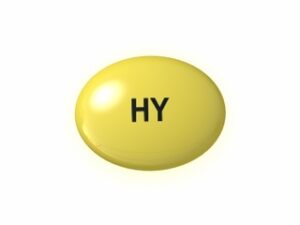
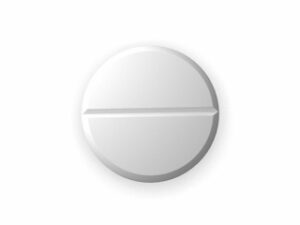
| Common form | Oral tablets |
| Main effect | Helps reduce strain on the heart and helps prevent worsening heart failure |
| Important monitoring | Blood potassium and kidney function (eGFR/creatinine) |
In Australia, eplerenone is supplied through usual healthcare channels and may be branded by different manufacturers. The active ingredient is the same.
Mechanism of action (how eplerenone works)
Eplerenone blocks the action of aldosterone at mineralocorticoid receptors. Aldosterone promotes:
- Salt and water retention (leading to fluid build-up)
- Potassium loss (which can affect heart rhythm and overall physiology)
- Remodelling of the heart tissue after injury
By blocking these receptors, eplerenone helps:
- Reduce fluid retention without causing large potassium loss
- Lower stress on the heart
- Support better long-term cardiovascular outcomes in appropriate patients
Pharmacokinetics (what the body does with eplerenone)
“Pharmacokinetics” describes absorption, distribution, metabolism, and excretion. Key points for patients include:
- Absorption: Eplerenone is absorbed from the digestive tract. Food can affect the degree of absorption.
- Time to effect: Some effects begin within the first day, but the full benefits are seen over weeks as the heart and fluid balance stabilise.
- Protein binding: It is substantially bound to plasma proteins.
- Metabolism: Eplerenone is metabolised mainly by liver enzymes (notably CYP3A4).
- Elimination: The drug and its metabolites are cleared primarily via the liver and kidneys.
- Half-life: It is taken in a schedule that maintains therapeutic levels; your clinician will tailor timing to your condition.
Because kidney function and liver metabolism can change drug handling, blood tests and dose adjustments may be needed—especially in older adults or in people with chronic kidney disease.
Typical use in Australia
Eplerenone is used to treat specific cardiac conditions, most commonly:
- Chronic heart failure with reduced ejection fraction in selected people
- After a heart attack when there are signs of left ventricular dysfunction and/or certain risk features, as part of broader heart-protection therapy
It is usually used alongside other cardiovascular medicines (for example, treatments that lower blood pressure, reduce strain on the heart, and improve symptoms). The exact combination depends on your diagnosis and overall risk.
Indications (who it may be for)
Indications can vary slightly by product approval and clinical guideline updates. In general, eplerenone is considered when:
- You have heart failure and persistent risk despite standard therapy
- You have had a myocardial infarction (heart attack) with evidence of ongoing heart muscle impairment
- Your healthcare team plans a mineralocorticoid receptor antagonist approach and can monitor potassium and kidney function
Not everyone is suitable. People with elevated baseline potassium or significantly reduced kidney function may require alternative treatment or careful specialist dosing.
Dosing and timing
Dosing should follow the plan provided by your clinician and the product-specific instructions for the brand you have. Below are common dosing concepts used in clinical practice.
Common dosing approach
- Start low, then adjust: Many people begin with a lower dose to reduce the risk of high potassium, with changes based on blood test results.
- Adjust based on potassium and kidney function: Dose may be increased or reduced depending on serum potassium (and eGFR/creatinine).
- Regular schedule: Taking it at the same times each day helps maintain stable levels.
How to take it (timing tips)
- Choose a consistent time: For example, morning and evening if prescribed twice daily.
- Do not double up: If you miss a dose, take it when you remember unless it is close to the next dose; then skip the missed dose.
- Use a pill organiser: This can reduce missed doses and dosing errors.
Food interactions and absorption
Food can influence the absorption of eplerenone. To support consistent exposure:
- Take with food if advised: Many regimens recommend taking eplerenone with meals to stabilise absorption.
- Be consistent: If your instructions say “take with food,” aim to do so each day.
- Avoid sudden major diet changes: While no single food is typically “forbidden,” large shifts in overall salt intake may affect fluid balance.
If you are unsure how your specific product should be taken relative to meals, check the label instructions or ask your pharmacist.
Alcohol interactions
Alcohol can worsen dizziness, low blood pressure symptoms, and dehydration risk in some people—factors that may be relevant when you are taking medicines that influence fluid and blood pressure. While eplerenone does not have a single classic “absolute” alcohol prohibition, consider:
- Moderation: Keep alcohol to moderate amounts unless your clinician advises otherwise.
- Watch for dizziness or faintness: Especially when you stand up.
- Hydration: Alcohol can be dehydrating in some situations; maintain adequate fluids (as advised for your heart condition).
Medicine interactions (important)
Eplerenone affects aldosterone pathways and kidney/potassium handling. Some medicines can raise potassium or change eplerenone levels in the body. Always keep your pharmacist informed about everything you take, including over-the-counter products and supplements.
Medicines that may increase potassium
- Potassium supplements
- Salt substitutes that contain potassium (often sold as “low sodium” alternatives)
- Other potassium-sparing diuretics (for example, amiloride, triamterene)
- ACE inhibitors and ARBs (commonly used in heart failure and blood pressure; potassium can rise when used together)
- Other agents that can affect potassium (your pharmacist can assess risk based on your medication list)
Medicines that may increase eplerenone levels (CYP3A4 interactions)
Because eplerenone is metabolised by enzymes including CYP3A4, medicines that strongly inhibit these enzymes can increase eplerenone concentrations. Examples may include certain antibiotics and antifungals, and some antiviral or cardiovascular agents depending on the exact medicine and dose.
Your pharmacist can check specific interactions for your product and list of medicines.
Non-prescription and herbal products
- NSAIDs (for pain and inflammation, such as ibuprofen or naproxen) can affect kidney function and may increase potassium risk in some people—especially with dehydration or older age.
- Herbal supplements may interact with drug metabolism or affect kidney function; it’s best to verify with a pharmacist.
Safety profile and side effects
Like all medicines, eplerenone can cause side effects. Many people tolerate it well, but the major safety consideration is its impact on potassium and kidney function.
Serious but less common risks
- Hyperkalaemia (high potassium): This can be dangerous because high potassium can affect heart rhythm. Symptoms may be subtle, but severe cases may cause weakness, unusual heartbeats, or palpitations.
- Kidney function changes: Some people may see changes in creatinine/eGFR, particularly when dehydrated, with NSAIDs, or with other interacting medicines.
- Low blood pressure symptoms: Dizziness, faintness—more likely when starting or with other blood pressure-lowering medicines.
Common side effects
- Dizziness
- Fatigue
- Headache
- Nausea (in some cases)
- Increased potassium detected on blood tests
Seek urgent medical care if
- You experience fainting, severe weakness, or chest pain
- You develop significant palpitations or a very irregular heartbeat
- You have signs of severe dehydration (for example, persistent vomiting/diarrhoea) and feel unwell
Practical use tips (getting the best results safely)
- Follow blood test schedules: Your clinician will typically check potassium and kidney function after starting and after dose changes, then periodically. Do not stop the medicine without advice—just ensure monitoring is done.
- Be careful with salt substitutes: Many “low-sodium” products use potassium chloride. These can be problematic with eplerenone.
- Keep hydrated (within your heart plan): Dehydration increases the risk of kidney issues and can make potassium rise more easily.
- Inform healthcare professionals: Tell your pharmacist and any other clinician you take eplerenone before they prescribe new medicines, including antibiotics or pain relief.
- Use reminders: Set phone alarms or use blister packs to maintain regular dosing.
- Know your warning signs: Learn what dizziness, weakness, or palpitations feel like for you and report them promptly.
What happens if you miss a dose?
If you miss a dose of eplerenone, take it when you remember unless it is close to the next scheduled dose. If it is nearly time for your next dose, skip the missed dose. Do not take a double dose to make up for the missed tablet.
Alternative options (depending on your condition)
If eplerenone is not suitable, or if potassium/kidney monitoring becomes difficult, clinicians may consider other options for heart failure or post–heart attack management. Alternatives depend on your diagnosis, blood tests, and overall medicine regimen.
Other mineralocorticoid receptor antagonists
- Spironolactone: Another aldosterone antagonist. It may differ in side-effect profile (for example, hormonal-related effects can occur in some people).
Other heart failure medicines
For heart failure, there are multiple medicine classes used in combination. Common examples that a clinician may consider (based on eligibility and guidelines) include:
- Beta-blockers
- ACE inhibitors or ARBs (or other renin–angiotensin system agents)
- Angiotensin receptor–neprilysin inhibitors (in appropriate patients)
- SGLT2 inhibitors
- Other supportive medicines depending on symptoms
Your pharmacist can explain options relevant to your specific situation once you share your medication list and recent blood test results.
Market and legal context for Australia
In Australia, eplerenone is available as a regulated medicine and is used within standard cardiovascular care frameworks. Medicines that affect the cardiovascular system or potassium levels typically require appropriate clinician involvement and laboratory monitoring. Online pharmacies in Australia generally supply prescription medicines under applicable requirements and with professional oversight.
Availability and brand names can vary, but the active ingredient remains eplerenone. If you are new to the medicine, it’s common to start with careful monitoring and follow-up, especially to prevent potassium from rising too high.
Recent guidance and monitoring considerations
Clinical practice continually evolves as new evidence emerges and guidelines are updated. Current practice generally emphasises:
- Regular potassium monitoring and kidney function checks
- Dose titration based on blood results rather than a one-size-fits-all approach
- Review of interacting medicines (especially potassium-raising drugs and strong CYP3A4 inhibitors)
- Clear patient education on avoiding potassium-containing supplements and salt substitutes
If you have had recent changes in kidney function, are unwell with vomiting/diarrhoea, or have started new medicines, ask your clinician whether additional blood tests are needed.
Delivery and availability
We aim to make access easier for Australians by offering convenient online ordering and home delivery where available under local policies. Availability may depend on stock levels and manufacturer supply. Some strengths or pack sizes may have variable lead times.
- Order tracking: Many orders include tracking updates once dispatched.
- Packaging: Medicines are typically supplied in secure, tamper-evident packaging.
- Storage: Store tablets as directed on the label (generally in a cool, dry place, away from direct sunlight).
- Cold chain: Eplerenone tablets usually do not require refrigeration unless specifically indicated by the product label.
If you need delivery updates or specific information about your preferred pack size or strength, contact our customer support team.
FAQ (frequently asked questions)
1) What is eplerenone used for?
Eplerenone is used to treat certain heart conditions such as chronic heart failure and to reduce cardiovascular risk after a heart attack in selected patients, typically when ongoing monitoring for potassium and kidney function is feasible.
2) How long does it take to work?
You may notice benefits such as improved stability over weeks, while long-term benefits relate to how the medicine helps the heart respond to hormonal signals and fluid balance. Your clinician will schedule follow-up and blood tests to assess safety and progress.
3) Why do I need blood tests?
Eplerenone can raise potassium and may affect kidney function. Blood tests help ensure levels remain in a safe range and allow dose adjustments if needed.
4) Can I take eplerenone with food?
Food can affect absorption. Many regimens recommend taking it with food (or at least consistently with meals). Follow the instructions on your specific label or the direction provided by your pharmacist.
5) Are there foods I should avoid?
Be cautious with salt substitutes that contain potassium chloride. Otherwise, there is usually no single “forbidden” food, but maintaining stable dietary salt intake can support fluid balance. If you have been given a heart failure diet plan, follow it.
6) Does eplerenone cause weight gain?
Eplerenone is not typically associated with weight gain from fluid retention; in fact, it can help reduce fluid build-up in appropriate patients. However, any sudden weight increase may indicate fluid changes—contact your clinician promptly if this occurs.
7) Can I take pain relief like ibuprofen?
NSAIDs such as ibuprofen may affect kidney function and can increase risk in combination with medicines that influence kidney and potassium handling. Talk to your pharmacist about safer pain relief options for your situation.
8) What should I do if I feel dizzy?
If you feel dizzy, sit or lie down and avoid sudden standing. Dizziness can occur when blood pressure changes—particularly when starting therapy. Contact your clinician if dizziness is persistent or severe.
9) Can I drink alcohol?
Moderate alcohol is usually possible for many people, but alcohol may increase dizziness or dehydration risk. Keep alcohol intake modest and follow your clinician’s advice, especially if you have low blood pressure or ongoing fluid management needs.
10) What are the biggest drug interactions?
Interactions that raise potassium (such as potassium supplements or salt substitutes) and medicines that strongly affect kidney function or eplerenone levels (including certain CYP3A4 inhibitors) may be important. Always share your full medicine list with your pharmacist.
Summary
Eplerenone is an aldosterone receptor antagonist used in selected heart conditions in Australia. It helps support heart function and fluid balance, but it requires careful attention to safety—particularly potassium levels and kidney function. With consistent dosing, regular blood tests, and awareness of food and medicine interactions, many people can use eplerenone effectively as part of a broader cardiovascular treatment plan.
If you have questions about how to take eplerenone, whether your current medicines are compatible, or when your next blood test is due, speak with your pharmacist or healthcare team.