Hydroxyzine (For Anxiety, Allergy Symptoms and Itching) — Patient Information (Australia)
Hydroxyzine is a widely used medicine in Australia for several common conditions, including allergic reactions and itching (pruritus), as well as for short-term relief of anxiety in some people. It belongs to a group of medicines called antihistamines that also have calming effects.
This page explains how hydroxyzine works, how the body processes it, typical ways it is used, important safety information, and practical tips to help you use it more comfortably. It also covers possible interactions—especially with alcohol and other medicines.
Key Facts
- Active ingredient: Hydroxyzine
- Type: Antihistamine with sedating (calming) effects
- Common uses: Allergies, itching, anxiety symptoms (short-term), and sometimes to help with sleep
- Main side effects: Drowsiness, dry mouth, dizziness, constipation
- Important precautions: Avoid alcohol; be careful with driving; interactions with other sedating medicines
Basic Product Information
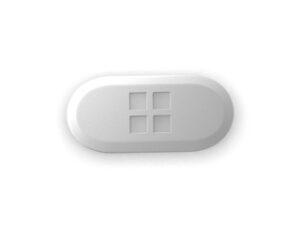
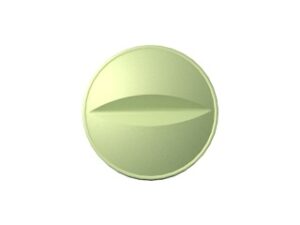
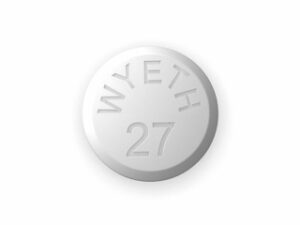
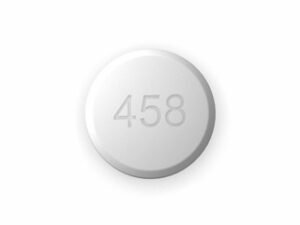
Hydroxyzine is available in different forms depending on the product and dose strength, such as tablets or syrups. In some settings it may be used for symptom relief, including:
- Allergy symptoms such as itching, hives, and watery eyes
- Itching associated with skin conditions (pruritus)
- Anxiety symptoms (often short-term)
- Pre-medication in some medical settings (for calming prior to procedures)
Product strength and dosing vary by age, condition, and formulation. Always follow the directions provided for the specific product you are using.
How Hydroxyzine Works (Mechanism of Action)
Hydroxyzine works mainly by blocking histamine—a substance released by the body during allergic reactions. Histamine is involved in symptoms such as itching, redness, swelling, and hives.
In addition to its antihistamine action, hydroxyzine can affect the brain and has sedating effects. This combination is why it may be used for both allergic symptoms and short-term relief of anxiety or tension in certain people.
- Antihistamine effect: Reduces itching and other allergy-related symptoms
- Calming/sedating effect: May reduce anxiety and help some people feel more relaxed
Pharmacokinetics: How Your Body Processes Hydroxyzine
“Pharmacokinetics” describes what happens to the medicine in the body—how it is absorbed, broken down, and eliminated. Exact figures can vary by formulation and individual factors, but the general patterns are:
| Process | What to expect (general) |
|---|---|
| Absorption | Hydroxyzine is absorbed from the gastrointestinal tract after oral dosing, with sedative effects often beginning within the first hours. |
| Onset | Effects can begin relatively quickly for antihistamine symptoms; for anxiety-related effects, relaxation may be noticed after taking the dose. |
| Metabolism | Hydroxyzine is metabolised in the liver into active and inactive metabolites (details depend on the person and product). |
| Elimination | The metabolites are eliminated mainly via the kidneys (urine). Reduced kidney function may require caution. |
| Duration | Drowsiness and allergy symptom relief may last several hours; dosing frequency depends on the condition and prescribed regimen. |
If you have liver or kidney disease, are older, or have other medical conditions, talk to your pharmacist or doctor about the most appropriate dose and timing.
Typical Uses in Australia
Hydroxyzine is used for symptomatic relief of several conditions, including:
- Allergic disorders: Itching, hives (urticaria), and other histamine-related symptoms
- Pruritus (itching): Relief of itching associated with various skin conditions
- Anxiety symptoms: Short-term relief of anxiety/tension as judged clinically
- Sleep support (in some cases): Because it can cause drowsiness, it may be used when appropriate
Your prescriber or pharmacist will decide whether hydroxyzine is suitable based on the likely cause of your symptoms, your medical history, and potential interactions.
When and How to Take Hydroxyzine (Timing and Dosing)
The best timing depends on what you are using it for and how it affects you. Many people find it helpful to take hydroxyzine at a time that aligns with symptoms (e.g., daytime for allergy itch, or evening if drowsiness is expected).
General guidance:
- Follow your product label instructions or the directions provided by a healthcare professional.
- Start carefully if you’ve never taken it before—some people feel sleepy sooner and more strongly than others.
- Avoid driving or operating machinery until you know how hydroxyzine affects you (this is especially important at the start of treatment).
Typical dosing approach (general)
Hydroxyzine dosing varies by condition, age, and formulation. Because individual products and patient factors differ, it’s important to use the specific dose instructions for the medicine you have.
- Adults: Doses are commonly taken multiple times per day depending on the indication and response.
- Children: Dosing must be determined carefully by a clinician based on weight/age and safety considerations.
- Older adults: Often more sensitive to drowsiness and dizziness; lower doses may be required.
If you miss a dose, take it when you remember unless it’s close to the next dose. Do not take extra doses to “catch up.” If you’re unsure, ask your pharmacist.
Food Interactions: Does Hydroxyzine Need to be Taken with Food?
Hydroxyzine can usually be taken with or without food. Food may help reduce stomach discomfort for some people. The bigger practical issue is that hydroxyzine can cause drowsiness, and eating heavy meals or alcohol can worsen overall “sleepiness” and dizziness for some users.
- With food: May improve comfort if your stomach is sensitive.
- Without food: Often still suitable for allergy symptom relief.
If your symptoms worsen after taking hydroxyzine, consult your pharmacist. Do not change dosing frequency without advice.
Alcohol and Medicine Interactions
Hydroxyzine can cause sedation. Combining it with alcohol can significantly increase drowsiness and slow reaction times, and it can increase the risk of accidents and other harm.
Alcohol
- Avoid alcohol while taking hydroxyzine unless your healthcare professional specifically advises otherwise.
- Even small amounts of alcohol may make drowsiness and dizziness worse.
Other medicines that may interact
The following categories may increase sedation or affect heart rhythm. Talk to your pharmacist before combining hydroxyzine with any new medicine (including over-the-counter and herbal products):
- Other sedating antihistamines (some allergy and cold medicines)
- Sleep medicines
- Opioid pain medicines (e.g., oxycodone, morphine, codeine)
- Benzodiazepines (e.g., diazepam, alprazolam)
- Some antidepressants and antipsychotics
- Anti-seizure medicines that cause drowsiness
- Medicines that affect heart rhythm (particularly those that can prolong the QT interval). Hydroxyzine has known potential to affect cardiac conduction in certain circumstances.
To reduce risk, bring a list of all medicines you take—prescription, pharmacy medicines, and supplements—when speaking with a pharmacist.
Indications (What Hydroxyzine Is Used For)
“Indications” means the medical reasons a medicine is used. Hydroxyzine is commonly indicated for:
- Allergic symptoms, including itching
- Urticaria (hives)
- Pruritus related to allergic and non-allergic conditions, as judged clinically
- Anxiety symptoms for short-term symptom relief in certain patients
If your symptoms include swelling of the lips/tongue, trouble breathing, fainting, or widespread rapid hives, seek urgent medical help immediately (this may be a severe allergic reaction).
Safety Profile: Side Effects and When to Seek Help
Most people tolerate hydroxyzine well when used correctly. However, like all medicines, it can cause side effects. Some are expected (especially drowsiness), and others are less common but may require urgent attention.
Common side effects
- Drowsiness or tiredness
- Dizziness
- Dry mouth
- Constipation
- Headache
- Blurred vision (in some people)
Less common but important risks
- Allergic reactions to hydroxyzine (rash, swelling, breathing difficulty)
- Urinary retention (more relevant in people with prostate enlargement/bladder problems)
- Confusion, particularly in older adults
- Changes in heart rhythm in susceptible individuals (risk may increase with higher doses or interacting medicines)
Seek urgent medical help if you have
- Difficulty breathing, swelling of the face/lips/tongue
- Fainting, severe dizziness, or palpitations
- Severe or persistent irregular heartbeat
- Severe rash with blistering or peeling skin
Who should be extra cautious?
- Older adults (more sensitive to sedation and falls)
- People with glaucoma or urinary retention risk
- People with liver impairment or kidney impairment
- People with a history of heart rhythm problems or those taking QT-prolonging medicines
- People taking multiple medicines that cause sedation
Practical Use Tips (Make Hydroxyzine Easier to Take)
- Test your response: On the first day, consider taking the dose when you can rest and avoid driving.
- Rise slowly: Dizziness can occur—stand up gradually to reduce fall risk.
- Hydrate and protect your mouth: Dry mouth is common; sip water regularly and consider sugar-free lozenges.
- Manage constipation: Increase fibre and fluids if appropriate for you, and ask a pharmacist if you need advice.
- Keep an eye on daytime sleepiness: If you feel groggy the next day, discuss dosing timing or alternatives.
- Do not mix with alcohol: This is one of the most important safety steps.
Alternatives to Hydroxyzine
If hydroxyzine isn’t suitable—because of drowsiness, interactions, or your medical history—there may be alternatives depending on your symptoms. Your pharmacist can help you choose the best option for allergies/itching or anxiety symptoms.
For allergy symptoms and itching
- Non-sedating antihistamines (often preferred for daytime use), such as:
- cetirizine
- loratadine
- fexofenadine
- desloratadine
- Topical treatments for localized itch (e.g., soothing creams, corticosteroid creams for certain rashes)
For anxiety symptoms
- Non-medicine approaches can also help (sleep hygiene, relaxation techniques, stress management).
- Other medicines may be considered depending on your history and risks; a clinician can assess suitability.
If you’re switching from hydroxyzine to another option, it’s best to confirm a safe plan with a pharmacist—especially to avoid overlapping sedating effects.
Market and Legal Context in Australia
In Australia, hydroxyzine-containing medicines are regulated under the Australian regulatory system for medicines. Availability (whether listed on the general sales list, pharmacy-only, or prescription-only) depends on the specific product and strength. Online pharmacy services also follow these rules to ensure medicines are supplied appropriately.
The exact supply category and requirements may differ by:
- the strength and formulation (e.g., tablet vs syrup)
- the indication and patient age
- product-specific scheduling and regulatory requirements
You can expect an online pharmacy to include patient screening steps where required, including checks for interactions and suitability based on age and medical history.
Recent guidance note:
Australian medication safety guidance commonly emphasises correct use of sedating medicines, careful review of interactions, and patient counselling on driving/operating machinery and alcohol avoidance. Always follow the instructions provided for your product.
Delivery and Availability (Online Pharmacy)
Hydroxyzine may be available through online pharmacy platforms depending on the product type and category. Delivery options vary by provider and location within Australia.
- Availability: Subject to stock and product scheduling.
- Delivery times: Vary by region and carrier service.
- Packaging: Medicines should arrive sealed and labelled with dosing instructions.
When you place an order, check:
- the exact strength and form you selected
- expiry dates on dispatch (where applicable)
- any storage instructions on the label (commonly store below 30°C unless stated otherwise)
Missed Dose and Overdose Information
If you miss a dose
- Take it when you remember if it’s not close to the next scheduled dose.
- Skip the missed dose if you’re near the next one.
- Do not double up.
Overdose (important)
Taking more than the recommended dose can be dangerous, increasing the risk of severe drowsiness, confusion, breathing problems, and heart rhythm issues—especially when combined with other sedating medicines or alcohol. If you suspect an overdose, seek urgent medical help immediately and contact the Poisons Information Centre on 13 11 26 in Australia.
FAQ: Hydroxyzine
1) Is hydroxyzine sedating?
Yes. Hydroxyzine commonly causes drowsiness. Some people feel sleepy soon after taking it, and others may feel groggy later—so avoid driving and alcohol until you know how it affects you.
2) Can I take hydroxyzine during the day?
Some people do, particularly for itching/allergy symptoms, but drowsiness can occur. If you need to drive or work with machinery, consider discussing non-sedating allergy options with a pharmacist.
3) What should I avoid while taking hydroxyzine?
Avoid alcohol and be cautious with other medicines that cause sedation (including some sleep medicines, opioid pain medicines, and other antihistamines). Also be careful with driving.
4) Does hydroxyzine interact with other allergy medicines?
Combining multiple antihistamines can increase side effects like drowsiness and dry mouth. Check with your pharmacist before using other allergy/cold products, especially those containing sedating antihistamines.
5) Can I take hydroxyzine with food?
Usually yes—hydroxyzine can be taken with or without food. Food may help with comfort if you experience nausea.
6) How long does hydroxyzine take to work?
Many people notice allergy symptom relief within a few hours. Drowsiness may also start within a similar timeframe. The exact onset can vary between individuals and formulations.
7) Is hydroxyzine suitable for everyone?
Not always. Extra caution is needed for older adults, people with certain heart conditions, kidney/liver impairment, glaucoma, urinary retention risk, or those taking interacting medicines. A pharmacist can help assess suitability.
8) What if hydroxyzine makes me too sleepy?
Don’t just stop or double dose on your own. Consider speaking with your pharmacist or clinician about adjusting the timing, dose, or switching to a non-sedating alternative for allergy/itch symptoms.
9) Can hydroxyzine be used for long periods?
Hydroxyzine is sometimes used short-term for symptom relief. Whether it is appropriate for longer periods depends on your condition and your overall safety profile. Discuss ongoing use with a healthcare professional.
10) Are there lifestyle tips that help with itching or allergies?
Yes. For allergic itch, avoiding known triggers, using gentle moisturisers, and keeping skin cool can help. For stress-related symptoms, relaxation strategies and regular sleep can also reduce triggers. A pharmacist can provide tailored advice.
Summary
Hydroxyzine is an antihistamine medicine used in Australia to help relieve allergy symptoms and itching, and may be used for short-term anxiety relief in some situations. It works by blocking histamine and has a calming, sedating effect—so it can make you drowsy and affect reaction time.
Use it safely by avoiding alcohol, being careful with driving or machinery, and checking for interactions with other medicines. If you have any concerns—especially around heart rhythm, severe side effects, or excessive sedation—speak with a pharmacist or clinician promptly.