


Omeprazole (Gastro-resistant / Delayed-Release) – Patient Information (Australia)
Omeprazole is a medicine used to reduce stomach acid. It is commonly used for conditions such as reflux (heartburn/GERD) and stomach or duodenal ulcers. Omeprazole works by blocking the final step of acid production in the stomach, helping the lining heal and providing relief from burning pain, sour taste, and indigestion symptoms.
This guide is designed to be clear and patient-friendly. Always follow the directions on the pack or your healthcare professional’s advice.
Quick Facts
- Medicine: Omeprazole
- Type: Proton Pump Inhibitor (PPI), typically enteric (gastro-resistant) delayed-release
- Main benefit: Reduces stomach acid
- Common uses: Reflux symptoms (heartburn/GERD), ulcer healing, prevention in certain situations
- How it’s taken: Usually once daily, often 30–60 minutes before a meal (commonly before breakfast)
- Onset of action: Symptoms may improve within days; maximum effect may take several days
Basic Product Information
| Category | Details |
|---|---|
| Active ingredient | Omeprazole |
| Drug class | Proton Pump Inhibitor (PPI) |
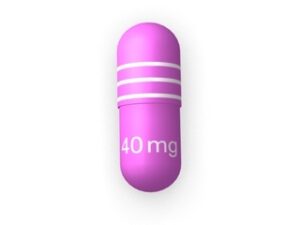
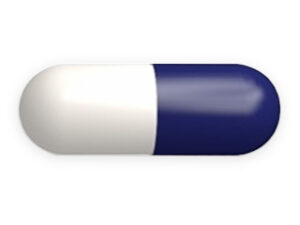
| Dosage forms | Capsules and/or tablets (gastro-resistant / delayed-release) |
| Typical dosing frequency | Often once daily; sometimes twice daily for specific conditions |
| Storage | Store below 30°C (unless label instructions differ). Keep in original packaging. |
How Omeprazole Works (Mechanism of Action)
Omeprazole belongs to a group of medicines called proton pump inhibitors. In the stomach lining, acid is produced by specialised “proton pumps” located in the parietal cells. Omeprazole blocks these pumps, reducing the amount of acid released into the stomach.
- Block acid production: The medicine suppresses the final step of acid secretion.
- Allows healing: Lower acidity helps ulcers and inflamed tissue heal.
- Improves reflux symptoms: Reduced acid decreases burning and irritation caused by backflow of stomach contents.
Why timing matters: Omeprazole is best taken before meals because the proton pumps become more active when food is present. Taking it beforehand allows the medicine to be in the right place at the right time to work effectively.
Pharmacokinetics (How the Body Handles It)
Understanding how omeprazole behaves can help you take it correctly and know what to expect.
- Absorption: Omeprazole is absorbed in the small intestine. Because it is commonly gastro-resistant (enteric coated), it is designed to survive stomach acid and dissolve in the intestine.
- Time to peak effect: Blood levels typically peak within about 1–3 hours after dosing (varies by formulation and individual factors).
- Metabolism: Omeprazole is mainly metabolised in the liver by cytochrome enzymes (notably CYP2C19).
- Duration of acid suppression: Even though the medicine’s blood levels may decrease, the acid suppression can last longer because it binds to proton pumps that are activated during the dosing interval.
- Effect of repeated dosing: With daily use, acid reduction often becomes stronger over the first few days, as more proton pumps are inhibited.
Note: People vary in how quickly they metabolise omeprazole. Some individuals may have stronger or weaker effects, depending on genetic and medication-related factors (for example, drug interactions involving CYP2C19).
Typical Use in Australia
Omeprazole is used for a range of acid-related conditions. In Australia, PPIs are widely used and commonly supplied as branded or generic products.
Common indications include:
- Gastro-oesophageal reflux disease (GORD/GERD): persistent heartburn, acid regurgitation, reflux symptoms
- Erosive oesophagitis: inflammation and damage to the oesophagus caused by reflux
- Gastric or duodenal ulcers: healing and symptom control
- Prevention of ulcers in some patients at higher risk when using non-steroidal anti-inflammatory drugs (NSAIDs), depending on individual circumstances
- Other acid-related conditions as determined by a clinician
When to Take Omeprazole (Timing & How to Take It)
Correct timing improves effectiveness.
General advice (for most daily regimens)
- Best time: Take omeprazole 30–60 minutes before food, commonly before breakfast.
- With water: Swallow the tablet/capsule whole with water.
- Do not crush or chew: If gastro-resistant, crushing/chewing can reduce effectiveness.
- Try to take it at the same time each day: Consistent dosing supports reliable acid control.
If you miss a dose
- Take it when you remember if it’s not close to the next dose.
- Skip the missed dose if the next dose is near.
- Do not double up to make up for a missed dose.
How soon it works
Many people notice symptom improvement within a few days. For healing of reflux inflammation or ulcers, full benefit may take several weeks depending on the condition and dose. If symptoms don’t improve, your treatment plan may need review.
Food Interactions
Omeprazole’s effect is closely related to meal timing.
- Food generally reduces effectiveness when taken too close to meals. If taken after eating, the proton pumps may already be active, decreasing the medicine’s ability to block newly stimulated pumps.
- Timing with meals: For best results, take it before meals as described above.
- Light snacks: If you must eat something before your dose, allow the earliest possible interval before taking the medicine, following the pack directions.
What about specific foods? There are no “special foods” required, but large or late meals can worsen reflux symptoms. Lifestyle adjustments (smaller meals, avoid late-night eating) can support treatment.
Alcohol & Medicine Interactions
Alcohol
Alcohol can worsen reflux symptoms in some people by relaxing the lower oesophageal sphincter and irritating the stomach/oesophagus. While moderate alcohol may not be harmful for everyone, if you notice heartburn after drinking, consider reducing alcohol and avoiding it close to bedtime.
Medicine interactions (important)
Omeprazole can interact with other medicines, mainly through liver enzyme metabolism and changes to stomach acidity. Some interactions may reduce effectiveness or increase side effects.
- Clopidogrel: Omeprazole may reduce the activation of clopidogrel in some cases. This can affect clot prevention. Discuss together if you use clopidogrel.
- Other medicines affected by stomach pH: Acid suppression can change absorption of certain drugs (for example, some antifungals and certain HIV medicines).
- Medicines metabolised by CYP2C19: Omeprazole can influence drug metabolism, potentially altering levels of other medicines.
- St John’s Wort: May reduce effectiveness by increasing metabolism.
- Warfarin and other anticoagulants: Monitoring may be needed if starting or changing dose.
- Digoxin: Acid changes may increase digoxin levels in some cases; monitoring may be recommended.
- Iron supplements: Reduced stomach acid can affect iron absorption for some people.
Always check: Tell your pharmacist or clinician about all medicines you take, including OTC products, supplements, and herbal preparations.
Indications: What Omeprazole Is Used For
Omeprazole is indicated for several acid-related conditions, including:
- GORD/GERD (reflux disease) with symptoms such as heartburn, regurgitation, and discomfort
- Erosive oesophagitis due to reflux
- Gastric ulcers and duodenal ulcers (healing and symptom control)
- Prevention of NSAID-related ulcers in certain higher-risk patients
- Zollinger–Ellison syndrome and other rare acid hypersecretion conditions (specialist management)
When to seek medical advice urgently:
- Unintentional weight loss
- Difficulty swallowing or pain on swallowing
- Vomiting blood or passing black/tarry stools
- Persistent symptoms despite correct use
- New symptoms after age 55 (or persistent change in symptoms)
Dosing Information (Common Approaches)
Dose varies depending on the condition, severity, and treatment duration. Always use the dose stated on your product packaging or as advised.
Common starting regimens (general examples)
- Reflux symptoms (typical): often 20 mg once daily
- More severe reflux/oesophagitis: may involve higher doses or twice-daily regimens under clinician guidance
- Ulcers: dosing commonly involves once-daily treatment for healing; duration may be several weeks
Important: Do not adjust your dose on your own if symptoms persist. Incorrect dosing or incorrect timing can reduce benefit.
Duration of treatment
- Short-term use: Some people use PPIs for limited periods for reflux flares.
- Longer-term use: Some conditions require ongoing therapy. Your healthcare professional should periodically review the need for continued treatment.
Safety Profile & Side Effects
Omeprazole is generally well tolerated. Like all medicines, it can cause side effects. Many are mild and resolve on their own.
Common or mild side effects
- Headache
- Nausea or stomach discomfort
- Diarrhoea or constipation
- Wind (flatulence)
- Feeling unwell or mild dizziness
Less common but important side effects
- Allergic reactions: rash, swelling, or difficulty breathing—seek urgent help
- Severe or persistent diarrhoea: especially if watery or with fever—contact a clinician
- Low magnesium (hypomagnesaemia) with long-term use: symptoms may include muscle cramps, weakness, dizziness, or abnormal heart rhythms
- Vitamin/mineral issues with long-term use: potential for reduced absorption of certain nutrients (varies by person and dose)
Long-term considerations (discuss with a clinician)
For people using PPIs for months or years, it’s important to have regular review. Your clinician may aim for the lowest effective dose and the shortest appropriate duration for your condition.
Potential concerns associated with prolonged PPI use (not necessarily meaning omeprazole is “unsafe” for everyone, but reasons to review therapy):
- Increased risk of certain infections (for example, gastrointestinal infections)
- Possible nutrient absorption changes (e.g., magnesium, vitamin B12, iron depending on diet and other factors)
- Bone fracture risk has been reported in some studies, particularly with long-term higher-dose use and in people with additional risk factors
If you’ve been using a PPI long-term, don’t stop suddenly without advice—tapering strategies may be recommended to reduce rebound acid symptoms.
Practical Use Tips (How to Get the Best Results)
- Take it before food: Aim for 30–60 minutes before breakfast or another meal as directed.
- Swallow whole: Do not crush or chew gastro-resistant products.
- Be patient with symptom improvement: Maximum benefit may take several days.
- Support with reflux-friendly habits:
- Avoid late-night meals and lying down after eating
- Try smaller meals if symptoms occur after meals
- Consider reducing trigger foods (for example, spicy foods, citrus, tomato-based foods, caffeine, and chocolate—varies by person)
- Elevate the head of your bed if nocturnal symptoms occur
- Use “rescue” medicines carefully: Some people use antacids or alginate-based products for breakthrough symptoms. Check with your pharmacist about suitable options alongside omeprazole.
- Review if symptoms persist: If you still have frequent symptoms despite correct use, seek advice to confirm the diagnosis and ensure the dose/duration is right.
Alternative Options (Depending on Your Condition)
There are other medicines and approaches for acid-related symptoms. The best option depends on your diagnosis, symptom severity, and other medicines you take.
Other medication options
- H2 receptor antagonists (H2 blockers): e.g., famotidine. These reduce acid but typically work differently and may be less powerful for healing severe erosive disease.
- Antacids: short-acting relief for occasional heartburn.
- Alginate-based therapies: form a barrier to reduce reflux episodes (often useful for post-meal or nighttime symptoms).
- Other PPIs: esomeprazole, lansoprazole, pantoprazole. If one is not effective or not tolerated, switching may be considered.
Lifestyle measures that can help
- Maintain a healthy weight (if appropriate)
- Avoid smoking
- Reduce alcohol if it worsens symptoms
- Wear looser clothing and avoid tight waistbands
- Consider not eating within 2–3 hours of bedtime
Market & Legal Context for Australia
In Australia, omeprazole products are widely available. The supply status of specific brands and pack sizes can vary, with some formulations available from pharmacies and others requiring clinician assessment depending on the strength and indication.
Product quality and regulation: Medicines sold in Australia must be authorised by the Therapeutic Goods Administration (TGA) and are subject to manufacturing, labelling, and safety standards.
Appropriate use: PPIs are effective, but persistent symptoms may indicate another condition. Australian medicines information encourages correct diagnosis and periodic review of ongoing acid suppression where appropriate.
Recent Guidance & Important Updates (General Trends)
Across recent years, guidance in many countries (including Australia) has emphasised:
- Using the lowest effective dose for the shortest duration that still controls symptoms and heals disease.
- Periodic review for people taking PPIs long-term.
- A careful approach to “step-down” when symptoms are controlled, to reduce the chance of unnecessary prolonged therapy.
- Reassessing ongoing symptoms that do not improve despite correct timing and adherence.
If you’ve been using omeprazole for a long time, it’s reasonable to discuss ongoing need and dose optimisation with a pharmacist or clinician.
Delivery & Availability (Online Pharmacy)
Omeprazole is commonly stocked and may be available in a range of strengths and pack sizes, depending on supply and the specific product. Availability can vary by brand and form (e.g., capsules vs tablets).
- Dispatch: Orders are typically dispatched within standard business timeframes (exact timelines depend on the pharmacy’s processing system).
- Shipping: Delivery methods and estimated delivery windows depend on your location within Australia.
- Packaging: Medicines are supplied in original packaging with clear labelling and patient information.
- Cold chain: Omeprazole does not generally require cold storage (follow the pack instructions).
If you need help choosing the correct strength or pack size, speak with a pharmacist via our online contact options where available.
FAQ About Omeprazole (Australia)
1. What is omeprazole used for?
Omeprazole reduces stomach acid. It is used for reflux (GORD/GERD), oesophagitis, and ulcers, among other acid-related conditions depending on diagnosis.
2. When should I take omeprazole?
For best results, take it 30–60 minutes before a meal, commonly before breakfast. Swallow tablets/capsules whole with water.
3. Can I take omeprazole with food?
You can, but effectiveness may be reduced if taken too close to meals. If possible, follow pre-meal timing instructions.
4. How long does it take to work?
Some people notice improvement within a few days. Healing of reflux inflammation or ulcers may take longer, often several weeks depending on your condition and treatment plan.
5. Is omeprazole safe to take long-term?
Many people use PPIs safely when needed, but long-term use should be periodically reviewed. Your clinician or pharmacist can help ensure the dose and duration are appropriate and monitor for potential issues.
6. What happens if I stop taking omeprazole?
Some people experience “rebound acid” symptoms after stopping a PPI, especially if they have used it for weeks to months. Discuss a step-down or taper strategy if you’ve been taking it for a longer period.
7. What side effects should I watch for?
Common mild effects include headache, diarrhoea/constipation, and stomach discomfort. Seek urgent help for signs of allergy (rash, swelling, breathing difficulty). Contact a clinician if you develop severe or persistent diarrhoea or symptoms suggestive of low magnesium.
8. Can I drink alcohol while taking omeprazole?
Alcohol may worsen reflux for some people. If you notice increased heartburn after drinking, consider limiting alcohol and avoiding it close to bedtime.
9. Does omeprazole interact with other medicines?
Yes. Interactions can occur, including with medicines such as clopidogrel, anticoagulants, digoxin, and some others. Always tell your pharmacist or clinician about all medicines and supplements you use.
10. Are there alternatives to omeprazole?
Yes. Options can include other PPIs, H2 blockers, antacids, and alginate-based products, as well as lifestyle changes. The best choice depends on your symptoms and diagnosis.
11. Should I see a doctor if my symptoms don’t improve?
Yes. Persistent symptoms despite correct use may indicate the need for reassessment. Seek urgent care for red-flag symptoms such as vomiting blood, black/tarry stools, trouble swallowing, or unexplained weight loss.
Where to Get Help
If you have questions about dosing, timing, or possible medicine interactions, a pharmacist can help. For urgent concerns or severe symptoms, seek prompt medical care.
Remember: Omeprazole works best when taken correctly before meals. Following the pack instructions and reviewing treatment with a healthcare professional can help you get the safest and most effective outcome.