Actos (Pioglitazone) — Patient-Friendly Guide (Australia)
Actos is a medicine containing pioglitazone, used to help manage type 2 diabetes. It works by improving how your body responds to insulin, helping lower blood glucose levels and support long-term diabetes control.
This guide is written to be patient-friendly and helpful for online pharmacy customers in Australia. It explains what Actos is, how it works, how it’s used, key safety considerations, and practical tips for everyday use.
1) Basic product information
| Feature | Details |
|---|---|
| Medicine | Actos |
| Active ingredient | Pioglitazone |
| Medicine type | Oral antidiabetic medicine (thiazolidinedione / “TZD”) |
| Typical dosing frequency | Usually once daily (many patients) |
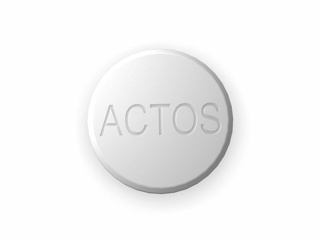
| Common strengths | Often available as tablets (commonly 15 mg, 30 mg, 45 mg, depending on local supply) |
| Who it’s for | Adults with type 2 diabetes in appropriate clinical situations |
Note: Brand names and pack sizes can vary. Your pharmacist or prescribing clinician can confirm the exact strength and schedule for your product.
2) How Actos works (mechanism of action)
Pioglitazone belongs to the thiazolidinedione (TZD) class. It improves insulin sensitivity, meaning your body can use insulin more effectively—particularly in fat and muscle tissues.
- PPAR-γ activation: Pioglitazone activates a nuclear receptor called PPAR-γ (peroxisome proliferator-activated receptor gamma).
- Insulin sensitivity increases: This helps reduce insulin resistance.
- Blood glucose decreases: By improving how tissues respond to insulin, it can lower blood sugar levels.
- Less emphasis on insulin production: Unlike medicines that stimulate insulin release, TZDs primarily enhance insulin sensitivity.
Because of its mechanism, the glucose-lowering effect builds gradually over days to weeks.
3) Pharmacokinetics (how the body handles the medicine)
Pharmacokinetics describes how a medicine is absorbed, distributed, metabolised, and eliminated.
- Absorption: Pioglitazone is absorbed after oral dosing.
- Peak levels: Blood concentrations rise after a dose and reach peak levels within several hours.
- Protein binding: It is highly bound to plasma proteins.
- Metabolism: It is metabolised mainly in the liver (hepatic metabolism).
- Elimination: Metabolites are eliminated largely via bile and faeces, with a smaller amount via urine.
- Half-life: Pioglitazone and its metabolites have a long duration, which supports once-daily dosing for many patients.
Why this matters: Steady effects may take time to appear, and stopping the medicine may not lead to an immediate return to baseline glucose levels.
4) Typical use in Australia
In Australia, Actos is used as part of diabetes management for people with type 2 diabetes. It is typically considered when glucose targets are not met with lifestyle measures alone, or when additional medication is needed.
Actos may be used:
- Monotherapy (in some situations, depending on clinical assessment), or
- In combination with other diabetes medicines such as metformin and/or other agents, depending on your individual plan.
Diabetes care also includes healthy eating, physical activity, monitoring, and cardiovascular risk management. Actos is one piece of a broader approach.
5) Indications (what it is used for)
Actos is indicated for the treatment of type 2 diabetes mellitus to improve glycaemic control, particularly where insulin resistance is a key feature.
Your clinician will consider whether pioglitazone is appropriate based on your medical history, kidney and liver function, and cardiovascular risk factors.
6) Dosing and timing
Always follow the dose and schedule provided by your healthcare professional. Below is general information about how pioglitazone is commonly used.
Typical dosing
- Starting dose: Often initiated at a lower dose to assess tolerance.
- Adjusting the dose: Dose may be increased gradually based on glucose control and tolerability.
- Maximum dose: There is usually a maximum recommended daily dose in adult patients (your clinician will apply local guidance and safety considerations).
When to take it
- Once daily: Many people take Actos once per day.
- With or without food: Actos can usually be taken with or without meals.
- Consistent timing: Taking it at the same time each day can help you remember.
- How to judge effect: Blood glucose improvements may take several weeks to fully develop.
Missed dose: If you miss a dose, take it when you remember on the same day. If it’s near the time of the next dose, skip the missed dose. Do not take a double dose to make up for it.
7) Food interactions
With food: Actos is generally not significantly affected by food. It can typically be taken with or without meals.
Practical approach:
- If you experience stomach discomfort, taking it with food may be more comfortable.
- If you feel fine, you can choose a routine that suits you.
8) Alcohol interactions and precautions
Alcohol can affect blood sugar levels and can worsen liver health in some situations. When taking pioglitazone:
- Moderation is key: Avoid heavy drinking.
- Monitor glucose: Alcohol can cause delayed glucose changes, including low or high readings in some people.
- Discuss your pattern: If you drink regularly, tell your clinician so your diabetes plan can be tailored.
- Liver considerations: Because pioglitazone is metabolised in the liver, caution is advised in people with liver-related problems.
If you’re unsure how alcohol fits with your medication plan, ask your pharmacist or clinician for individual advice.
9) Medicine interactions (important safety considerations)
Many medicines can interact indirectly by affecting blood sugar or fluid balance. Pioglitazone also has a role in fluid retention (see safety section). Below are common categories of interaction to consider.
Blood glucose medicines
- Other diabetes agents: The risk of low blood sugar depends on the combination used. For example, medicines that increase insulin levels (such as sulfonylureas or insulin) may raise the risk of hypoglycaemia when combined with other therapies.
- Monitoring may be needed: Your blood glucose targets and monitoring schedule may be adjusted when starting or changing Actos.
Medicines affecting fluid balance
- Diuretics and antihypertensives: Your overall cardiovascular plan may be adjusted because pioglitazone can cause fluid retention in some people.
- Heart failure medicines: If you have (or are at risk of) heart failure, your clinician may avoid or carefully monitor TZDs.
Liver metabolism interactions
- Caution with liver-affecting medicines: Pioglitazone is metabolised by liver enzymes. Some medicines can influence these enzymes, potentially changing exposure.
- Tell your clinician about all medicines: Include prescription drugs, over-the-counter products, vitamins, and herbal preparations.
Always check: Your pharmacist can review your medication list for interactions and advise on what to watch for.
10) Safety profile (what to watch for)
All medicines can have side effects. Pioglitazone’s safety profile is well-described, and many effects are monitorable if you know what to look for.
Common or notable side effects
- Fluid retention (oedema): Some people experience swelling in the legs/ankles.
- Weight gain: Often linked to fluid retention and changes in fat distribution.
- Changes in blood sugar: Blood glucose may improve gradually; hypoglycaemia risk depends on combination therapy.
- Shortness of breath or fatigue: Could be related to fluid retention in people with cardiovascular issues (see urgent signs).
Serious warnings and when to seek help
Contact urgent medical care if you develop:
- Sudden shortness of breath or worsening breathing
- Rapid weight gain over a short period (e.g., several kilograms in days)
- Swelling that worsens quickly (legs/ankles/feet) or swelling plus breathlessness
- Chest pain or severe dizziness
Why: Pioglitazone can cause fluid retention, which may worsen certain heart conditions.
Heart failure considerations
- Pioglitazone may be not recommended or used with caution in people with heart failure or significant risk of it.
- Clinicians often assess baseline heart status before starting and monitor symptoms during treatment.
Liver monitoring
- Because pioglitazone is processed in the liver, your clinician may arrange liver blood tests before and during therapy.
- Seek medical advice promptly if you notice symptoms such as unusual fatigue, loss of appetite, upper belly discomfort, dark urine, or yellowing of the skin/eyes.
Bladder concerns
- There have been ongoing discussions in medical literature about bladder-related effects with some TZDs. Clinicians typically consider individual risk factors.
- Report symptoms such as blood in urine, painful urination, or persistent urinary urgency.
Eye changes (diabetes-related)
- Diabetes control changes can affect the eyes. If you already have diabetic eye disease, follow your ophthalmology plan.
- Report vision changes promptly.
11) Practical use tips
These tips can help you get the most from treatment and reduce avoidable problems.
- Track your glucose: Use your diabetes monitoring plan (home readings, HbA1c schedule, and clinician guidance).
- Monitor weight: Weigh yourself regularly if you’re at risk of fluid retention.
- Check for swelling: Pay attention to ankle/leg swelling and breathing changes.
- Keep a symptom diary: If you notice side effects, note timing relative to dose changes.
- Stay consistent: Take it daily as directed; don’t stop suddenly without advice.
- Hydration and lifestyle: Follow dietary and exercise guidance to support insulin sensitivity.
- Carry information: Consider keeping a list of your medicines and allergies for emergencies.
12) When to reassess (timing of benefit and follow-up)
Because pioglitazone improves insulin sensitivity, it doesn’t always produce immediate changes like some other agents. Your clinician may:
- Review glucose readings and adjust diet/activity.
- Check HbA1c at scheduled intervals (often every few months).
- Assess side effects and decide if dose changes or alternative therapy is needed.
If blood glucose remains above target after an appropriate period, your clinician may add or change therapy.
13) Alternative options (if Actos isn’t right for you)
There are several other medication strategies for type 2 diabetes. Alternatives depend on your medical history, kidney function, cardiovascular risk, and treatment goals.
Medication classes commonly used in Australia
- Metformin (often first-line unless unsuitable)
- Sulfonylureas (e.g., gliclazide) — higher hypoglycaemia risk for some patients
- DPP-4 inhibitors (e.g., sitagliptin, linagliptin)
- SGLT2 inhibitors (e.g., empagliflozin, dapagliflozin) — may provide heart/kidney benefits in appropriate patients
- GLP-1 receptor agonists (injectable; some oral options exist in specific cases)
- Insulin (when needed for adequate glucose control)
Why alternatives matter: If you’re experiencing fluid retention, heart failure risk, or other adverse effects, your clinician may consider options with a different side effect profile.
14) Market and legal context in Australia (what this means for patients)
In Australia, diabetes medicines are regulated through the Australian Register of Therapeutic Goods (ARTG). Prescribing and dispensing are governed by Australian health regulations and PBS (Pharmaceutical Benefits Scheme) rules where applicable.
Important: Availability on the PBS may depend on eligibility criteria and clinical circumstances. Your pharmacist can help check whether your item is subsidised under the PBS and confirm the correct product.
Actos is a recognised brand name therapy. Supply can vary by strength and packaging size, and pharmacists may substitute equivalent items only when permitted by Australian regulations and according to your clinician’s instructions.
15) Recent guidance (high-level overview)
Diabetes treatment guidance in Australia is typically informed by evidence-based recommendations such as:
- Australian diabetes clinical practice guidelines
- Endocrinology and general practice recommendations
- Cardiovascular risk–focused approaches in appropriate patients
For TZDs like pioglitazone, guidance generally emphasises:
- Appropriate patient selection (particularly considering heart failure and fluid retention risk)
- Monitoring for weight gain and oedema
- Assessment of liver health as clinically needed
- Individualised therapy decisions in combination plans
Your clinician’s plan should align with your overall health goals and safety profile.
16) Delivery and availability (online pharmacy)
Actos availability may depend on local stock levels and the tablet strength you need (for example, 15 mg, 30 mg, or 45 mg).
- Dispatch: Orders are typically dispatched on business days where stock is available.
- Delivery times: These vary by location and courier service; delivery estimates are usually provided at checkout.
- Packaging: Medicines are supplied in manufacturer packaging when possible.
- Substitutions: Substitution between equivalent strengths or formulations should only occur when permitted and consistent with your diabetes plan.
If your preferred strength is temporarily out of stock, your pharmacist can advise on alternatives (such as another strength if clinically appropriate) and restock timing.
17) FAQ — Actos (Pioglitazone)
How quickly will Actos start working?
Pioglitazone often starts improving blood glucose within the first few weeks, but full effect can take several weeks. Your HbA1c typically reflects longer-term control, so changes are assessed over time.
Can I take Actos with food?
Yes. Actos can generally be taken with or without meals. Choose a routine you can follow consistently.
Does Actos cause weight gain?
Weight gain can occur. It may be related to fluid retention and changes in body fat distribution. Monitoring your weight and reporting swelling or breathing problems is important.
What should I do if I notice swollen ankles or shortness of breath?
Stop and seek medical advice promptly. These symptoms may indicate fluid retention and could be serious, especially if you have heart conditions. Urgent help is needed if symptoms are severe or rapidly worsening.
Will Actos cause low blood sugar?
Actos alone has a lower hypoglycaemia risk compared with some other diabetes medicines. However, if combined with insulin or sulfonylureas, the risk of hypoglycaemia can increase. Monitor glucose according to your plan.
Is alcohol safe while taking Actos?
Moderation is recommended. Alcohol may affect blood sugar and can affect liver health. Avoid heavy drinking and discuss your typical alcohol intake with your clinician, especially if you have liver-related issues.
Do I need liver tests?
Your clinician may perform liver blood tests before starting and/or during treatment based on risk factors and local practice. Follow the recommended monitoring plan.
What if I miss a dose?
Take it when you remember on the same day. If it’s close to your next dose, skip the missed dose. Do not double up.
Are there alternatives if I can’t tolerate Actos?
Yes. Alternatives include other oral agents and, if needed, injections such as GLP-1 receptor agonists or insulin—depending on your individual needs and safety considerations. Your clinician can help choose the best option.
Where can I check availability and delivery?
At an online pharmacy, delivery estimates and stock status are typically shown during checkout. If your strength is temporarily unavailable, your pharmacist may offer the next best option consistent with your plan.
18) Important reminders
This information is intended to support understanding of Actos (pioglitazone) and does not replace personal medical advice. If you have questions about your specific situation—such as other medicines you take, heart or liver health, or how to manage glucose targets—speak with your pharmacist or clinician.
If you experience concerning symptoms (especially breathing difficulty, rapid weight gain, or worsening swelling), seek urgent medical attention.